
Brussels sprouts are a nutrient-dense cruciferous vegetable that has gained popularity in recent years, especially among people focused on weight loss and whole-food nutrition. Whether roasted as a crispy side dish, boiled in soups, or eaten raw in salads, these mini cabbages pack serious nutritional value without the calorie load of many other starches. They’re particularly popular among those managing diabetes, building lean muscle, or simply adopting a healthier eating pattern.
If you’ve wondered exactly how many calories are in brussels sprouts, or what their complete nutritional profile looks like, you’ve come to the right place. This guide breaks down the calories, macros, and micronutrients in brussels sprouts, plus practical advice on portion sizing, preparation methods, and how to fit them into a calorie-conscious diet.
Calories in Brussels Sprouts (Quick Answer)
A single serving of brussels sprouts is remarkably low in calories, making them one of the best vegetables for weight management.
- 1 cup raw brussels sprouts (88g): 34 calories
- 1 cup cooked brussels sprouts (155g): 56 calories
- 10 medium roasted brussels sprouts with 1 tsp oil (150g): 110 calories
Calorie counts vary slightly based on how ripe the sprouts are, preparation method, and added oils or seasonings.
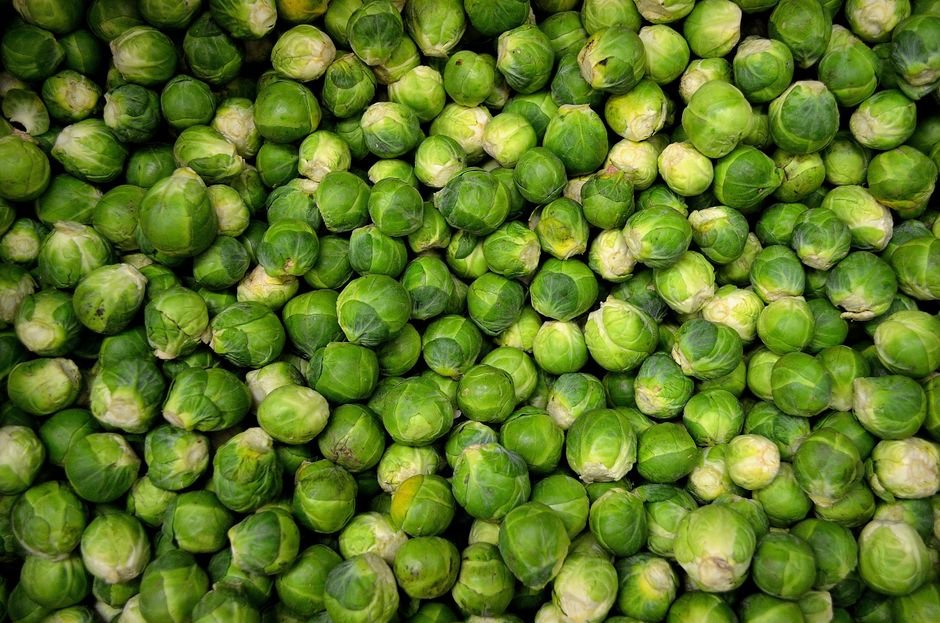
Full Nutrition Facts for 1 Cup Raw Brussels Sprouts (88g)
Raw brussels sprouts deliver impressive nutrition in a very low-calorie package. Here’s the complete breakdown per 88g serving:
| Nutrient | Amount | % Daily Value |
|---|---|---|
| Calories | 34 | — |
| Total Fat | 0.3g | <1% |
| Saturated Fat | 0.1g | <1% |
| Cholesterol | 0mg | 0% |
| Sodium | 32mg | 1% |
| Total Carbohydrate | 7g | 3% |
| Dietary Fiber | 2.4g | 9% |
| Total Sugars | 1.5g | — |
| Protein | 2.8g | 6% |
| Vitamin C | 64.9mg | 108% |
| Vitamin K | 218μg | 182% |
| Folate | 61μg | 15% |
*Percent Daily Values are based on a 2,000-calorie diet. Source: USDA FoodData Central.
Key insight: Brussels sprouts are exceptionally high in vitamin K and vitamin C, both crucial for bone health and immune function. A single cup of raw sprouts delivers over 100% of your daily vitamin C and nearly 200% of your daily vitamin K—all for just 34 calories. The 2.4g of fiber also supports digestive health and helps you feel full longer, making them ideal for weight loss.
Etekcity Food Scale
0.1g accuracy — the perfect companion for exact portions.
Raw vs. Roasted Brussels Sprouts: How Cooking Affects Nutrition
Raw Brussels Sprouts
- 34 calories per cup; retains all water-soluble vitamins like vitamin C in their full amount
- Slightly higher in sulforaphane (a sulfur compound with potential anti-cancer properties) since heat can reduce it
- Crunchy texture, mild flavor; best in slaws, salads, and quick meals
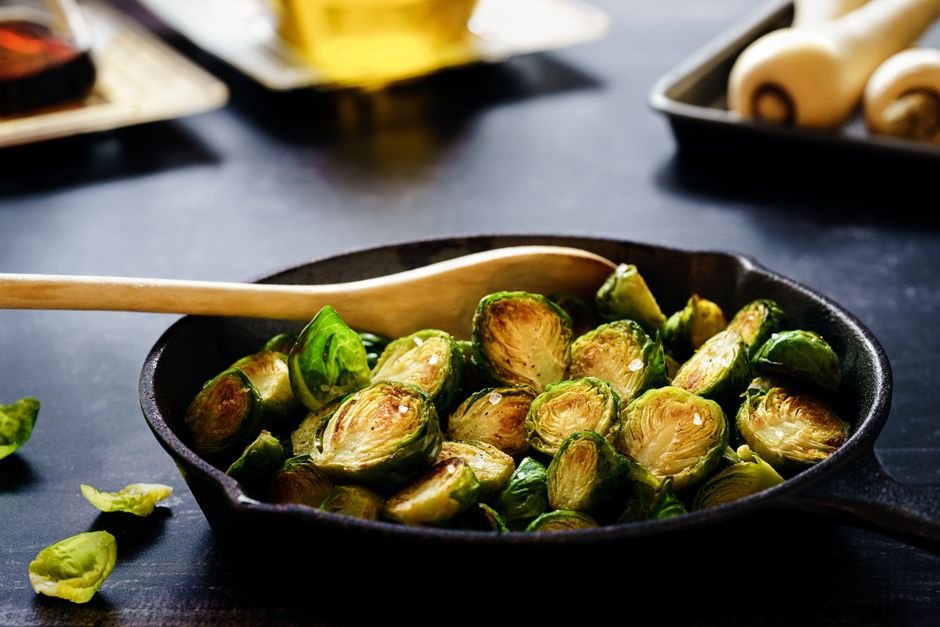
Roasted Brussels Sprouts (with 1 tsp oil)
- 56 calories per cup (cooked plain with water); 110 calories if roasted with oil—the added fat increases calorie density
- Maillard reaction (browning) creates deeper flavors and may increase certain antioxidant compounds
- Softer, caramelized exterior; oil absorption increases satiety factor and makes nutrients like vitamin K more bioavailable
Practical takeaway: Both preparations are nutritionally excellent. Choose raw brussels sprouts when you’re strictly tracking calories or want maximum vitamin C intake. Roast them with a small amount of oil for better flavor and to enhance fat-soluble vitamin absorption—the modest calorie increase is worth the improved eating experience and nutrient bioavailability.
Is Brussels Sprouts Good for Weight Loss?
Yes, brussels sprouts are one of the best vegetables for weight loss. With only 34 calories per raw cup and 2.4g of fiber per serving, they promote satiety without contributing meaningfully to daily calorie intake. They’re nutrient-dense (high in vitamins and minerals relative to calories), which means your body gets essential micronutrients while you stay in a calorie deficit. Their slightly bitter, savory flavor also makes them less likely to trigger overeating compared to ultra-processed foods.
Tips to Eat Brussels Sprouts Without Gaining Weight
- Measure added fats carefully: Roasting with excessive oil or butter can quickly turn a 34-calorie vegetable into a 200+ calorie side dish. Use 1 teaspoon of oil per 2 cups of sprouts, or use cooking spray.
- Skip creamy sauces and cheese: Brussels sprout-based dishes smothered in cream, cheese, or mayo can exceed 15–20 calories per sprout. Stick to olive oil, vinegar, spices, and lemon instead.
- Eat them first: Serve brussels sprouts as the first item on your plate when hungry. Their fiber and low calorie density fill you up quickly, naturally reducing portions of denser foods.
- Bulk up with them: Add extra brussels sprouts to grain bowls, stir-fries, and soups to increase volume without meaningful calorie addition, which stretches your meal and keeps you satisfied longer.
When prepared simply—roasted with minimal oil, boiled, or eaten raw—brussels sprouts are a dieter’s best friend. They’re hard to overeat and deliver serious nutritional density.
How Portion Size Affects Calories
Brussels sprouts are so low in calories that portion size matters far less than with most foods. Even oversized portions deliver modest calorie counts. However, preparation method and added fats change this dramatically. Understanding the difference between a small side and a generous serving helps you plan accurate calorie intake, especially if you’re using portion size as your measuring method rather than weighing.
Example
- Small portion (4–5 raw sprouts, ~40g): 15 calories
- Large portion (2 cups roasted with 1 tbsp oil, ~300g): 220 calories
The takeaway: even a generous plate of roasted brussels sprouts stays well under 250 calories if you control the oil, making them one of the few vegetables where you needn’t stress portion size.
Best Way to Measure Brussels Sprouts Accurately
If you’re tracking calories precisely, the most accurate method is weighing brussels sprouts raw on a kitchen scale, since cooking reduces weight through water loss and makes weight-based estimates unreliable. If you’re preparing them cooked, weigh the raw amount before cooking. For casual tracking, volume measurements (cups) work reasonably well for raw sprouts, though whole sprouts vary slightly in size.
Options
- Digital kitchen scale (most accurate): Weigh raw brussels sprouts in grams. Use USDA data for cooked weights if needed.
- Volume (cups or handfuls): One cup of raw sprouts ≈ 88g. This method is less precise but convenient for meal prep.
- Count individual sprouts: One medium raw brussels sprout ≈ 20–25g and 7–9 calories. Useful for quick estimates if sprouts are uniform size.
Calculate Your Exact Calorie Intake
If you’re eating brussels sprouts as part of a calorie-controlled diet, knowing the exact calories in your portion is essential—especially if you’re combining them with oils, dressings, or other ingredients. Manually calculating every combination of ingredients and preparation methods gets tedious and error-prone quickly.
Our free AI-powered nutrients calculator takes the guesswork out of nutrition. Enter “brussels sprouts” and your portion size, and instantly see calories, macros, and micronutrients. You can also add oils, seasonings, and other ingredients to get your complete meal nutrition in seconds. Visit our calculator here.
- Instantly calculate calories for custom portion sizes
- Add multiple ingredients and see combined nutrition facts
- Track macros and micronutrients across meals
Common Mistakes When Eating Brussels Sprouts
Brussels sprouts are forgiving, but these common mistakes can add unexpected calories or reduce their nutritional benefit.
❌ Drowning them in oil or butter. One tablespoon of oil adds 120 calories—turning a healthy side into a calorie-dense dish. Use 1 teaspoon per 2 cups instead.
❌ Overcooking them until mushy. Boiling for too long leaches water-soluble vitamins like vitamin C. Roast at high heat for 20 minutes or eat raw to preserve nutrient content.
❌ Only eating the heads and discarding the outer leaves. The larger outer leaves are tender and flavorful once cleaned. Don’t waste nutrition.
❌ Assuming all frozen brussels sprouts are identical. Flash-frozen plain sprouts are nutritionally equivalent to fresh, but frozen varieties with added sauces, cheese, or butter can exceed 200 calories per serving.
Stick to simple preparations, monitor added fats, and choose plain frozen varieties if fresh isn’t available.
FAQ
How many calories are in 100g of brussels sprouts?
Raw brussels sprouts contain approximately 39 calories per 100g. Cooked (boiled) brussels sprouts contain about 36 calories per 100g, with slight variation depending on water content.
Is brussels sprouts fattening?
No. Brussels sprouts are extremely low in calories (34 per raw cup) and high in fiber, making them one of the least fattening vegetables available. They become calorie-dense only when prepared with large amounts of added fats like oil, butter, or cream.
Do brussels sprouts cause bloating?
They can, if you’re unaccustomed to high-fiber foods. Brussels sprouts contain fermentable carbohydrates that some people find gas-producing. Cooking them thoroughly (roasting or boiling) makes them easier to digest than eating them raw. Gradually increasing intake allows your gut microbiome to adapt.
Can I eat unlimited brussels sprouts on a diet?
Practically speaking, yes—the calorie density is so low that even 3–4 cups of raw sprouts totals only 100–130 calories. However, the fiber content (2.4g per cup raw) means very large quantities can cause digestive discomfort. Two cups per meal is a reasonable generous serving.
Conclusion
Brussels sprouts are a nutritional powerhouse for weight loss and general health. At just 34 calories per raw cup and delivering over 100% of your daily vitamin C and nearly 200% of your daily vitamin K, they’re among the best foods for nutrient density per calorie. Whether you eat them raw in salads, roasted as a side dish, or boiled in soup, brussels sprouts fit seamlessly into calorie-controlled and nutrient-focused eating patterns.
The key to maximizing their benefits is simple preparation: use minimal added fats, avoid prolonged cooking, and measure portions if you’re adding oils or dressings. For precise calorie and nutrition tracking, use a reliable nutrients calculator to account for your specific preparation method and portion size—this removes the guesswork and ensures you stay on track with your health goals.
