
Avocado has become a staple in modern nutrition, especially among people following low-carb, keto, or Mediterranean diets. It’s popular with fitness enthusiasts, weight-loss seekers, and anyone aiming to increase their intake of healthy monounsaturated fats. From toast breakfasts to salads and smoothies, avocado appears across countless meals worldwide.
But avocado is also calorie-dense, which raises the question: How many calories are in an avocado, and how does it fit into a balanced diet? This guide covers the full nutrition profile, portion control strategies, and practical tips for eating avocado without accidentally overshooting your calorie goals.
Calories in Avocado (Quick Answer)
A medium avocado (100g) contains approximately 160 calories, though size and ripeness vary the count slightly.
- Half a medium avocado (50g): 80 calories
- One whole medium avocado (100g): 160 calories
- One whole large avocado (150g): 240 calories
Calorie counts are fairly consistent across varieties (Hass, Fuerte, Bacon) but ripeness and exact size can shift values by 10–15 calories.
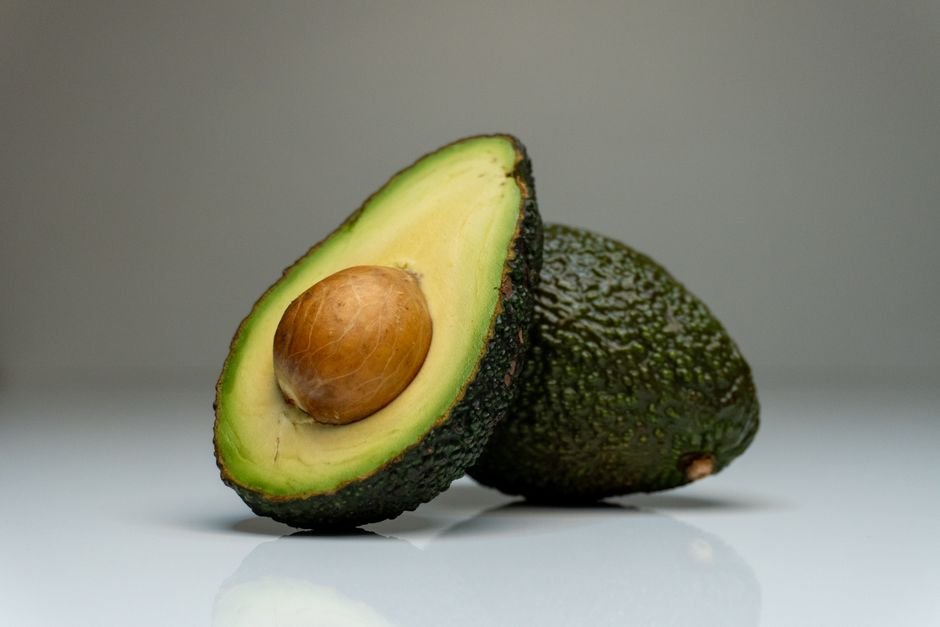
Full Nutrition Facts for One Medium Avocado (100g)
Here’s the complete micronutrient breakdown of a medium 100g avocado, showing why this fruit is prized by nutrition-conscious eaters:
| Nutrient | Amount | % Daily Value |
|---|---|---|
| Calories | 160 kcal | 8% |
| Total Fat | 15g | 19% |
| Saturated Fat | 2.1g | 11% |
| Cholesterol | 0mg | 0% |
| Sodium | 7mg | <1% |
| Total Carbohydrate | 9g | 3% |
| Dietary Fiber | 7g | 27% |
| Total Sugars | 0.7g | — |
| Protein | 2g | 4% |
| Vitamin K | 21μg | 26% |
| Folate | 81μg | 20% |
| Potassium | 485mg | 14% |
*Percent Daily Values are based on a 2,000-calorie diet. Source: USDA FoodData Central.
Key insight: Avocado’s real nutritional power lies in its monounsaturated fats—the kind linked to heart health—and its exceptional fiber-to-carb ratio. With 7g of fiber and only 2g of net carbs per 100g, avocado is one of the most fiber-dense whole foods available, making it ideal for low-carb diets and satiety.
Etekcity Food Scale
0.1g accuracy — the perfect companion for exact portions.
Unripe vs. Ripe Avocado: How Ripeness Affects Nutrition
Unripe Avocado (Firm, Pale Green)
- Harder texture, resistant to pressure; takes 2–5 days to mature at room temperature
- Slightly higher starch, lower fat content; less creamy taste
- Calorie count nearly identical (160 kcal per 100g), but nutritional profile shifts from fat to carbohydrate as it ripens
Ripe Avocado (Creamy, Dark Green)
- Yields to gentle pressure; bright, buttery flavor and smooth texture
- Higher monounsaturated fat content (peak nutrient bioavailability); antioxidants increase as it ripens
- More effective for nutrient absorption; best window is 1–3 days after reaching peak ripeness before browning begins
Practical takeaway: Eat avocado when ripe for maximum flavor and nutrient absorption. Unripe avocados are edible but waxy and less satisfying; if you buy unripe, store at room temperature away from direct sunlight. Once ripe, move to the fridge to extend the window by 3–5 days before the flesh browns.
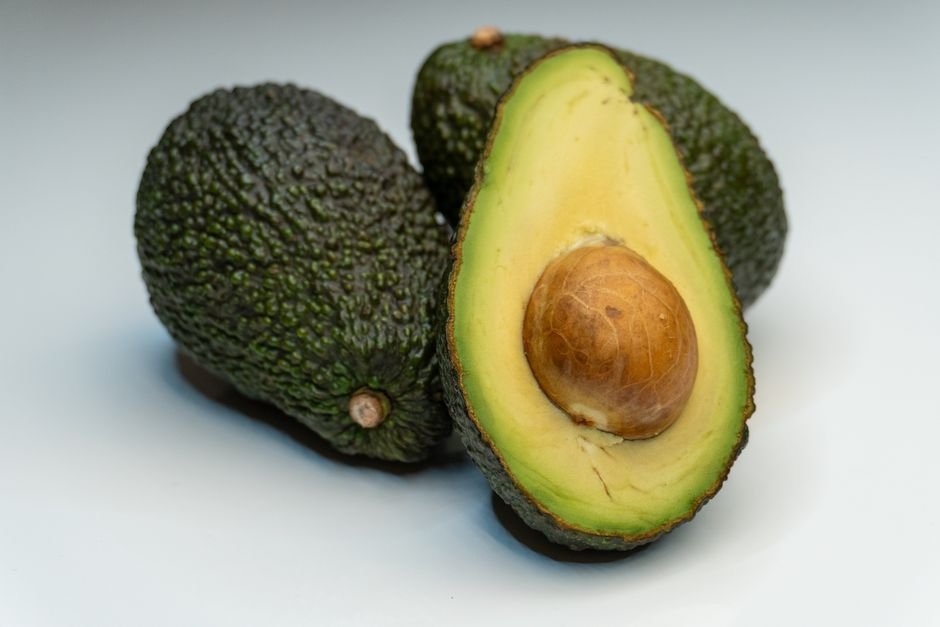
Is Avocado Good for Weight Loss?
Yes, avocado can support weight loss when portions are controlled. Despite being calorie-dense, its high fiber (7g per 100g) and fat content increase satiety, meaning you feel full longer and eat less overall. Studies show that people who eat avocado tend to consume fewer calories throughout the day. The monounsaturated fats also boost metabolism slightly and promote stable blood sugar. The key is treating avocado as a portion-controlled topping or side, not a meal filler.
Tips to Eat Avocado Without Gaining Weight:
- Measure by weight or count half-avocados: Use a kitchen scale or stick to defined portions (e.g., one-quarter or one-half) rather than eating straight from the pit.
- Replace higher-calorie fats: Swap mayo, sour cream, or oil-based dressings with mashed avocado to keep total fat intake balanced.
- Pair with protein: Combine avocado with eggs, fish, or Greek yogurt to amplify satiety and muscle preservation during weight loss.
- Avoid double-fat dishes: Skip avocado on already-oily foods (e.g., fries, fried fish). Choose it on grilled chicken, toast, or salads instead.
When portioned correctly, avocado is one of the easiest whole foods to include in a calorie deficit without triggering hunger or cravings.
How Portion Size Affects Calories
Avocado’s calorie density means small portion changes create noticeable calorie swings. A whole medium avocado contains 160 calories, but it’s easy to eat 1.5 or 2 avocados without realizing it—especially if sliced and sprinkled across multiple meals. Measuring by weight (grams) is far more accurate than eyeballing.
Example:
- One-quarter avocado (25g): 40 calories—perfect as a garnish or toast topping
- One whole large avocado (150g): 240 calories—equivalent to a snack-sized meal; easy to overeat in one sitting
Using a kitchen scale to weigh your avocado portion takes 10 seconds and eliminates guesswork on intake.
Best Way to Measure Avocado Accurately
Visual estimation is unreliable for avocado because density and water content vary by ripeness and variety. A 100g unripe avocado looks smaller than a 100g ripe one, making it easy to overestimate portion size. Digital scales and the USDA’s serving-size reference are your most accurate tools.
Options:
- Digital kitchen scale: Cut avocado in half, scoop flesh into a small bowl, and weigh to the nearest gram. Most accurate method.
- Measuring spoon/cup: One tablespoon of mashed avocado ≈ 15g (24 calories); one-quarter cup ≈ 40g (64 calories).
- Half/quarter avocado method: Assume a medium avocado = 160 calories; half = 80 calories; quarter = 40 calories. Works well for meal planning even if slightly approximate.
Calculate Your Exact Calorie Intake
If you’re tracking macros for weight loss, muscle gain, or diabetes management, knowing avocado’s exact contribution matters. One medium avocado delivers 160 calories plus 15g fat and 7g fiber—figures that shift your daily totals noticeably.
Our free AI nutrients calculator lets you log avocado and hundreds of other foods instantly, auto-calculating your daily calories, macros, and micronutrients. Simply enter your portion size in grams or ounces, and get a complete breakdown without manual math.
- Instant portion tracking: Log avocado by weight and see exactly how much you’ve eaten
- Macro balance: Monitor fat intake across your day to ensure avocado doesn’t overshadow your protein or carb targets
- Meal planning: Build full meals with avocado and see total nutrition before you cook, helping you stay on target
Use the free calculator to start tracking avocado intake and optimize your nutrition today.
Common Mistakes When Eating Avocado
Avocado is nutritious, but a few habits can silently inflate calorie and fat intake. Here are the most common pitfalls:
❌ Eating avocado straight from the skin without measuring—it’s easy to consume 1.5 avocados thinking you’ve had one, adding an unexpected 80 calories.
❌ Pairing avocado with high-fat condiments like mayo, sour cream, or oil-heavy dressing, doubling the fat content of a single meal.
❌ Buying pre-cut or pre-mashed avocado from the deli counter, which often contains additives and lemon juice that add sodium without nutritional benefit.
❌ Assuming all avocado is the same ripeness and size—a jumbo Hass avocado can contain 200+ calories, while a small one may be only 120 calories.
Avoiding these habits keeps avocado as a nutrient-dense, guilt-free addition to your diet.
FAQ
How many calories are in 100g of avocado?
A 100g serving of avocado contains 160 calories. This is a standard medium avocado and serves as the baseline for portion calculations.
Is avocado fattening?
Avocado is high in fat (15g per 100g) but not inherently fattening. The fat is mostly monounsaturated, which supports heart health and satiety. When portioned correctly, avocado is weight-loss–friendly. The calories add up quickly if you eat multiple avocados, so portion control is essential.
Can I eat avocado every day for weight loss?
Yes, you can eat avocado daily as part of a balanced diet. Stick to one-quarter to one-half of a medium avocado (40–80 calories) per day to avoid excess calorie intake. Pairing it with protein and vegetables ensures satiety and stable blood sugar.
How long does an avocado last once cut?
Cut avocado exposed to air browns within 1–2 hours due to oxidation. Store the cut half with the pit still attached, wrap in plastic wrap, and refrigerate; it will keep for 24–48 hours before browning significantly. Lemon or lime juice slows browning by a few hours.
Conclusion
Avocado is a nutrient-dense, calorie-conscious addition to any diet when portions are controlled. At 160 calories and 15g of healthy monounsaturated fat per 100g medium serving, avocado delivers exceptional satiety, fiber, and micronutrients like potassium and folate. Its low net-carb profile makes it ideal for low-carb and ketogenic eating, while its heart-healthy fat profile suits any balanced approach to nutrition.
Measure your portions using a kitchen scale, pair avocado with lean protein, and track intake with a reliable nutrition calculator to make the most of this fruit. Whether you’re losing weight, building muscle, or simply eating well, avocado earned its reputation as a modern nutrition staple—used mindfully, it supports your health goals without compromise.
