
Barley is one of the oldest cultivated grains, eaten across cultures from the Mediterranean to East Asia. It’s a staple in soups, pilafs, risottos, and breakfast porridges, valued equally by home cooks and nutritionists for its mild, nutty flavor and impressive nutrient density. Whether you’re managing weight, controlling blood sugar, or simply seeking a filling grain alternative, barley offers serious nutritional benefits.
Understanding how many calories are in barley—and how its fiber and protein content work in your body—is key to using this grain effectively in your diet. This guide covers the full nutrition profile, preparation methods, portion control, and common eating mistakes so you can make informed choices.
Calories in Barley (Quick Answer)
Here are typical calorie counts for common barley preparations:
- Cooked pearl barley (1 cup/157g): 193 calories
- Cooked hulled barley (1 cup/157g): 189 calories
- Dry pearl barley (1/4 cup/48g): 173 calories
Calorie values vary slightly depending on the processing method (pearl vs. hulled), moisture content after cooking, and brand. Always check package labels for product-specific data.
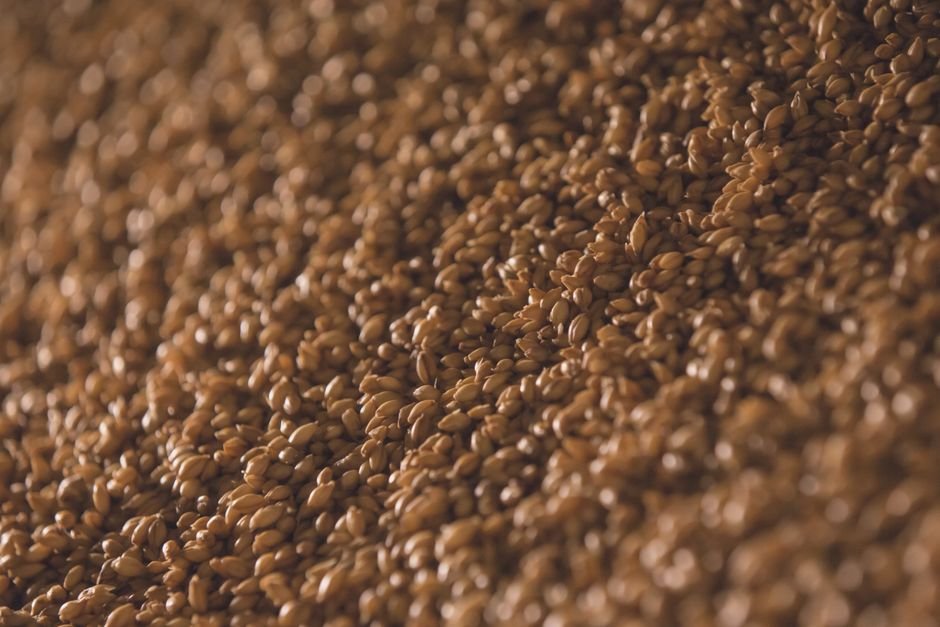
Full Nutrition Facts for 1 Cup of Cooked Pearl Barley
Pearl barley has had its outer husk and bran removed, making it softer and faster-cooking than hulled varieties. Here’s the complete nutritional breakdown for a standard one-cup serving:
| Nutrient | Amount | % Daily Value |
|---|---|---|
| Calories | 193 | — |
| Total Fat | 0.6 g | 1% |
| Saturated Fat | 0.1 g | <1% |
| Cholesterol | 0 mg | 0% |
| Sodium | 4 mg | <1% |
| Total Carbohydrate | 44 g | 15% |
| Dietary Fiber | 6 g | 21% |
| Total Sugars | 0.3 g | — |
| Protein | 3.6 g | 7% |
| Magnesium | 32 mg | 8% |
| Phosphorus | 99 mg | 8% |
| Manganese | 0.6 mg | 26% |
*Percent Daily Values are based on a 2,000-calorie diet. Source: USDA FoodData Central.
Key insight: Barley’s real strength is its 6g of dietary fiber per cup—about 21% of your daily need. That fiber is rich in beta-glucans, a soluble fiber that slows digestion, stabilizes blood sugar, and supports healthy cholesterol levels. For a grain that’s only 193 calories, this fiber content makes barley exceptionally satiating and metabolically beneficial.
Etekcity Food Scale
0.1g accuracy — the perfect companion for exact portions.
Pearl Barley vs. Hulled Barley: What’s the Difference?
Pearl Barley
- Has the outer husk and bran removed; softer and creamier texture
- Cooks faster (30–40 minutes) and requires less soaking
- Slightly lower fiber (6g per cup) but still a strong nutritional profile
Hulled Barley
- Retains the bran layer; nuttier flavor and chewier texture
- Takes longer to cook (60–90 minutes) and typically needs soaking
- Higher fiber content (8g per cup) and more micronutrients overall
Practical takeaway: If you want faster meal prep and gentler digestion, pearl barley is your go-to. If maximum fiber and micronutrients matter most—and you have time to cook—hulled barley is worth the extra effort. Both deliver excellent nutrition; choose based on your schedule and texture preference.
Is Barley Good for Weight Loss?
Yes, barley is an excellent choice for weight loss. At 193 calories per cooked cup with 6g of fiber and 3.6g of protein, it’s filling without being calorie-dense. The beta-glucan fiber in barley slows gastric emptying, which means you stay satisfied longer after eating—directly reducing overall calorie intake and snacking urges. Studies show that beta-glucan-rich grains also improve blood sugar control, reducing energy crashes and cravings.
Tips to Eat Barley Without Gaining Weight:
- Keep portions to 1 cup cooked: This is about 193 calories. Measure with a standard cup to avoid portion creep.
- Pair with protein and vegetables: Add grilled chicken, legumes, or roasted vegetables to create a balanced, complete meal that maximizes satiety.
- Avoid cream-based sauces: Stick to olive oil, broth-based, or tomato-based dressings instead of cream, which adds 100+ calories per serving.
- Choose hulled barley for extra fiber: The higher fiber content increases fullness, making it even harder to overeat.
Used this way, barley becomes a weight-loss ally rather than a burden. Its low glycemic index and high satiety index make it ideal for long-term, sustainable eating patterns.
How Portion Size Affects Calories
Portion size dramatically changes the calorie impact of barley. Because cooked grains expand significantly when water is absorbed, a small misstep in measuring can easily add 50–100 extra calories to your meal. Using a kitchen scale or standard measuring cup ensures consistent portions and makes calorie tracking accurate.
Example:
- 1 cup cooked pearl barley: 193 calories, 6g fiber
- 2 cups cooked pearl barley: 386 calories, 12g fiber
This illustrates why casual “handfuls” of cooked barley can undermine weight loss goals. Stick to measured portions.
Best Way to Measure Barley Accurately
Accurate measurement is crucial because barley’s calorie density changes as it absorbs water during cooking. Dry barley is roughly 2.5 times more calorie-dense than cooked barley, so measuring after cooking gives a true picture of what you’re eating. A digital kitchen scale is the gold standard for precision, especially if you’re tracking macros or calories carefully.
Options:
- Digital kitchen scale: Weigh cooked barley (1 cup ≈ 157g). Most accurate method; removes guesswork.
- Standard measuring cup: Fill a 1-cup measure and level with a knife. Quick and practical for everyday cooking.
- Dry measurement then calculate: Measure dry barley before cooking (typically 1/4 cup dry = 1 cup cooked), then calculate calories. Works if you follow a consistent water-to-grain ratio.
Calculate Your Exact Calorie Intake
If barley is a regular part of your diet, knowing its exact calorie and nutrient contribution matters—especially if you’re tracking macros for muscle gain, weight loss, or disease management. A one-cup serving fits easily into most meal plans, but adding other ingredients (oils, proteins, vegetables) changes the total nutritional picture.
Use a free AI-powered nutrients calculator to input your full meal—barley plus all toppings and dressings—and see exact calorie, protein, fiber, and micronutrient totals. This tool takes the guesswork out of nutrition planning.
- Get instant, accurate macro breakdowns for any barley-based meal
- Track how barley fits into your daily calorie and nutrient targets
- Adjust portions and ingredients in real-time to hit your goals
Common Mistakes When Eating Barley
Even a nutrient-dense grain like barley can sabotage your health goals if eaten incorrectly. Here are the most common pitfalls:
❌ Eyeballing portions instead of measuring. A “handful” or “scoop” of cooked barley can easily be 1.5–2 cups, doubling the calories you intend to eat.
❌ Adding excessive oil or butter during cooking. Barley cooks in water or broth naturally; added fats contribute 120+ calories per tablespoon.
❌ Assuming all “barley products” are created equal. Barley flour, instant barley packets, and pearled barley have different fiber and nutrient profiles—always check labels.
❌ Cooking once and eating throughout the week without accounting for water loss. Reheated or dried-out barley becomes more calorie-dense by weight.
Awareness of these mistakes helps you use barley as the nutritional powerhouse it is.
FAQ
How many calories are in 100g of barley?
Cooked pearl barley contains approximately 123 calories per 100g. Dry barley is much more calorie-dense at around 360 calories per 100g. Always note whether you’re measuring cooked or dry.
Is barley fattening?
No. Barley is low in fat (0.6g per cup) and rich in fiber, making it satiating without promoting weight gain. It’s an excellent choice for weight management when portion-controlled.
Does barley have gluten?
Yes, barley contains gluten and is not safe for those with celiac disease or gluten sensitivity. People with wheat allergy can sometimes tolerate barley, but always consult a doctor first.
How much fiber does barley have compared to brown rice?
Cooked pearl barley has 6g fiber per cup, while cooked brown rice has only 3.5g. Hulled barley has even more at 8g per cup, making it a superior choice for fiber intake and digestive health.
Conclusion
Barley is a low-calorie, high-fiber whole grain that deserves a regular place in a balanced diet. At 193 calories per cooked cup with 6g of fiber and virtually no fat, it supports satiety, blood sugar stability, and sustainable weight loss. Whether you choose pearl or hulled varieties depends on your cooking time and fiber goals—both are nutritionally excellent options.
To maximize barley’s benefits, measure portions consistently, pair it with protein and vegetables, and avoid high-calorie additions like cream and excessive oil. For precise tracking of how barley fits into your daily nutrition, use a reliable nutrients calculator to account for all ingredients in your meal. This evidence-based approach transforms barley from a simple carb into a strategic nutritional tool.
