
Fennel is a crisp, mildly sweet vegetable popular in Mediterranean and Asian cuisines, prized for its delicate anise-like flavor and crunchy texture. It’s a staple for those pursuing weight loss, managing blood sugar, or simply looking to add nutrient-dense vegetables to their diet.
But how many calories are actually in fennel? This article breaks down the complete nutrition profile of fennel, explains how preparation method affects its calorie content, and provides practical guidance for incorporating it into a healthy eating plan.
Calories in Fennel (Quick Answer)
Here’s what you’re looking at for fennel across common preparations:
- Raw fennel bulb: 27 calories per 100g
- Raw fennel bulb (1 medium bulb, ~234g): 63 calories
- Cooked fennel bulb: 17 calories per 100g
Calorie values can vary slightly depending on variety, soil quality, and exact size of the bulb.
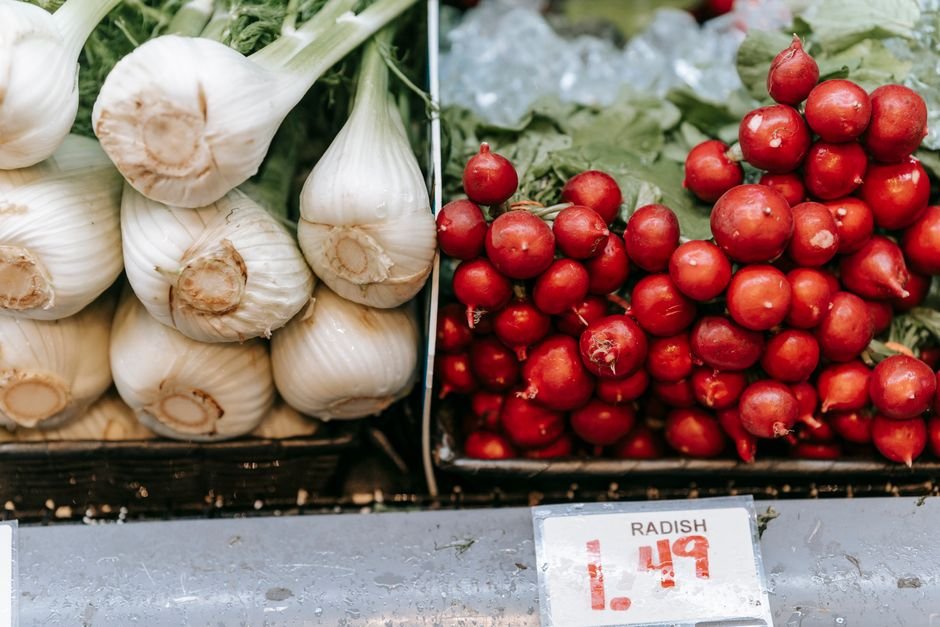
Full Nutrition Facts for 100g of Raw Fennel Bulb
Fennel is an exceptionally low-calorie, nutrient-dense vegetable with impressive amounts of fiber and vitamin C. Here’s the complete breakdown:
| Nutrient | Amount | % Daily Value |
|---|---|---|
| Calories | 27 | — |
| Total Fat | 0.2g | <1% |
| Saturated Fat | 0.04g | <1% |
| Cholesterol | 0mg | 0% |
| Sodium | 52mg | 2% |
| Total Carbohydrate | 6.3g | 2% |
| Dietary Fiber | 2.7g | 11% |
| Total Sugars | 1.5g | — |
| Protein | 0.9g | 2% |
| Vitamin C | 12.3mg | 20% |
| Potassium | 414mg | 12% |
| Folate | 27μg | 7% |
*Percent Daily Values are based on a 2,000-calorie diet. Source: USDA FoodData Central.
Key insight: Fennel’s standout feature is its fiber-to-calorie ratio. With 2.7g of fiber in just 27 calories per 100g, fennel provides significant digestive benefits and satiety with virtually no impact on daily calorie totals. The fiber content also helps stabilize blood sugar, making fennel particularly valuable for anyone managing diabetes or prediabetes.
Etekcity Food Scale
0.1g accuracy — the perfect companion for exact portions.
Raw Fennel vs. Cooked Fennel: Which Should You Choose?
Raw Fennel Bulb
- 27 calories per 100g; retains maximum vitamin C content
- Crisp, crunchy texture; sharper anise flavor; excellent in salads and slaws
- Retains all dietary fiber; no nutrient loss from heat
Cooked Fennel Bulb
- 17 calories per 100g; slight vitamin C loss (around 25%) due to heat
- Soft, tender texture; sweeter, milder flavor when roasted or braised
- Fiber remains intact; easier to digest for sensitive stomachs
Practical takeaway: Choose raw fennel when you want maximum fiber, vitamin content, and a satisfying crunch in salads or slaws. Opt for cooked fennel when you prefer a milder flavor, softer texture, or easier digestion—roasting brings out natural sweetness and pairs beautifully with olive oil and lemon. Both options are equally low in calories and excellent for weight loss; your choice should depend on your meal context and taste preference.
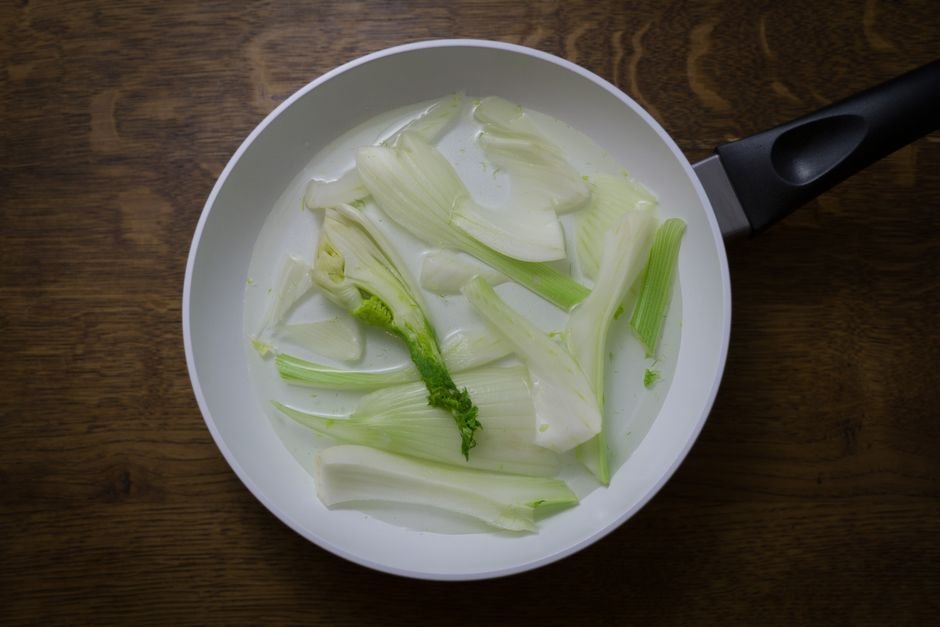
Is Fennel Good for Weight Loss?
Yes, fennel is an excellent choice for weight loss. At just 27 calories per 100g raw, fennel is one of the lowest-calorie vegetables available. Its high fiber content (2.7g per 100g) promotes satiety, helping you feel fuller longer on fewer calories. The vegetable is also naturally fat-free, cholesterol-free, and requires minimal preparation, making it an easy addition to any calorie-controlled diet.
Tips to Eat Fennel Without Gaining Weight:
- Eat it raw or steamed without added fats; if roasting, use a light misting of olive oil spray rather than drizzling
- Pair fennel with lean proteins (chicken, fish, tofu) to create filling, balanced meals without excess calories
- Use fennel in broth-based soups rather than creamy ones to keep calorie density low
- Avoid fennel chips or candied fennel products, which add sugar and fat and can exceed 200+ calories per serving
When prepared simply—raw, steamed, or roasted with minimal oil—fennel is a weight-loss-friendly vegetable that delivers nutrition without compromise.
How Portion Size Affects Calories
Because fennel is so low in calories, portion size is rarely a concern for weight management. However, understanding portions helps you track intake accurately and plan balanced meals. A medium fennel bulb weighs roughly 234g and contains about 63 calories—you’d need to eat nearly four medium bulbs to reach 250 calories.
Example:
- Small portion: 1 cup raw fennel slices (~67g) = 18 calories
- Large portion: 1 medium whole bulb (~234g) = 63 calories
Even generous servings remain negligible in calorie terms, so fennel is ideal for those who prefer volume without calorie guilt.
Best Way to Measure Fennel Accurately
For precise nutrition tracking, weighing fennel on a kitchen scale is the most accurate method. If you don’t have a scale, volume measurements (cups) offer a reasonable approximation, though they’re less precise because fennel bulbs vary in density depending on how tightly packed they are. For meal planning, one medium-to-large fennel bulb makes a generous serving for one person.
Options:
- Kitchen scale (most accurate): Weigh trimmed fennel bulb in grams; use USDA data for per-gram calculations
- Volume measurement: Use measuring cups; 1 cup raw fennel slices ≈ 67g ≈ 18 calories
- Whole bulb estimation: One medium fennel bulb ≈ 234g ≈ 63 calories; adjust up or down based on visible size
Calculate Your Exact Calorie Intake
Fennel is straightforward to track because its calorie density is so low, but if you’re building a comprehensive nutrition plan or tracking multiple foods in one meal, precision matters. What are your actual daily calorie and macro targets?
Our free AI nutrients calculator can help you determine exact calorie intake for fennel and any other foods you eat, factored into your total daily consumption. This tool removes guesswork and helps you stay accountable to your nutritional goals.
- Get precise calorie counts for any serving size you enter
- Track macros (protein, carbs, fat) across all meals at once
- Adjust portions in real-time to hit your daily targets
Try the free nutrients calculator to take control of your nutrition tracking.
Common Mistakes When Eating Fennel
Even though fennel is nutrient-dense and low-calorie, a few common eating mistakes can undermine its health benefits:
❌ Roasting fennel in excessive olive oil or butter, turning a 27-calorie vegetable into a 150+ calorie side dish. Use a light spray or just 1 teaspoon of oil per serving instead.
❌ Assuming fennel seeds and fennel bulb have the same nutrition. Fennel seeds are concentrated and calorie-dense (345 calories per 100g), while the bulb is nearly calorie-free. Check what you’re buying.
❌ Pairing raw fennel only with creamy or oil-based dressings. A 2-tablespoon serving of ranch dressing (150 calories) negates the benefit of a large fennel salad. Use lemon juice, vinegar, or light dressings instead.
❌ Discarding the leafy fronds, which are edible and nutritious. These tender tops can be chopped into salads, soups, or used as garnish, adding minimal calories and a delicate anise flavor.
These small adjustments preserve fennel’s nutritional advantage without requiring any sacrifice in flavor or satisfaction.
FAQ
How many calories are in 100g of fennel?
Raw fennel bulb contains 27 calories per 100g. Cooked fennel has about 17 calories per 100g due to water loss during cooking.
Is fennel fattening?
No. Fennel is one of the leanest vegetables available—it’s virtually fat-free (0.2g per 100g), cholesterol-free, and contains only 27 calories per 100g. It’s an ideal food for weight loss and weight maintenance.
Can I eat fennel every day?
Yes, fennel is safe to eat daily. It’s nutrient-dense, low in calories, and provides beneficial fiber. There are no known adverse effects from regular fennel consumption for most people, though those with certain hormonal conditions should consult their doctor about fennel seed consumption (the seeds, not the bulb, contain phytoestrogens).
What’s the best way to cook fennel to preserve nutrition?
Steaming or roasting at moderate temperatures (around 400°F) preserves most nutrients while softening the fennel. Boiling fennel in water causes some water-soluble vitamins (like vitamin C) to leach away, so minimize boiling time if you choose that method. Raw consumption preserves 100% of nutrients.
Conclusion
Fennel is an exceptional nutritional bargain: just 27 calories per 100g, zero fat, zero cholesterol, and 2.7g of fiber in every serving. Its vitamin C, potassium, and folate content support immune function, heart health, and cell growth, while its low calorie density makes it an automatic choice for anyone managing weight or blood sugar. Whether you eat it raw, steamed, or roasted, fennel delivers maximum nutrition with minimal caloric impact.
The key to getting the most from fennel is keeping preparation simple—raw in salads, lightly steamed, or roasted with minimal oil. Track your total intake using a reliable tool like a nutrients calculator to understand how fennel fits into your daily diet, and you’ll find it becomes a dietary staple for life.
