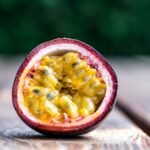
Calories in grapes: 13 calories per 1 cup (14 g)
- 0.8 g protein
- 2.4 g carbs
- 0.3 g fat
- 1.5 g fiber
Source: USDA FoodData Central · 93 kcal per 100 g
One cup (14 g) of raw grapes has 13 calories in the USDA record used here, so calories in grapes are low per cup. The per-cup figure is small, but the 100 g column shows the full picture: 93 calories, 17 g of carbohydrate and 6.3 g of total sugars.
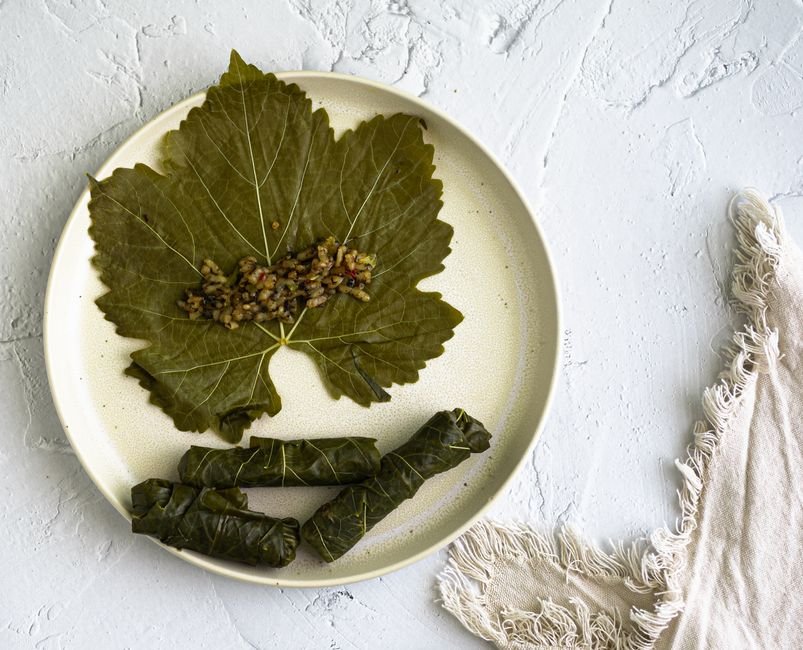
The USDA record behind this page is for grape leaves, not the fruit. That matters because the leaves are a different food with a different profile. Their standout number is fiber: 11 g per 100 g, and 1.5 g in a single cup.

Calories in Grapes by Serving Size
Calories in grapes for each common serving, with protein, carbs and fat:
| Serving | Calories | Protein | Carbs | Fat |
|---|---|---|---|---|
| 1 cup (14 g) | 13 | 0.8 g | 2.4 g | 0.3 g |
| 1 leaf (3 g) | 3 | 0.2 g | 0.5 g | 0.1 g |
| 100 g | 93 | 5.6 g | 17 g | 2.1 g |
| 1 oz | 26 | 1.6 g | 4.9 g | 0.6 g |
Grapes Nutrition Facts
Calories in grapes and the full nutrition facts per 1 cup (14 g):
| Nutrient | Amount | % Daily Value* |
|---|---|---|
| Calories | 13 kcal | |
| Protein | 0.8 g | 2% |
| Total Fat | 0.3 g | 0% |
| Saturated Fat | 0 g | 0% |
| Cholesterol | 0 mg | 0% |
| Sodium | 1.3 mg | 0% |
| Total Carbohydrate | 2.4 g | 1% |
| Dietary Fiber | 1.5 g | 6% |
| Total Sugars | 0.9 g | |
| Calcium | 51 mg | 4% |
| Iron | 0.4 mg | 2% |
| Potassium | 38 mg | 1% |
| Magnesium | 13 mg | 3% |
| Zinc | 0.1 mg | 1% |
| Phosphorus | 13 mg | 1% |
| Selenium | 0.1 mcg | 0% |
| Vitamin A (RAE) | 193 mcg | 21% |
| Vitamin C | 1.6 mg | 2% |
| Vitamin E | 0.3 mg | 2% |
| Vitamin K | 15 mcg | 13% |
| Thiamin (B1) | 0 mg | 0% |
| Riboflavin (B2) | 0 mg | 4% |
| Niacin (B3) | 0.3 mg | 2% |
| Vitamin B6 | 0.1 mg | 3% |
| Folate (DFE) | 12 mcg | 3% |
Where the calories come from: 63% carbs · 20% protein · 17% fat
*Percent Daily Values are based on a 2,000-calorie diet (FDA reference values). Source: USDA FoodData Central — Grape leaves, raw (FDC ID 168575, SR Legacy, published 4/1/2019). Values for other servings are calculated from the per-100 g data.
Why the Cup and 100 G Numbers Look So Different
A cup of this food weighs only 14 g, so its numbers are small. The 100 g column gives a more useful comparison because it puts every nutrient on the same basis. At 100 g you get 93 calories, 5.6 g of protein, 17 g of carbohydrate and 2.1 g of fat.
The calorie split is mostly carbohydrate. The data shows about 63% of calories from carbs, 20% from protein and 17% from fat. Most of the weight is water, at 73 g per 100 g.
What Stands Out in the Nutrients
The most notable values in this record are the vitamin A and vitamin K figures. One cup provides 193 mcg of vitamin A (21% DV) and 15 mcg of vitamin K (13% DV). Per 100 g, vitamin A is 1376 mcg and vitamin K is 109 mcg.
- Fiber: 11 g per 100 g, 1.5 g per cup (6% DV)
- Calcium: 363 mg per 100 g, 51 mg per cup (4% DV)
- Vitamin C: 11 mg per 100 g, 1.6 mg per cup (2% DV)
- Sodium: 9 mg per 100 g, 1.3 mg per cup
Saturated fat is 0.3 g per 100 g.
Who Should Pay Attention to This Food
That makes this record a poor fit for anyone who needs to track sodium closely only if they are eating large amounts, which is unlikely in a normal serving.
Anyone counting sugar should note that the 100 g figure is 6.3 g of total sugars, and the cup figure is 0.9 g. Those numbers are for the leaves in this record, so check the label or a fruit-specific entry if you are tracking actual table grapes.
How Grapes Compares
Per 100 g, next to similar foods in our database:
| Food (100 g) | Calories | Protein | Carbs | Fat |
|---|---|---|---|---|
| Grapes | 93 | 5.6 g | 17 g | 2.1 g |
| Pineapple Chunks | 86 | 0.4 g | 22 g | 0.1 g |
| Breadfruit | 103 | 1.1 g | 27 g | 0.2 g |
| Ginger Root | 80 | 1.8 g | 18 g | 0.8 g |
| Pumpkin Flesh | 77 | 2.1 g | 17 g | 0.1 g |
| Mangosteen | 73 | 0.4 g | 18 g | 0.6 g |
Grapes FAQ
How many calories are in one leaf of grapes?
One leaf (3 g) has 3 calories, according to the USDA record used for this page. It provides 0.5 g of carbohydrate and 0.2 g of protein.
Are grape leaves high in fiber?
Per 100 g, the record shows 11 g of dietary fiber, which is a notable amount. One cup (14 g) provides 1.5 g, or 6% of the daily value.
How much vitamin A is in a cup?
One cup (14 g) provides 193 mcg of vitamin A, which is 21% of the daily value. Per 100 g the figure is 1376 mcg.
The Bottom Line
Per cup, this USDA record is low in calories and sodium, with 13 calories and 1.3 mg sodium. Its strongest numbers are fiber and vitamin A per 100 g, so check the source when tracking fruit grapes.