
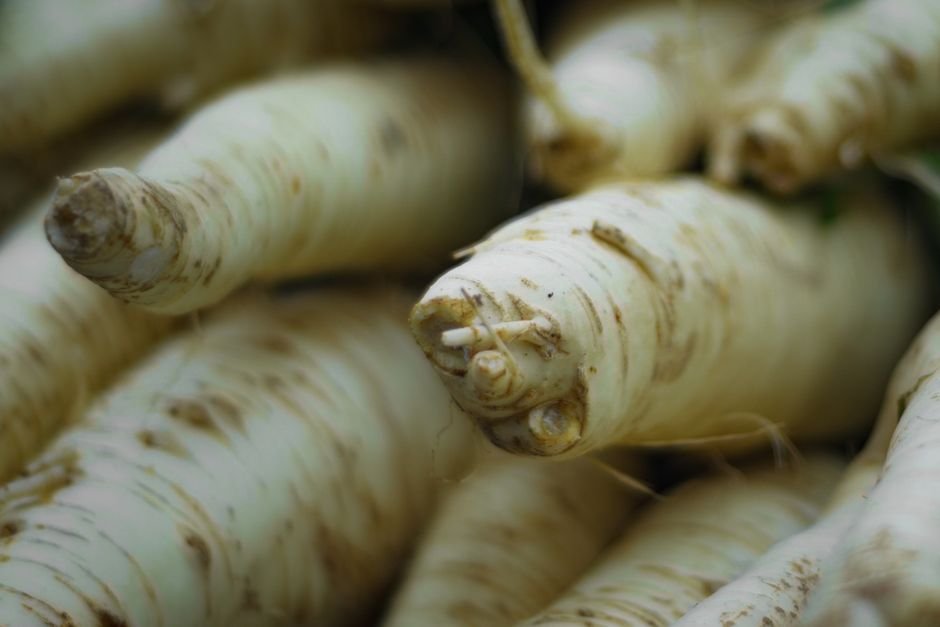
Parsnips are a starchy root vegetable popular in European and North American cuisines, often roasted as a side dish or used in soups and stews. They’re mild, slightly sweet, and versatile—appealing to people looking to add more vegetables to their diet, whether for weight loss, blood sugar management, or simply better nutrition.
If you’re planning meals or tracking your intake, knowing the calorie and nutrient content of parsnips is essential. This guide breaks down exactly how many calories are in parsnip at different serving sizes and preparation methods, plus what nutrients you’re actually getting.
Calories in Parsnip (Quick Answer)
Here are the most common serving sizes and their calorie counts:
- Raw parsnip, 1 medium (168g): 101 calories
- Raw parsnip, 100g: 75 calories
- Roasted parsnip, 1 cup (156g): 158 calories
Calorie content varies depending on how parsnips are cooked—boiling adds minimal calories, while roasting with oil increases them significantly.
Full Nutrition Facts for 100g of Raw Parsnip
A 100-gram serving of raw parsnip (roughly one small parsnip or 3/4 of a medium one) provides the following complete nutritional profile:
| Nutrient | Amount | % Daily Value |
|---|---|---|
| Calories | 75 | — |
| Total Fat | 0.3g | <1% |
| Saturated Fat | 0.1g | <1% |
| Cholesterol | 0mg | 0% |
| Sodium | 10mg | <1% |
| Total Carbohydrate | 17g | 6% |
| Dietary Fiber | 4.9g | 16% |
| Total Sugars | 4.2g | — |
| Protein | 1.2g | 2% |
| Vitamin C | 17mg | 28% |
| Potassium | 375mg | 8% |
| Folate | 67μg | 17% |
*Percent Daily Values are based on a 2,000-calorie diet. Source: USDA FoodData Central.
Key insight: Parsnips are high in dietary fiber relative to their calorie count, making them filling and supportive of digestive health. Their natural sweetness comes from sugars (not added), and they contain meaningful amounts of vitamin C and folate—nutrients many people don’t get enough of.

Etekcity Food Scale
0.1g accuracy — the perfect companion for exact portions.
Raw Parsnip vs. Roasted Parsnip: What Changes?
Raw Parsnip
- 75 calories per 100g; retains all fiber and water content
- Crisper texture; slightly earthy, sweet flavor
- Best eaten raw in salads or thinly sliced as a crudité
Roasted Parsnip
- 101 calories per 100g (when roasted with 1 tsp oil per 100g); moisture concentrates, sweetness intensifies
- Soft, caramelized texture; nutty, developed flavor
- Standard preparation for side dishes; oil content is the main caloric difference
Practical takeaway: If you’re watching calories, raw parsnips save about 25% compared to oil-roasted versions. Boiling or steaming parsnips keeps calories nearly identical to raw. Roasting is worth the slight caloric bump for flavor and satisfaction—just be mindful of how much oil you use.
Is Parsnip Good for Weight Loss?
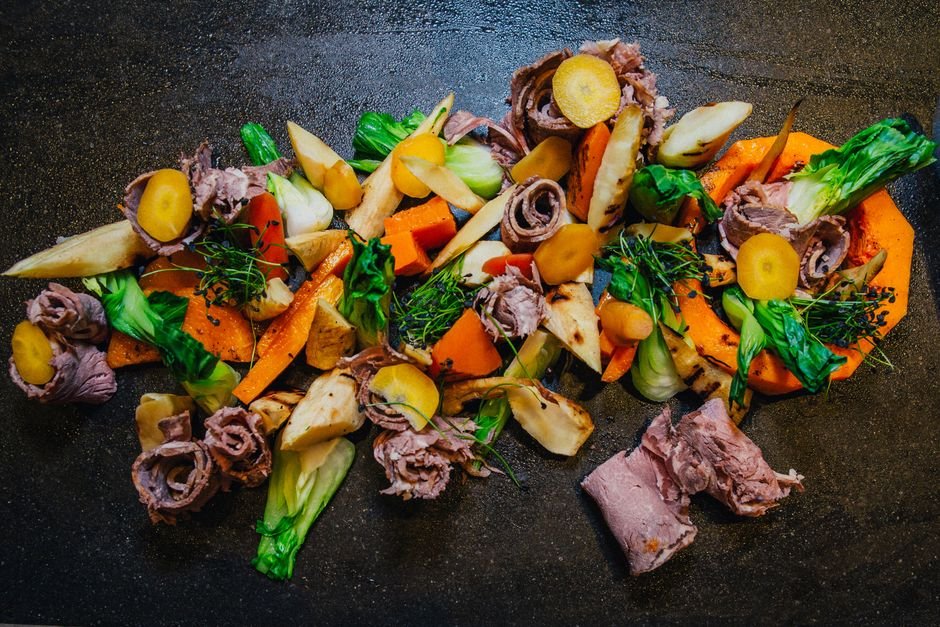
Yes, parsnips can support weight loss when prepared without excess fat. They’re low in calories, rich in fiber (which promotes satiety), and have a low energy density. At about 75 calories per 100g raw, you can eat a substantial portion without exceeding typical meal calorie targets. Their natural sweetness can also satisfy cravings without added sugar.
Tips to Eat Parsnip Without Gaining Weight:
- Boil, steam, or roast with just 1 teaspoon of oil per serving instead of 1–2 tablespoons
- Pair parsnips with protein (grilled chicken, fish, legumes) to build a balanced, satiating meal
- Eat the skin when possible—it contains extra fiber and nutrients
- Avoid glazing parsnips with honey, brown sugar, or maple syrup; roasting alone brings out natural sweetness
Parsnips are not inherently “weight loss foods,” but their nutrition profile—low fat, decent fiber, reasonable calories—makes them a smart addition to meals focused on whole vegetables rather than processed sides.
How Portion Size Affects Calories
Parsnip calories scale linearly with portion size. A medium parsnip (168g raw) provides about 101 calories; a large one (250g) approaches 188 calories. Most home portions fall between medium and large. Knowing your actual portion size prevents underestimating intake, especially if you’re roasting multiple parsnips together with oil.
Example:
- Small serving (100g raw): 75 calories
- Large serving (250g raw): 188 calories
Use a food scale to nail down your typical portions; eyeballing often results in underestimating by 20–30%.
Best Way to Measure Parsnip Accurately
The most accurate method is weighing raw parsnips on a digital food scale before cooking. If you don’t have a scale, use the medium-parsnip reference (about 168g, roughly the size of a carrot) as your standard. Cooked parsnips lose water weight, so measuring after cooking is less reliable for calorie estimation.
Options:
- Digital food scale (most accurate): Place parsnip on scale, zero it, record weight in grams
- Visual reference: 1 medium parsnip = 168g raw = ~101 calories; use this as a consistent benchmark
- Volume approximation: 1 cup chopped raw parsnip ≈ 150g; useful for recipes, though less precise than weight
Calculate Your Exact Calorie Intake
If parsnips are a regular part of your diet, knowing their exact calorie and nutrient contribution matters—especially if you’re managing weight, diabetes, or specific fitness goals. Tracking parsnips alone isn’t enough; you need to see how they fit into your overall daily intake.
Our free AI nutrients calculator takes the guesswork out of portion tracking. Enter your parsnip serving size, cooking method, and any oil or seasonings, and get instant calories, macros, and micronutrients. It works for any food combination, so you can build and analyze complete meals in seconds.
- Track calories and macros for your exact parsnip portion in seconds
- See micronutrient totals (fiber, potassium, vitamin C) for the whole meal
- Build custom recipes and log them for daily nutrition insights
Try our free AI nutrients calculator today.
Common Mistakes When Eating Parsnip
Even a healthy vegetable can contribute to unexpected calorie overage if prepared or portioned carelessly. Here are four mistakes to avoid:
❌ Using too much oil when roasting. A tablespoon of olive oil adds 120 calories to a serving; most people use 1–2 tablespoons without realizing it. Measure your oil or use an oil spray bottle.
❌ Eating roasted parsnips while underestimating their actual portion. Cooked vegetables shrink, so 3 cups of raw parsnips become 1 cup when roasted—making it easy to consume 2–3 servings without noticing.
❌ Forgetting that parsnips contain natural sugars. They’re higher in carbs than carrots (17g per 100g vs. 10g). If you’re managing blood sugar, account for parsnips as a starchy vegetable, not a free food.
❌ Pairing parsnips only with refined carbs or processed proteins. Roasted parsnips with buttered toast or fried nuggets unbalance the meal; pair them with whole grains and lean or plant proteins instead.
Mindful preparation and portion awareness make parsnips a straightforward, nutritious addition to any diet.
FAQ
How many calories are in 100g of parsnip?
A 100g serving of raw parsnip contains 75 calories. If roasted with a typical amount of oil, the same weight rises to approximately 101 calories.
Is parsnip fattening?
No. Parsnips are low in fat (0.3g per 100g raw) and calories (75 per 100g), making them a light vegetable option. They become calorie-denser only when cooked with excess oil; prepared simply, they support weight management.
Can parsnips raise blood sugar?
Parsnips are a starchy root vegetable with moderate carbs (17g per 100g raw). They have a medium glycemic index and raise blood sugar more than non-starchy vegetables (like broccoli) but less than white potatoes. People managing diabetes should count parsnips as a carbohydrate serving and pair them with protein and fat to minimize blood sugar spikes.
How much fiber does a parsnip have?
One medium raw parsnip (168g) provides approximately 8.2g of dietary fiber, which is about 32% of the daily recommended intake. This fiber aids digestion, promotes satiety, and supports stable blood sugar.
Conclusion
Parsnips are a nutrient-dense, low-calorie vegetable rich in fiber, vitamin C, and potassium. At 75 calories per 100g raw, they’re an excellent choice for weight loss and general health. Their natural sweetness satisfies cravings without added sugar, and their fiber content promotes digestive and metabolic health. Whether boiled, steamed, or roasted, parsnips fit comfortably into balanced, calorie-conscious meals.
The key to making parsnips work for your goals is accurate portion tracking and mindful preparation—skip excessive oil, pair them with protein, and measure your servings. For a complete picture of your daily nutrition, use a reliable nutrients calculator to log parsnips alongside your other foods and ensure you’re meeting your targets.
