Calories in provolone: 98 calories per 1 slice (28 g)
- 7.2 g protein
- 0.6 g carbs
- 7.5 g fat
Source: USDA FoodData Central · 351 kcal per 100 g
One 1-ounce slice of provolone (28 g) has 98 calories in the USDA record, so a slice lands near 100 calories in provolone. Most of those calories come from fat, and the slice also delivers 7.2 g of protein.
What stands out is how little carbohydrate provolone contains: 0.6 g per slice and 0 g of fiber. Its sodium is high for a small portion, at 204 mg per slice, and it is a strong source of calcium at 212 mg.

Calories in Provolone by Serving Size
Calories in provolone for each common serving, with protein, carbs and fat:
| Serving | Calories | Protein | Carbs | Fat |
|---|---|---|---|---|
| 1 slice (1 oz) (28 g) | 98 | 7.2 g | 0.6 g | 7.5 g |
| 1 cup, diced (132 g) | 463 | 34 g | 2.8 g | 35 g |
| 1 oz | 100 | 7.3 g | 0.6 g | 7.6 g |
| 1 cubic inch (17 g) | 60 | 4.3 g | 0.4 g | 4.5 g |
| 1 package (6 oz) (170 g) | 597 | 43 g | 3.6 g | 45 g |
| 100 g | 351 | 26 g | 2.1 g | 27 g |
Provolone Nutrition Facts
Calories in provolone and the full nutrition facts per 1 slice (1 oz) (28 g):
| Nutrient | Amount | % Daily Value* |
|---|---|---|
| Calories | 98 kcal | |
| Protein | 7.2 g | 14% |
| Total Fat | 7.5 g | 10% |
| Saturated Fat | 4.8 g | 24% |
| Cholesterol | 19 mg | 6% |
| Sodium | 204 mg | 9% |
| Total Carbohydrate | 0.6 g | 0% |
| Dietary Fiber | 0 g | 0% |
| Total Sugars | 0.2 g | |
| Vitamin D | 0.1 mcg | 1% |
| Calcium | 212 mg | 16% |
| Iron | 0.1 mg | 1% |
| Potassium | 39 mg | 1% |
| Magnesium | 7.8 mg | 2% |
| Zinc | 0.9 mg | 8% |
| Phosphorus | 139 mg | 11% |
| Selenium | 4.1 mcg | 7% |
| Vitamin A (RAE) | 66 mcg | 7% |
| Vitamin E | 0.1 mg | 0% |
| Vitamin K | 0.6 mcg | 1% |
| Thiamin (B1) | 0 mg | 0% |
| Riboflavin (B2) | 0.1 mg | 7% |
| Niacin (B3) | 0 mg | 0% |
| Vitamin B6 | 0 mg | 1% |
| Folate (DFE) | 2.8 mcg | 1% |
| Vitamin B12 | 0.4 mcg | 17% |
Where the calories come from: 68% fat · 29% protein · 2% carbs
*Percent Daily Values are based on a 2,000-calorie diet (FDA reference values). Source: USDA FoodData Central — Cheese, provolone (FDC ID 170850, SR Legacy, published 4/1/2019). Values for other servings are calculated from the per-100 g data.
How Many Calories Are in a Slice of Provolone Compared to a Cube?
The USDA record lists provolone in several portions, and the size you cut changes the total quickly. One 1-ounce slice is 98 calories. A cubic inch, which is 17 g, comes to 60 calories. A 1-ounce serving is listed at 100 calories, so the slice and the ounce are close, but the slice is the lead serving on this page.
If you cut cubes for a snack or a platter, count by weight rather than by piece. Cubes vary in size, and a few extra pieces add up. The record also lists a 6-ounce package at 597 calories, which is useful if you are portioning out a whole package at once.
Why Provolone Is So High in Fat and Saturated Fat
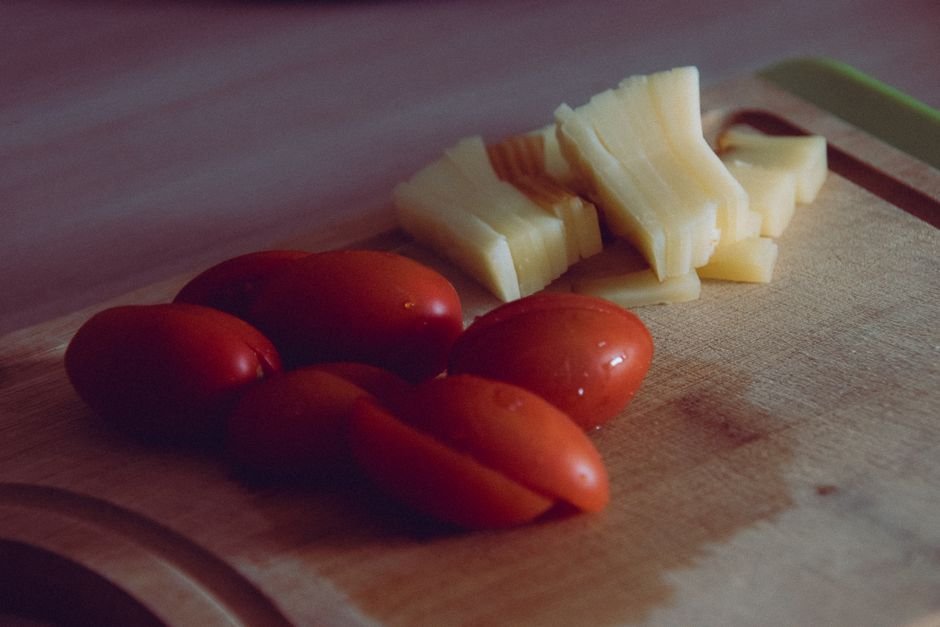
Fat supplies 68% of provolone’s calories in this record, and protein supplies 29%. Carbohydrate is negligible at 2%. A single slice has 7.5 g of total fat and 4.8 g of saturated fat, which is 24% of the Daily Value for saturated fat.
Because the saturated fat share is large, people who track saturated fat will find that a few slices add up faster than the calorie count suggests. Pairing a slice with vegetables or whole fruit keeps the protein and calcium while adding little to the fat total.
Is Provolone High in Sodium?
Yes, for a small food. The lead slice has 204 mg of sodium, or 9% of the Daily Value. Per 100 g, the record shows 727 mg, so sodium is concentrated in aged and processed cheeses like this one.
If you eat provolone on sandwiches with cured meats or salty bread, the sodium total climbs fast. Major dietary guidelines from the U.S. government recommend limiting sodium, so it helps to count cheese as part of the day’s total rather than as a neutral add-on.
What Provolone Offers Nutritionally
Per slice, provolone supplies 212 mg of calcium, 139 mg of phosphorus, and 0.4 mcg of vitamin B12, which is 17% of the Daily Value. It also has 66 mcg of vitamin A (RAE) and 0.6 mcg of vitamin K.
- Protein: 7.2 g per slice, 14% DV
- Calcium: 212 mg per slice, 16% DV
- Vitamin B12: 0.4 mcg per slice, 17% DV
- Fiber and vitamin C: 0 g and 0 mg
Provolone has no fiber and no vitamin C, so it works best alongside plant foods that supply those nutrients.
How Provolone Compares
Per 100 g, next to similar foods in our database:
| Food (100 g) | Calories | Protein | Carbs | Fat |
|---|---|---|---|---|
| Provolone | 351 | 26 g | 2.1 g | 27 g |
| Mozzarella Pearls | 352 | 9.9 g | 78 g | 1.2 g |
| Cream Cheese Full Fat | 337 | 5.8 g | 4.6 g | 33 g |
| Brie Cheese | 334 | 21 g | 0.5 g | 28 g |
| Coconut Cream | 330 | 3.6 g | 6.7 g | 35 g |
| Pecorino Romano | 387 | 32 g | 3.6 g | 27 g |
Provolone FAQ
How many calories are in 100 grams of provolone?
The USDA record lists 351 kcal per 100 g of provolone, with 26 g of protein and 27 g of total fat. That is about 3.5 times the calories of the 28 g lead slice, so use the slice figure for everyday portions.
Does provolone have any sugar or carbs?
Very little. The lead slice has 0.6 g of total carbohydrate and 0.2 g of total sugars, with no fiber. Provolone is a low-carbohydrate food by any standard.
How much protein is in a slice of provolone?
One 1-ounce slice provides 7.2 g of protein, which is 14% of the Daily Value. A 6-ounce package contains 43 g of protein.
The Bottom Line
A 1-ounce slice of provolone has 98 calories, mostly from fat, with 7.2 g of protein and 204 mg of sodium. Count slices or weigh cubes, and keep sodium and saturated fat in mind if you eat it often.