
Strawberries are one of the most popular berries worldwide, enjoyed fresh, frozen, or in countless recipes from breakfast smoothies to desserts. They’re a staple in summer diets and feature prominently in weight-loss plans, diabetes management, and general healthy eating—thanks to their low calorie count and high antioxidant content. Whether you’re tracking calories for fitness goals or simply curious about what you’re eating, understanding strawberry nutrition is essential.
But how many calories are actually in strawberries? And what’s their full nutritional breakdown? This guide covers everything you need to know: calorie counts for different serving sizes, complete nutrition facts, practical eating tips, and strategies for incorporating strawberries into your diet without derailing your health goals.
Calories in Strawberries (Quick Answer)
A medium strawberry contains roughly 4 calories, making them one of the lowest-calorie fruits you can eat.
- 1 cup (152g) raw strawberries: 49 calories
- 100g raw strawberries: 32 calories
- 1 large strawberry (17g): 5 calories
Calorie counts vary slightly based on ripeness and size; larger, fully ripe berries contain marginally more natural sugars and calories than smaller, less mature ones.
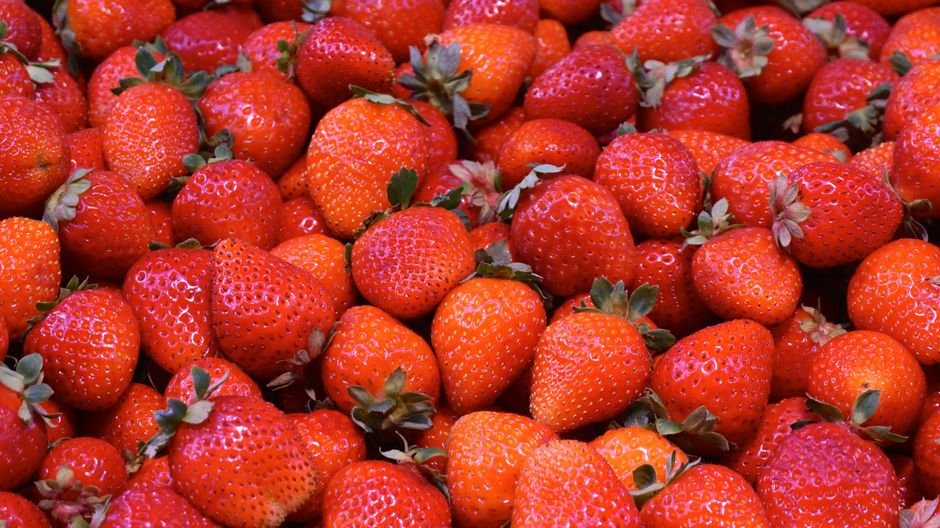
Full Nutrition Facts for 1 Cup (152g) of Raw Strawberries
One cup of fresh, raw strawberries provides a dense package of vitamins and fiber with minimal caloric density—making them ideal for weight management and overall health.
| Nutrient | Amount | % Daily Value |
|---|---|---|
| Calories | 49 | 2% |
| Total Fat | 0.5g | 1% |
| Saturated Fat | 0g | 0% |
| Cholesterol | 0mg | 0% |
| Sodium | 2mg | 0% |
| Total Carbohydrate | 12g | 4% |
| Dietary Fiber | 3g | 11% |
| Total Sugars | 7g | |
| Protein | 1g | 2% |
| Vitamin C | 97mg | 161% |
| Folate (B9) | 40mcg | 10% |
| Potassium | 254mg | 7% |
*Percent Daily Values are based on a 2,000-calorie diet. Source: USDA FoodData Central.
Key insight: Strawberries deliver 161% of your daily vitamin C requirement in just one cup, plus 3g of fiber—nearly all from their natural composition and minimal processing. This exceptional vitamin C density supports immune function and collagen formation, while the fiber aids digestive regularity and satiety on very few calories. The sugar content (7g per cup) is naturally occurring fructose, not added sugar, making strawberries far more nutritious than processed alternatives.
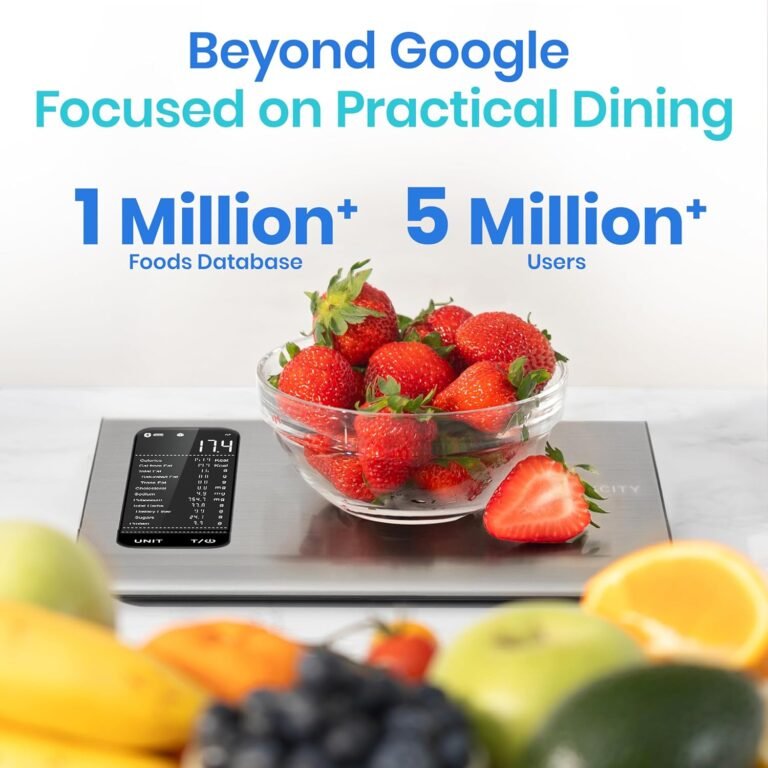
Etekcity Food Scale
0.1g accuracy — the perfect companion for exact portions.
Fresh Raw Strawberries vs. Strawberry Jam: Nutritional Comparison
Fresh Raw Strawberries (1 cup, 152g)
- Calories: 49 calories—minimal caloric impact for generous portions
- Fiber: 3g per cup aids digestion and prolongs satiety
- Added sugar: None—only 7g natural sugar from the fruit itself
Strawberry Jam (2 tablespoons, 32g)
- Calories: 110 calories—more than double a full cup of fresh berries
- Fiber: <1g due to processing and pectin extraction
- Added sugar: 25g+ from added sugar plus natural fruit sugars
Practical takeaway: If you’re watching calories or managing blood sugar, fresh strawberries are vastly superior to jam. Jam concentrates natural sugars and adds refined sugar, delivering three times the calories in a smaller portion with minimal fiber benefit. Eating whole strawberries keeps you fuller longer and provides maximum micronutrient density per calorie.

Is Strawberry Good for Weight Loss?
Yes—strawberries are excellent for weight loss. With only 32 calories per 100g and 3g of fiber per cup, they satisfy cravings with minimal caloric cost. Their low glycemic index prevents blood sugar spikes that trigger hunger, while their high water content (91% of their weight) creates fullness without excess calories. You could eat two cups of strawberries for the same calories as a single slice of bread, making them an ideal swap for higher-calorie snacks.
Tips to Eat Strawberries Without Gaining Weight:
- Skip the whipped cream and sugar: Eat strawberries plain or with plain yogurt instead of sweetened toppings that multiply the calorie count.
- Measure jam and chocolate carefully: If you use strawberries in desserts, weigh added ingredients separately—the berries themselves won’t derail your goals.
- Choose fresh over frozen in syrup: Frozen strawberries in sugar syrup can contain 2–3 times the calories of fresh or frozen unsweetened versions.
- Use as volume in mixed meals: Add strawberries to oatmeal, salads, or smoothie bowls to increase meal size without significantly raising calories.
Strawberries fit naturally into any calorie deficit because their nutrient density is so high relative to their energy content. You never need to restrict them or feel guilty eating them.
How Portion Size Affects Calories
Strawberry portions scale linearly with calories, so understanding standard measurements helps you track accurately. A single medium strawberry (about 12g) contains roughly 4 calories, while portion sizes in recipes or servings often refer to cups or weights. Most nutrition labels reference either a 152g cup or a 100g standard, so knowing which measurement you’re using prevents tracking errors.
Example:
- Small snack (½ cup, 76g): ~24 calories—ideal for a light afternoon snack
- Full meal component (1½ cups, 228g): ~73 calories—substantial enough as a breakfast side or dessert replacement
Because strawberries are so low in calories, portion size becomes less critical for weight management than with calorie-dense foods. Even doubling a typical serving adds only ~50 calories, making them forgiving for flexible eating patterns.
Best Way to Measure Strawberries Accurately
Accurate measurement matters if you’re tracking macros precisely, particularly in competitive sports nutrition or diabetes management. Weight-based measurement (using a food scale) is most accurate because strawberry size varies significantly. Visual estimates using cup measurements work reasonably well for general tracking, but individual berries can range from 10g to 25g depending on variety and ripeness. A digital food scale eliminates guesswork and takes seconds to use.
Options:
- Food scale (most accurate): Weigh strawberries in grams and compare to USDA data. One medium strawberry = ~12g; 100g is your standard reference point.
- Cup measurement: Use a standard measuring cup (1 cup = 152g). Pack berries loosely without crushing; don’t compress them into the cup.
- Count by berry: For quick estimates, count individual berries and multiply by 4 calories per medium berry—less precise but useful for rough tracking.
Calculate Your Exact Calorie Intake
If you’re incorporating strawberries into a structured nutrition plan—whether for weight loss, muscle building, or diabetes management—knowing their exact contribution to your daily intake is crucial. But strawberries are just one food among dozens; tracking every item manually becomes tedious and error-prone.
Our site offers a free AI-powered nutrients calculator that logs your foods instantly and breaks down total calories, macros, and micronutrients for your entire day. Simply enter strawberries or any meal and see exactly how they fit into your targets. Visit our free nutrients calculator to get started.
- Instant macro tracking: See calories, protein, carbs, and fat in real time across all meals
- Micronutrient visibility: Track vitamins and minerals to ensure you’re hitting targets for fiber, vitamin C, potassium, and others
- Personalized recommendations: Get suggestions based on your goals and adjust portions without guesswork
Common Mistakes When Eating Strawberries
Despite their nutritional advantages, several common errors can undermine strawberries’ weight-loss and health benefits. Being aware of these pitfalls helps you maximize their value in your diet.
❌ Eating strawberries only as a dessert topping under whipped cream and chocolate sauce, which adds 200+ calories and negates the berry’s low-calorie advantage.
❌ Buying frozen strawberries in sugar syrup instead of plain frozen or fresh varieties, tripling the sugar and calorie content per serving.
❌ Assuming strawberry jam counts as a fruit serving, when it’s actually more sugar than fruit and lacks the fiber of whole berries.
❌ Washing strawberries and leaving them in water-filled containers, which accelerates mold growth and spoils them before consumption.
Small changes—buying unsweetened frozen varieties, eating strawberries plain or with yogurt, and storing them properly in the refrigerator—eliminate these mistakes and extend both shelf life and nutritional benefit.
FAQ
How many calories are in 100g of strawberries?
100g of fresh raw strawberries contains 32 calories. This is the standard reference portion used on most nutrition labels and makes comparisons to other foods straightforward.
Are strawberries fattening?
No—strawberries are among the least fattening fruits available. At 32 calories per 100g, you’d need to eat several pounds to consume excess calories. Their fiber and water content promote satiety, making them ideal for weight loss.
Do strawberries spike blood sugar?
Strawberries have a low glycemic index (around 40) and minimal glycemic load, meaning they cause gradual, moderate blood sugar rises. Their fiber content slows sugar absorption, making them safe for diabetics and those monitoring blood glucose.
Can I eat unlimited strawberries on a diet?
While strawberries are very low in calories, no food is truly unlimited if you’re in a calorie deficit. However, you’d need to eat an unrealistic quantity (several kilograms) to meaningfully impact a daily calorie goal, so practical portions have no real restriction.
Conclusion
Strawberries deliver exceptional nutritional value per calorie: 49 calories per cup, over 160% of your daily vitamin C, and 3g of fiber—all with zero saturated fat, zero cholesterol, and minimal sodium. Their natural sugars are balanced by water content and fiber, preventing blood sugar spikes while keeping you satisfied. Whether you’re managing weight, building muscle, or maintaining general health, strawberries fit effortlessly into any eating plan.
The key to maximizing strawberry nutrition is consuming them in their whole, fresh form—not as jam, not under sweetened toppings, not in sugar syrups. Track your intake accurately using a food scale or cup measurement, and pair them with protein-rich foods like yogurt or nuts for sustained satiety. For comprehensive tracking across all your meals, use a reliable nutrients calculator to ensure strawberries and other foods align with your daily targets.
