Calories in watercress: 4 calories per 1 cup (34 g)
- 0.8 g protein
- 0.4 g carbs
- 0 g fat
Source: USDA FoodData Central · 11 kcal per 100 g
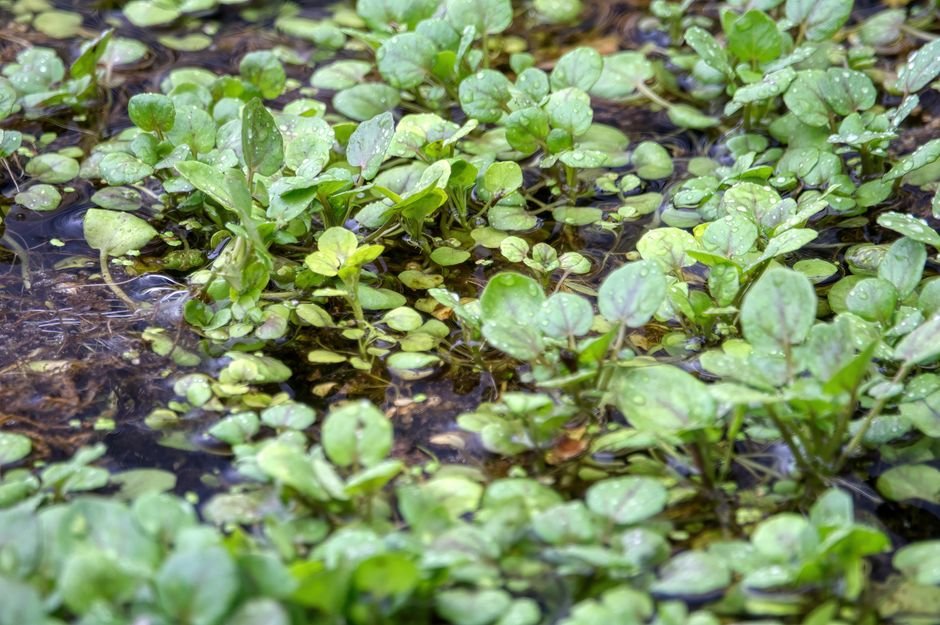
One cup of chopped raw watercress (34 g) has 4 calories in watercress, so it is one of the lowest-calorie foods you can eat by volume. Per 100 g, raw watercress has 11 kcal, and about 95 g of each 100 g is water.
What stands out is the vitamin K and vitamin C. The lead serving provides 85 mcg of vitamin K (71% DV) and 15 mg of vitamin C (16% DV), while the calories stay very low. Most of the calories that remain come from protein.
Calories in Watercress by Serving Size
Calories in watercress for each common serving, with protein, carbs and fat:
| Serving | Calories | Protein | Carbs | Fat |
|---|---|---|---|---|
| 1 cup, chopped (34 g) | 4 | 0.8 g | 0.4 g | 0 g |
| 1 sprig (2.5 g) | 0 | 0.1 g | 0 g | 0 g |
| 10 sprigs (25 g) | 3 | 0.6 g | 0.3 g | 0 g |
| 100 g | 11 | 2.3 g | 1.3 g | 0.1 g |
| 1 oz | 3 | 0.7 g | 0.4 g | 0 g |
Watercress Nutrition Facts
Calories in watercress and the full nutrition facts per 1 cup, chopped (34 g):
| Nutrient | Amount | % Daily Value* |
|---|---|---|
| Calories | 4 kcal | |
| Protein | 0.8 g | 2% |
| Total Fat | 0 g | 0% |
| Saturated Fat | 0 g | 0% |
| Cholesterol | 0 mg | 0% |
| Sodium | 14 mg | 1% |
| Total Carbohydrate | 0.4 g | 0% |
| Dietary Fiber | 0.2 g | 1% |
| Total Sugars | 0.1 g | |
| Calcium | 41 mg | 3% |
| Iron | 0.1 mg | 0% |
| Potassium | 112 mg | 2% |
| Magnesium | 7.1 mg | 2% |
| Zinc | 0 mg | 0% |
| Phosphorus | 20 mg | 2% |
| Selenium | 0.3 mcg | 1% |
| Vitamin A (RAE) | 54 mcg | 6% |
| Vitamin C | 15 mg | 16% |
| Vitamin E | 0.3 mg | 2% |
| Vitamin K | 85 mcg | 71% |
| Thiamin (B1) | 0 mg | 3% |
| Riboflavin (B2) | 0 mg | 3% |
| Niacin (B3) | 0.1 mg | 0% |
| Vitamin B6 | 0 mg | 3% |
| Folate (DFE) | 3.1 mcg | 1% |
Where the calories come from: 60% protein · 34% carbs · 6% fat
*Percent Daily Values are based on a 2,000-calorie diet (FDA reference values). Source: USDA FoodData Central — Watercress, raw (FDC ID 170068, SR Legacy, published 4/1/2019). Values for other servings are calculated from the per-100 g data.
How Many Calories Are in a Handful or a Sprig of Watercress?
Watercress is usually sold by the bunch or the bag, so portion size is easy to lose track of. The USDA reference lists several servings. One cup of chopped watercress (34 g) has 4 calories, 0.8 g of protein, and 0.4 g of carbohydrate. Ten sprigs (25 g) have 3 calories.
An ounce (28 g) comes to 3 calories. Weighing the leaves on a kitchen scale is the most accurate method, because a cup of loosely packed leaves and a cup packed tightly can weigh different amounts.
Does Cooking Watercress Change Its Nutrition?
The numbers on this page are for raw watercress as sold. The USDA record used here is for raw watercress, so the per-cup and per-100-g values describe the leaves before any heat is applied. Cooking changes weight, water content, and some vitamins, so cooked watercress will not match these figures.
If you cook it, weigh it after cooking and do not reuse the raw values. Watercress wilts quickly in a hot pan, so a small amount can shrink to a fraction of its raw volume.
What Does Watercress Offer Besides Vitamin K?
Vitamin K is the headline nutrient here. The lead serving gives 85 mcg, which is 71% of the daily value. Vitamin A (RAE) is 54 mcg (6% DV) in the same cup, and vitamin C is 15 mg (16% DV).
- Calcium: 41 mg (3% DV) per cup
- Potassium: 112 mg (2% DV) per cup
- Dietary fiber: 0.2 g (1% DV) per cup
- Sodium: 14 mg (1% DV) per cup
Is Watercress a Good Choice for Low-Carb Eating?
Watercress is very low in carbohydrate. One cup has 0.4 g of total carbohydrate, and 100 g has 1.3 g, with only 0.2 g of total sugars per 100 g. Because most of its calories come from protein rather than carbs or fat, it adds bulk to a plate without adding much energy.
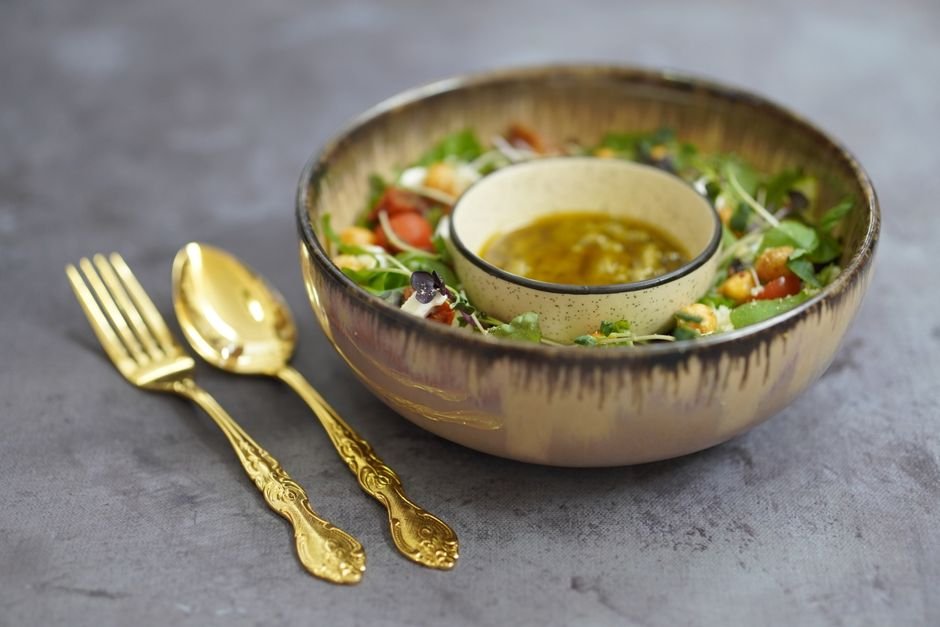
Dressings, cheese, nuts, and croutons are where salads gain their calories. The watercress itself contributes very little to the total, so the toppings usually decide the count.
How Watercress Compares
Per 100 g, next to similar foods in our database:
| Food (100 g) | Calories | Protein | Carbs | Fat |
|---|---|---|---|---|
| Watercress | 11 | 2.3 g | 1.3 g | 0.1 g |
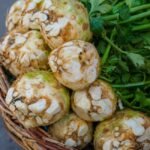
| Celery Root | 15 | 0.5 g | 3.3 g | 0.2 g |
| Watermelon Rind | 19 | 0.5 g | 4.2 g | 0.1 g |
| Mustard Greens | 27 | 2.9 g | 4.7 g | 0.4 g |
| Grapefruit Pink Raw | 30 | 0.6 g | 7.5 g | 0.1 g |
| Persian Lime | 30 | 0.7 g | 11 g | 0.2 g |
Watercress FAQ
How much sodium is in watercress?
One cup of chopped raw watercress (34 g) has 14 mg of sodium, which is 1% DV. Per 100 g the USDA record lists 41 mg.
Does watercress have much protein?
Per 100 g, raw watercress has 2.3 g of protein. One cup (34 g) has 0.8 g. Protein makes up 60% of its calories, the largest share of any macronutrient here.
Is watercress high in iron?
Not in these numbers. The record lists 0.2 mg of iron per 100 g, and one cup provides 0.1 mg (0% DV).
The Bottom Line
Raw watercress is very low in calories and carbohydrate, and one cup covers 71% of the daily value for vitamin K. Toppings and dressings will likely add more calories than the greens themselves.