
When building a plant-based diet or looking to add more protein without meat, chickpeas vs lentils are two of the go-to legumes. Both are cheap, shelf-stable, and nutrient-dense—but when it comes to pure protein content per serving, they’re not quite equal. If you’re trying to hit a protein target or understand which legume gives you more bang for your buck, the numbers actually matter.
This article breaks down the exact protein content of each, shows you how real-world serving sizes change the answer, and explains when you should choose chickpeas over lentils (or vice versa) based on your actual goal—whether that’s maximizing protein, managing carbs, or balancing your plate.
Quick Answer
Lentils have slightly more protein per cooked serving than chickpeas: 1 cup of cooked lentils contains roughly 18g of protein, while 1 cup of cooked chickpeas contains about 15g. That said, the difference narrows considerably when you account for dried weight before cooking, and neither food is a complete meal on its own—pairing either with a grain amplifies the complete amino acid profile. If your only goal is maximum protein per serving, lentils pull ahead, but chickpeas offer better satiety because they’re higher in fat and fiber.
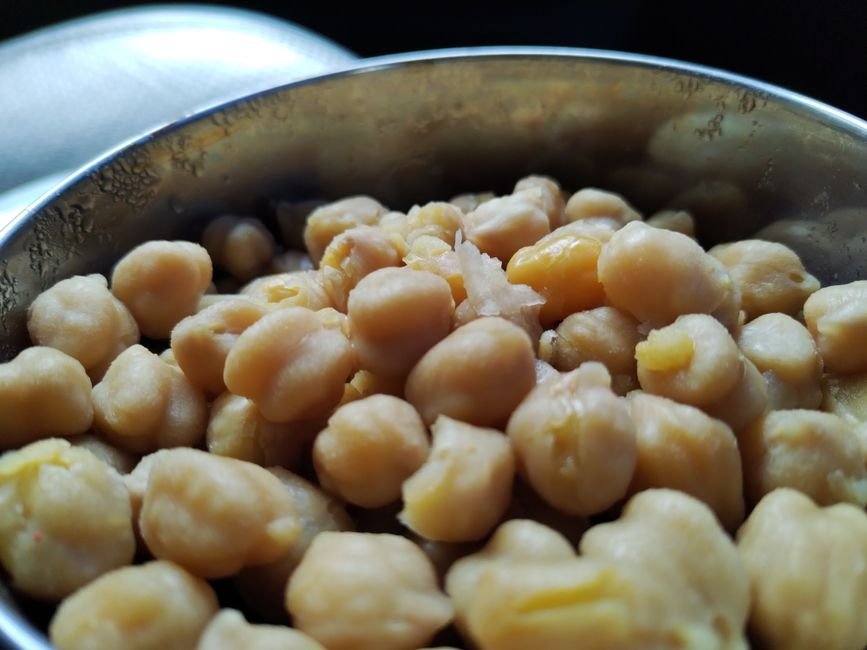
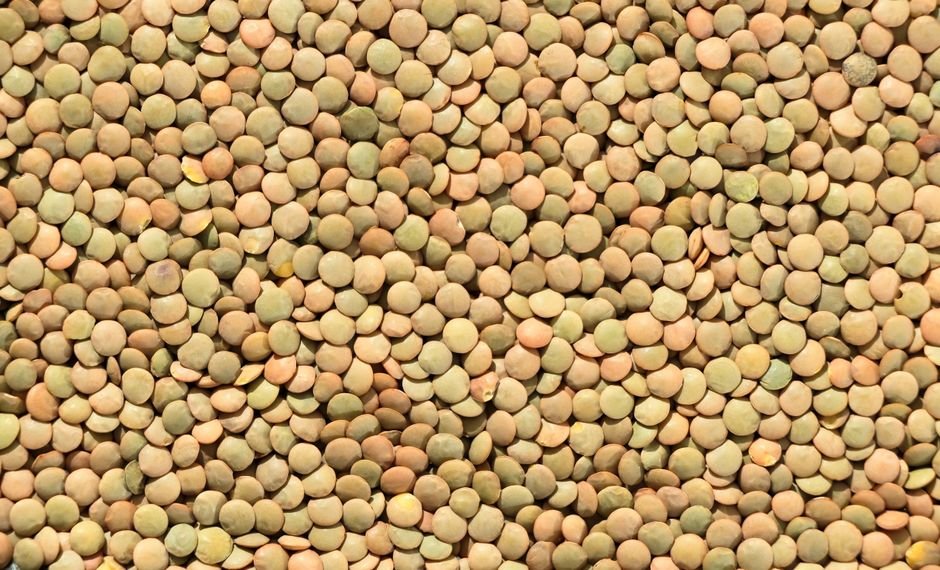
Chickpeas vs Lentils: Protein and Nutrition Breakdown
Chickpeas (1 cup cooked)
- Protein: ~15g per 164g serving
- Calories: ~269 per cup
- Carbs: ~45g per cup
- Fat: ~4.3g per cup (higher than lentils)
- Fiber: ~12g per cup
Lentils (1 cup cooked)
- Protein: ~18g per 198g serving
- Calories: ~230 per cup
- Carbs: ~40g per cup
- Fat: ~0.8g per cup
- Fiber: ~16g per cup
| Nutrient | Chickpeas (1 cup cooked) | Lentils (1 cup cooked) |
|---|---|---|
| Protein | 15g | 18g |
| Calories | 269 | 230 |
| Carbohydrates | 45g | 40g |
| Dietary Fiber | 12g | 16g |
| Fat | 4.3g | 0.8g |
Etekcity Food Scale
0.1g accuracy — the perfect companion for exact portions.
Which Is Better for Maximum Protein Intake?
Lentils win on raw protein per serving: you get 18g of protein in a standard cooked cup versus 15g for chickpeas. That 3-gram difference doesn’t sound huge, but it compounds. If you’re eating legumes as a primary protein source at lunch and dinner, swapping chickpeas for lentils adds up to 6 extra grams of protein per day with no extra chewing or cooking time. For anyone on a plant-based diet, hitting 50–70g of daily protein, those grams count. Additionally, lentils are lower in calories (230 vs. 269), so you’re getting more protein per calorie—a meaningful ratio if you’re also watching total intake.
Chickpeas aren’t a bad protein choice, but they shine in different contexts. If you’re not optimizing purely for protein—if satiety, satisfaction, or making a creamy dip matters—the extra fat in chickpeas (4.3g vs. 0.8g) keeps you fuller longer and makes for a better hummus. Chickpeas also taste better to many people raw in salads or roasted as a snack, whereas lentils are best served warm in soups or grain bowls. So the verdict is: lentils for maximum protein per serving, but chickpeas if whole-food experience and long-term adherence matter more than squeezing an extra 3 grams per cup.
Why the Numbers Don’t Tell the Whole Story
Cooked serving sizes obscure a critical fact: when you buy dried lentils and chickpeas, the weight nearly triples once cooked. A 1/3 cup of dried lentils becomes roughly 1 cup cooked; the same is true for chickpeas. If you’re meal-prepping from dried goods—which most people do to save money—you need to reverse-calculate what you’re actually eating. A 1/3 cup dried serving of lentils contains about 21g of protein before cooking, while a 1/3 cup of dried chickpeas has roughly 18g. That flips the narrative slightly: lentils still lead, but chickpeas are closer than the cooked numbers suggest.
Brand and variety matter enormously. A 1-cup serving of canned chickpeas from one manufacturer may contain 12–13g of protein due to added water and less dense packing, while dried-then-rehydrated chickpeas in a restaurant daal may have 16g. Red lentils (the smaller, split kind) cook down faster and pack slightly less protein (16g per cup cooked) than green or brown lentils (18–19g per cup), which hold their shape better in curries. Cooking method also shifts the numbers: pressure-cooked lentils in a Instant Pot retain water differently than stovetop-simmered ones, which can change the protein concentration per cup by 5–10% depending on how much liquid remains.
The easiest way to know exactly what you’re eating is to use a reliable nutrients calculator. Our free AI nutrients calculator lets you enter the exact food, brand, and serving size you actually have in front of you—whether it’s canned, dried, or restaurant-prepared—and gives you the real protein, carbs, and calories in seconds. You don’t have to trust generic tables again.
- Works with any brand or preparation: generic tables assume “standard” chickpeas, but your canned or homemade version may differ by 10–15%
- Saves you from recalculating dried-to-cooked conversions: input the amount you ate, and the calculator does the math
- Tracks macros accurately over time: whether you’re rotating between lentils and chickpeas weekly, the running count stays honest
Common Mistakes
Most people comparing chickpeas and lentils make one of these errors:
❌ Assuming all canned versions have the same nutrition. A 15-ounce can of one brand’s chickpeas may have 11g of protein; another’s has 13g. Check the label on your specific product.
❌ Forgetting that cooked serving sizes are huge. One cup of cooked legumes is a lot of food—most restaurant portions are 3/4 to 1 cup. A home bowl might be just 1/2 cup, which cuts the protein to 7.5–9g.
❌ Pairing legumes with only vegetables and calling it a complete protein meal. Neither lentils nor chickpeas contain all nine essential amino acids on their own. Combine them with rice, bread, or nuts to get a full amino acid profile.
❌ Overlooking the carb load when protein is your only metric. A cup of either legume delivers 40–45g of carbs, which may spike blood sugar if you’re not also eating fat or fiber-rich vegetables. Balance matters.
Avoid these traps by reading labels, measuring actual portions, and thinking about the whole meal context, not the legume in isolation.
FAQ
Do dried chickpeas and lentils have different protein ratios when cooked?
Yes. Dried chickpeas are about 19% protein by weight; dried lentils are about 25% protein. When water is added during cooking, the protein concentration per cup decreases roughly equally for both, but lentils retain a slight edge because they absorb less water per gram of dry matter.
Is the extra 3 grams of protein in lentils worth switching if I prefer chickpeas?
Not necessarily. If chickpeas are what you’ll actually eat regularly and enjoy, the consistency of your diet over weeks and months outweighs a 3-gram difference per meal. Protein adherence beats protein optimization.
Can I mix chickpeas and lentils in the same dish to get the best of both?
Absolutely. A 50–50 blend averages around 16.5g of protein per cup cooked, and you get the texture variety and different micronutrient profiles of each. This is common in Indian dal preparations.
Which has better amino acid completeness for a plant-based diet?
They’re nearly identical. Both are low in methionine and high in lysine compared to grains. Pair either with rice (high in methionine, low in lysine) to form a complete protein. Chickpeas are slightly higher in total amino acids, but the difference is negligible if you’re eating a varied plant-based diet.
Conclusion
Lentils deliver 18g of protein per cooked cup compared to chickpeas’ 15g, making them the winner if maximum protein per serving is your metric. They’re also lower in calories and higher in fiber, which supports satiety and digestive health. For anyone tracking macros or building a plant-based muscle-gain diet, lentils should be your default legume choice.
That said, real eating isn’t about tables—it’s about the food you’ll actually prepare and consume week after week. If you prefer the taste, texture, or satiety of chickpeas, that matters more than a 3-gram gap. The smartest approach is to know your own needs: are you maximizing protein for athletic goals, or optimizing for sustainability and enjoyment? Once you know, use a reliable nutrients calculator to confirm the exact protein in the specific brand or preparation you’re using, and build your meal plan around that honest number, not a generic one.
