
Cornbread is a beloved staple across the American South, Midwest, and beyond, serving as a quick side dish for chili, barbecue, and holiday meals. It’s also popular in Latin American and African cuisines, where cornmeal-based breads have deep cultural roots. Whether you’re looking to manage weight, build muscle, or simply understand what you’re eating, knowing the nutritional content matters—especially since cornbread portions and recipes vary widely.
How many calories are in cornbread? The answer depends on the size of your slice, the recipe’s fat content, and whether it’s homemade or store-bought. This guide breaks down the exact calorie counts, complete nutrition facts, and practical tips for fitting cornbread into a balanced diet.
Calories in Cornbread (Quick Answer)
A standard 2-inch square slice of cornbread prepared with butter and whole milk contains roughly 180–200 calories, though size and preparation matter significantly.
- One 2-inch square slice (homemade, butter-based): 180–200 calories
- One 3-inch square slice (homemade, butter-based): 240–270 calories
- One slice of store-bought cornbread (varies by brand): 150–220 calories
Calorie content varies with the fat used (butter vs. oil), dairy (whole milk vs. buttermilk), and added ingredients like cheese, jalapeños, or honey.
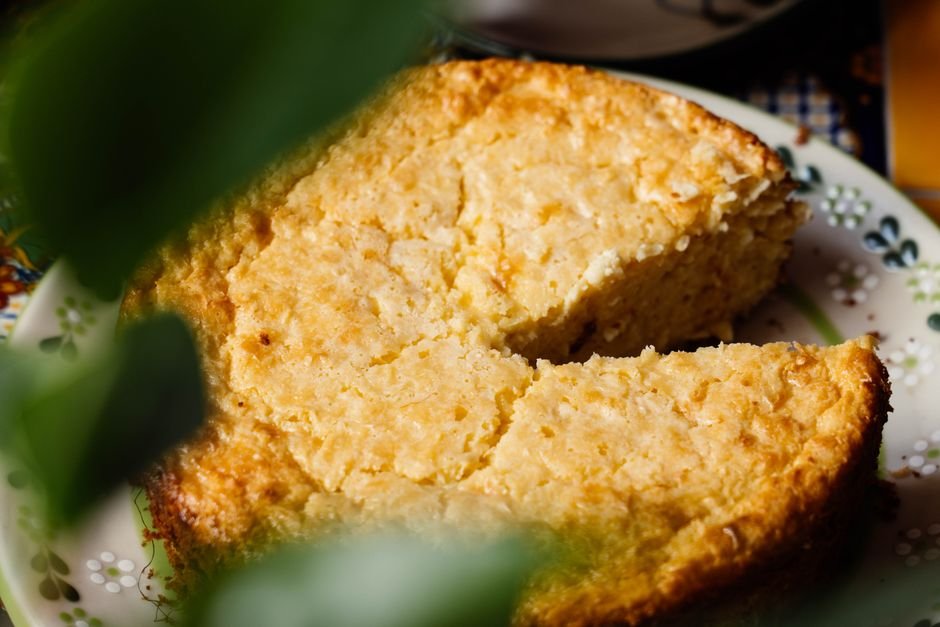
Full Nutrition Facts for One 2-inch Square Slice of Cornbread
This profile represents a homemade cornbread slice made with butter, whole milk, and cornmeal, reflecting the USDA FoodData Central standard recipe.
| Nutrient | Amount | % Daily Value |
|---|---|---|
| Calories | 190 | — |
| Total Fat | 8g | 10% |
| Saturated Fat | 3g | 15% |
| Cholesterol | 22mg | 7% |
| Sodium | 380mg | 16% |
| Total Carbohydrate | 28g | 10% |
| Dietary Fiber | 1.5g | 5% |
| Total Sugars | 4g | — |
| Protein | 3.5g | 7% |
| Iron | 1.2mg | 7% |
| Magnesium | 18mg | 4% |
| Selenium | 16mcg | 29% |
*Percent Daily Values are based on a 2,000-calorie diet. Source: USDA FoodData Central.
Key insight: Cornbread is relatively high in carbohydrates and sodium for its size, making it an energy-dense side rather than a protein-rich food. The selenium content is notable—a single slice provides nearly 30% of your daily need, supporting thyroid health and antioxidant defense. However, the fat and simple carbs mean portion control matters if you’re managing blood sugar or weight.
Etekcity Food Scale
0.1g accuracy — the perfect companion for exact portions.
Cornbread Made with Butter and Whole Milk vs. Oil and Buttermilk
Cornbread Made with Butter and Whole Milk
- Higher saturated fat: Butter contributes 3g of saturated fat per slice, raising cholesterol slightly and adding richness.
- More calories: Typically 190–200 calories per standard slice due to butter’s energy density.
- Richer, denser crumb: Whole milk and butter create a moister, more tender texture that many prefer.
Cornbread Made with Oil and Buttermilk
- Less saturated fat: Oil (especially vegetable or canola) contains mostly unsaturated fat; buttermilk is tangy without cream.
- Slightly lower calories: May be 160–180 calories per slice, depending on oil type and amount.
- Lighter, more crumbly texture: Buttermilk adds a subtle tang and promotes a drier, airier crumb.
Practical takeaway: If you’re aiming to reduce saturated fat or lower calorie intake, oil-and-buttermilk cornbread is the better choice. If you prioritize texture and taste and have room in your daily fat budget, the butter version is classic and delicious. Either can fit a balanced diet—it’s about portion size and overall meal context.

Is Cornbread Good for Weight Loss?
Cornbread is not inherently a weight-loss food. One slice contains 190 calories and relatively modest protein (3.5g), so it won’t keep you full for long. It’s also high in refined carbs and sodium, which can spike blood sugar and trigger water retention. However, cornbread can fit into a weight-loss diet if you treat it as a measured side portion (not a main course) and pair it with protein and fiber-rich vegetables.
Tips to Eat Cornbread Without Gaining Weight
- Stick to one slice: A single 2-inch square (190 calories) is reasonable; larger slices or two servings quickly exceed 400 calories.
- Pair with protein and vegetables: Serve cornbread alongside grilled chicken, chili, or a green salad to improve satiety and nutrient balance.
- Choose oil-based recipes: When possible, select or make cornbread with vegetable oil and buttermilk to save ~30 calories and reduce saturated fat.
- Measure portions by weight: Use a kitchen scale (aim for 50–60g per slice) rather than eyeballing to avoid eating oversized pieces.
The key is treating cornbread as a side, not a staple. Enjoy it for its flavor and cultural significance, but balance it with lean proteins and non-starchy vegetables to support your weight-loss goals.
How Portion Size Affects Calories
Cornbread is often cut into varying sizes, and even small differences add up fast. A 2-inch square is considered a standard serving, but cornbread skillets and sheet pans are commonly cut into larger squares or uneven pieces. Knowing the weight of your portion is the most reliable way to track calories accurately.
Example:
- Small slice (2-inch square, ~50g): 160–180 calories
- Large slice (3-inch square, ~75g): 240–270 calories
A single extra 1-inch dimension can add 80–90 calories—the difference between a light side and a substantial snack.
Best Way to Measure Cornbread Accurately
Because cornbread is baked and its density varies with recipe and preparation, weighing is far more accurate than guessing by eye or counting “slices.” Store-bought cornbread labels may provide serving weights, but homemade cornbread requires a kitchen scale for precision.
Options:
- Digital kitchen scale: Cut your cornbread, weigh a slice (aim for 50–65g for a standard serving), and multiply to get your calorie count.
- Use the label (store-bought): Most packaged cornbread lists calories per serving and the weight of one serving; weigh your piece to confirm.
- Calculate from the recipe: If you bake cornbread, note the total weight of the finished pan, divide by number of slices, and use USDA FoodData Central to estimate calories.
Calculate Your Exact Calorie Intake
Want to know exactly how many calories and nutrients are in your cornbread, based on your specific recipe or brand? The easiest way is to use a free AI-powered nutrients calculator that lets you input ingredients, portion weight, and cooking method in seconds.
Our site offers a free AI nutrients calculator that analyzes cornbread (homemade or store-bought) instantly. Just enter your portion size and prep details, and get complete macros and micronutrients tailored to your meal.
- Instant results: See calories, protein, carbs, fat, fiber, and 30+ micronutrients in under a second.
- Customizable: Adjust portion size, recipe ingredients, and cooking method to match your exact cornbread.
- Meal planning: Track multiple foods together to see how cornbread fits into your daily nutrition budget.
Common Mistakes When Eating Cornbread
Even health-conscious eaters often misjudge cornbread’s calorie and nutrient impact. Here are the most common pitfalls:
❌ Underestimating portion size — Most people eat a “slice” that’s actually 1.5 or 2 times the standard serving, doubling calories without realizing it.
❌ Forgetting the butter or honey topping — A pat of butter (+100 cal) or drizzle of honey (+60 cal) can be forgotten in calorie tracking but significantly increases intake.
❌ Pairing cornbread with high-calorie spreads — Slathering cornbread with butter, cream cheese, or cheese-based dips turns a 190-calorie side into a 350+ calorie indulgence.
❌ Treating cornbread as a main course — Eating cornbread without protein or fiber (e.g., chili or roasted vegetables) leaves you hungry within an hour and more likely to snack later.
Awareness of these mistakes makes it easy to enjoy cornbread without derailing your nutrition goals.
FAQ
How many calories are in 100g of cornbread?
One hundred grams of cornbread (roughly 1.75 standard slices) contains approximately 310–330 calories, depending on the fat content and recipe. This makes cornbread fairly calorie-dense compared to whole grains or vegetables.
Is cornbread fattening?
Cornbread can contribute to weight gain if eaten in large portions or frequently, since it’s calorie-dense and low in protein and fiber. However, one modest slice as part of a balanced meal is not inherently fattening. The key is portion control and pairing it with protein and vegetables.
Can I eat cornbread on a low-carb or keto diet?
Standard cornbread is not suitable for low-carb or keto diets—one slice has 28g of carbs. If you follow a very low-carb plan, you’d need to find almond flour or coconut flour-based alternatives, which are quite different from traditional cornbread.
Does cornbread have any nutritional benefits?
Yes. Cornbread provides B vitamins (especially niacin and B6 if made with enriched cornmeal), selenium (which supports thyroid function), and some iron and magnesium. However, it’s not a nutritional superstar—it’s best viewed as a tasty side that contributes energy and some micronutrients rather than as a protein or vegetable source.
Conclusion
Cornbread is a flavorful, culturally significant side dish that typically delivers 180–200 calories per standard 2-inch slice, along with 28g of carbs, 8g of fat, and modest protein. The exact nutritional profile depends on whether you use butter or oil, whole milk or buttermilk, and how large you cut each piece. Selenium and B vitamins are notable highlights, while high sodium and refined carbs mean portion awareness matters for weight loss and blood sugar management.
Enjoy cornbread mindfully by measuring portions, pairing it with protein and vegetables, and tracking your intake using a reliable nutrients calculator. Whether homemade or store-bought, understanding its calorie and nutrient content puts you in control—letting you savor this beloved bread without surprise weight gain or nutritional imbalance.
