
Venison—meat from deer—has been a staple protein source across cultures and continents for thousands of years. Today, it’s prized by hunters, health-conscious eaters, and athletes seeking a leaner alternative to conventional red meat. Whether you’re hunting wild game, purchasing farm-raised venison, or trying it for the first time, understanding its calorie and nutrient profile is essential for meal planning and fitness goals.
If you’re counting calories for weight loss, building muscle, or managing your macronutrients, venison deserves attention. It’s exceptionally protein-dense and remarkably low in fat compared to beef. So how many calories are in venison? Let’s break down the exact nutrition facts, compare it to other meats, and show you how to measure portions accurately.
Calories in Venison (Quick Answer)
A 3.5-ounce (100g) serving of lean venison contains approximately 120 calories and over 26g of protein with minimal fat.
- 3.5 oz (100g) raw venison loin: 120 calories, 26g protein, 1.3g fat
- 3 oz (85g) cooked venison steak: 95 calories, 19g protein, 1.5g fat
- 3.5 oz (100g) ground venison: 134 calories, 26g protein, 2.4g fat
Calorie counts vary slightly based on the cut (loin vs. shoulder), whether it’s wild or farm-raised, and cooking method. Leaner cuts and longer cooking times that render fat will yield lower totals.
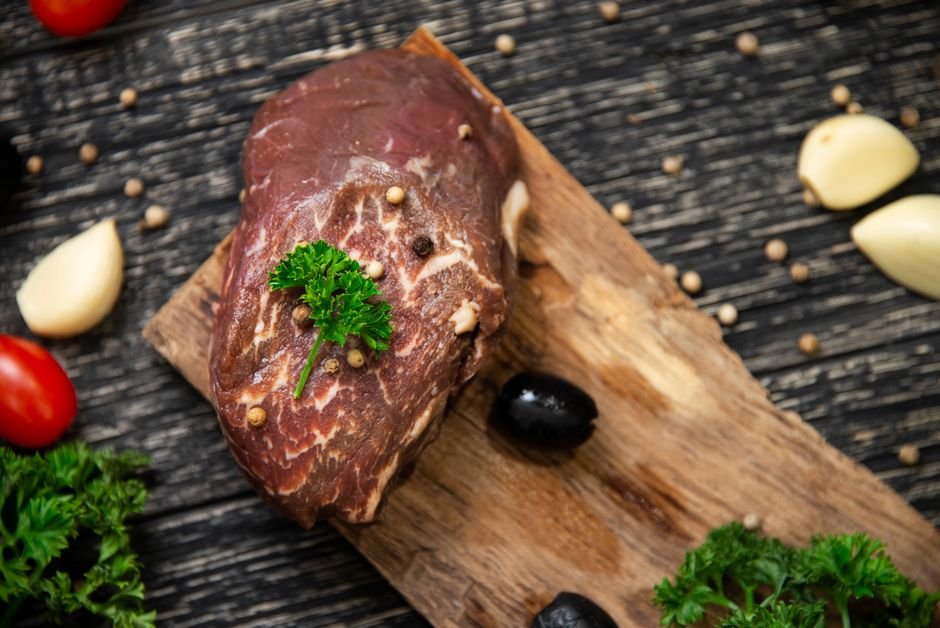
Full Nutrition Facts for 3.5 oz (100g) of Raw Venison Loin
Venison loin is one of the leanest cuts available. This is the complete nutritional profile based on USDA FoodData Central data for raw, untrimmed venison.
| Nutrient | Amount | % Daily Value |
|---|---|---|
| Calories | 120 | — |
| Total Fat | 1.3g | 2% |
| Saturated Fat | 0.5g | 2% |
| Cholesterol | 85mg | 28% |
| Sodium | 47mg | 2% |
| Total Carbohydrate | 0g | 0% |
| Dietary Fiber | 0g | 0% |
| Total Sugars | 0g | 0% |
| Protein | 26g | 52% |
| Iron | 3.3mg | 18% |
| Zinc | 2.4mg | 22% |
| Vitamin B12 | 1.6mcg | 67% |
*Percent Daily Values are based on a 2,000-calorie diet. Source: USDA FoodData Central.
Key insight: Venison is exceptionally protein-rich while being nearly fat-free, making it one of the best protein sources available. With just 1.3g of fat per 100g, it delivers 52% of your daily protein requirement in a single serving while keeping total calories low. The iron content (18% DV) also makes it particularly valuable for those at risk of iron deficiency, including active individuals and women of childbearing age.
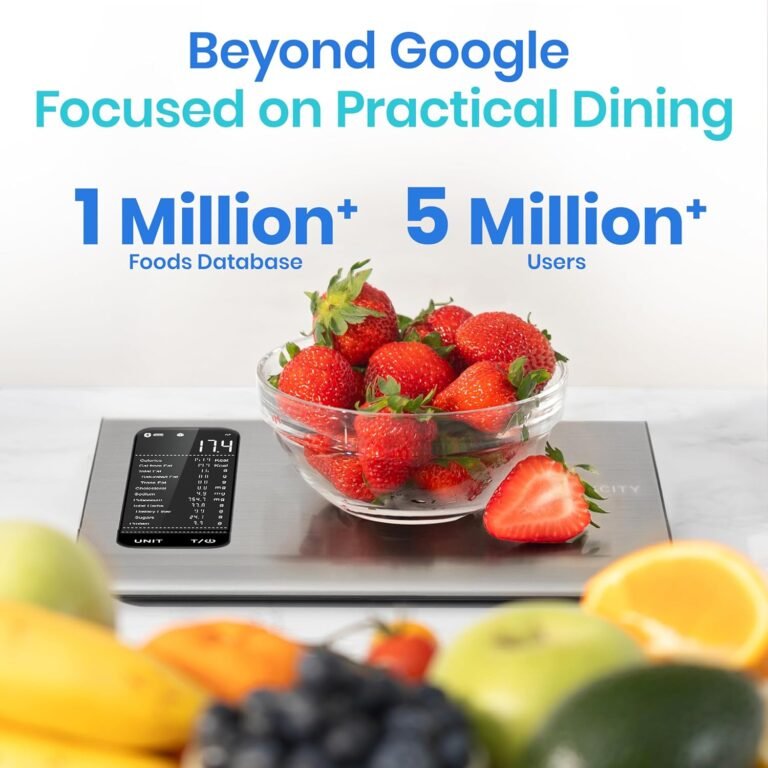
Etekcity Food Scale
0.1g accuracy — the perfect companion for exact portions.
Venison vs. Beef: Which Meat Has Fewer Calories?
Venison and beef are both excellent protein sources, but they differ significantly in fat content and total calories. Here’s how they compare on the same serving basis.
Venison (3.5 oz raw loin)
- 120 calories
- 26g protein, 1.3g fat
- Cholesterol: 85mg
Beef (3.5 oz raw sirloin, choice grade)
- 186 calories
- 26g protein, 11g fat
- Cholesterol: 76mg
Practical takeaway: Venison contains 55% fewer calories than beef while delivering virtually identical protein content. If you’re eating for muscle gain with a calorie deficit, or simply want to minimize saturated fat intake, venison is the superior choice. However, beef offers more micronutrients per calorie in some cuts and has a more familiar taste profile for most diners. For weight loss and lean-muscle building, venison wins decisively on the numbers.
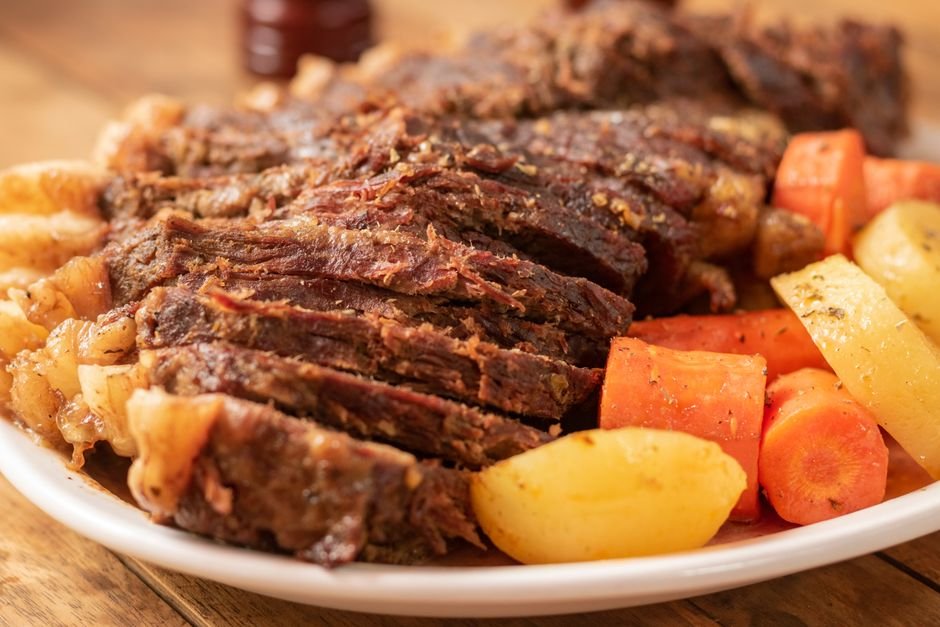
Is Venison Good for Weight Loss?
Yes, venison is an excellent choice for weight loss. With only 120 calories and 1.3g fat per 3.5 oz serving, you can eat a satisfying, protein-rich meal while maintaining a substantial calorie deficit. The high protein content—26g per serving—promotes satiety and helps preserve muscle mass during caloric restriction. Because venison has virtually no carbohydrates, it also fits well into low-carb and ketogenic approaches to weight loss.
Tips to Eat Venison Without Gaining Weight:
- Choose lean cuts: Stick to loin, backstrap, and hindquarters. Avoid ground venison, which can be higher in fat if processed with pork or beef fat.
- Use minimal cooking oil: Venison is so lean that it can dry out easily. Use light cooking sprays, broil, or slow-roast instead of pan-frying in butter.
- Avoid cream sauces and marinades with added sugar: The meat itself needs no enhancement. Pair it with herbs, vinegar-based marinades, or vegetable sides.
- Control portion size: Even lean meat contributes calories. A 4–6 oz serving (about the size of your palm) is ideal for most weight-loss goals.
When prepared plainly—grilled, roasted, or broiled without added fats—venison is one of the most weight-loss-friendly proteins available. Its leanness means you can enjoy larger portions than you might with fattier cuts of beef, keeping you satiated while staying within your calorie targets.
How Portion Size Affects Calories
Venison’s calorie density is low, so portion size matters less than with fattier proteins. However, knowing standard serving sizes helps you track accurately and avoid unconscious overeating. A typical serving is 3–4 oz (85–113g) of cooked meat, roughly the size of a deck of cards or your palm.
Example:
- Small portion (2 oz / 57g cooked venison): ~64 calories, 12g protein
- Large portion (6 oz / 170g cooked venison): ~193 calories, 39g protein
Raw venison weighs roughly 25% more than cooked due to moisture loss, so 100g raw venison yields about 75g cooked. Tripling your portion size roughly triples your calorie intake, so mindful plating is key for weight management.
Best Way to Measure Venison Accurately
For precise calorie tracking, weighing venison on a kitchen scale is the most reliable method. Visual estimation is less accurate, especially with mixed dishes like stews or ground preparations. Raw weight is typically lower in calories than cooked, so measure before cooking when possible.
Options:
- Kitchen scale (most accurate): Weigh raw venison before cooking. It’s faster, more precise, and accounts for moisture loss automatically when you log the cooked weight.
- Volume (cups/tablespoons): Less reliable for meat, but 1 cup of shredded or ground cooked venison ≈ 140g ≈ 168 calories. Use only if you lack a scale.
- Visual comparison: One 3–4 oz serving ≈ the size of your palm or a deck of cards. Useful for rough estimates when eating out.
Calculate Your Exact Calorie Intake
Tracking venison calories manually can become tedious, especially if you’re meal-prepping or adjusting recipes. A smart approach is to use a dedicated nutrition calculator that accounts for cooking method and cut.
Our site offers a free AI-powered nutrients calculator at https://nutrientscalculator.com/ that instantly converts your venison portion into complete macronutrient and micronutrient breakdowns. Simply enter your weight, cut, and preparation method to see calories, protein, fat, iron, and over 20 other nutrients in seconds.
- Log venison with accuracy (accounts for raw vs. cooked weight)
- Track daily macros automatically across all meals
- Compare venison nutrition to other proteins side-by-side
Common Mistakes When Eating Venison
Even though venison is nutritionally superior to most red meats, people often make mistakes that undermine its benefits. Here are the four most common pitfalls.
❌ Adding butter or oil to cooking. Venison is so lean that cooks often feel they must add fat to prevent dryness. This can double the calorie count. Instead, use dry rubs, marinades, or slow-roasting methods.
❌ Mixing ground venison with pork or beef fat. Commercially ground venison often contains added pork fat to improve texture. Check labels and ask your butcher for 100% venison, or grind whole cuts yourself.
❌ Pairing venison with heavy, calorie-dense sides (cream sauces, gravy, fried starches). The lean meat deserves lean accompaniments—roasted vegetables, grains, and herbs that let it shine.
❌ Overcooking until it’s tough, then adding sauce to compensate. Venison is best cooked to medium-rare (130–135°F). Overcooked venison becomes dry and unpalatable, tempting you to mask it with high-calorie sauces.
Avoiding these four mistakes will help you maximize venison’s nutritional advantages and enjoy it as a weight-loss-friendly, protein-rich staple.
FAQ
How many calories are in 100g of venison?
Raw venison loin contains approximately 120 calories per 100g. Once cooked, the same portion (accounting for moisture loss) contains roughly 160 calories per 100g of cooked meat, because the water has evaporated and nutrients are more concentrated.
Is venison fattening?
No. Venison is one of the leanest meats available, with just 1.3g fat per 100g raw. Its high protein-to-calorie ratio makes it ideal for weight loss and muscle building. It’s significantly less “fattening” than beef, pork, or most poultry with skin.
How does wild venison compare to farm-raised venison nutritionally?
Wild and farm-raised venison are nearly identical in nutrition. Wild venison may be slightly leaner due to natural activity levels, but both are excellent protein sources under 150 calories per 3.5 oz serving. Taste and texture may vary, with wild venison sometimes having a stronger flavor.
Can I eat venison every day?
Yes, venison is safe to eat daily as part of a balanced diet. Its low saturated fat and cholesterol profile makes it healthier than daily beef consumption. Rotate other protein sources to ensure dietary variety and micronutrient diversity, but venison can be a dietary staple without concern.
Conclusion
Venison is one of the most nutrient-dense, calorie-efficient proteins available. At just 120 calories per 3.5 oz serving with 26g of protein and less than 2g of fat, it outperforms beef, pork, and many poultry options on the nutrition label. It’s rich in iron, zinc, and B vitamins, making it valuable for athletes, people managing anemia, and anyone prioritizing lean muscle gain or weight loss.
Whether you’re hunting wild game, purchasing farm-raised cuts, or trying venison for the first time, measuring portions accurately and using a reliable nutrient calculator will help you integrate it into your dietary goals with confidence. For the most precise tracking of your daily intake, use a **comprehensive nutrition calculator** to log venison alongside your other meals and adjust your portions based on real data—not guesswork.
