
Olive oil vs butter cooking weight loss is one of the most misunderstood nutrition debates, because the answer depends entirely on what you’re trying to optimize for—taste, calories, smoke point, or heart health. Both are pure fats with almost identical calorie density, but they behave very differently in a hot pan and have opposite effects on your cholesterol profile. This guide cuts through the mythology and shows you which one actually wins for your specific goals.
If you’re trying to lose weight while cooking at home, the real answer isn’t “pick one and stick to it forever.” Instead, you need to know when each one shines and when it sabotages your effort. A tablespoon of olive oil and a tablespoon of butter have nearly the same calories—but the saturated fat difference, the stability at high heat, and your actual portion control when using them are three completely separate decisions you need to make. This article will show you the numbers, explain what they actually mean in a real kitchen, and give you a clear rule for which one to reach for depending on what you’re cooking.
Olive Oil vs Butter Cooking Weight Loss, Quick Answer
For weight loss, olive oil edges out butter slightly because it contains zero saturated fat and is far more satiating—meaning you feel fuller faster and tend to use less of it. For high-heat cooking (searing, frying), butter wins because it has a higher smoke point than extra virgin olive oil, though refined olive oil works fine. For long-term health and keeping weight off, olive oil is the better daily choice because it improves cholesterol and reduces inflammation. The caveat: this advantage vanishes if you use twice as much olive oil because “it’s healthier”—both fats are 120 calories per tablespoon, so portion control matters more than which fat you pick.
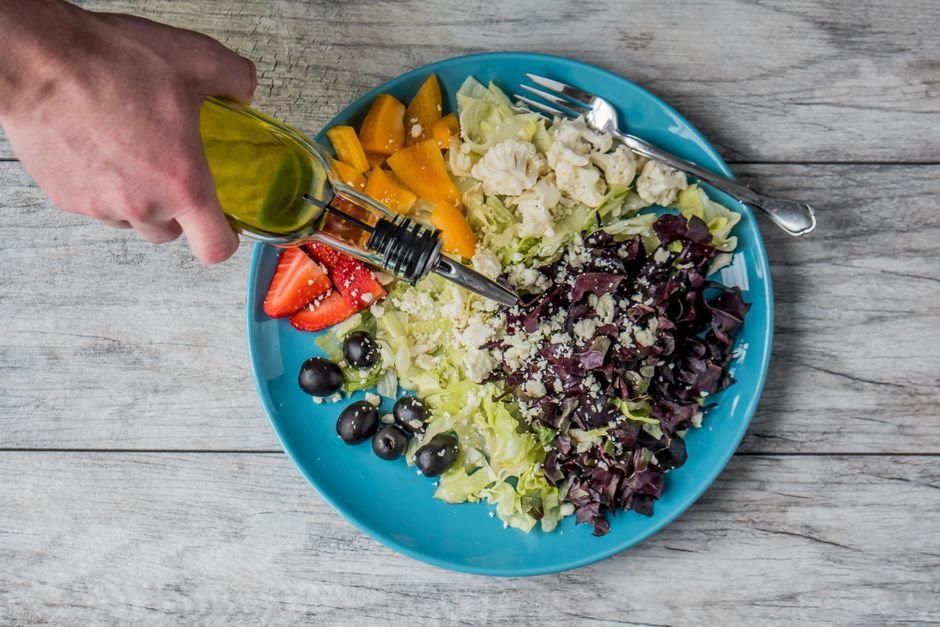
Olive Oil vs Butter: Nutrition and Cooking Properties
Olive Oil (Extra Virgin, 1 tablespoon / 14g)
- Calories: 119
- Saturated Fat: 1.9g (16% of daily value)
- Monounsaturated Fat: 9.7g (the “heart-healthy” kind)
- Smoke Point: ~160°C / 320°F (extra virgin; refined is ~210°C / 410°F)
Butter (1 tablespoon / 14g)
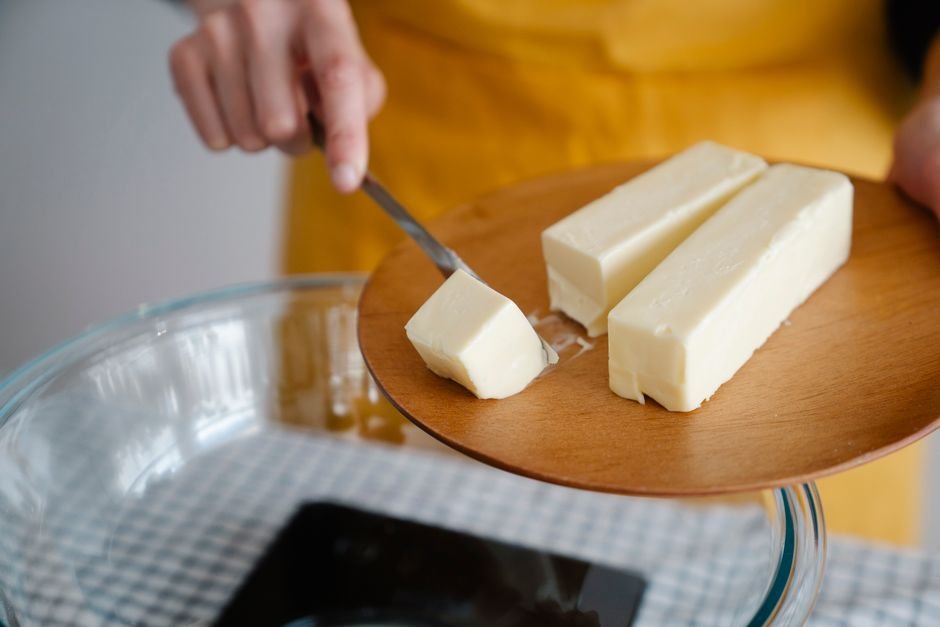
- Calories: 102
- Saturated Fat: 7.2g (36% of daily value)
- Cholesterol: 30.5mg
- Smoke Point: ~177°C / 350°F
| Metric | Olive Oil | Butter |
|---|---|---|
| Calories (per Tbsp) | 119 | 102 |
| Saturated Fat | 1.9g | 7.2g |
| Monounsaturated Fat | 9.7g | 3g |
| Smoke Point | 320°F (extra virgin) | 350°F |
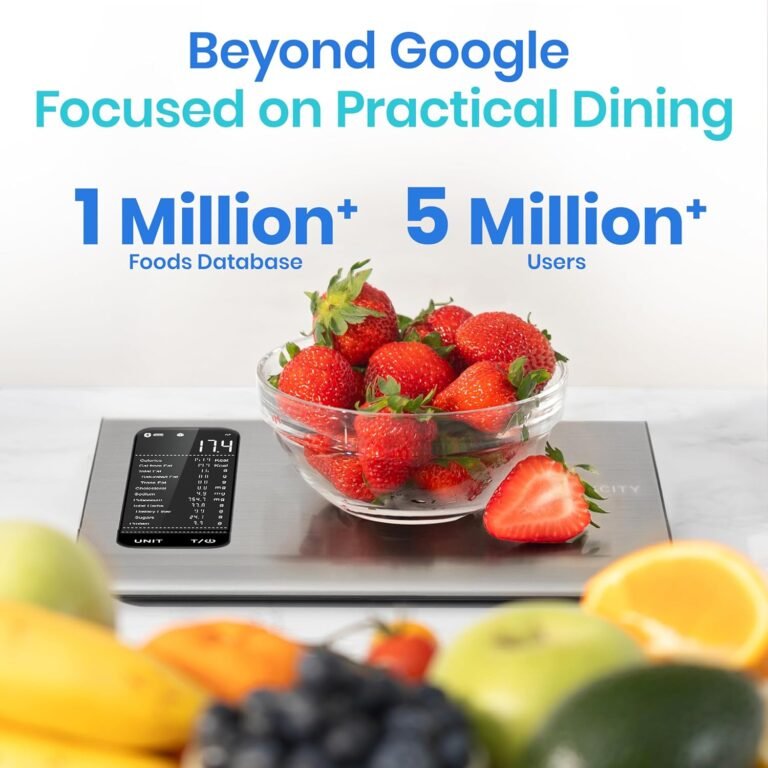
Etekcity Food Scale
0.1g accuracy — the perfect companion for exact portions.
Which Is Better For Cooking and Weight Loss?
Olive oil wins for weight loss and everyday cooking. The saturated fat in butter is nearly 4 times higher per tablespoon, which directly raises LDL cholesterol and makes weight regain more likely once you finish dieting. Olive oil’s monounsaturated fats improve your cholesterol profile and are scientifically linked to better appetite control—one tablespoon actually signals satiety faster than the same amount of butter. For cooking, refined olive oil handles medium-high heat just as well as butter, and for low-to-medium heat (sautéing vegetables, finishing pasta, dressings), extra virgin olive oil is non-negotiable for both flavor and health benefits.
Butter wins if you’re cooking steaks, making crispy potatoes, or need a high-heat sear without breaking down the fat chemically. It also has genuine flavor advantages in baking and adds richness that olive oil can’t replicate. If you’re doing extended high-temperature cooking (constant deep frying, wok cooking above 400°F), clarified butter (ghee) is superior to both. But for the typical person trying to lose weight at home—sautéing, medium-heat cooking, occasional roasting—olive oil is the better choice because it improves your health metrics while keeping calories under control, and you’re less likely to overuse it unconsciously.
Why the Numbers Don’t Tell the Whole Story
The side-by-side nutrition table shows olive oil with only 1.9g of saturated fat and butter with 7.2g, but real weight loss depends on portion distortion. Most home cooks who switch to olive oil because “it’s better” end up using 2-3 tablespoons per meal instead of 1, which erases all health benefit and adds 120-240 extra calories daily. The smokepoint difference (extra virgin at 320°F vs butter at 350°F) sounds large, but most home cooking happens below 300°F—only searing, stir-frying, and deep frying require hotter temperatures. A person roasting vegetables at 400°F in the oven should use refined olive oil or butter; someone sautéing garlic in a pan should use extra virgin olive oil without fear.
The satiety effect of olive oil is real but subtle. Studies show monounsaturated fats trigger a slightly faster fullness signal than saturated fats, but it’s worth 5-10% better appetite control, not a game-changer. The bigger weight loss advantage comes from olive oil’s association with cleaner eating patterns—people who use olive oil tend to cook at home more, eat whole foods, and avoid processed fats. Butter, conversely, is often paired with white bread, pastries, and fried foods in real diets.
To dial in the exact calories and composition of what you’re actually using, check the specific brand and serving size you have on hand. Source: USDA FoodData Central has detailed profiles for dozens of olive oil and butter varieties, since “olive oil” can vary by pressing method and region. Our free AI nutrients calculator at https://nutrientscalculator.com/ lets you input your exact pour (2 tablespoons in a salad, 1 tablespoon for searing) and see real-time calorie and nutrient totals:
- See how much saturated fat you’re actually consuming per meal, not per tablespoon
- Swap oils mid-recipe and compare the nutritional impact instantly
- Track your total oil intake across the day to spot portion creep
Common Mistakes
The biggest errors people make when comparing these two fats come from misunderstanding calories and smoke points.
❌ Assuming butter is “worse” because it has more saturated fat—in small quantities as a condiment or for flavor, butter is fine, and some people’s genetics make saturated fat less of a concern than their cholesterol tests show.
❌ Using extra virgin olive oil for high-heat cooking because you paid for the good bottle—extra virgin breaks down and becomes less nutritious above 180°C; save it for dressings and finishing, use refined olive oil for cooking.
❌ Eating twice as much olive oil because “it’s healthy”—you now have twice the calories and no net weight loss benefit, only a sense of moral superiority while the scale stays the same.
❌ Pouring directly from the bottle instead of measuring with a spoon—a “splash” of olive oil in a pan is often 2-3 tablespoons without you realizing it, equivalent to 250+ calories before you add food.
The upshot: measure your oil, match the oil type to your cooking temperature, and stop overthinking it.
FAQ
Is olive oil lower in calories than butter?
Not meaningfully—olive oil is 119 calories per tablespoon, butter is 102. The advantage of olive oil is saturated fat (much lower) and heart health, not weight loss. Portion control matters far more than which one you pick.
Can I use extra virgin olive oil for frying?
Only for low-temperature frying under 160°C (320°F). For anything hotter—pan-frying meat, making crispy foods—use refined olive oil or butter. Extra virgin’s flavor compounds break down and it becomes less healthy above that threshold.
Does butter have any weight loss advantage?
No, but it has flavor. If butter makes your food taste good enough that you eat less overall, use it. Otherwise, olive oil’s better cholesterol profile and satiety edge make it the default choice for weight loss.
What about coconut oil?
Coconut oil sits between the two—119 calories and 6.3g saturated fat per tablespoon, with a 350°F smoke point. It’s fine for cooking but doesn’t beat olive oil for weight loss or heart health, though some people report better satiety with it.
Conclusion
For cooking and weight loss, olive oil is the better choice 80% of the time because it supports your cholesterol, triggers earlier satiety, and won’t sabotage your diet if you stick to normal portions. Butter has advantages for specific dishes and high-heat cooking, but those scenarios don’t happen daily for most home cooks. The decisive factor is saturation fat: olive oil’s 1.9g per tablespoon versus butter’s 7.2g—a difference that compounds over months and years of regular cooking.
The real unlock for weight loss isn’t picking one oil and worshiping it forever; it’s measuring your oil, matching it to the cooking temperature, and paying attention to portion creep. A reliable nutrients calculator takes the guesswork out of exactly how many calories you’re actually consuming in each meal, so you can trust your deficit instead of eyeballing it. Start with olive oil as your default, use butter when flavor demands it, and measure everything until portion control becomes a habit.
