
Whole Wheat Bread vs White Bread comes down primarily to fiber, nutrients, and how filling each option is. Whole wheat bread is generally better for weight loss because its higher fiber content can help you feel fuller for longer and may make it easier to control your overall food intake.
When you’re trying to lose weight, bread feels like the first thing to cut. But skipping it entirely isn’t realistic for most people—and it’s not necessary. The real question is which type of bread works better with your weight loss goals: whole wheat or white? Both sit on grocery shelves at similar prices, but the nutritional differences that matter for satiety, blood sugar control, and long-term adherence are real and measurable.
This article will show you that whole wheat bread is the clear winner for weight loss, but not for the reason you might think. It’s not about a magic calorie difference—there barely is one. It’s about fiber, satiety, and what actually happens in your body after you eat a slice.
Quick Answer
Whole wheat bread is better for weight loss because it contains significantly more fiber, which keeps you fuller longer and helps prevent overeating throughout the day. A typical slice of whole wheat bread (28g) has about 80 calories and 3-4g of fiber, while white bread has roughly 75-80 calories but only 1-2g of fiber. That fiber difference is what matters most for sustainable weight loss—but this advantage flips if you’re choosing a refined white bread with added fiber, or if portion control is already your strength.
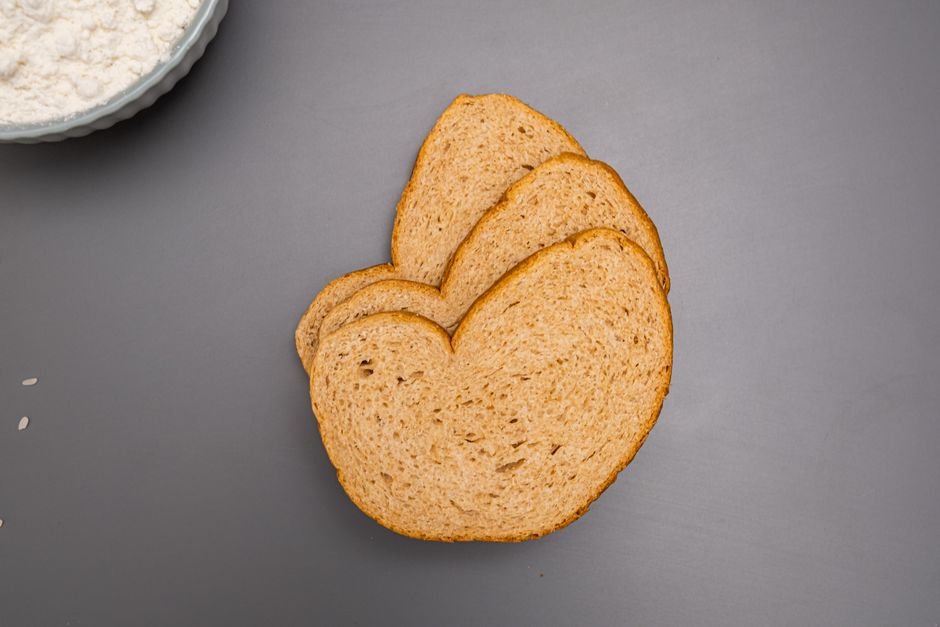
Whole Wheat Bread vs White Bread: Nutritional Comparison
Whole Wheat Bread (1 slice, ~28g)
- Calories: 80–85
- Protein: 3.6g
- Fiber: 3.4g
- Net carbs: ~12g (total carbs minus fiber)
White Bread (1 slice, ~28g)
- Calories: 75–80
- Protein: 2.4g
- Fiber: 1.2g
- Net carbs: ~14g
| Metric | Whole Wheat Bread | White Bread |
|---|---|---|
| Calories (per slice) | 80–85 | 75–80 |
| Protein (g) | 3.6 | 2.4 |
| Fiber (g) | 3.4 | 1.2 |
| Sugar (g) | 1.5 | 2.5 |
| Glycemic Index | 68 (medium) | 75–80 (high) |

Etekcity Food Scale
0.1g accuracy — the perfect companion for exact portions.
Which Is Better for Weight Loss?
Whole wheat bread is the better choice for weight loss. The fiber content is the deciding factor. When you eat whole wheat bread, the 3+ grams of fiber per slice slow gastric emptying—the rate at which food moves through your stomach. This keeps you satisfied for 2–3 hours, reducing the likelihood of snacking an hour later. White bread, with only 1–2g of fiber, causes a faster blood sugar spike and drop, leaving you hungry sooner. Over a week, this difference adds up: one extra snack per day is 300–500 extra calories that didn’t come from portion discipline, but from fighting your hunger signals.
White bread wins only if you’ve already mastered portion control and don’t struggle with between-meal hunger. If you’re someone who eats one slice with lunch and genuinely forgets about bread for hours, the difference won’t be noticeable. But for the 80% of people losing weight who occasionally wrestle with cravings and portion creep, whole wheat’s satiety advantage is worth its weight in gold.
Why the Numbers Don’t Tell the Whole Story
A quick scan of nutrition labels suggests these breads are nearly identical. Calories are within 5 of each other, and you might miss the fiber row on white bread because it’s embarrassingly small. But real-world bread varies far more than labels suggest. A slice of whole wheat from an artisan bakery might have 5–6g of fiber and 100 calories, while a commercial “whole wheat” sandwich loaf could have only 2g of fiber and 75 calories. White bread ranges similarly: some brands add fiber (making the comparison much closer), while others are pure refined starch.
Serving size also shifts the calculus. One slice is the label standard, but most people eating a sandwich use two slices, which doubles the fiber advantage (6–8g vs 2–4g). And preparation matters: toasted whole wheat bread loses no fiber but may have a different glycemic response than fresh bread due to starch retrogradation. Even the time of day you eat it changes how your body processes it relative to what you ate before.
This is where precision beats guessing. Rather than relying on package nutrition facts, use our free AI nutrients calculator at https://nutrientscalculator.com/ to get an exact breakdown of the specific bread in front of you. You can log your actual brand and serving, and the calculator will show you:
- Real fiber content and how it fits your daily target
- Net carbs and glycemic impact specific to your portion size
- How that slice combines with the rest of your meal for total satiety
Common Mistakes
When choosing between these breads, people often make these errors:
❌ Assuming “multigrain” or “honey wheat” is the same as whole wheat—it’s often just white bread with seeds or a tiny amount of whole grain flour added for color.
❌ Focusing only on calories and ignoring fiber, which means missing the entire reason whole wheat wins for weight loss.
❌ Eating whole wheat bread without checking the ingredient list—some brands hide added sugars (3–4g per slice) that spike hunger just like refined carbs do.
❌ Doubling portions of whole wheat thinking it’s “healthier” and ending up with twice the calories and no satiety advantage over a single slice of white bread.
The real edge goes to whoever reads the label carefully and matches the bread to their actual hunger patterns, not to the one with the better marketing.
FAQ
Does whole wheat bread really have fewer calories than white bread?
No—they’re nearly identical per slice (80–85 vs 75–80 calories). The weight loss advantage comes from fiber, which keeps you fuller longer and prevents the hunger crash that white bread triggers.
Can I lose weight eating white bread if I just control portions?
Yes, but it requires active discipline. White bread’s lower fiber means you’ll feel hungry sooner, so you’re fighting biology rather than working with it. Whole wheat lets you eat the same portions and feel satisfied.
Does toasting bread change its calorie content or glycemic effect?
Toasting doesn’t change calories, but it may lower the glycemic response slightly because heat causes starch retrogradation, making it harder for your body to rapidly break down. This is a small effect, but it slightly favors toasted bread for weight loss.
What if a white bread has added fiber—does that make it equal to whole wheat?
Partially. Added fiber (usually inulin or polydextrose) does slow digestion, but it’s not identical to the fiber in whole grain bread, which also contains vitamins, minerals, and beneficial compounds that refined bread doesn’t have. Whole wheat is still the better choice, but enriched white bread with added fiber is a reasonable compromise.
Conclusion
For weight loss, whole wheat bread is the measurably better choice because of its fiber content, not because of any calorie magic. The fiber keeps you satisfied longer, reduces cravings, and lowers the likelihood of overeating later. White bread forces you to rely on willpower alone, which most people can’t sustain indefinitely. If you’re choosing between the two, whole wheat should be your default.
But “better in general” only matters if it’s better for the specific bread sitting on your kitchen counter right now. Ingredients, preparation method, and serving size all change the outcome. Use a reliable nutrients calculator like the one at nutrients calculator to get exact numbers for your actual bread, and match it to your real hunger patterns. That’s how you make weight loss easier, not harder.
