
Mayonnaise is one of the world’s most calorie-dense condiments. A staple in sandwiches, salads, and sauces across North America and Europe, it’s beloved for its creamy texture and rich flavor—but its nutrition profile often surprises people watching their weight or managing their fat intake. Whether you’re counting calories or simply curious about what’s in your condiment jar, understanding mayo’s nutritional content is essential for making informed choices.
The core question is straightforward: how many calories are in mayonnaise? The answer depends largely on serving size and whether you’re using regular or reduced-fat varieties. This guide covers calorie counts, full nutrition facts, portion-control strategies, and practical tips to enjoy mayo without derailing your health goals.
Calories in Mayonnaise (Quick Answer)
A standard tablespoon of mayonnaise is the typical serving measurement:
- 1 tablespoon (15 g) regular mayonnaise: 94–100 calories
- 1 tablespoon (15 g) light/reduced-fat mayonnaise: 35–50 calories
- 1 teaspoon (5 g) regular mayonnaise: 30–33 calories
Calorie content varies slightly by brand, egg content, and oil type (soybean, canola, or olive oil), so always check the nutrition label on your specific product.
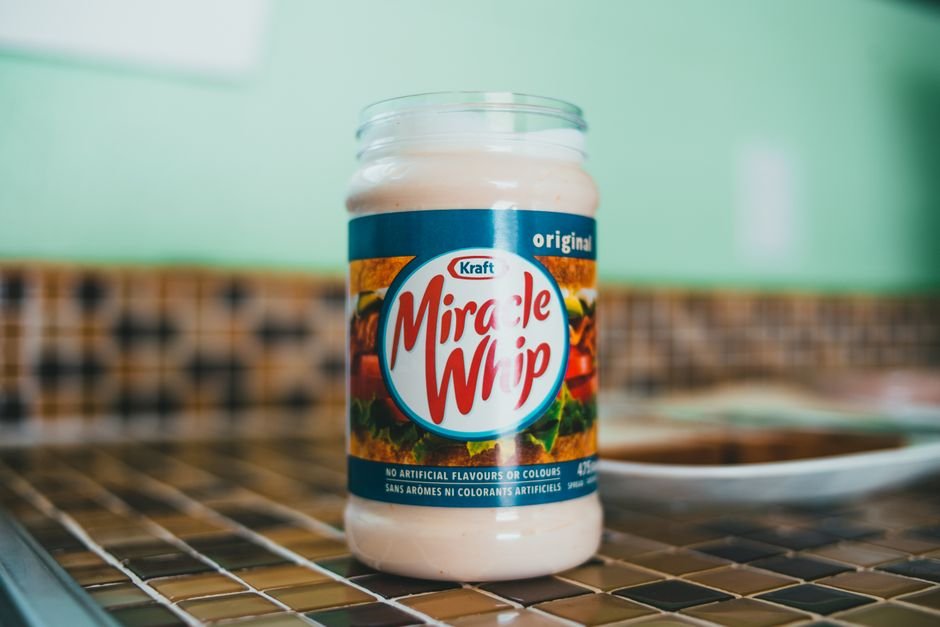
Full Nutrition Facts for 1 Tablespoon (15 g) of Regular Mayonnaise
Here’s the complete nutritional breakdown for a standard 15-gram (1 tablespoon) serving of regular full-fat mayonnaise:
| Nutrient | Amount | % Daily Value |
|---|---|---|
| Calories | 94 | — |
| Total Fat | 10.4 g | 13% |
| Saturated Fat | 1.5 g | 8% |
| Cholesterol | 7 mg | 2% |
| Sodium | 82 mg | 4% |
| Total Carbohydrate | 0.1 g | <1% |
| Dietary Fiber | 0 g | 0% |
| Total Sugars | 0 g | 0% |
| Protein | 0 g | 0% |
| Vitamin E (alpha-tocopherol) | 2.3 mg | 15% |
| Choline | 8 mg | 1% |
| Potassium | 3 mg | <1% |
*Percent Daily Values are based on a 2,000-calorie diet. Source: USDA FoodData Central.
Key insight: Mayonnaise is almost entirely fat (10.4 g per tablespoon) and negligible in carbs and protein, making it a calorie-dense condiment that should be portioned carefully. The small amount of cholesterol (7 mg) and moderate sodium (82 mg) per serving are not concerning in typical single-tablespoon amounts, but multiple servings or frequent consumption can accumulate quickly. The vitamin E content offers some minor antioxidant benefit, but mayo’s primary nutritional role is as a flavor enhancer, not a nutrient provider.

Etekcity Food Scale
0.1g accuracy — the perfect companion for exact portions.
Regular vs. Light Mayonnaise: Which Is Better?
Regular Full-Fat Mayonnaise
- 94–100 calories per tablespoon; nearly 100% of calories from fat
- Rich, creamy texture; classic flavor used in traditional recipes and sauces
- Better stability in cooking; doesn’t separate at high temperatures
Light/Reduced-Fat Mayonnaise
- 35–50 calories per tablespoon; roughly 55–70% fewer calories than regular
- Thinner consistency; often contains added water, starches, or gums to mimic texture
- Lower fat content can be beneficial for low-fat diets, though the taste difference may be noticeable
Practical takeaway: If you use mayo in large quantities (e.g., 3+ tablespoons in a sauce), switching to light mayo can save 150+ calories without a dramatic texture sacrifice in most applications. For small amounts (1–2 tablespoons on a sandwich), the calorie savings may not justify a taste difference; focus instead on measuring accurately and limiting portion size.

Is Mayonnaise Good for Weight Loss?
Mayonnaise is not inherently “bad” for weight loss, but it’s easy to overconsume. At 94 calories per tablespoon, three tablespoons—a realistic amount in a sandwich spread or salad dressing—delivers 282 calories with minimal satiety. However, mayo can be part of a weight-loss diet if portions are controlled and calories are tracked. The fat content does provide some satiety, so a thin layer on a sandwich may prevent you from needing extra calories elsewhere.
Tips to Eat Mayonnaise Without Gaining Weight:
- Measure, don’t eyeball: Use a measuring spoon or kitchen scale to portion mayo. Many people apply 2–3 tablespoons thinking they’re using 1.
- Switch to light mayo in high-volume uses: If you’re making a large batch of tuna or chicken salad, light mayo can cut 50+ calories per serving without dramatically changing taste.
- Stretch it with other ingredients: Mix mayo with Greek yogurt, mustard, or vinegar to reduce calories while maintaining flavor and texture in spreads and dressings.
- Choose alternatives for occasional swaps: Use hummus, avocado, or mustard as replacements in some meals to reduce overall mayo consumption without feeling deprived.
The key is awareness and moderation. Mayonnaise isn’t forbidden on a weight-loss diet—it just requires intentional portioning.
How Portion Size Affects Calories
Mayonnaise’s caloric impact scales linearly with serving size because it has no bulk or water content. A small oversight in measurement can quickly add 50–100 hidden calories to a meal. Understanding realistic portion sizes helps prevent this common mistake.
Example:
- 1 teaspoon (5 g): ~30 calories—barely noticeable on a sandwich as a thin spread
- 3 tablespoons (45 g): ~280 calories—typical for a cup of tuna or chicken salad
The difference between “a little mayo” and “a proper serving” in a salad can mean an extra 200+ calories, so measuring before mixing is essential.
Best Way to Measure Mayonnaise Accurately
Mayonnaise’s thick, sticky consistency makes it tricky to measure by eye. Using consistent measurement tools prevents the portion creep that catches most people off guard when tracking calories. Whether you’re adding mayo to a recipe or topping a sandwich, accuracy takes seconds and directly impacts your calorie count.
Options:
- Measuring spoon: A tablespoon or teaspoon measure is the most straightforward approach. Level off the mayo with a butter knife for consistency.
- Kitchen scale: Weigh to the gram for maximum accuracy; 1 tablespoon = approximately 15 g, 1 teaspoon = approximately 5 g.
- Squeeze bottle: Some brands sell mayo in squeeze bottles with portion markings; this works well for drizzling on individual servings but is less precise for cooking.
Calculate Your Exact Calorie Intake
If you eat mayonnaise regularly—on sandwiches, in salads, or in homemade sauces—small portions add up across your week. Tracking mayo intake alongside other foods gives you the full picture of how it fits into your daily calorie needs and macronutrient goals.
Rather than guessing, use a free AI-powered nutrients calculator to log your exact mayo serving and see its impact on your daily totals. These tools take the math out of nutrition tracking and let you make better decisions in real time.
- Log exact portion sizes and see immediate calorie impact
- Track fat, sodium, and other macros mayo contributes to your diet
- Compare regular vs. light mayo to understand the true savings
Common Mistakes When Eating Mayonnaise
People consistently underestimate mayo’s caloric density and portion sizes. Here are the most frequent errors:
❌ Eyeballing portions instead of measuring—most people apply 2–3 tablespoons thinking it’s 1, doubling or tripling the calories.
❌ Forgetting to count mayo in “salads”—tuna, chicken, and potato salads are often 50% mayo by weight, delivering 300–400+ calories per serving.
❌ Assuming “a little spread” doesn’t matter—a thick coating on a sandwich (3 tablespoons) is 280 calories, equivalent to a full meal for some people.
❌ Not reading light-mayo labels—some “light” versions still contain 70+ calories per tablespoon, so the savings may be smaller than expected.
Awareness of these pitfalls is the first step to using mayo intentionally rather than accidentally.
FAQ
How many calories are in 100g of mayonnaise?
100 grams of regular mayonnaise contains approximately 680–700 calories. This is roughly 6.5–7 tablespoons, illustrating just how calorie-dense this condiment is by weight.
Is mayonnaise fattening?
Mayonnaise itself is not “fattening,” but overconsumption is easy because it’s calorie-dense and portion sizes are often underestimated. Used in measured amounts (1–2 tablespoons per serving), mayo is compatible with weight maintenance and loss. The issue arises when portions creep to 3+ tablespoons without awareness.
What’s the difference between mayo made with olive oil and soybean oil?
Calorie and fat content are nearly identical regardless of oil type—both provide approximately 94 calories and 10.4 g of fat per tablespoon. Olive-oil-based mayo may offer a slightly better fatty-acid profile (more monounsaturated fat), but the caloric impact is the same. Choice comes down to flavor preference and price.
Does homemade mayonnaise have fewer calories than store-bought?
No. Homemade mayo made from egg yolks and oil contains the same amount of fat per serving as store-bought versions, so calories are essentially identical (around 94 per tablespoon). Store-bought versions may include emulsifiers and stabilizers, but these add negligible calories. The main difference is freshness and ingredient control, not calorie content.
Conclusion
Mayonnaise is a calorie-dense condiment that delivers 94 calories and 10.4 grams of fat per tablespoon. While it contains minimal protein, carbs, and harmful cholesterol, it’s nearly pure fat and should be portioned deliberately. Understanding its nutritional profile and measuring portions accurately are the keys to enjoying mayo without derailing your diet—whether your goal is weight loss, weight maintenance, or simply tracking macronutrients.
Don’t eliminate mayo from your diet; instead, be intentional about quantity. Measure before serving, track it in your daily calorie count, and consider light mayo or healthier alternatives if you use large volumes. For a complete picture of how mayonnaise fits into your personal nutrition needs, use a **reliable nutrients calculator** to log your meals and adjust portions as needed.
