
Broccoli is one of the most nutrient-dense vegetables available and a staple in health-conscious diets worldwide. Whether you’re aiming for weight loss, muscle building, or managing a chronic condition like diabetes, broccoli offers exceptional nutritional value with minimal caloric investment.
If you’re tracking calories or planning your meals, understanding exactly how many calories are in broccoli—and how preparation methods affect its nutritional profile—is essential. This guide covers everything from raw versus cooked comparisons to practical portion-measurement tips.
Calories in Broccoli (Quick Answer)
A standard serving of broccoli varies by preparation, but here are the most common amounts:
- 1 cup raw broccoli florets (91g): 31 calories
- 1 cup cooked broccoli florets (156g): 55 calories
- 1 medium broccoli stalk (180g, raw): 57 calories
Calorie counts can vary slightly depending on variety, growing conditions, and whether you include the stem or just the florets.
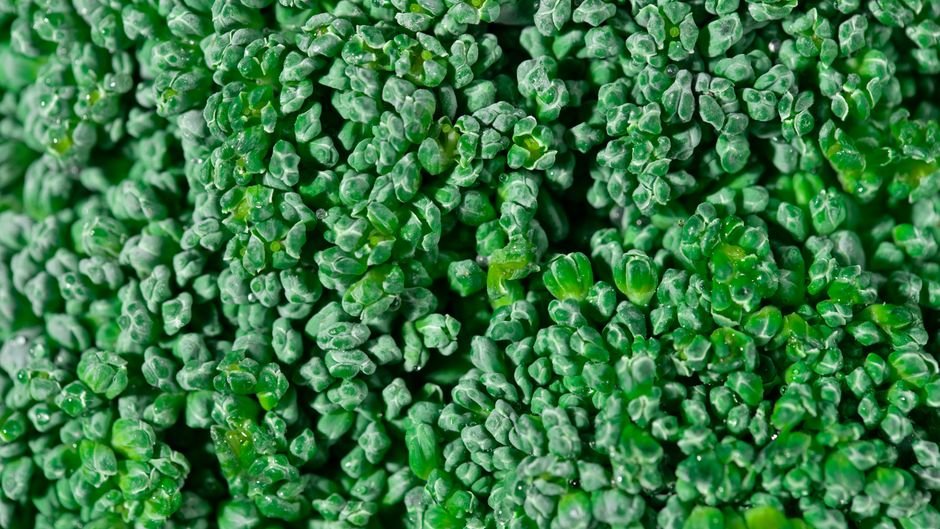
Full Nutrition Facts for 1 Cup Raw Broccoli (91g)
Raw broccoli is extraordinarily nutrient-dense, delivering substantial vitamins and minerals alongside minimal calories. Here’s the complete nutritional breakdown:
| Nutrient | Amount | % Daily Value |
|---|---|---|
| Calories | 31 | 2% |
| Total Fat | 0.4g | 1% |
| Saturated Fat | 0.1g | 1% |
| Cholesterol | 0mg | 0% |
| Sodium | 64mg | 3% |
| Total Carbohydrate | 6g | 2% |
| Dietary Fiber | 2.4g | 9% |
| Total Sugars | 1.2g | — |
| Protein | 2.8g | 6% |
| Vitamin C | 89.2mg | 149% |
| Vitamin K | 101.6mcg | 127% |
| Folate (B9) | 63.6mcg | 16% |
*Percent Daily Values are based on a 2,000-calorie diet. Source: USDA FoodData Central.
Key insight: Broccoli is one of the few vegetables that delivers over 100% of your daily Vitamin K in a single cup—critical for bone health and blood clotting. The 2.4g of dietary fiber per cup aids satiety and digestive health, making broccoli ideal for weight management despite its low calorie density.
Etekcity Food Scale
0.1g accuracy — the perfect companion for exact portions.
Raw Broccoli vs. Cooked Broccoli: How Heat Changes Calories and Nutrients
Raw Broccoli
- 31 calories per cup; highest fiber retention (2.4g per cup)
- Maximum vitamin C (89mg per cup); sensitive to heat loss during cooking
- Crunchy texture; stronger, slightly bitter sulfur compounds (glucosinolates)
Cooked Broccoli (Steamed)
- 55 calories per cup due to water loss and volume reduction; fiber remains largely intact
- Vitamin C drops by ~30% to ~62mg per cup; glucosinolates reduced but bioavailable compounds increase
- Softer texture; milder, sweeter flavor; easier to digest for some individuals
Practical takeaway: Both raw and cooked broccoli are excellent choices. Eat raw if you prioritize vitamin C and fiber; cook lightly (steam or roast) to improve digestibility and make certain antioxidants more absorbable. The calorie difference is modest—raw is slightly lower-calorie, but cooked broccoli’s denser texture means you may eat more volume for fewer calories overall.
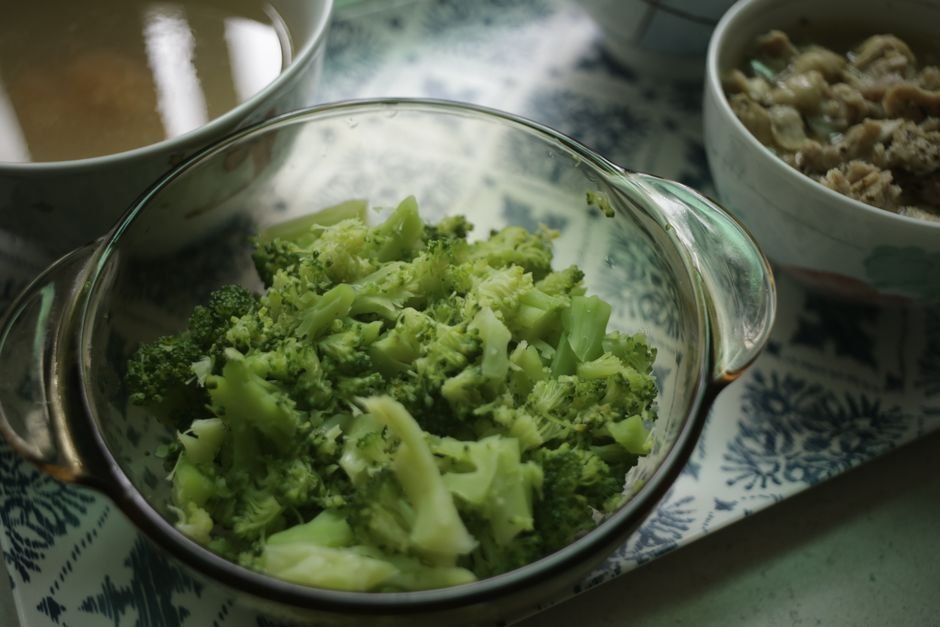
Is Broccoli Good for Weight Loss?
Yes, broccoli is excellent for weight loss. At 31 calories per cup raw, it’s one of the lowest-calorie vegetables while delivering substantial protein, fiber, and micronutrients. The fiber promotes fullness, reducing overall calorie intake, and the protein supports muscle retention during caloric deficit. Broccoli’s high water content and low energy density mean you can eat generous portions without overeating calories.
Tips to Eat Broccoli Without Gaining Weight:
- Avoid heavy oils and sauces: A single tablespoon of olive oil adds 120 calories. Use light cooking spray, steam, or roast with minimal oil (1 teaspoon per serving).
- Pair with lean protein: Combine broccoli with chicken, tofu, or fish to balance the meal and maximize satiety without excess calories.
- Eat it first at meals: Start with broccoli to fill your stomach with low-calorie, high-fiber food before eating denser items.
- Track creamy dressings and cheese: A single ounce of cheddar adds 110 calories and 7g fat; use measured portions or calorie-free alternatives.
Broccoli is naturally weight-loss-friendly when prepared without excess fat. The key is mindful preparation and portion awareness of add-ons, not the broccoli itself.
How Portion Size Affects Calories
Portion size dramatically impacts calorie intake with broccoli—not because broccoli itself is calorie-dense, but because its volume and weight vary depending on how it’s cut and packed. A loose cup of florets weighs far less than a densely packed one. Understanding actual weight (in grams) rather than volume (cups) removes guesswork and ensures accurate calorie tracking.
Example:
- Small side portion: 1 cup raw broccoli (91g) = 31 calories
- Large meal portion: 2 cups raw broccoli (182g) = 62 calories; or 1 lb fresh broccoli (454g) ≈ 155 calories
Even a full pound of raw broccoli contains only 155 calories—demonstrating why broccoli is so valuable for weight loss when eaten in larger quantities.
Best Way to Measure Broccoli Accurately
Volume measurements (cups) are inconsistent for broccoli because the irregular florets don’t pack uniformly. The most accurate method is to weigh broccoli on a digital kitchen scale in grams. If you don’t have a scale, use consistent cup measurements with gently packed florets, and cross-reference with USDA databases to verify you’re within 10-15% of expected calories.
Options:
- Digital kitchen scale (most accurate): Weigh raw broccoli florets or whole stalks in grams; use 91g = 1 standard serving or 31 calories as your baseline.
- Measuring cups (moderate accuracy): Use a standard 1-cup measure, gently filling it with florets; expect 85-95g per cup when loosely packed.
- Visual portion guide: One medium broccoli crown (florets + stem) ≈ 180g raw and ≈ 57 calories; use this as a reference for eyeballing portions.
Calculate Your Exact Calorie Intake
If you’re eating broccoli as part of a balanced diet, knowing its calorie and nutrient contribution is just the start. Most people need to track the whole meal—proteins, fats, carbs, and micronutrients—to align eating with their health goals.
Our site offers a free AI-powered nutrients calculator that analyzes complete meals and daily intake in seconds. Simply input the foods you eat, and the calculator delivers detailed macronutrient and micronutrient breakdowns tailored to your goals. Use the free calculator here.
- Get exact calorie and nutrient totals for any meal combination
- Track vitamin and mineral intake across entire days
- Identify nutritional gaps and optimize meals instantly
Common Mistakes When Eating Broccoli
Even though broccoli is nutrient-dense and weight-loss-friendly, common preparation and consumption errors can sabotage your health goals.
❌ Deep-frying or roasting broccoli with excessive oil: A serving of deep-fried broccoli can exceed 300 calories compared to 31 for raw. Steam or roast with just 1 teaspoon oil per 2 cups florets.
❌ Ignoring the stem: Many discard broccoli stems, which are edible, nutrient-rich, and contain nearly as many calories and fiber as florets. Peel the outer layer and cut the stem into rounds for cooking.
❌ Pairing broccoli with calorie-dense additions without tracking: A salad of raw broccoli can jump from 62 calories (2 cups) to 400+ calories with full-fat ranch dressing and cheese. Measure dressing carefully.
❌ Assuming “steamed and plain” is always healthy: While broccoli itself is nutritious, eating it without complementary protein or healthy fats can leave you hungry shortly after, leading to overeating later.
The solution is simple: prepare broccoli with minimal added fats, include it as part of a complete meal with protein and whole grains, and measure high-calorie add-ons like oils and dressings deliberately.
FAQ
How many calories are in 100g of broccoli?
Raw broccoli contains approximately 34 calories per 100g. Cooked (steamed) broccoli contains roughly 35 calories per 100g, as the calorie concentration remains similar despite water loss and volume reduction.
Is broccoli fattening?
No. Broccoli is one of the lowest-calorie, least fattening vegetables available. At 31 calories per cup raw and loaded with fiber and protein, it actively supports weight loss when prepared without added oils or high-calorie sauces. It’s a staple in every major weight-loss eating pattern.
Does cooking broccoli destroy its nutrients?
Light cooking (steaming for 4-5 minutes) preserves most nutrients while making certain compounds more bioavailable. Boiling for extended periods can reduce water-soluble vitamins like vitamin C by 30-50%. Steaming or quick roasting are optimal methods.
Can I eat unlimited broccoli?
While broccoli is extremely low in calories, eating excessive amounts (several pounds daily) may cause digestive discomfort due to high fiber and sulfur compounds. A practical daily intake is 2-4 cups raw or cooked, which provides 60-240 calories and complete microbial diversity benefits without digestive stress.
Conclusion
Broccoli is a nutritional powerhouse—delivering 31 calories per cup raw, outstanding fiber content, and micronutrients including vitamin K and vitamin C at exceptional levels. Whether your goal is weight loss, muscle building, or disease prevention, broccoli earns its place as a dietary staple. The low calorie density means you can eat generous portions, which naturally promotes fullness and reduces overall caloric intake without restriction or deprivation.
The key to maximizing broccoli’s health benefits is preparation: steam or roast lightly rather than fry, measure added oils and dressings, and include complete proteins in the same meal for balanced nutrition. For comprehensive meal tracking and personalized nutrient targets, use a reliable nutrients calculator to ensure your entire diet—not just individual foods—aligns with your health objectives.
