
Calories in 1 cup cooked rice average 205 calories for white rice, but the exact number depends on whether it’s white, brown, jasmine, or basmati rice. If you’re counting calories, losing weight, or tracking macros, this guide explains everything you need to know about calories, protein, carbs, and nutrition facts in one cup of cooked rice.
Rice is the staple carbohydrate for nearly half the world’s population, particularly across Asia, Latin America, and parts of Africa. Whether served as a side dish, the foundation of a meal, or the primary source of daily calories, rice is affordable, filling, and versatile. For anyone tracking calories—whether managing weight loss, building muscle, or simply monitoring daily intake—understanding the caloric content of rice is essential.
But the answer isn’t one-size-fits-all. The calories in cooked rice depend on the type, cooking method, and water absorption. This guide covers exactly what you need to know about calorie counts, nutrition facts, and how to measure rice accurately.
Calories in 1 Cup Cooked Rice (Quick Answer)
A standard cup of cooked rice contains roughly 205 calories, though this varies by type and preparation:
- 1 cup cooked white rice: 205 calories
- 1 cup cooked brown rice: 215 calories
- 1 cup cooked jasmine rice: 205 calories
Calorie values shift slightly based on rice variety, whether it’s instant or long-grain, and how much water remains after cooking. Packed or loosely measured cups also change the result.
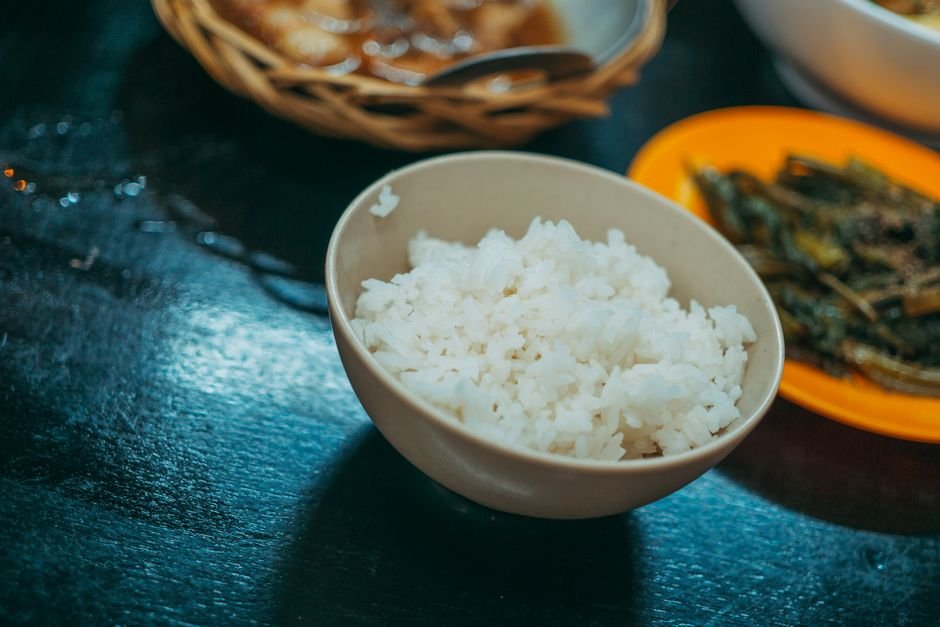
Full Nutrition Facts for 1 Cup Cooked White Rice
Here are the complete nutrition facts for a standard serving of cooked white rice (about 158g), based on USDA data:
| Nutrient | Amount | % Daily Value |
|---|---|---|
| Calories | 205 | — |
| Total Fat | 0.4g | 1% |
| Saturated Fat | 0.1g | 1% |
| Cholesterol | 0mg | 0% |
| Sodium | 2mg | <1% |
| Total Carbohydrate | 45g | 15% |
| Dietary Fiber | 0.6g | 2% |
| Total Sugars | 0.3g | — |
| Protein | 4.3g | 9% |
| Iron | 0.2mg | 1% |
| Thiamine (Vitamin B1) | 0.1mg | 10% |
| Manganese | 0.9mg | 39% |
*Percent Daily Values are based on a 2,000-calorie diet. Source: USDA FoodData Central.
Key insight: White rice is nearly fat-free and provides almost no sodium—ideal for low-sodium diets. The majority of calories come from carbohydrates (about 88% of total energy), making it an efficient fuel source for active individuals. However, white rice is refined, meaning the bran and germ are removed during processing, which reduces fiber and some micronutrients compared to whole-grain varieties.
Etekcity Food Scale
0.1g accuracy — the perfect companion for exact portions.
White Rice vs. Brown Rice: Which Has More Calories in 1 Cup Cooked Rice?
White Rice
- 205 calories per cooked cup (refined grains, bran removed)
- Lower fiber content (0.6g per cup)
- Faster digestion and quicker energy release
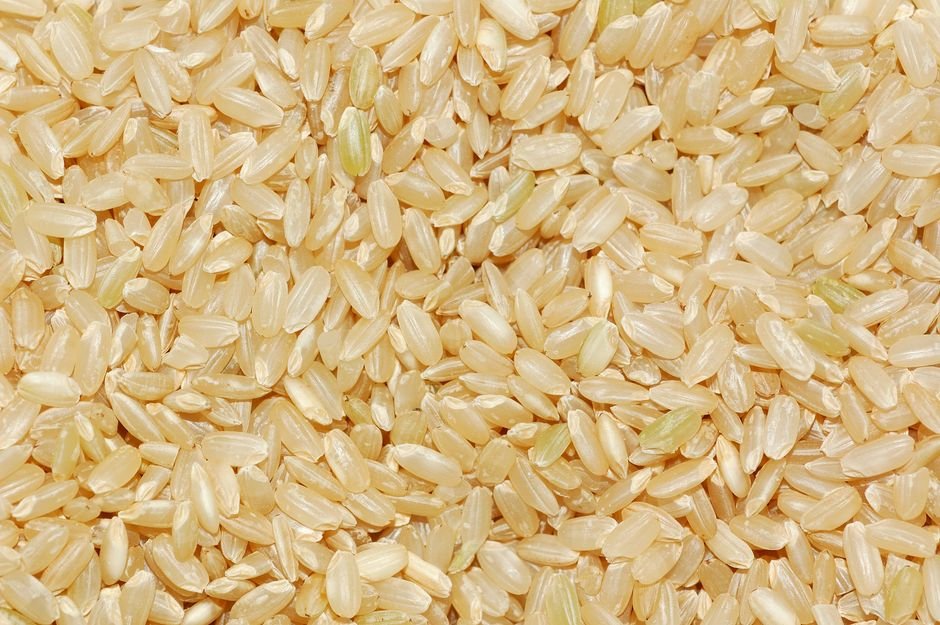
Brown Rice
- 215 calories per cooked cup (whole grain, bran intact)
- Higher fiber content (3.5g per cup)
- Slower digestion, sustained energy and greater satiety
Practical takeaway: The calorie difference is minimal (10 calories), but brown rice’s added fiber makes it more satiating and better for blood sugar stability. If weight loss or appetite control is your goal, brown rice is the smarter choice despite the slightly higher calorie count. White rice is better for those needing quick carbohydrate absorption (athletes) or managing digestive issues.
Is Cooked Rice Good for Weight Loss?
Cooked rice itself is not fattening—it’s low in fat and contains no added sugars. However, portion size matters enormously. A single cup of rice (205 calories) fits comfortably into most weight-loss diets, but many people eat 2–3 cups per meal without realizing it, which pushes intake to 410–615 calories. The real issue is how rice is prepared and paired: fried rice, rice cooked in butter or oil, or rice served alongside calorie-dense sauces adds significant energy with minimal satiety.
Tips to Eat Cooked Rice Without Gaining Weight:
- Measure your portions: Use a scale or standard measuring cup—don’t estimate. One cup is about 155–160g of cooked rice.
- Choose brown or wild rice: Higher fiber means you feel fuller longer on fewer calories.
- Cook rice with less oil or none: Boil or steam instead of frying. Skip the butter.
- Pair with protein and vegetables: Add grilled chicken, legumes, or tofu plus non-starchy vegetables to balance the meal and increase satiety.
Used strategically, rice is an excellent carbohydrate source for weight loss. The key is moderation, mindful measurement, and combining it with whole foods.
How Portion Size Affects Calories
Rice expands as it cooks, absorbing water. One raw cup of uncooked rice yields about 3 cups of cooked rice. Understanding portion size is crucial because small differences in measurement translate into significant calorie gaps, especially if you eat rice daily.
Example:
- ¾ cup cooked rice: 154 calories (good for light meals or as a side)
- 1½ cups cooked rice: 307 calories (typical main-dish serving)
Doubling your portion from ¾ cup to 1½ cups adds 153 calories—roughly equivalent to a banana or a slice of bread.
Best Way to Measure Calories in 1 Cup Cooked Rice Accurately
Cooked rice is fluffy and irregular, making it challenging to measure consistently. The water content varies by rice type and cooking method, so visual estimates are unreliable. A kitchen scale is the gold standard, but if you don’t have one, use proper measuring techniques to stay within 10–15% accuracy.
Options:
- Kitchen scale (best option): Place a bowl on the scale, zero it, add cooked rice until it reaches 155–160g. This is the most accurate method.
- Standard measuring cup: Gently spoon rice into a dry measuring cup without packing it down. Level off the top with a knife. This works but is less precise.
- Hand portion guide: One closed fist of cooked rice ≈ ¾ cup (154 calories). Use this as a quick reference when no tools are available.
Calculate Your Exact Calorie Intake
If rice is a regular part of your diet, tracking its exact calorie contribution matters. Whether you’re building muscle, losing weight, or simply staying healthy, knowing precisely what you’re eating removes guesswork and accelerates results.
Use a free AI nutrition calculator to input the exact amount of rice you’ve measured and get complete macronutrient breakdowns in seconds. Simply enter your portion size, and the tool accounts for water content, density variations, and rice type to give you precise calorie and nutrient data. Visit our free nutrients calculator to start tracking.
- Get instant macro counts (carbs, protein, fat) for any rice portion
- Track multiple meals throughout the day for total calorie intake
- Compare calories across rice varieties to make informed choices
Common Mistakes When Eating Cooked Rice
Rice is simple, but people often eat it in ways that sabotage weight loss or nutritional goals. Here are the four biggest pitfalls:
❌ Eyeballing portions instead of measuring: Most people underestimate rice portions by 30–50%, eating 1.5–2 cups while thinking they’re eating 1 cup. This adds 100–200 hidden calories daily.
❌ Cooking rice in excessive oil or butter: Restaurant-style or fried rice often contains 15–30ml of oil per cup, adding 120–270 calories and transforming a lean carb into a fat source.
❌ Eating white rice as the only carbohydrate: White rice digests quickly, spiking blood sugar and leaving you hungry shortly after. This leads to overeating and energy crashes.
❌ Reheating leftover rice unsafely: Improperly cooled cooked rice can harbor Bacillus cereus bacteria. Always refrigerate within 2 hours and reheat thoroughly.
Avoiding these mistakes can cut 200+ unnecessary calories from daily intake and improve digestion and satiety.
FAQ
How many calories are in 100g of cooked rice?
Approximately 130 calories. Since 1 cup cooked rice (158g) contains 205 calories, 100g works out to roughly 130 calories.
Is cooked rice fattening?
Rice itself is not fattening—it’s low in fat and calorie-dense only if you eat large portions or prepare it with added fats. Portion control and preparation method determine whether rice contributes to weight gain.
Does cooked rice have resistant starch?
Fresh cooked rice is low in resistant starch, but when rice is cooked, cooled, and refrigerated for 12+ hours, some starch becomes resistant, making it slightly less digestible and lower in available calories. Reheating doesn’t destroy this benefit.
Can I eat cooked rice on a keto diet?
No. One cup of cooked rice contains 45g of carbs, far exceeding typical keto limits of 20–50g per day. Rice is a carbohydrate staple and incompatible with ketogenic diets.
Conclusion
Cooked rice is a lean, affordable carbohydrate providing 205 calories per cup along with 4.3g of protein and essential B vitamins. It’s naturally low in fat, sodium-free, and an excellent energy source for active individuals. Brown rice edges out white rice nutritionally due to higher fiber, but both fit comfortably into balanced diets when portions are controlled.
The nutritional value of cooked rice depends entirely on how you prepare and portion it. Measure carefully, choose whole-grain varieties when possible, and pair rice with protein and vegetables for optimal satiety and nutrition. For ongoing tracking and meal planning, use a **reliable nutrients calculator** to monitor your exact intake and make adjustments based on your personal goals.
