
If you’ve ever wondered whether your lazy girl workout nutrition plan is actually the reason you’re not seeing results, you’re asking exactly the right question. And honestly, for most people doing low-intensity or short-duration workouts, the food strategy matters more than the workout itself.
Here’s the thing: “lazy girl workouts” have become a real category. We’re talking 20-minute Pilates videos, walking 8,000 steps, light resistance band sessions, yoga flows before bed. These aren’t nothing. But they’re also not CrossFit. And eating like you just ran a half marathon after a 25-minute mat workout is one of the fastest ways to accidentally erase the small calorie deficit these gentler sessions create.
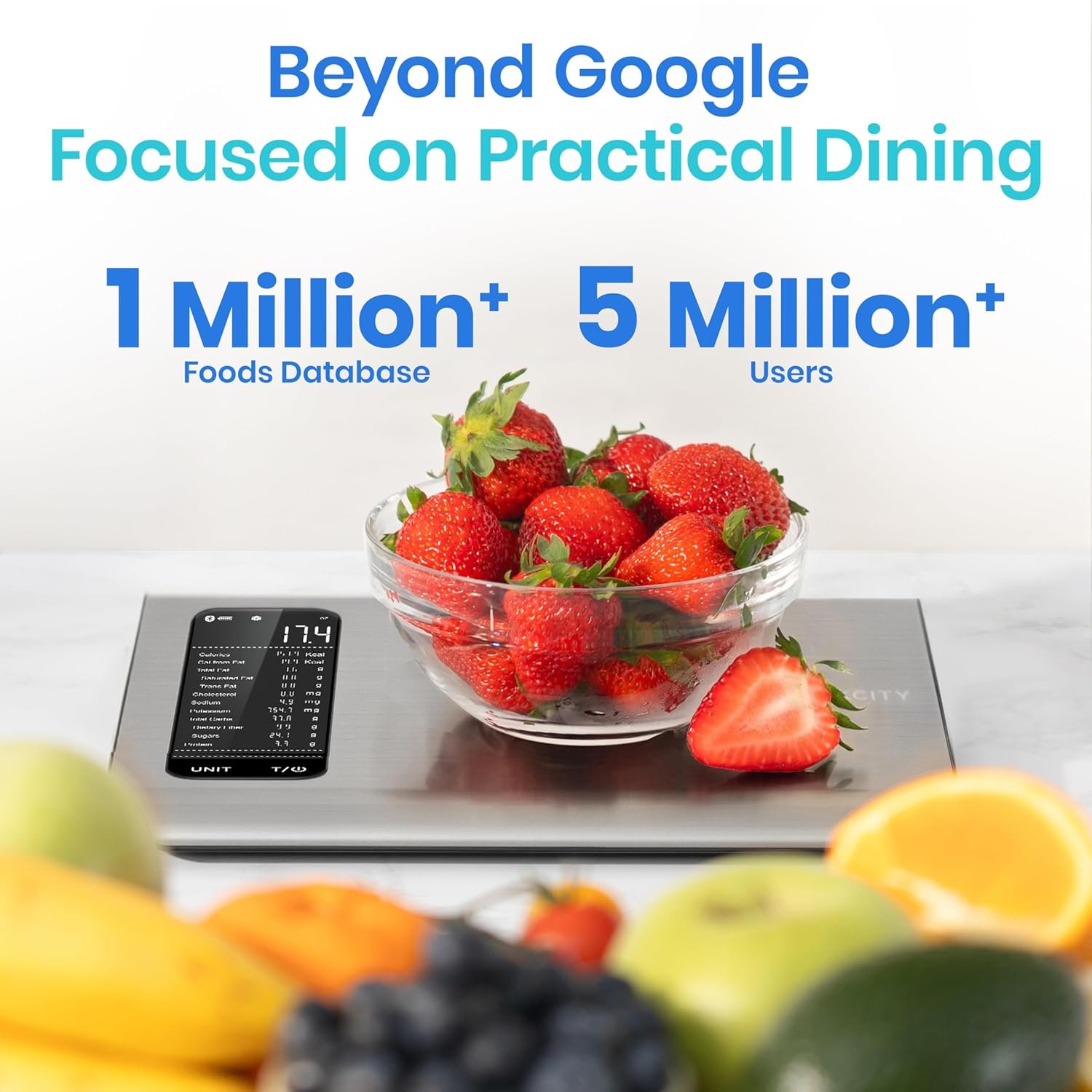
Etekcity Food Scale
0.1g accuracy — the perfect companion for exact portions.
So what does smart nutrition actually look like when your workouts are intentionally low-effort? Let’s get into it.
The Lazy Girl Workout Nutrition Mistake Most People Make
The biggest one is overestimating calorie burn. A 30-minute walk at 3.5 mph burns roughly 130-160 calories for a 150-pound person. A yoga session? Maybe 100-180 calories. These are real numbers, not meant to discourage you, but to recalibrate what “I worked out today” actually means in energy terms.
Overcompensating with food is the silent killer of this approach. You do your little workout, you feel virtuous, you grab a “healthy” post-workout smoothie from Tropical Smoothie Cafe that contains 500 calories and 80 grams of sugar. You’re now eating back triple what you burned, plus some.
This isn’t about being harsh. It’s about being accurate.
The other mistake is under-eating protein on days when you do resistance work, even light resistance work. Your muscles still need amino acids to recover and adapt, even from a 15-minute resistance band session. Skipping protein because “I only did a light workout” is how you end up spinning your wheels for months without any visible change in body composition.
What Your Macros Should Actually Look Like
Let’s stop being vague about this. For someone doing 3-4 lazy girl style workouts per week and trying to lose weight or improve body composition, here’s a reasonable starting framework:

- Protein: 0.7 to 1 gram per pound of bodyweight. For a 140-pound person, that’s 98-140 grams daily. This sounds like a lot but it’s the single macro most women consistently undereat.
- Carbohydrates: 30-45% of total calories. You don’t need to low-carb just because your workouts aren’t intense. Carbs fuel your brain, your mood, and even low-intensity movement.
- Fats: 25-35% of total calories. Don’t fear them. Hormonal health, particularly for women, depends heavily on adequate fat intake.
- Total calories: A modest 200-300 calorie deficit from your maintenance level is plenty. Aggressive cuts backfire when activity levels are already low.
One opinion I’ll stand behind: most lazy girl workout nutrition advice is far too focused on “what to eat after your workout” and not nearly focused enough on total daily intake. Your post-workout snack matters far less than what you ate for breakfast, lunch, and dinner.
Etekcity Food Scale
0.1g accuracy — the perfect companion for exact portions.
Protein Strategy for Low-Intensity Training Days
Why Protein Still Matters Even When You’re Barely Sweating
This is the misconception I want to tackle directly. A lot of people believe protein is only for serious athletes lifting heavy weights. That’s not accurate. Protein supports muscle maintenance at all activity levels, keeps you fuller longer, and has the highest thermic effect of any macronutrient, meaning your body burns roughly 25-30% of the calories from protein just digesting it. That’s a meaningful edge when your workouts are intentionally gentle.
Even on rest days, you should be hitting your protein target. Muscle protein synthesis doesn’t stop when you stop moving.
Easy High-Protein Foods That Don’t Require Meal Prepping for Three Hours
Keeping it realistic is the whole point here. You’re not going to cook elaborate meals every day. You don’t have to.
- Cottage cheese (1 cup, full fat): 25 grams of protein, no cooking required
- Fage 0% Greek yogurt (7 oz): 18 grams of protein
- Rotisserie chicken from Costco or your grocery store: already cooked, easy to pull apart and add to anything
- Canned tuna or salmon: 20-25 grams per can, shelf stable, zero prep
- Hard-boiled eggs: most grocery stores sell them pre-boiled now
- Fairlife Core Power protein shakes: 26 grams of protein, tastes decent, no blending required
Timing: Does It Actually Matter for Light Workouts?
Honestly, for lazy girl style workouts, protein timing is one of the least important variables. The research on the “anabolic window” (the idea you must eat protein within 30 minutes post-workout) applies most strongly to heavy resistance training. For a morning Pilates session or an evening walk, just make sure you’re hitting your daily protein total. That’s it.
Spread it across 3-4 meals if you can. That does help with muscle protein synthesis slightly more than eating it all in one sitting.
Hydration, Hunger Cues, and the Stuff Nobody Talks About
Dehydration mimics hunger. This is well-documented and constantly ignored. A 2016 study published in Physiology and Behavior found that people misidentify thirst as hunger about 37% of the time. If you’re doing low-intensity workouts and sitting at a desk for most of the day, your actual water needs are around 2-2.5 liters minimum, and probably more if you’re in a warm climate or drink coffee.
Keep a 32 oz Stanley or Hydro Flask on your desk. Fill it twice. Done.
There’s also a subtler issue with lazy girl workouts specifically: they don’t suppress appetite the way high-intensity training does. A brutal HIIT session genuinely blunts hunger for hours afterward, partly due to appetite-regulating hormones like peptide YY. A gentle walk? It might actually increase your appetite slightly. This doesn’t mean walking is bad. It means you need to be a little more intentional about not immediately following it with a reward snack.
Hunger cues are real and worth respecting. But also worth questioning. Sit with hunger for 15 minutes before acting on it. Often it passes, or turns out to actually be thirst, boredom, or habit.
One more practical note: if you’re doing lazy girl workouts specifically because you have low energy, poor sleep, or chronic stress, no amount of nutrition optimization will fully compensate for those underlying issues. Cortisol makes fat loss harder. Sleep deprivation tanks hunger hormones. If you’re doing everything right nutritionally and still not seeing results, those are the next places to look.
The bottom line for lazy girl workout nutrition is genuinely simple: eat enough protein every single day, stay in a small and sustainable calorie deficit, drink more water than you think you need, and stop treating gentle workouts as an excuse to eat back double what you burned. That’s the whole playbook. You don’t need a complicated protocol, a detox, or a post-workout shake made with 14 ingredients. You need consistency at the basics, every day, for longer than feels comfortable. That’s what actually moves the needle.
Visit our Food Nutrition Database section for more resources on Nutrients Calculator.
