An egg white omelette is one of the simplest ways to start the day with a substantial dose of protein and very little fat. Swapping whole eggs for whites keeps the texture light and the calories low, while a generous handful of sauteed vegetables adds fiber, color, and volume so the plate feels satisfying rather than sparse.
This version uses six large egg whites, a small amount of spinach, bell pepper, mushrooms, and onion, and finishes with a sprinkle of reduced-fat feta. It makes one hearty serving that comes together in about 15 minutes, which makes it a practical weekday option.
Below you will find why the method works, a clear ingredient guide, step-by-step instructions with the reasons behind each move, and answers to common questions about storage, mistakes, and variations.
Full recipe below
Egg White Omelette with Veggies
Why this egg white omelette recipe works
Egg whites are almost pure protein and water. A large egg white contains roughly 3.6 grams of protein and about 17 calories, while the yolk carries most of the fat and cholesterol. Using six whites gives you around 22 to 25 grams of protein in a single serving, which is a strong start for breakfast. You can check the exact numbers for any ingredient in the USDA FoodData Central database.
The vegetables do more than add flavor. Spinach, peppers, and mushrooms are low in calories but add bulk, which helps the omelette feel like a complete meal. They also bring fiber, potassium, and vitamins, which fits the pattern of filling half the plate with produce recommended in the USDA MyPlate guidelines.
The technique is forgiving. Egg whites have less fat than whole eggs, so they can stick more easily and turn rubbery if overcooked. A nonstick pan, moderate heat, and a light touch with the spatula keep the texture tender. Sauteeing the vegetables first also removes excess moisture, which prevents a watery omelette.
Ingredients you need for a fluffy egg white omelette
- Egg whites (6 large, about 6 oz): Buy them fresh from the carton or separate whole eggs yourself. Pasteurized liquid egg whites are a convenient, safe option and whisk up well, though they may need a few extra seconds to get frothy.
- Baby spinach (1 cup, about 1 oz): Use fresh leaves rather than frozen. Wilt them in the pan so excess water evaporates before the eggs go in.
- Red bell pepper (1/4 cup, diced): A small dice cooks quickly and gives sweetness. Choose a firm pepper with smooth, glossy skin.
- Cremini mushrooms (1/2 cup, sliced): Slice them thin so they brown quickly. Cook until the moisture has evaporated for the best flavor.
- Yellow onion (2 tbsp, finely chopped): A small amount adds savory depth without overwhelming the eggs.
- Reduced-fat feta (1 tbsp, crumbled): It adds salt and tang with far less fat than full-fat cheese. Use a light hand, since feta is naturally salty.
- Olive oil or cooking spray (1 tsp): A small amount of oil helps the vegetables brown. Cooking spray works if you want to cut calories further.
- Salt, black pepper, and fresh herbs (to taste): Chives or dill are good finishing choices.
How to make a veggie egg white omelette step by step
- Heat 1 teaspoon of olive oil in a 10-inch nonstick skillet over medium heat. Add the chopped onion and cook for 2 minutes until softened.
- Add the sliced mushrooms and diced bell pepper. Cook for 4 to 5 minutes, stirring occasionally, until the mushrooms have released their liquid and begun to brown.
- Add the spinach and cook for about 1 minute, just until wilted. Transfer the vegetables to a small bowl and wipe the pan clean with a paper towel.
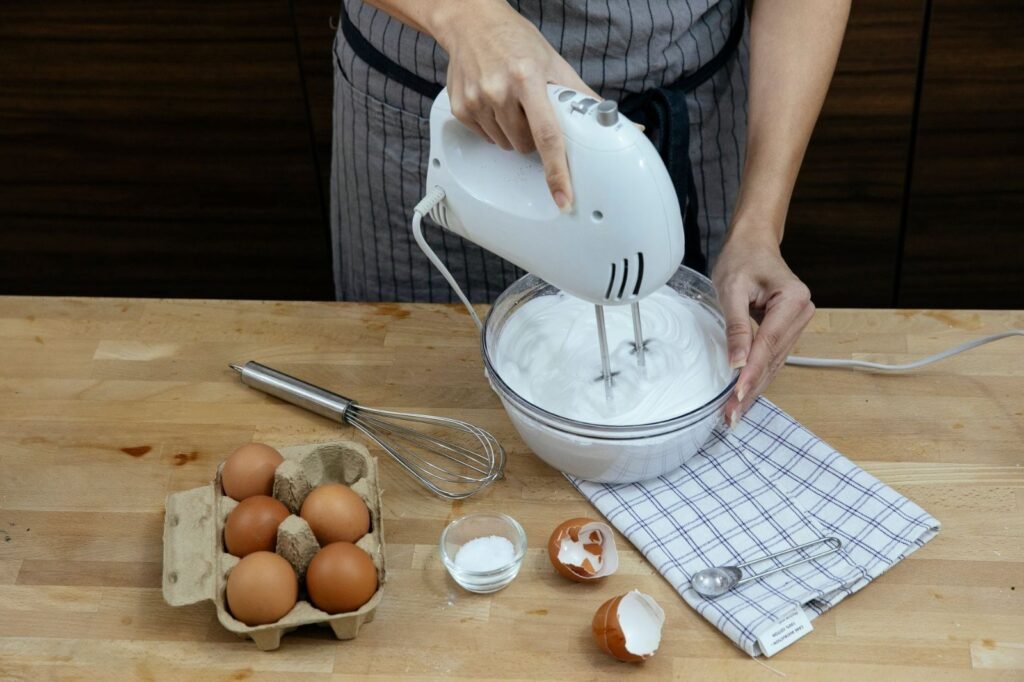
- Whisk the six egg whites with a pinch of salt and a few grinds of black pepper for about 20 seconds, until the whites are slightly foamy but not stiff.
- Return the skillet to medium-low heat and coat it lightly with cooking spray. Pour in the egg whites and let them set undisturbed for about 30 seconds.
- Gently pull the cooked edges toward the center with a silicone spatula, tilting the pan so the uncooked egg flows to the edges. Repeat once or twice until the top is mostly set but still slightly glossy, about 3 to 4 minutes total.
- Spoon the cooked vegetables over one half of the omelette and scatter the feta on top. Fold the other half over the filling.
- Cook for another 30 seconds, then slide the omelette onto a plate. Garnish with chopped chives and serve while hot.
- Tip: Keep the heat moderate. High heat browns the outside before the center sets and makes the omelette tough. The eggs are fully cooked when the center reaches 160 degrees F, the safe internal temperature listed by FoodSafety.gov for eggs.

Storage and reheating leftover omelette
An egg white omelette is best eaten fresh, since the texture softens as it sits. If you have leftovers, let the omelette cool to room temperature for no more than two hours, then refrigerate it in an airtight container. Cooked eggs keep for about three to four days in the refrigerator, according to the FoodSafety.gov cold food storage chart.
To reheat, place the omelette in a nonstick skillet over low heat with a teaspoon of water, cover, and warm for two to three minutes until heated through. You can also microwave it at half power in short bursts, checking often to avoid rubbery spots. Reheated omelette will be less fluffy than a freshly cooked one, so it works best folded into a wrap or served with fresh toppings.
For meal prep, you can also cook the vegetable filling in advance and store it separately. Add it to freshly whisked whites when you are ready to cook, which keeps the eggs tender.
Common mistakes to avoid with egg white omelettes
- Skipping the vegetable pre-cook: Raw spinach and mushrooms release water into the eggs, which leaves the omelette soggy and pale. Always cook them first and drain any liquid.
- Cooking over high heat: Egg whites toughen quickly. Medium to medium-low heat gives a tender, even set.
- Overwhisking: Beating egg whites until they are stiff creates a spongy, dry texture when cooked. A brief whisk until just foamy is enough.
- Stirring too much: Constant scrambling makes small curds rather than a smooth sheet. Let the eggs sit between gentle pulls at the edges.
- Overfilling: Too much filling makes folding difficult and can cause the omelette to tear. Stick to about half a cup of total filling.
- Forgetting seasoning: Egg whites taste bland on their own. Salt, pepper, and a flavorful cheese or herb make a clear difference.

Swaps and variations, including a lighter egg white omelette
- Lighter option: Skip the feta and oil, use cooking spray, and add extra spinach and tomato. This brings the calorie count down further while keeping the volume high. For more on how to match your portions to your goals, see the guide to daily protein needs.
- Mediterranean version: Add halved cherry tomatoes, a few Kalamata olives, and fresh oregano in place of the chives.
- Southwest style: Use diced green chiles, black beans, and a spoonful of salsa, with a pinch of cumin in the whisked egg whites.
- Mushroom and herb: Double the mushrooms and finish with thyme and parsley for an earthy flavor.
- Mix-in protein: Add a few tablespoons of diced cooked chicken or turkey sausage for even more protein per serving.
- Dairy-free: Omit the feta and add nutritional yeast for a savory, cheesy note.
What to serve with your egg white omelette
A slice of whole-grain toast or a small portion of roasted potatoes pairs well with the omelette and adds complex carbohydrates to keep you full through the morning. A serving of fresh fruit, such as berries or sliced melon, rounds out the plate with extra vitamins.
For a larger breakfast, serve the omelette alongside a small bowl of Greek yogurt with berries. If you want a make-ahead option for busy mornings, the spinach and feta egg muffins offer a similar flavor profile in a grab-and-go format. Pair everything with a glass of water or unsweetened coffee or tea.
Frequently asked questions
Can I make an egg white omelette without a nonstick pan?
You can, but a nonstick pan is strongly recommended because egg whites stick easily to bare metal or cast iron that is not well seasoned. If you use another pan, add a little more oil and keep the heat low.
How many eggs whites equal one egg white omelette serving?
Six large egg whites make one generous serving, providing roughly 22 to 25 grams of protein. For a smaller portion, use four whites and reduce the vegetables proportionally.
Is an egg white omelette healthier than a whole egg omelette?
It contains far less fat and cholesterol, since the yolk holds most of an egg's fat. Whole eggs also provide vitamins and minerals, so both can fit a balanced diet depending on your goals.
How do I keep my egg white omelette fluffy?
Whisk the whites just until foamy, cook over medium-low heat, and avoid overcooking. Pulling the edges gently toward the center lets uncooked egg flow beneath and creates a tender texture.
Can I make egg white omelette ahead of time?
You can cook it and refrigerate it for up to three to four days, but it will be firmer and less fluffy when reheated. Preparing the vegetable filling ahead is the best way to save time.
Do egg white omelettes need to be cooked to a certain temperature?
Yes. Eggs should reach 160 degrees F in the center for safe consumption, as recommended by FoodSafety.gov. Cook until the top is set and no liquid egg remains.

Egg White Omelette with Veggies
A light, fluffy egg white omelette filled with sauteed spinach, peppers, and mushrooms, finished with a little reduced-fat feta for about 25 grams of protein.
Ingredients
Instructions
- Heat the olive oil in a 10-inch nonstick skillet over medium heat. Add the onion and cook 2 minutes.
- Add the mushrooms and bell pepper and cook 4 to 5 minutes until the mushrooms brown.
- Add the spinach and cook about 1 minute until wilted. Transfer vegetables to a bowl and wipe the pan.
- Whisk the egg whites with salt and pepper for about 20 seconds until just foamy.
- Return the pan to medium-low heat, lightly coat with cooking spray, and pour in the egg whites.
- Let the eggs set 30 seconds, then gently pull the edges toward the center, tilting the pan, for 3 to 4 minutes until mostly set.
- Spoon the vegetables over one half, sprinkle with feta, and fold the omelette in half.
- Cook 30 seconds more until the center reaches 160 degrees F, slide onto a plate, garnish with chives, and serve hot.
Notes
- Pasteurized liquid egg whites can be substituted for fresh whites.
- For a lighter version, omit the feta and oil and use cooking spray.
Nutrition per serving
- Calories
- 204
- Protein
- 25.9g
- Carbs
- 9.5g
- Fat
- 6.9g
- Saturated fat
- 1.7g
- Fiber
- 3.2g
- Sugar
- 4.4g
- Sodium
- 413mg
- Cholesterol
- 5mg