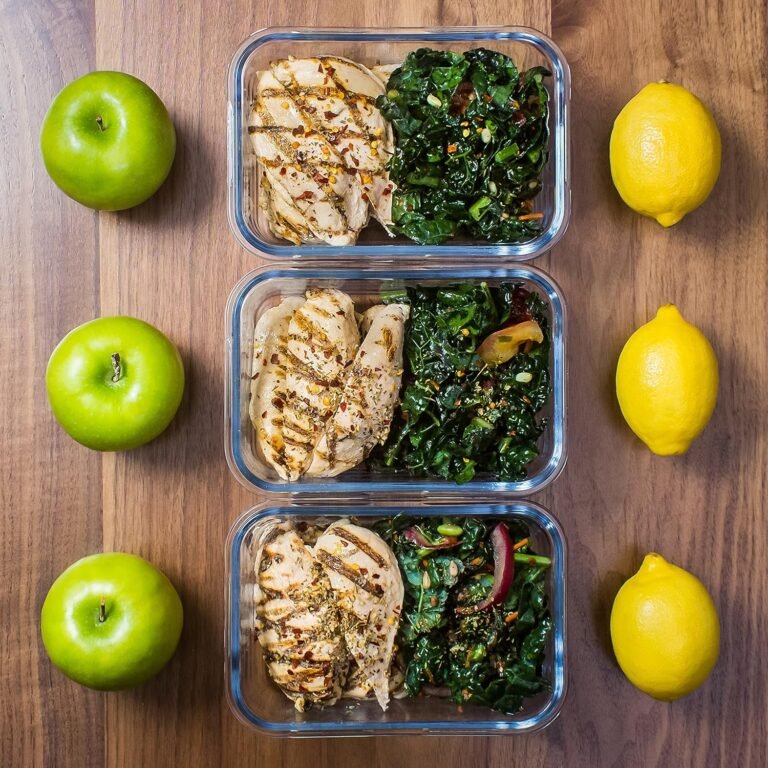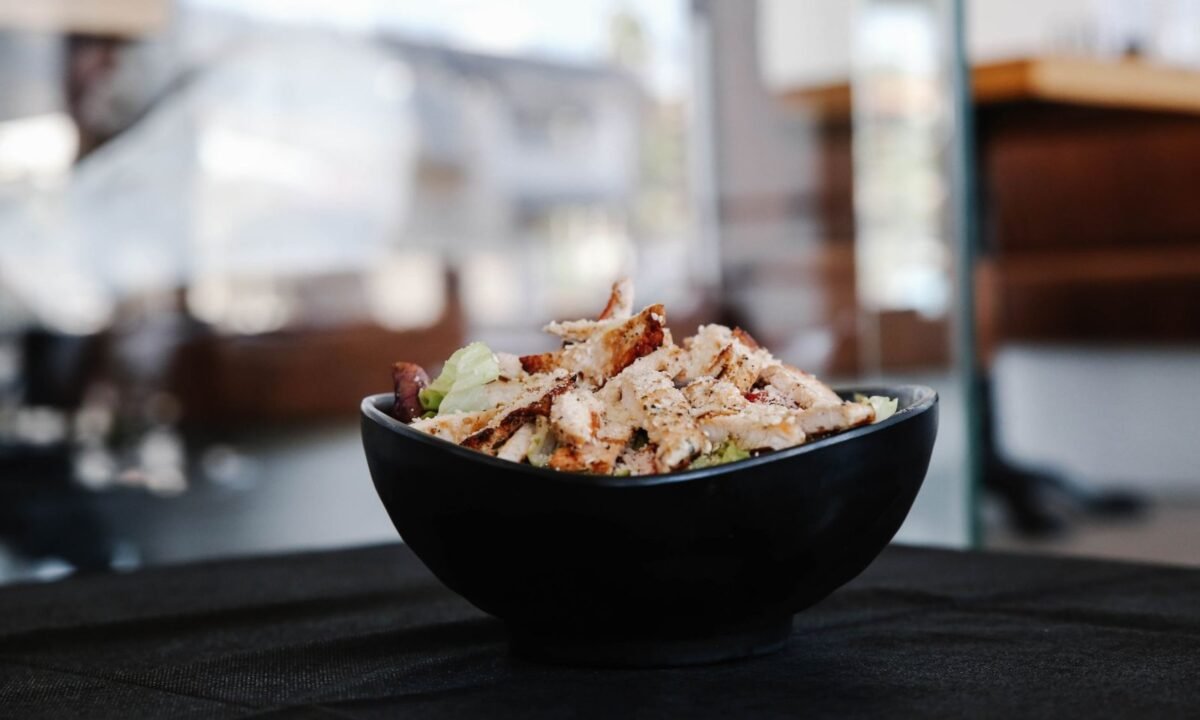
Greek yogurt chicken salad is one of those lunches that feels indulgent but is built on simple, everyday ingredients. Plain Greek yogurt replaces much of the mayonnaise you would normally use, so the salad stays rich and creamy while carrying far more protein and less fat per bite.
This version uses cooked chicken breast, crisp celery, red onion, grapes or pickles for bite, and a short list of herbs and seasonings. You can have it on the table in about 20 minutes if you start with cooked or rotisserie chicken, and it holds up well for several days of packed lunches.
The sections below explain why the recipe works, how to choose each ingredient, the method, how to store the salad safely, and what to serve alongside it.
Full recipe below
Greek Yogurt Chicken Salad
Why this greek yogurt chicken salad works
The core idea is simple: plain Greek yogurt has a thick texture and a bright, tangy flavor that closely mimics the body of mayonnaise, while providing far more protein. A typical 1/2-cup serving of plain nonfat Greek yogurt contains roughly 12 to 14 grams of protein, compared with close to zero in mayonnaise. Using about 3/4 cup of yogurt in a batch that serves four keeps the salad creamy without making it heavy.
Chicken breast is the right base because it is lean and mild, so the yogurt dressing and the seasonings do the flavor work. Dark meat would be richer and more tender, but it would also add fat and calories. If you want more depth, a mix of breast and thigh works well.
Mustard, lemon juice, and fresh dill or parsley add the sharp, herbal notes that make a salad taste finished. Celery and red onion add crunch so the texture is not one-note. The whole thing comes together in one bowl with no cooking after the chicken is ready.
Ingredients you need and how to choose them
- Chicken breast, 1 lb cooked and shredded or diced. Buy boneless, skinless breasts or use leftover rotisserie chicken. Pat any cooked chicken dry before mixing so the dressing does not thin out.
- Plain Greek yogurt, 3/4 cup. Choose plain, whole milk or nonfat, rather than flavored. Full-fat gives a softer, richer texture; nonfat is leaner and still creamy when well stirred. Check the label for added sugar, which should be zero.
- Mayonnaise, 2 tbsp. A small amount keeps the flavor familiar. Light mayonnaise works if you want to trim calories further.
- Celery, 2 stalks, finely diced. Choose firm, pale stalks with leaves still attached for the best crunch.
- Red onion, 2 tbsp finely minced. A small amount gives sharpness; soaking the minced onion in cold water for 5 minutes mellows its bite.
- Red grapes, 1/2 cup halved, or dill pickles, 2 tbsp chopped. Grapes add sweetness and juiciness; pickles add tang. Use one or the other.
- Dijon mustard, 1 tbsp. It adds sharpness and helps the dressing emulsify smoothly.
- Fresh lemon juice, 1 tbsp, plus zest from half the lemon. Bottled juice works in a pinch, but fresh tastes brighter.
- Fresh dill or flat-leaf parsley, 2 tbsp chopped. Dill pairs especially well with yogurt and chicken.
- Kosher salt and black pepper, to taste. Start with 1/2 tsp salt and adjust after the salad rests.
How to make it step by step
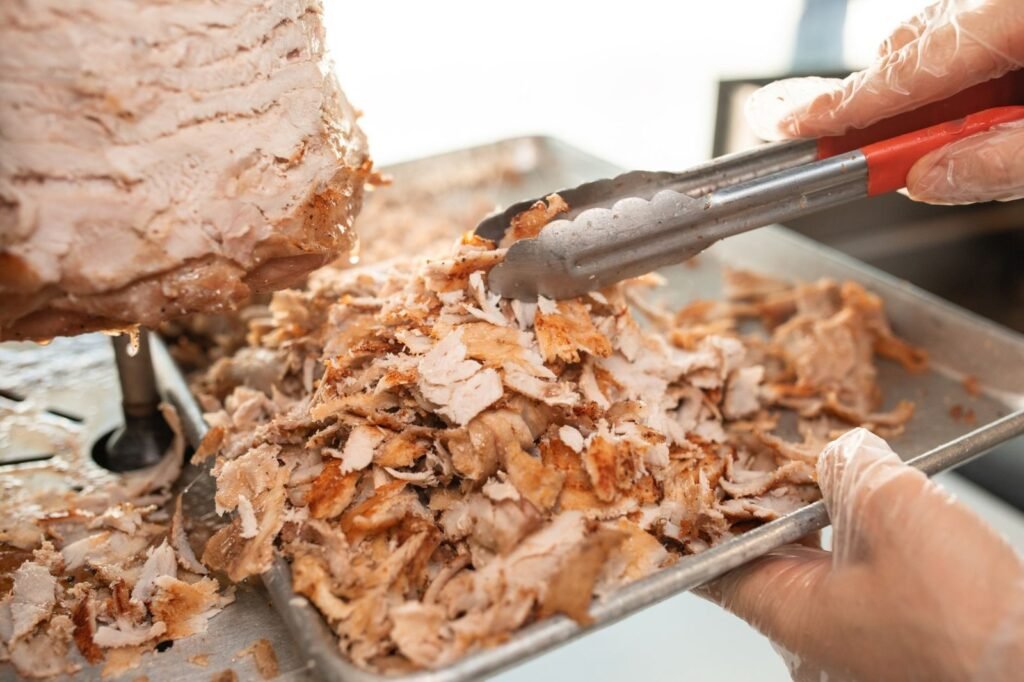
- Cook the chicken if needed. Place 1 lb of boneless, skinless chicken breast in a saucepan, cover with cold water, add a pinch of salt, and bring to a gentle simmer. Cook about 12 to 15 minutes until the thickest part reaches 165°F on an instant-read thermometer, per FoodSafety.gov safe minimum internal temperatures. Transfer the chicken to a cutting board and let it cool for 10 minutes.
- Shred or dice the chicken. Pull the meat into bite-sized shreds with two forks, or dice it into 1/2-inch pieces. Aim for uniform pieces so every bite has the same texture.
- Make the dressing. In a large bowl, whisk together 3/4 cup plain Greek yogurt, 2 tbsp mayonnaise, 1 tbsp Dijon mustard, 1 tbsp lemon juice, and the zest of half a lemon until smooth.
- Add the vegetables and herbs. Stir in 2 stalks of finely diced celery, 2 tbsp minced red onion, and 2 tbsp chopped dill or parsley. Add 1/2 cup halved red grapes or 2 tbsp chopped dill pickles.
- Fold in the chicken. Add the cooled chicken to the bowl and gently fold until every piece is coated. Season with 1/2 tsp kosher salt and black pepper to taste.
- Chill before serving. Cover and refrigerate for at least 15 minutes. The salad tastes better after it rests, and the yogurt firms up slightly as it chills. Taste again and add a squeeze of lemon if it needs brightness.
Storage and reheating for make-ahead lunches
Store the finished salad in an airtight container in the refrigerator at 40°F or below. The USDA advises that cooked chicken and prepared salads like this should be eaten within 3 to 4 days, so make a batch for the start of the week rather than the whole month.
Keep the salad cold until you eat it. If you pack it for work, use an insulated lunch bag with an ice pack. Grapes and pickles release a little liquid over time, so drain them well before mixing if you plan to store the salad for more than a day.
This salad is meant to be eaten cold, so there is no need to reheat it. If it looks a little loose the next day, stir it gently; the yogurt may have softened slightly. Do not freeze it, because yogurt-based dressings separate and the celery turns watery when thawed.
Common mistakes to avoid
- Using warm chicken. Mixing hot chicken into yogurt can make the dressing split and turn thin. Let the chicken cool for at least 10 minutes first.
- Skipping the drain step on cucumbers or pickles. Wet add-ins dilute the dressing. Pat them dry or drain them well before folding them in.
- Over-salting early. Yogurt tastes milder once chilled, and pickles add salt. Season lightly first, then adjust after 15 minutes in the fridge.
- Using flavored yogurt. Vanilla or fruit-flavored Greek yogurt adds sweetness that clashes with the savory salad. Stick with plain.
- Overmixing. Stir gently so the chicken keeps some texture rather than turning into a paste.
Swaps, variations, and a lighter option
- Lighter option: use nonfat plain Greek yogurt and light mayonnaise, or skip the mayonnaise entirely and use 1 cup of yogurt with an extra teaspoon of Dijon. This brings the calorie count down further while keeping the protein high.
- Rotisserie chicken: use about 3 cups of shredded rotisserie chicken to save time. Remove the skin first, since it adds fat.
- Turkey instead of chicken: ground or shredded cooked turkey breast works well and tastes similar.
- Crunchy version: add 1/4 cup chopped toasted pecans or walnuts just before serving for texture.
- Mediterranean twist: add 1/4 cup chopped Kalamata olives, a pinch of dried oregano, and crumbled feta. Use less salt because feta and olives are salty.
- Curry style: stir in 1 tsp curry powder with the mustard and add a few raisins for a sweet-savory flavor.
What to serve with greek yogurt chicken salad
The salad is excellent in whole-grain wraps, on toasted sourdough, or scooped into lettuce cups for a lighter meal. For a balanced plate, pair it with a cup of mixed greens and a serving of fruit.
For a fuller lunch, add a side of roasted vegetables or cucumber slices and a small portion of whole-grain crackers. If you are building a plate around the protein, the Greek yogurt breakfast bowls guide has more high-protein ideas that work with yogurt-based dishes.
If you are tracking intake, the Dietary Guidelines for Americans recommend building meals around vegetables, fruits, whole grains, and lean protein, which this salad fits easily. For more on protein targets, see the protein needs calculator and guide.

Frequently asked questions
Can I make greek yogurt chicken salad ahead of time?
Yes. Make it up to 3 to 4 days ahead and store it in an airtight container in the refrigerator. Stir gently before eating, since the yogurt may loosen slightly.
Is greek yogurt chicken salad high in protein?
Yes. With 1 lb of chicken breast and 3/4 cup of Greek yogurt, the full recipe contains roughly 120 grams of protein, or about 30 grams per serving when divided into four portions. Check your own yogurt and chicken labels for exact numbers.
What internal temperature should chicken reach before I use it in the salad?
Chicken should reach 165°F in the thickest part, as recommended by FoodSafety.gov. Use an instant-read thermometer to confirm before shredding.
Can I use regular yogurt instead of Greek yogurt?
You can, but the texture will be thinner and less tangy. Strain regular plain yogurt through a fine sieve or cheesecloth for 30 minutes to thicken it, or use Greek yogurt for the best results.
Is greek yogurt chicken salad a good option for weight loss?
It can be. Greek yogurt and chicken breast are both lean, high-protein foods that help you feel full. Using nonfat yogurt and light mayonnaise keeps calories lower, and portion size still matters for any meal plan.
How do I keep greek yogurt chicken salad from getting watery?
Let the chicken cool before mixing, drain grapes or pickles well, and pat any cucumber dry. Storing the salad cold in a sealed container also helps it stay thick.
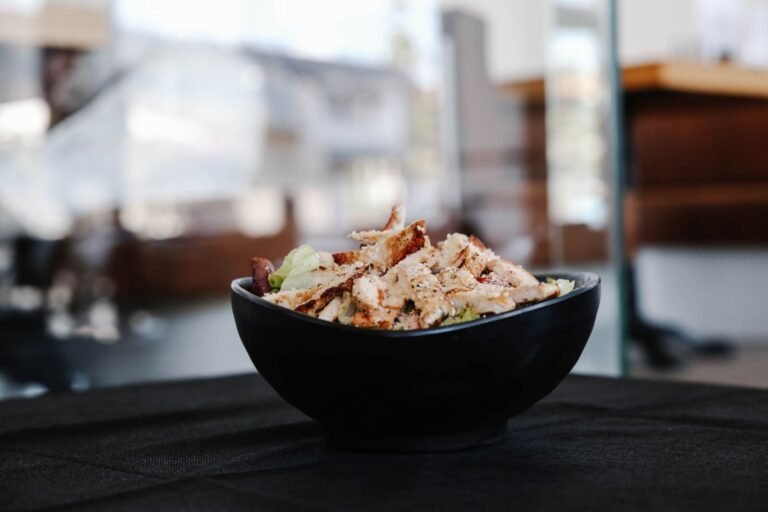
Greek Yogurt Chicken Salad
A creamy, lighter chicken salad made with plain Greek yogurt, Dijon, celery, red onion, and fresh dill for a high-protein lunch.
Ingredients
For the dressing
Add-ins
Seasoning
Instructions
- Simmer the chicken breast in lightly salted water for 12 to 15 minutes until it reaches 165°F, then cool for 10 minutes.
- Shred or dice the chicken into bite-sized pieces.
- Whisk the Greek yogurt, mayonnaise, Dijon, lemon juice, and lemon zest in a large bowl until smooth.
- Stir in the celery, red onion, grapes, and dill.
- Fold in the chicken and season with salt and pepper.
- Refrigerate for at least 15 minutes before serving.
Notes
- Store in an airtight container for up to 4 days.
- Use dill pickles in place of grapes if you prefer a savory salad.
- Nutrition per serving varies with yogurt and mayonnaise choices.
Nutrition per serving
- Calories
- 285
- Protein
- 40.4g
- Carbs
- 7.2g
- Fat
- 9.7g
- Saturated fat
- 2g
- Fiber
- 0.3g
- Sugar
- 5.2g
- Sodium
- 498mg
- Cholesterol
- 102mg