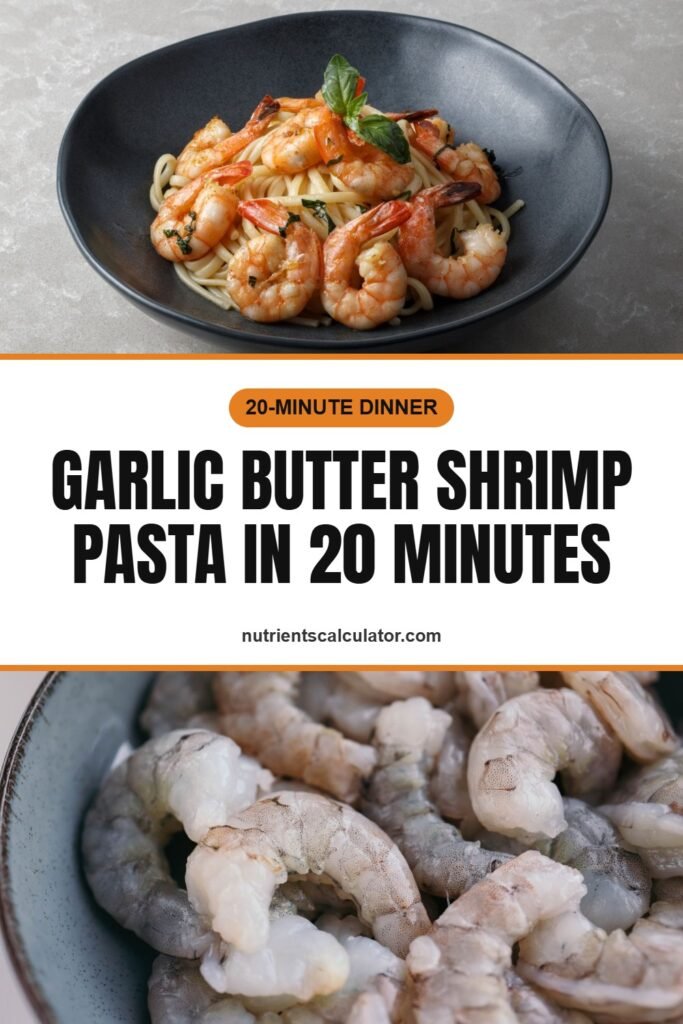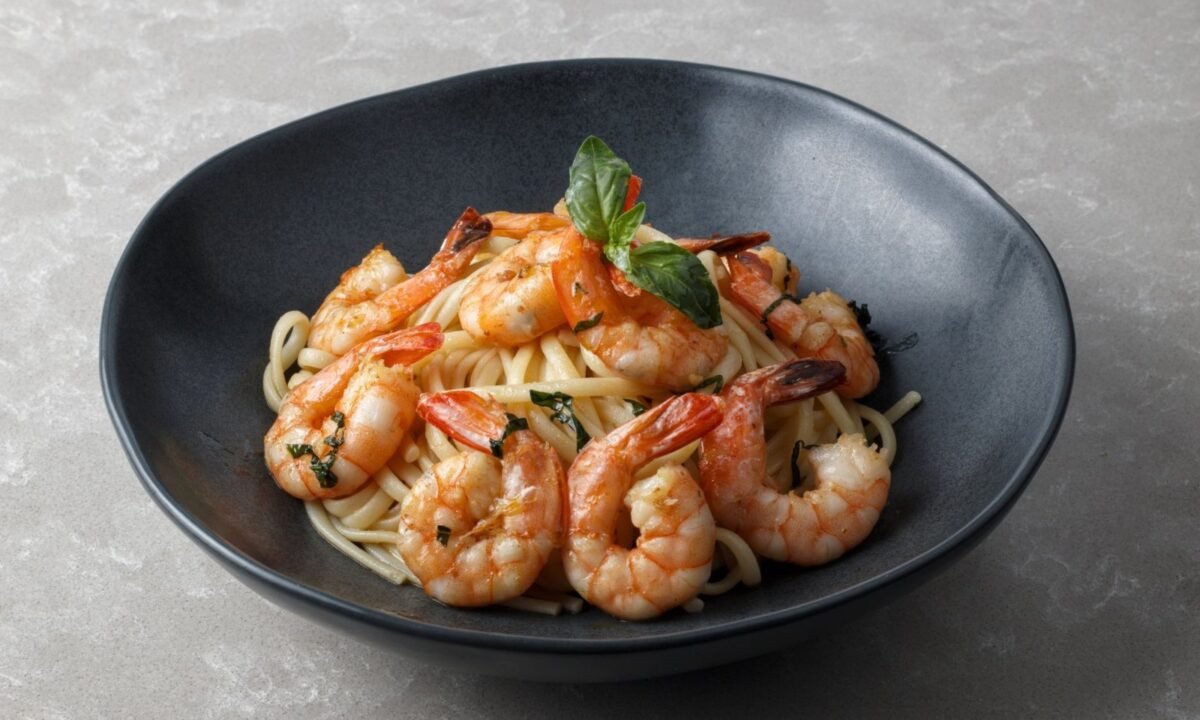
Shrimp pasta is one of the most reliable weeknight dinners you can make. Shrimp cook in only two to three minutes, so the whole dish can come together while the pasta boils. This version uses a simple garlic butter sauce, a splash of pasta water and a squeeze of lemon, which gives you a glossy, restaurant-style coating without any cream.
The recipe makes four servings at roughly 420 calories and about 30 grams of protein per serving, depending on your portion of pasta and butter. Because the ingredient list is short, the quality of each item matters. Good shrimp, real Parmesan and fresh lemon make a bigger difference than any special technique.
Below you will find the ingredients with notes on choosing them, a step-by-step method with the reasons behind each step, storage guidance, common mistakes, swaps for a lighter version and ideas for what to serve alongside.
Full recipe below
Garlic Butter Shrimp Pasta
Why this recipe works
Shrimp pasta succeeds because it balances speed, flavor and texture. Shrimp are naturally sweet and cook quickly, so they only need a short sear in the garlic butter. Overcooking is the main risk, and the method below is designed to prevent it.
The sauce is built from butter, garlic, white wine and the starchy cooking water from the pasta. Starch helps the fat and liquid bind into a light, clingy sauce that coats every strand instead of pooling at the bottom of the bowl. A squeeze of lemon at the end brightens the richness so the dish tastes fresh rather than heavy.
Nutritionally, shrimp is one of the leanest sources of protein you can buy. A 4-ounce serving of cooked shrimp provides around 20 grams of protein and very little fat, according to USDA FoodData Central. Pairing it with whole wheat or enriched pasta and vegetables gives you a balanced plate that fits the guidance in the Dietary Guidelines for Americans.
Ingredients you need and how to choose them
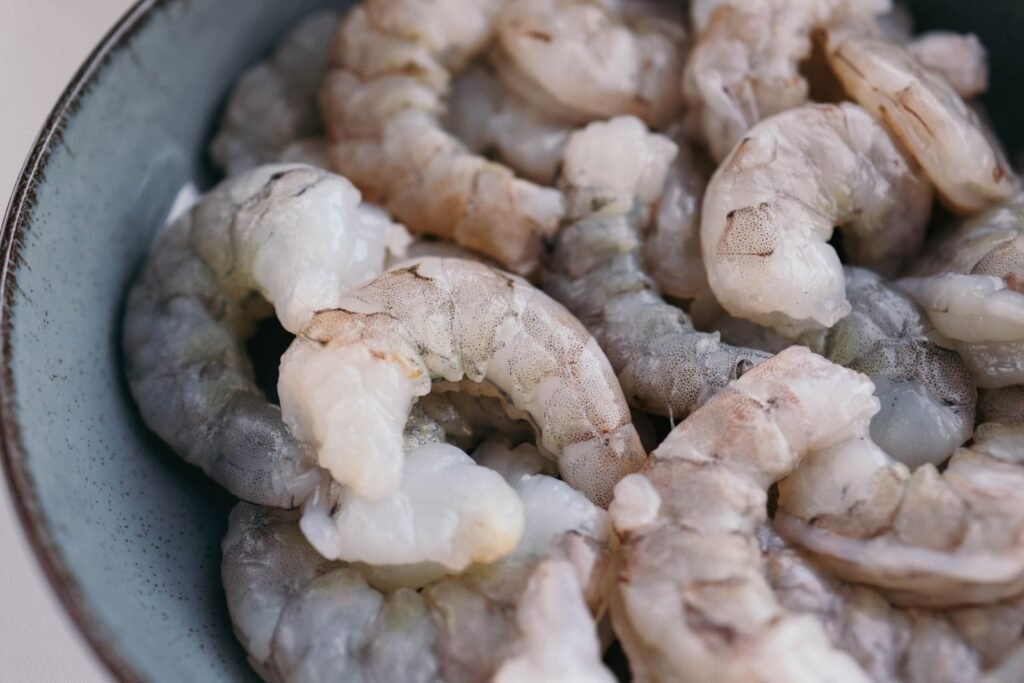
- Shrimp: Buy 1 lb of raw, peeled, deveined shrimp, 16 to 20 count per pound. Larger shrimp stay juicy longer in a hot pan. Frozen shrimp are often better than the 'fresh' counter at the store, since most fresh shrimp were previously frozen. Thaw them in cold water for about 15 minutes and pat dry before cooking.
- Pasta: One 12 oz box of spaghetti, linguine or fettuccine works well. Long, thin shapes hold garlic butter nicely. Choose a bronze-die pasta if you can find it, since its rougher surface grabs the sauce.
- Butter: Use 4 tbsp of unsalted butter so you control the salt. Salted butter is fine if you reduce the added salt.
- Garlic: Six cloves, thinly sliced. Slices toast more evenly than minced garlic and are less likely to burn.
- Olive oil: 2 tbsp extra virgin olive oil for the pan. It keeps the butter from scorching.
- Dry white wine: 1/2 cup of dry white wine such as pinot grigio. If you skip it, use 1/2 cup of low-sodium chicken broth with 1 tsp of lemon juice added.
- Red pepper flakes: 1/4 tsp for gentle heat. Adjust to taste.
- Lemon: One large lemon, for both zest and juice.
- Parmesan: 1/2 cup finely grated, from a block. Pre-grated cheese often contains anti-caking agents that keep it from melting smoothly.
- Fresh parsley: 1/4 cup chopped, added at the end for color and freshness.
How to make garlic butter shrimp pasta step by step
- Bring a large pot of generously salted water to a boil. The water should taste like the sea. Cook the pasta 1 minute less than the package directs, reserving 1 cup of the cooking water before draining. Slightly underdone pasta finishes in the sauce without turning mushy.
- While the pasta cooks, pat the shrimp completely dry with paper towels and season them with 1/2 tsp salt and a pinch of black pepper. Dry shrimp sear rather than steam.
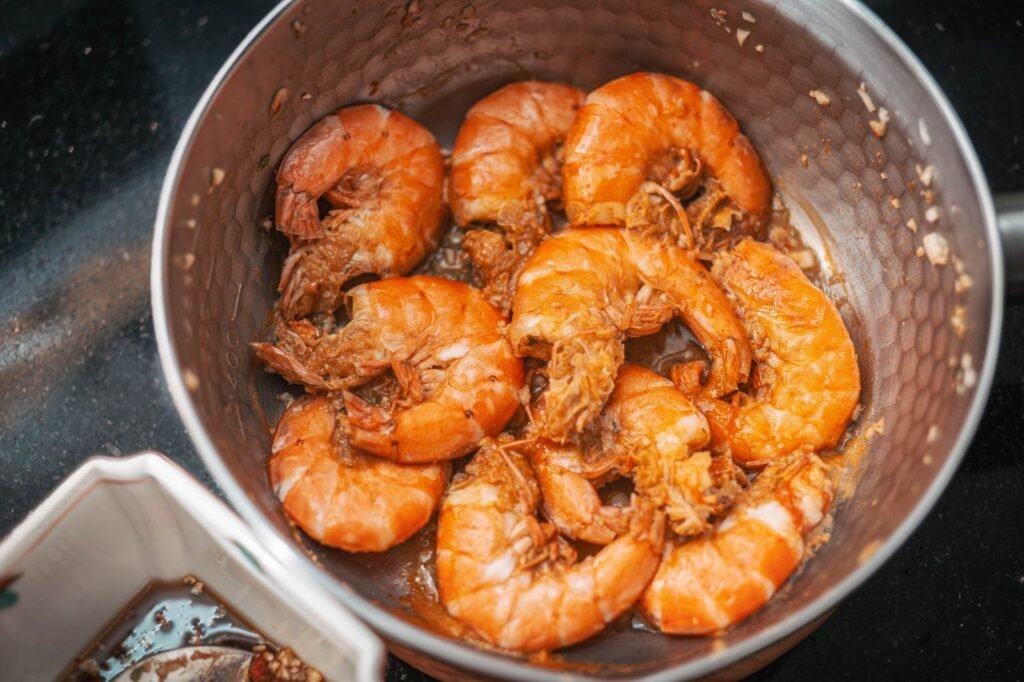
- Heat 2 tbsp olive oil in a large skillet over medium-high heat. Add the shrimp in a single layer and cook 1 to 2 minutes per side, until pink and just opaque. Shrimp are done when they reach 145°F on an instant-read thermometer, as recommended by FoodSafety.gov. Transfer them to a plate.
- Reduce the heat to medium. Add 2 tbsp of the butter, the sliced garlic and the red pepper flakes. Stir for about 30 seconds, until fragrant. Watch carefully: garlic turns bitter within a minute once it browns.
- Pour in the white wine and simmer for 1 to 2 minutes, scraping up any browned bits from the pan. Let it reduce by about half.
- Add the remaining 2 tbsp of butter, the lemon zest and 2 tbsp of lemon juice. Stir until the butter melts into a smooth sauce.
- Add the drained pasta to the skillet with 1/2 cup of the reserved cooking water. Toss over medium heat for about 1 minute, adding more water a splash at a time until the sauce clings to the noodles.
- Return the shrimp and any juices to the pan. Add the Parmesan and parsley and toss gently for 30 seconds. Taste and adjust with more salt, lemon juice or pepper. Serve immediately.
Storage and reheating leftovers
Refrigerate leftovers in a sealed container within two hours of cooking. According to the FDA and USDA cold food storage chart, cooked seafood and pasta dishes keep for three to four days in the refrigerator.
Shrimp becomes rubbery when reheated too hard, so warm leftovers gently. Place the pasta in a skillet over low heat with a tablespoon or two of water or milk, cover and stir until just hot. A microwave works too: use 50 percent power in short bursts and stir between each.
Pasta with shrimp does not freeze well. The texture of both the shrimp and the noodles suffers, so plan to eat leftovers within a few days.
Common mistakes to avoid
- Overcooking the shrimp. Once shrimp curl into a tight O, they are past their best. Pull them off the heat as soon as they turn opaque, since they keep cooking in the warm sauce.
- Skipping the pasta water. The starch in the cooking water is what turns butter and wine into a sauce. Always reserve a cup before draining.
- Burning the garlic. Medium heat and a 30-second window are enough. If the garlic turns brown, start the sauce again with fresh butter.
- Using wet shrimp. Excess water dilutes the sauce and prevents a good sear. Pat them dry thoroughly.
- Adding cheese over high heat. Parmesan can clump or turn grainy. Remove the pan from the heat before stirring it in.
- Under-salting the pasta water. Most of the seasoning in the finished dish comes from the water the pasta cooks in.
Swaps, variations and a lighter option
- Lighter version: Use 2 tbsp of butter plus 1 tbsp of olive oil instead of 4 tbsp of butter. Swap regular pasta for chickpea or lentil pasta, or use half the portion and add 2 cups of spinach or zucchini ribbons. Per serving this cuts roughly 90 calories and 6 grams of fat while keeping the protein high.
- Whole wheat option: Choose whole wheat spaghetti for extra fiber. Check the Nutrition Facts label to compare fiber and sodium between brands.
- Tomato version: Add 1 cup of halved cherry tomatoes when you add the garlic. They soften into a light, sweet sauce.
- Vegetable boost: Stir in 2 cups of baby spinach or chopped asparagus during the last minute of cooking pasta.
- Scallops or chicken: Sear sea scallops for 1 to 2 minutes per side, or use thinly sliced chicken breast cooked to 165°F, following the same method.
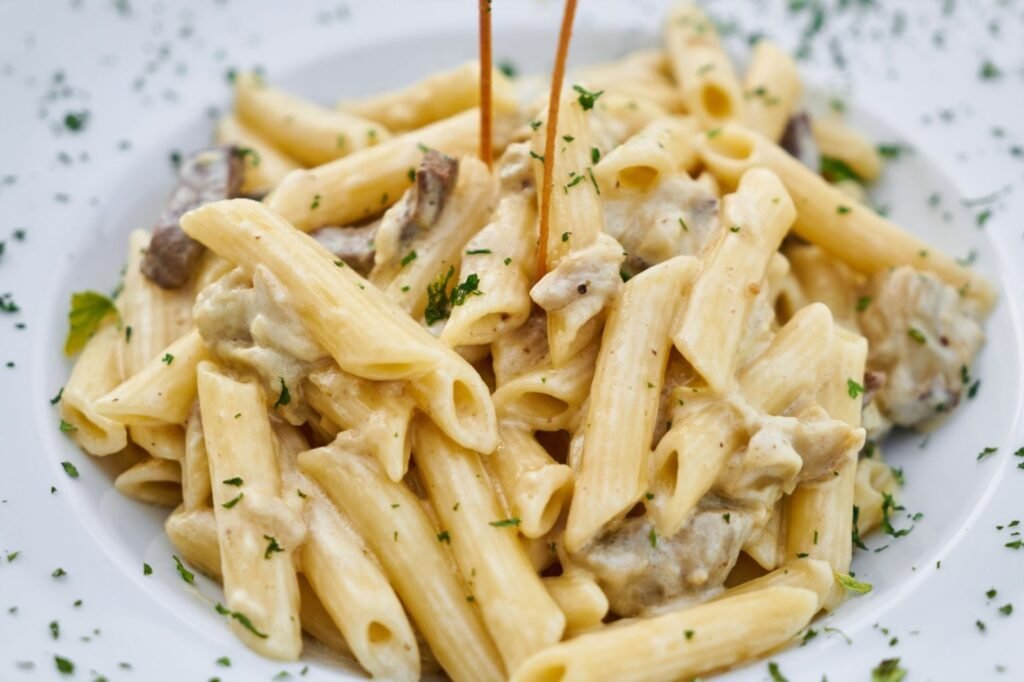
- Different pasta: Orzo, penne or fusilli all work. Shorter shapes suit a chunkier version with vegetables.
What to serve with shrimp pasta
A crisp green salad with a sharp vinaigrette balances the buttery sauce well. Arugula with lemon and shaved Parmesan is a simple choice.
Crusty bread is useful for wiping up any sauce left in the bowl. Toast a slice of sourdough and rub it with a cut garlic clove for a classic pairing.
For a fuller plate, roasted broccoli or green beans add fiber and color. You can also serve a side of steamed snap peas. If you are building a balanced weeknight menu, our sheet pan salmon with roasted vegetables shows another way to pair protein with vegetables. For a lighter lunch the next day, the peanut noodle salad with edamame is a good option.
Frequently asked questions
Can I make shrimp pasta with frozen shrimp?
Yes. Thaw frozen shrimp in a bowl of cold water for about 15 minutes, then pat them very dry before cooking. Frozen shrimp often taste just as good as fresh because they are frozen soon after catching.
How do I know when shrimp are cooked?
Cooked shrimp turn pink and opaque and form a loose C shape. For food safety, they should reach 145°F inside. Overcooked shrimp curl into a tight O and become tough.
Can I make shrimp pasta without wine?
Yes. Replace the wine with 1/2 cup of low-sodium chicken broth plus 1 teaspoon of lemon juice. The sauce will be slightly milder but still flavorful.
What is the best pasta for garlic butter shrimp?
Long shapes like spaghetti, linguine or fettuccine are the most popular because they hold the buttery sauce well. Shorter shapes like orzo or penne also work nicely.
How long does leftover shrimp pasta last?
Store it in an airtight container in the refrigerator for three to four days. Reheat gently over low heat with a splash of water so the shrimp do not toughen.
Is shrimp pasta a healthy dinner?
It can be. Shrimp is high in protein and low in fat, and the dish provides a good amount of protein per serving. Using less butter, adding vegetables and choosing whole wheat pasta makes it a more balanced meal.
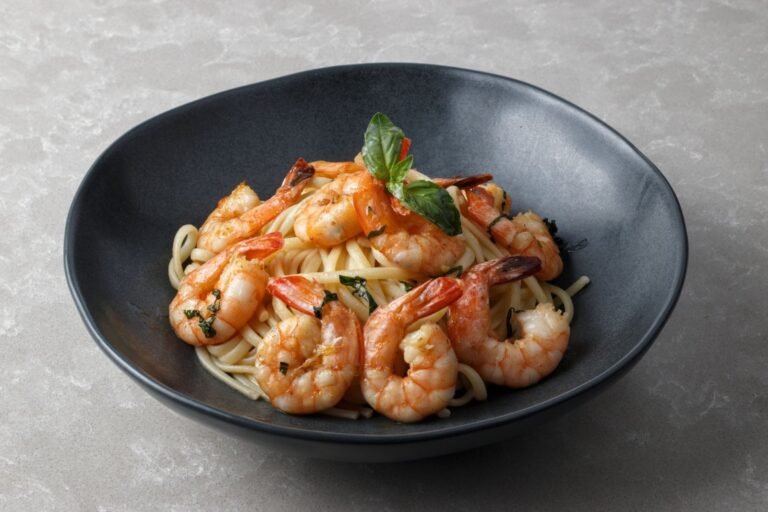
Garlic Butter Shrimp Pasta
A quick shrimp pasta tossed in garlic butter, white wine, lemon and Parmesan, ready in 20 minutes.
Ingredients
Instructions
- Boil generously salted water and cook the pasta 1 minute less than package directions. Reserve 1 cup of pasta water, then drain.
- Pat the shrimp dry and season with 1/2 tsp salt and black pepper.
- Heat 2 tbsp olive oil in a large skillet over medium-high heat. Sear shrimp 1 to 2 minutes per side until opaque and reaching 145°F. Transfer to a plate.
- Reduce heat to medium. Add 2 tbsp butter, garlic and red pepper flakes. Stir 30 seconds until fragrant.
- Add white wine and simmer 1 to 2 minutes until reduced by about half.
- Add remaining 2 tbsp butter, lemon zest and 2 tbsp lemon juice. Stir until smooth.
- Add the pasta and 1/2 cup reserved pasta water. Toss 1 minute, adding more water as needed until the sauce clings.
- Return shrimp to the pan. Remove from heat, add Parmesan and parsley and toss. Season to taste and serve.
Notes
- For a lighter version, use 2 tbsp butter and 1 tbsp olive oil, and add 2 cups of spinach.
- Leftovers keep three to four days refrigerated. Reheat gently over low heat.
Nutrition per serving
- Calories
- 650
- Protein
- 38g
- Carbs
- 67.7g
- Fat
- 22.8g
- Saturated fat
- 10.1g
- Fiber
- 3g
- Sugar
- 3.2g
- Sodium
- 643mg
- Cholesterol
- 220mg