
Artichokes are a nutrient-dense vegetable prized across Mediterranean cuisine, particularly in Italy, Spain, and France. They’re increasingly popular with health-conscious eaters and those managing diabetes or following plant-based diets, thanks to their impressive fiber content and low calorie density.
But if you’re tracking calories or building a meal plan, you need to know exactly what you’re getting. How many calories are in an artichoke? This guide breaks down the complete nutrition profile, portion sizes, and practical tips for incorporating artichokes into your diet.
Calories in Artichoke (Quick Answer)
A medium artichoke (about 120g) contains roughly 64 calories. Calorie counts vary depending on size and preparation:
- Medium artichoke (boiled, edible portion) — 64 calories
- Large artichoke (boiled, edible portion) — 95 calories
- Raw artichoke (medium) — 68 calories
Cooking method has minimal impact on calories, though boiling removes some nutrients. Calorie totals also depend on the size of the globe and how much of the leaves you eat.
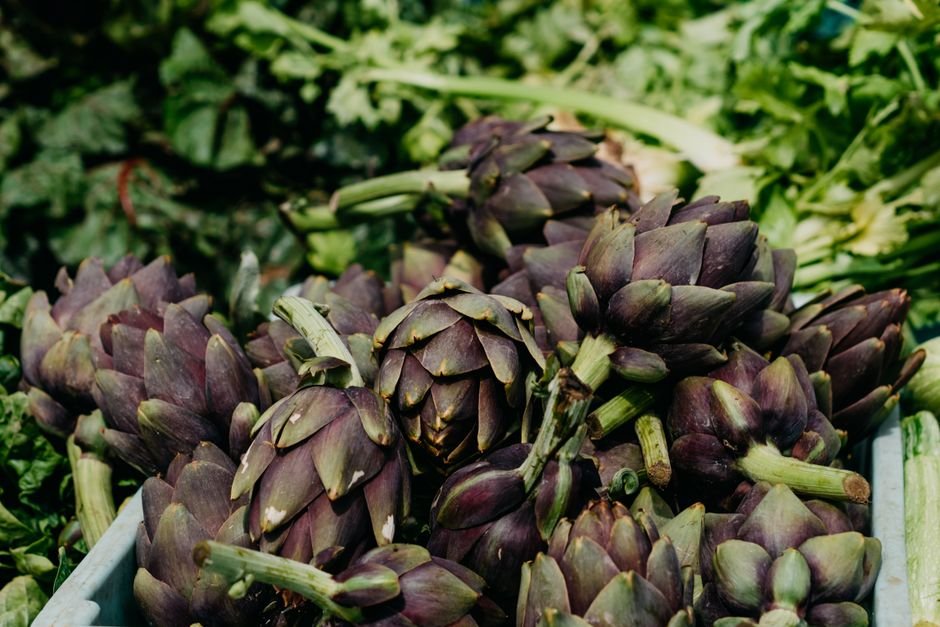
Full Nutrition Facts for One Medium Boiled Artichoke (120g)
A medium boiled artichoke provides a complete nutritional snapshot—low in calories but rich in fiber, vitamins, and minerals that support digestion and heart health.
| Nutrient | Amount | % Daily Value |
|---|---|---|
| Calories | 64 | 3% |
| Total Fat | 0.2g | <1% |
| Saturated Fat | 0.04g | <1% |
| Cholesterol | 0mg | 0% |
| Sodium | 79mg | 3% |
| Total Carbohydrate | 14.3g | 5% |
| Dietary Fiber | 7.2g | 26% |
| Total Sugars | 1.0g | 2% |
| Protein | 3.3g | 7% |
| Vitamin C | 5.1mg | 8% |
| Folate | 107mcg | 27% |
| Magnesium | 51mg | 12% |
*Percent Daily Values are based on a 2,000-calorie diet. Source: USDA FoodData Central.
Key insight: Artichokes are one of the highest-fiber vegetables by weight, with a single medium artichoke providing over a quarter of your daily fiber target. This exceptional fiber content supports digestive health, stable blood sugar, and satiety—making artichokes an asset for weight management despite being rarely mentioned in popular diet discussions.

Etekcity Food Scale
0.1g accuracy — the perfect companion for exact portions.
Raw vs. Cooked Artichoke: Which Has More Nutrition?
Raw Artichoke
- Retains higher levels of vitamin C and heat-sensitive polyphenols
- Slightly firmer texture; more commonly used in salads or sliced raw appetizers
- 68 calories per medium artichoke; marginally higher than cooked due to retained water
Cooked Artichoke (Boiled or Steamed)
- Easier to digest and makes inner heart flesh more accessible
- 64 calories per medium artichoke; retains most fiber and folate
- Better for traditional preparation (dipping in butter or aioli); standard restaurant preparation
Practical takeaway: Neither raw nor cooked artichokes have a significant calorie difference, so choose based on your preference and preparation method. If you’re after maximum nutrient density, eat raw artichoke in salads. If you prefer traditional dishes, boiling or steaming is equally nutritious and makes the edible flesh easier to separate from leaves.
Is Artichoke Good for Weight Loss?
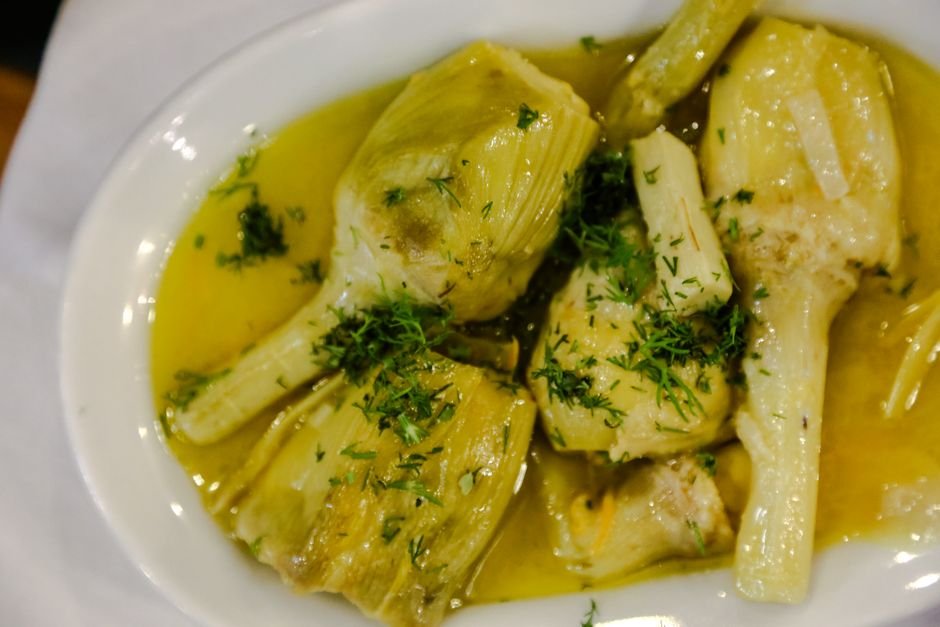
Yes. Artichokes are an excellent choice for weight loss. With only 64 calories per medium artichoke, they’re calorie-sparse yet filling—the 7.2g of fiber keeps you satisfied longer, reducing the urge to snack. The low sugar content (1g) won’t spike blood glucose, and the minimal fat means you can enjoy them without worrying about calorie-dense additions. Most of the weight-loss benefit comes from fiber and volume relative to calories.
Tips to Eat Artichoke Without Gaining Weight:
- Watch your dipping sauce: Melted butter or hollandaise adds 80–150 calories per serving. Use lemon juice, garlic vinaigrette, or low-fat Greek yogurt sauce instead.
- Roast instead of boil: Toss with minimal olive oil (½ teaspoon per artichoke) and roast at 400°F for a crispy, satisfying texture without excess calories.
- Eat the whole vegetable: Don’t waste the fiber-rich leaves. Scrape the tender inner flesh off each leaf rather than discarding them.
- Add to salads: Chop boiled artichoke hearts into mixed greens for a nutrient boost that adds almost no calories and increases satiety.
Pair artichokes with lean proteins (grilled chicken, tofu, fish) and whole grains to create balanced, calorie-controlled meals that keep blood sugar steady.
How Portion Size Affects Calories
Artichoke portion sizes vary more widely than most vegetables because “one artichoke” can range from 80g (small) to 200g (very large). A small artichoke might be 45 calories, while an extra-large globe could exceed 120 calories. The edible portion (just the heart and inner leaf bases) is roughly 50–60% of the whole artichoke’s weight, which also affects your actual intake.
Example:
- Small artichoke (80g): approximately 43 calories
- Large artichoke (160g): approximately 86 calories
When meal planning, weigh your artichoke before cooking if you need precision; otherwise, treat a medium-sized one (roughly the size of a small fist) as your 64-calorie baseline.
Best Way to Measure Artichoke Accurately
Artichokes are irregular in shape, so eyeballing portions is imprecise. The most reliable approach depends on whether you’re measuring whole artichokes or prepared hearts. A kitchen scale will give you exact weights and calorie counts, while visual comparisons work for quick estimates.
Options:
- Kitchen scale (most accurate): Weigh the whole artichoke raw, then calculate based on weight. One medium artichoke = 100–130g raw.
- Visual comparison: A medium artichoke is roughly the size of a tennis ball to small grapefruit. Use this as your mental baseline when artichokes aren’t available for weighing.
- Canned or jarred artichoke hearts: Check the label for serving size (usually listed as ½ cup or 3–4 hearts). These are pre-measured and consistent.
Calculate Your Exact Calorie Intake
If you’re tracking artichokes as part of a weight-loss plan or balanced diet, knowing the exact calorie contribution of your portion matters. Manual calculation is tedious when you’re juggling multiple foods.
Our free AI nutrients calculator lets you input any food or portion size and instantly see total calories, macros, and micronutrients. Use the calculator here to log your artichoke meals and see how they fit into your daily targets.
- Get instant macro breakdowns (protein, carbs, fat) for any artichoke preparation
- Track full meal nutrition, not just individual ingredients
- Identify dietary gaps and optimize your micronutrient intake
Common Mistakes When Eating Artichoke
Even though artichokes are healthy, common preparation and eating mistakes can sabotage your nutrition goals or waste the vegetable. Here are the top four pitfalls:
❌ Drowning artichokes in high-calorie dips: A single artichoke with 2 tablespoons of butter or hollandaise nearly triples the calorie count from 64 to 180+. Choose yogurt-based or vinegar-based dips instead.
❌ Discarding the leaves: Many people eat only the heart, wasting the nutrient-rich leaves. The tender inner leaf bases contain concentrated fiber and phytonutrients.
❌ Overcooking and losing nutrients: Boiling artichokes for longer than 30–45 minutes leaches water-soluble vitamins into the water. Steam or roast instead for better nutrient retention.
❌ Confusing artichoke with artichoke dip: Commercial spinach-artichoke dips are only 10–15% actual artichoke and loaded with cream, cheese, and sodium—a far cry from the vegetable itself.
Prepare fresh whole artichokes whenever possible, measure your sauces, and use this vegetable as the star of your dish rather than a supporting ingredient hidden in creamy dips.
FAQ
How many calories are in 100g of artichoke?
A 100g serving of boiled artichoke contains approximately 53 calories. For reference, USDA data counts both the edible flesh and heart, so a 100g serving includes mostly leaf bases and the tender heart.
Is artichoke fattening?
No. With 0.2g of fat per medium artichoke, artichokes are one of the lowest-fat vegetables available. They are not fattening when prepared simply (boiled, steamed, or roasted with minimal oil). High-calorie trouble comes only from creamy dips and buttery sauces paired with them.
Can you eat artichoke raw?
Yes. Young, tender artichokes (baby artichokes) are commonly eaten raw in Mediterranean salads. Larger globe artichokes are edible raw but tougher and more bitter; they’re usually cooked to soften the leaves and improve digestibility.
How much fiber is in an artichoke?
One medium boiled artichoke provides 7.2g of dietary fiber, which is 26% of the daily recommended intake. This exceptional fiber content supports digestive health, feeds beneficial gut bacteria, and contributes to the long-lasting satiety that makes artichokes valuable for weight management.
Conclusion
Artichokes are a nutritional powerhouse for anyone counting calories or building a balanced diet. At just 64 calories per medium artichoke and loaded with fiber, folate, and magnesium, they offer exceptional nutrient density—meaning you get a lot of nutrition for very few calories. Whether you’re managing your weight, supporting digestive health, or simply eating whole foods, artichokes deserve a regular place at your table.
The key to getting the most from artichokes is simple preparation and mindful portions. Skip the heavy creams and butters, measure your sauces, and eat the entire vegetable when possible. For precise calorie and nutrient tracking across all your meals, rely on a free nutrients calculator to remove the guesswork and keep you accountable to your health goals.
