
Bananas are one of the world’s most widely consumed fruits, from breakfast tables in North America to street markets across Asia and Africa. Whether you’re tracking calories for weight loss, building muscle, managing blood sugar, or simply staying healthy, bananas appear in nearly every nutrition conversation. They’re affordable, portable, and packed with essential nutrients—but calories and sugar content often raise questions among people watching their intake.
How many calories are in a banana? The answer depends on size and ripeness, but this guide covers exact calorie counts for common serving sizes, complete nutrition facts, and practical tips for incorporating bananas into your diet without unintended weight gain.
Calories in Banana (Quick Answer)
A medium banana typically contains around 105 calories, though size and ripeness make a real difference:
- Small banana (7 inches): 90 calories
- Medium banana (7–8 inches): 105 calories
- Large banana (8–9 inches): 120 calories
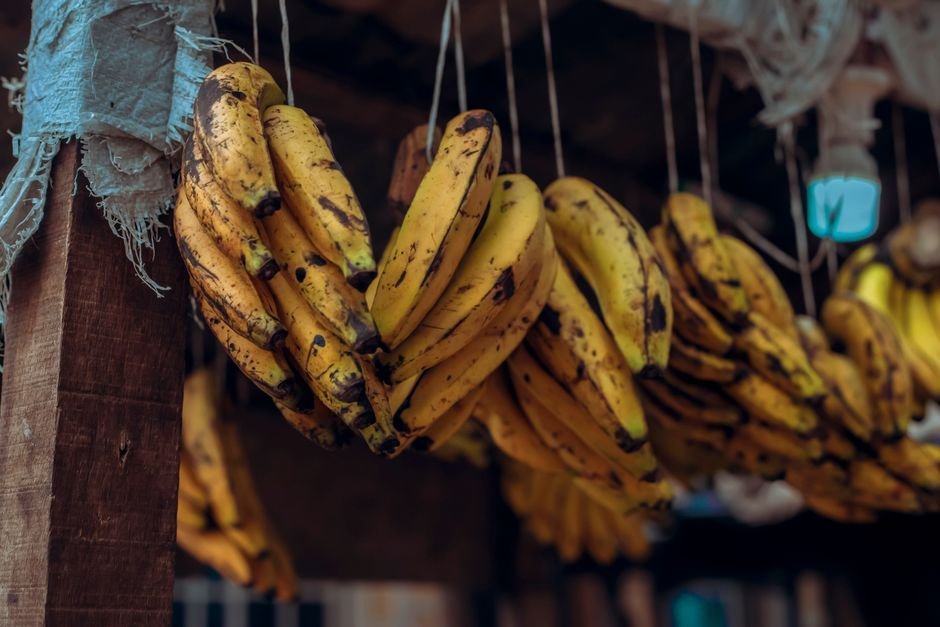
Calorie content also varies slightly by ripeness and variety. Ripe bananas are sweeter and contain slightly more digestible carbohydrates, while green bananas have more resistant starch.
Full Nutrition Facts for One Medium Banana (118g)
A medium banana provides a solid foundation of carbohydrates, fiber, and micronutrients essential for energy and digestive health. Here’s the complete breakdown:
| Nutrient | Amount | % Daily Value |
| Calories | 105 | — |
| Total Fat | 0.3g | 0% |
| Saturated Fat | 0.1g | 0% |
| Cholesterol | 0mg | 0% |
| Sodium | 1mg | 0% |
| Total Carbohydrate | 27g | 9% |
| Dietary Fiber | 3.1g | 11% |
| Total Sugars | 14g | — |
| Protein | 1.3g | 3% |
| Potassium | 422mg | 12% |
| Vitamin B6 | 0.43mg | 21% |
| Vitamin C | 8.7mg | 15% |
*Percent Daily Values are based on a 2,000-calorie diet. Source: USDA FoodData Central.
Key insight: Bananas are exceptional for potassium—a single medium banana delivers 12% of your daily target, making them particularly valuable for cardiovascular health, muscle function, and blood pressure regulation. The 3.1g of fiber is also underrated, supporting digestive health without a heavy calorie load. The natural sugars (14g) provide quick energy, which is why athletes often eat bananas before or after exercise.
Etekcity Food Scale
0.1g accuracy — the perfect companion for exact portions.
Unripe Green Banana vs. Ripe Yellow Banana
Ripeness fundamentally changes how your body processes a banana. Green bananas contain more resistant starch, which acts like fiber and is harder to digest, while yellow bananas are higher in simple sugars and digest quickly.
Unripe Green Banana
- Higher in resistant starch (acts as a prebiotic, feeding beneficial gut bacteria)
- Lower glycemic index; blood sugar rises more slowly
- Slightly more protein-like amino acid content and lower sugar
Ripe Yellow Banana
- Higher in natural sugars and antioxidants; sweeter taste
- Faster energy release, ideal for pre-workout fuel
- Easier to digest; more suitable for sensitive stomachs
Practical takeaway: Choose green bananas if you’re managing blood sugar or prioritizing digestive health; pick ripe yellow bananas if you need quick energy or prefer easier digestion. Both are nutritious—your timing and health goal should dictate your choice.
Is Banana Good for Weight Loss?
Yes, bananas can support weight loss despite their natural sugar content. At around 105 calories per medium banana, they’re relatively low in calories and provide 3g of fiber plus resistant starch (especially when green), which promotes satiety. The key is portion control and pairing them with protein or healthy fats to slow sugar absorption. Many people lose weight while eating bananas regularly because the fruit keeps them satisfied and prevents overeating later.
Tips to Eat Banana Without Gaining Weight:
- Pair with protein: Eat banana with Greek yogurt, almond butter, or cottage cheese to stabilize blood sugar and keep you full longer.
- Measure your portion: Stick to one medium banana (105 calories) rather than consuming multiple bananas or large ones without tracking.
- Choose green over ripe: Green bananas have more resistant starch and a lower glycemic index, causing a gentler blood sugar rise.
- Time it strategically: Eat bananas pre-workout for energy or as a post-workout recovery snack, not as a standalone evening snack alongside calorie-dense foods.
Bananas become problematic for weight loss only when eaten in excess, consumed with added sugars (as banana bread or chips), or eaten alone without any balancing nutrients. Used sensibly, they’re actually one of the better fruits for weight management.
How Portion Size Affects Calories
Banana calories scale directly with weight. A difference of just one inch in length can add 10–15 calories. When buying loose bananas or eating at restaurants, you’re often getting larger specimens than nutrition labels assume. Knowing your banana’s actual size prevents calorie miscalculation and keeps your tracking accurate.
Example:
- Small banana (7 inches, ~101g): 90 calories—good if you’re in a calorie deficit or want a light snack.
- Large banana (9 inches, ~136g): 120 calories—nearly 33% more, which adds up over a week if you’re counting.
When in doubt, weigh your banana on a kitchen scale or compare it to a standard ruler.
Best Way to Measure Banana Accurately
Visual estimation is unreliable for bananas because two “medium” bananas from different bunches can vary by 20 calories or more. The most accurate approach is using a kitchen scale or a visual reference like a ruler. This ensures your nutrition tracking is truly precise, not based on guesswork.
Options:
- Digital kitchen scale: Weigh the peeled banana (discard the peel). A medium banana is typically 101–118g. This is the gold standard for accuracy.
- Measure by length: Use a ruler or your kitchen measuring tape. Small = 7 inches, medium = 7–8 inches, large = 8–9 inches. It’s not perfect but beats eyeballing.
- USDA FoodData Central database: Search the exact variety and weight to get precise calorie and nutrient counts for your specific banana.
Calculate Your Exact Calorie Intake
If bananas are a staple in your diet, knowing their exact calorie and nutrient contribution matters—especially if you’re balancing macros for fitness goals or managing a medical condition like diabetes. Guessing leaves room for error that compounds over weeks and months.
Our free AI-powered nutrients calculator instantly calculates the exact macros and micronutrients in your banana—and in any meal or food combination. Input your banana’s weight, variety, and ripeness, and get a complete breakdown in seconds. You can also log multiple foods to see how they fit into your daily calorie and macro targets.
- Get precise calorie, protein, carb, and fiber counts—no guessing or rounding.
- Track micronutrients like potassium and vitamin B6 to optimize your intake.
- Compare multiple banana sizes and ripeness levels side-by-side to find your ideal choice.
Common Mistakes When Eating Banana
Even a healthy fruit can backfire if eaten the wrong way. Here are the most frequent errors people make:
❌ Eating bananas without weighing them. Most people underestimate banana size, thinking they’re eating 105 calories when they’re actually consuming 135. Over a month, that’s an extra 900 calories.
❌ Pairing bananas with high-calorie foods and counting only the banana. A banana with 2 tablespoons of peanut butter (190 calories) is now a 295-calorie snack—but many people log just 105 and wonder why they’re not losing weight.
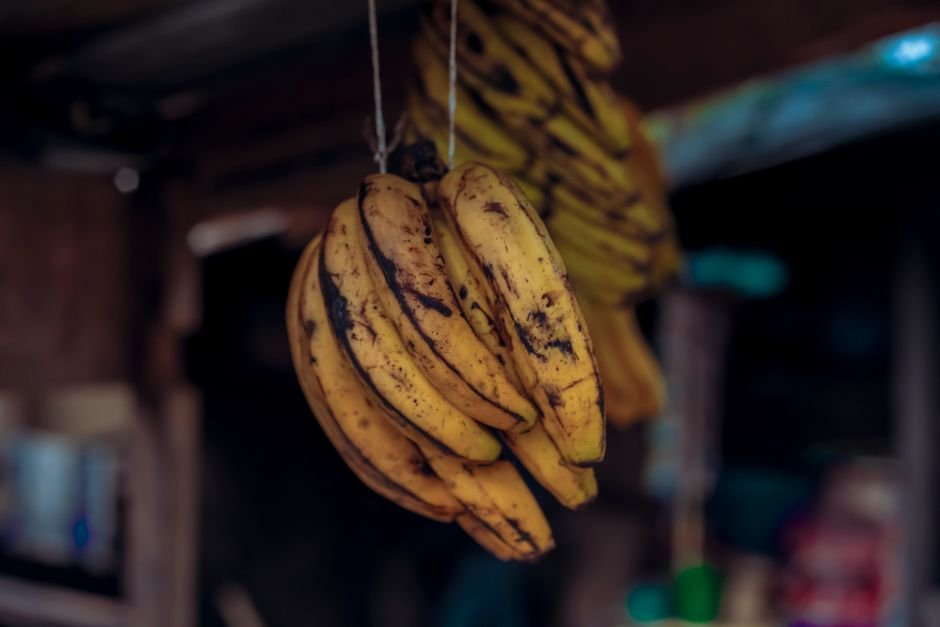
❌ Choosing very ripe (brown-spotted) bananas without understanding the shift to simple sugars. If you’re diabetic or blood-sugar-sensitive, these cause spikes; green bananas are safer.
❌ Eating multiple bananas per day without adjusting other foods. A single banana is fine; three bananas plus a regular diet means excess carbohydrates and calories that add up quickly.
Awareness of these pitfalls keeps bananas working for your goals instead of against them.
FAQ
How many calories are in 100g of banana?
A 100g portion of banana (about half a medium banana) contains approximately 89 calories. This makes bananas easy to scale: 200g = 178 calories, 150g = 133 calories, and so on.
Is banana fattening?
No. Bananas are low in fat (0.3g per medium banana) and relatively low in calories (105). The myth that bananas cause weight gain comes from eating them in excess, often combined with other calorie-dense foods like chocolate or peanut butter, or consuming ripe bananas without balancing them with protein. One banana a day, eaten mindfully, supports healthy weight management.
Do bananas have more calories when ripe?
Technically, yes—very ripe bananas with brown spots have slightly more simple sugars and thus marginally more digestible carbs, but the difference is negligible (1–2 calories max). The real difference is how your body processes them: ripe bananas spike blood sugar faster, while green bananas provide steady, slower-digesting energy.
Can I eat a banana on a keto diet?
Not easily. A medium banana contains 27g of carbohydrates, which can push you out of ketosis if your daily target is 20–50g net carbs. Most keto dieters avoid bananas or save them for occasional high-carb refeed days. Other fruits like raspberries or avocado are lower-carb alternatives.
Conclusion
Bananas are nutrient-dense, portable, and genuinely supportive of weight loss and overall health when eaten in appropriate portions. At 105 calories for a medium banana, they offer excellent value: three grams of fiber, 422mg of potassium (12% of daily need), and significant vitamin B6 for brain and nervous system function. Their natural sugars provide quick energy without added ingredients, and their versatility makes them easy to incorporate into nearly any meal or snack.
The key to making bananas work for your goals is accuracy: know your banana’s size and ripeness, pair it with protein when possible, and use a reliable nutrients tracker to log it correctly. Whether you’re managing weight, building muscle, or simply eating well, bananas deserve a regular spot in your diet. For complete transparency on how bananas fit into your daily nutrition, use a free AI nutrients calculator to track every macro and micronutrient you consume.
