
Bison meat has surged in popularity among health-conscious eaters, athletes, and those managing their protein intake. Unlike conventional beef, bison is leaner, naturally grass-fed, and contains a more favorable ratio of omega-3 to omega-6 fatty acids. Whether you’re building muscle, managing weight, or simply exploring alternative proteins, understanding bison’s nutritional profile is essential.
But how many calories are actually in bison, and how does it compare nutritionally to beef? This guide breaks down the complete nutrition facts, portion considerations, and practical strategies for incorporating bison into your diet.
Calories in Bison (Quick Answer)
A standard 3-ounce (85g) cooked bison strip steak contains approximately 109 calories, making it an exceptionally lean protein source.
- 3 oz (85g) bison strip steak, cooked: 109 calories
- 3 oz (85g) bison ground meat, cooked: 152 calories
- 3 oz (85g) bison ribeye, cooked: 180 calories
Calorie content varies by cut, cooking method, and fat content. Leaner cuts deliver fewer calories than fattier portions.
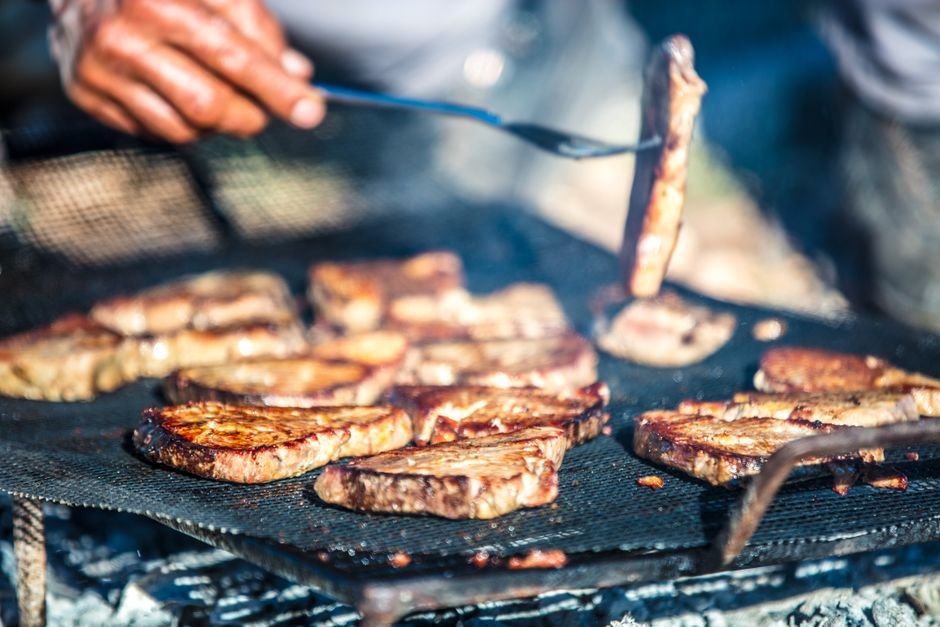
Full Nutrition Facts for 3 oz (85g) of Cooked Bison Strip Steak
Here is the complete nutritional breakdown for a standard 3-ounce serving of cooked bison strip steak, the leanest common cut:
| Nutrient | Amount | % Daily Value |
|---|---|---|
| Calories | 109 | — |
| Total Fat | 2.4g | 3% |
| Saturated Fat | 0.9g | 5% |
| Cholesterol | 68mg | 23% |
| Sodium | 72mg | 3% |
| Total Carbohydrate | 0g | 0% |
| Dietary Fiber | 0g | 0% |
| Total Sugars | 0g | 0% |
| Protein | 21.6g | 43% |
| Iron | 3.2mg | 18% |
| Zinc | 5.1mg | 46% |
| Vitamin B12 | 2.4mcg | 40% |
*Percent Daily Values are based on a 2,000-calorie diet. Source: USDA FoodData Central.
Key insight: Bison delivers an exceptional protein-to-calorie ratio (21.6g protein in just 109 calories) while keeping saturated fat extremely low. The zinc content at 46% of daily value makes bison particularly valuable for immune function and muscle recovery, while the B12 supports energy metabolism and nervous system health.

Etekcity Food Scale
0.1g accuracy — the perfect companion for exact portions.
Bison vs. Beef: Which Is Leaner?
Bison Strip Steak (3 oz, cooked)
- 109 calories, 2.4g total fat, 21.6g protein
- Lower saturated fat (0.9g) and cholesterol (68mg)
- Higher omega-3 fatty acids per serving than typical beef
Beef Strip Steak (3 oz, cooked)
- 180 calories, 9g total fat, 24g protein
- Higher saturated fat (3.5g) and cholesterol (80mg)
- Lower omega-3 to omega-6 ratio than bison
The takeaway: Bison contains roughly 40% fewer calories and 73% less fat than comparable beef cuts, while maintaining similar protein levels. If you’re seeking a red meat that supports weight loss or cardiovascular health without sacrificing muscle-building protein, bison is objectively the leaner choice. The higher omega-3 content also provides anti-inflammatory benefits not found in standard grain-fed beef.
Is Bison Good for Weight Loss?
Yes. Bison is exceptionally suitable for weight loss due to its low calorie density, high protein content, and minimal fat. The 21.6g of protein per 109 calories activates satiety hormones and increases thermogenesis (the calories burned during digestion), helping you feel fuller longer on fewer calories. Additionally, bison’s naturally grass-fed status means it contains no artificial additives or unnecessary sodium, which can trigger water retention.
Tips to Eat Bison Without Gaining Weight:
- Choose lean cuts: Strip steak, sirloin, and tenderloin contain 40–50% fewer calories than ground bison or ribeye.
- Measure portions: Stick to 3–4 ounce servings; a single 8 oz steak delivers 290+ calories.
- Grill or broil: These methods drain fat. Avoid pan-frying in oil or butter, which adds 120+ calories per tablespoon.
- Pair with low-calorie sides: Combine bison with vegetables, salads, or brown rice rather than potatoes or cream sauces.
When prepared simply—grilled without added oils—bison is one of the most weight-loss-friendly animal proteins available, rivaling chicken breast in caloric efficiency while delivering superior mineral content.
How Portion Size Affects Calories
Portion size dramatically impacts total calorie intake with bison. A 3-ounce serving (the standard restaurant portion) contains 109 calories, but casual portions often double or triple that amount. Understanding the relationship between weight and calories helps you maintain control without guesswork.
Example:
- Small portion (3 oz/85g bison steak): 109 calories, 21.6g protein
- Large portion (8 oz/227g bison steak): 290 calories, 57.6g protein
The difference is stark: a single extra 5 ounces adds 181 calories—equivalent to an entire snack. Using a kitchen scale ensures you’re hitting your target macros without hidden calorie creep.
Best Way to Measure Bison Accurately
Eyeballing bison portions leads to consistent underestimation. A 3-ounce serving looks smaller than most people expect, and restaurant cuts regularly exceed 8 ounces. Using a kitchen scale is the only reliable method to track calories and protein accurately.
Options:
- Digital kitchen scale: Place bison on the scale before cooking, then weigh the cooked portion using the tare function. Most accurate method.
- Hand portion guide: A 3-ounce serving roughly equals the palm of your hand. Less precise but useful when scales aren’t available.
- Nutritional labels on packaged bison: Ground bison and pre-portioned cuts often include package weights; verify the cooked-weight conversion factor (raw bison loses 25–30% weight when cooked).
Calculate Your Exact Calorie Intake
Tracking bison’s calories manually becomes tedious when you’re also logging vegetables, grains, and other proteins. How do you ensure you’re hitting your targets without constant recalculation?
A reliable nutrients calculator takes the guesswork out of meal planning. Our free AI nutrients calculator instantly provides complete macro and micronutrient breakdowns for any serving size or combination of foods—from single 3-ounce bison portions to full meal combinations. Simply enter your food and portion, and get detailed calorie, protein, fat, and micronutrient data in seconds.
- Instant macro breakdowns for any serving size
- Meal combination analysis (bison + sides + sauces) in one calculation
- Daily intake tracking without manual math or guesswork
Visit the free nutrients calculator to start tracking your bison meals accurately.
Common Mistakes When Eating Bison
Even a nutritious food like bison can derail your goals if eaten carelessly. Here are the most frequent errors:
❌ Assuming all bison cuts are equally lean. Ground bison and ribeye contain 40–70% more calories than strip steak. Choose your cut deliberately.
❌ Cooking bison in excessive oil or butter. Adding 2 tablespoons of cooking fat adds 240 calories—more than doubling a 3-ounce steak’s calorie count. Grill, broil, or dry-pan sear instead.
❌ Ignoring restaurant portion sizes. A “bison burger” or steakhouse steak often exceeds 8–12 ounces (300–400 calories before toppings). Ask for portion size upfront and request half to-go.
❌ Pairing bison with high-calorie sauces. Creamy sauces, au poivre reductions, and béarnaise can add 150–300 calories per 2-ounce serving. Opt for herb finishes, lemon juice, or light marinades instead.
Awareness of these pitfalls ensures bison remains a lean, muscle-building asset rather than a hidden calorie trap.
FAQ
How many calories are in 100g of bison?
A 100g serving of cooked bison strip steak contains approximately 128 calories. This makes it easy to scale the 85g (3 oz) reference serving upward for larger portions.
Is bison fattening?
No. Bison is one of the leanest red meats available and actively supports weight loss. Its high protein, low fat, and minimal calorie density make it far less fattening than beef, pork, or lamb, provided you avoid excess cooking oils and pair it with whole foods.
Does bison have more omega-3s than beef?
Yes. Grass-fed bison contains roughly 3–4 times more omega-3 fatty acids than grain-fed beef. This superior fatty acid profile provides anti-inflammatory benefits and supports cardiovascular health, making bison a genuinely healthier choice for those seeking omega-3 content.
Can I eat bison every day?
Yes, bison is safe to eat daily as part of a balanced diet. Its low saturated fat and cholesterol compared to beef, combined with high micronutrient density, makes it suitable for daily consumption. Simply monitor total portions to stay within your calorie goals, and vary your protein sources to ensure diverse nutrient intake.
Conclusion
Bison is an exceptional protein choice for anyone prioritizing leanness, muscle building, and overall nutritional density. At just 109 calories per 3-ounce serving with 21.6g of protein, it outperforms beef across nearly every health metric: lower saturated fat, higher omega-3s, superior micronutrient content, and a calorie-to-protein ratio that actively supports weight loss. Unlike trendy superfoods, bison delivers real nutritional advantages backed by USDA data.
To maximize bison’s benefits, measure portions accurately using a kitchen scale, choose lean cuts (strip steak, sirloin), and cook with minimal added fat. When you’re ready to track your complete macro and micronutrient intake across full meals, use a reliable nutrients calculator to ensure every portion decision aligns with your health goals.
