
Buckwheat pancakes have gained popularity as a healthier breakfast alternative, particularly among people managing blood sugar levels, seeking higher fiber intake, or following gluten-free diets. Unlike the name suggests, buckwheat contains no wheat and is naturally gluten-free, making it appealing to those with celiac disease or gluten sensitivity. They’re commonly eaten in Eastern Europe, Russia, and Japan, and have become a staple in health-conscious Western kitchens.
If you’re tracking calories for weight loss, muscle building, or general nutrition awareness, knowing the exact calorie content of buckwheat pancakes—and how preparation methods affect that count—is essential. This guide breaks down the complete nutritional profile, portion strategies, and practical tips for eating buckwheat pancakes without derailing your health goals.
Calories in Buckwheat Pancakes (Quick Answer)
A standard 3-inch buckwheat pancake (about 60g) contains roughly 95–110 calories, depending on the recipe and cooking method.
- One medium buckwheat pancake (60g, homemade with minimal oil): 95–100 calories
- Stack of three buckwheat pancakes (180g): 285–330 calories
- One large store-bought buckwheat pancake: 120–140 calories
Calorie values vary based on the ratio of buckwheat flour to wheat flour, use of eggs, added sugar, cooking fat, and toppings. Commercial mixes often include binding agents and sugar, pushing counts higher.
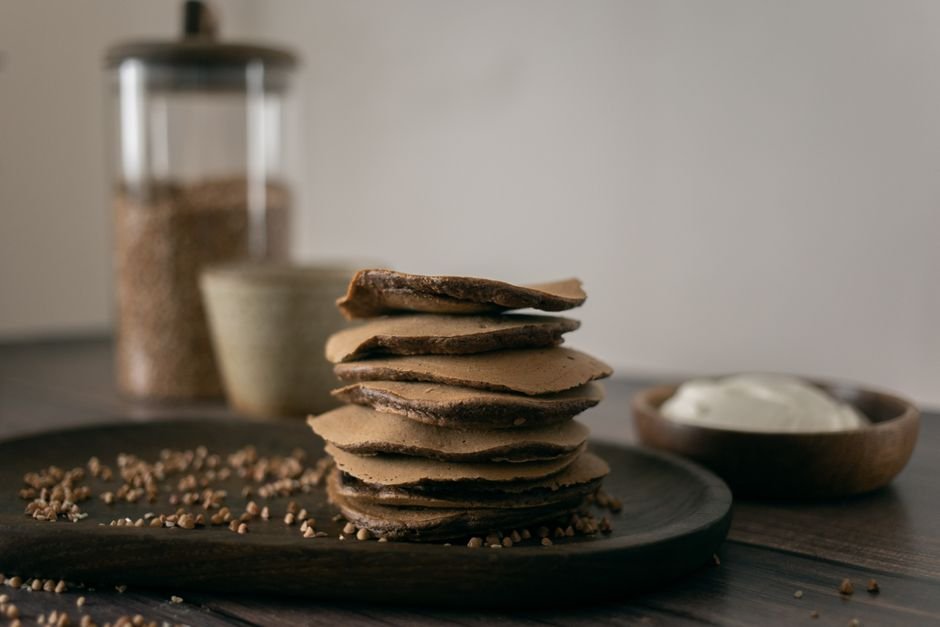
Full Nutrition Facts for Three Buckwheat Pancakes (180g)
Here’s the complete nutritional breakdown for a typical serving of three medium homemade buckwheat pancakes without butter or toppings:
| Nutrient | Amount | % Daily Value |
|---|---|---|
| Calories | 310 | 16% |
| Total Fat | 5.4g | 7% |
| Saturated Fat | 1.1g | 6% |
| Cholesterol | 62mg | 21% |
| Sodium | 480mg | 21% |
| Total Carbohydrate | 51g | 17% |
| Dietary Fiber | 4.2g | 15% |
| Total Sugars | 2.8g | 6% |
| Protein | 10.8g | 22% |
| Iron | 2.1mg | 12% |
| Magnesium | 72mg | 17% |
| Manganese | 1.4mg | 61% |
*Percent Daily Values are based on a 2,000-calorie diet. Source: USDA FoodData Central.
Key insight: Buckwheat pancakes are significantly higher in fiber and protein than traditional wheat pancakes, which slows digestion and promotes satiety. The manganese content is particularly notable—buckwheat is one of the richest plant sources of this mineral, which supports bone health and metabolic function. The moderate cholesterol (from eggs) combined with minimal saturated fat makes buckwheat pancakes a heart-friendly carbohydrate choice.

Etekcity Food Scale
0.1g accuracy — the perfect companion for exact portions.
Buckwheat Pancakes vs. Wheat Flour Pancakes
Buckwheat Pancakes
- Higher fiber (4.2g per 3-pancake serving) and protein (10.8g), promoting fuller feeling and steadier blood sugar
- Naturally gluten-free and nut-free, safe for those with celiac disease or nut allergies
- Richer in minerals like manganese and magnesium, supporting bone density and energy metabolism
Wheat Flour Pancakes
- Lower fiber (1.8g per 3-pancake serving) and protein (8.2g), resulting in faster hunger return and blood sugar spikes
- Higher calorie density (340 calories per 3 pancakes) due to lower fiber and denser flour structure
- Contain gluten, which is unsuitable for gluten-sensitive individuals and triggers inflammation in some people
Practical takeaway: If you’re managing weight or blood sugar, buckwheat pancakes offer superior satiety and nutrient density compared to white wheat pancakes. They won’t trigger the post-breakfast energy crash common with refined grain pancakes. For those with celiac disease or non-celiac gluten sensitivity, buckwheat is the clear winner—just verify your recipe uses 100% buckwheat flour, not a blend.
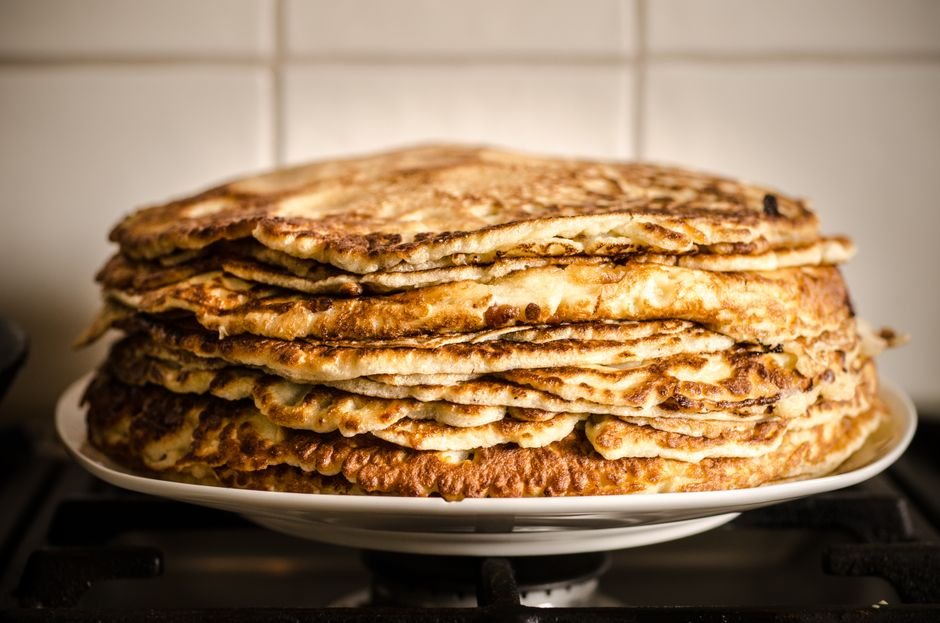
Is Buckwheat Pancakes Good for Weight Loss?
Yes, buckwheat pancakes can support weight loss when portion and topping choices are controlled. The combination of fiber (4.2g per serving) and protein (10.8g) promotes satiety, meaning you eat less throughout the day. A three-pancake serving at 310 calories is moderate compared to sugary cereal or pastries, and the low glycemic index prevents the blood sugar crash that triggers cravings. However, toppings like syrup, butter, whipped cream, and chocolate quickly multiply the calorie load—a tablespoon of maple syrup adds 52 calories and 13g of sugar.
Tips to Eat Buckwheat Pancakes Without Gaining Weight:
- Limit toppings to one: Choose Greek yogurt (20 calories per tablespoon), fresh berries (15 calories per 1/4 cup), or a light drizzle of honey (21 calories per teaspoon) instead of syrup and butter combinations.
- Make pancakes with extra egg whites: Increase the protein-to-carb ratio without adding fat or calories; substitute one egg with two egg whites to boost protein by 3–4g per pancake.
- Use non-stick spray instead of butter: Cooking spray adds virtually zero calories versus 1 tablespoon of butter (100 calories). This single swap saves 300 calories on a full stack.
- Measure your flour: Use a kitchen scale or measuring cup to ensure consistent portion sizes. “Eyeballing” dry ingredients often leads to 20–30% more flour, pushing calories to 380+ for three pancakes.
Pairing buckwheat pancakes with a protein source—like a scrambled egg, cottage cheese, or smoked salmon—further increases fullness and slows digestion, making them suitable for breakfast in a calorie-deficit diet.
How Portion Size Affects Calories
Pancake calories scale almost linearly with size and thickness. A thin 2-inch pancake from a standard griddle will run 60–70 calories, while a thick, restaurant-style pancake or a homemade one made with extra batter can reach 150 calories. The most reliable way to control calories is to weigh your batter or count pancakes by size rather than eyeballing portions.
Example:
- Small portion: 2 medium buckwheat pancakes (120g, 60g each) = 190 calories, 7.2g protein, 2.8g fiber
- Large portion: 4 large buckwheat pancakes (280g, 70g each) = 440 calories, 16.8g protein, 6.5g fiber
The difference is substantial: simply adding two pancakes more than doubles your calorie intake. For weight management, pre-deciding your portion (e.g., “always 3 pancakes”) removes guesswork and prevents calorie creep.
Best Way to Measure Buckwheat Pancakes Accurately
Weighing dry ingredients (especially flour) is the gold standard for calorie accuracy because volume measurements like cups can vary by 10–30% depending on how flour is packed. If you’re serious about nutrition tracking, a kitchen scale is non-negotiable. For cooked pancakes, weighing each pancake as it comes off the griddle gives you precise portion control and the confidence to log accurate calories into a nutrition app.
Options:
- Digital kitchen scale (most accurate): Weigh buckwheat flour and other dry ingredients in grams before mixing. After cooking, weigh individual pancakes to confirm size; most will land between 55–75g depending on batter thickness.
- Volume measurement with a leveling tool: Use measuring cups and level off dry flour with a knife to reduce packing variation. Convert to weight equivalents: 1 cup of buckwheat flour ≈ 140g. This method is 85–90% as accurate as a scale.
- Standard pancake size guide: If using a mold or consistent griddle heat, establish your “medium pancake” benchmark (e.g., 60g) by weighing the first few you cook. Then count pancakes instead of weighing each subsequent batch.
Calculate Your Exact Calorie Intake
If you eat buckwheat pancakes regularly, you know that toppings, sides, and batch-to-batch recipe variations create uncertainty. How many calories are you actually consuming? Manual math using nutrition labels often misses micronutrient interactions and doesn’t account for your personal recipe tweaks.
Our free AI nutrients calculator lets you input your exact buckwheat pancake recipe, choose toppings, and instantly see the complete macronutrient breakdown, fiber, minerals, and vitamins—personalized to your serving size. Visit the calculator to get started.
- Instant accuracy: Input your ingredients by weight and get precise calorie and macro counts without guesswork or manual math errors.
- Recipe comparison: Test different pancake recipes side-by-side (pure buckwheat vs. buckwheat-wheat blend) to see how ingredient swaps affect nutrition.
- Topping impact: See exactly how much each topping—butter, syrup, berries, yogurt—adds to your total, helping you make informed breakfast choices.
Common Mistakes When Eating Buckwheat Pancakes
Even a healthy pancake choice can derail nutrition goals if common mistakes creep in. Here are four habits to watch:
❌ Pouring syrup generously without measuring: A “splash” of maple syrup is often 2–3 tablespoons (104–156 calories, 26–39g sugar), instantly turning a moderate breakfast into a high-sugar meal. Measure syrup in teaspoons (21 calories, 5g sugar each) to stay in control.
❌ Using store-bought pancake mixes without checking ingredients: Many “buckwheat pancake” mixes are only 30–40% buckwheat flour, with the rest being wheat flour and added sugar. Read labels carefully; aim for mixes that list buckwheat as the first ingredient and have under 5g sugar per serving.
❌ Cooking with excessive butter or oil: A generous coating of butter on the griddle (1+ tablespoon) adds 100+ calories and 12g of saturated fat per batch. Non-stick spray, one light teaspoon of oil, or parchment paper eliminates this hidden fat.
❌ Forgetting to account for egg ingredients: Homemade pancakes contain 1–3 eggs per batch, each adding cholesterol and calories. If your recipe calls for 2 whole eggs per four pancakes, that’s 31mg cholesterol per pancake—significant if you’re managing heart health. Egg-white pancakes cut this by 90%.
By tracking these four areas, you’ll prevent the calorie and sugar creep that undoes the benefits of choosing buckwheat in the first place.
FAQ
How many calories are in 100g of buckwheat pancakes?
A 100g serving of buckwheat pancakes (roughly 1.5 to 2 medium pancakes) contains approximately 170–190 calories. This assumes a standard homemade recipe without excess butter or oil on the griddle.
Is buckwheat pancakes fattening?
No, buckwheat pancakes are not inherently fattening when eaten in reasonable portions (3 pancakes per serving) and paired with light toppings. The fiber and protein promote satiety, preventing overeating. However, high-calorie toppings (syrup, butter, whipped cream) and oversized portions can quickly exceed calorie goals.
Do buckwheat pancakes raise blood sugar?
Buckwheat pancakes have a low to moderate glycemic index (around 45–50), meaning they raise blood sugar more gradually than wheat pancakes. The fiber slows carbohydrate absorption, making them suitable for people managing prediabetes or type 2 diabetes—though portion control and limiting added sugar toppings remain important.
Can I eat buckwheat pancakes every day?
Yes, buckwheat pancakes can be part of a daily breakfast rotation. The high fiber (4.2g per serving) supports digestive health, and the protein aids muscle maintenance. Vary your toppings and sides to ensure nutritional diversity—pair with fruit, yogurt, or a vegetable-based side to maximize micronutrients.
Conclusion
Buckwheat pancakes are a nutrient-dense breakfast choice, delivering 310 calories, 10.8g protein, 4.2g fiber, and key minerals like manganese and magnesium per three-pancake serving. Their low glycemic index and lack of gluten make them suitable for blood sugar management and those with celiac disease. When prepared without excess butter or high-calorie toppings, they fit well into weight-loss and maintenance diets.
The key to enjoying buckwheat pancakes without unwanted weight gain is consistency: measure your batter, control toppings, and use a food scale to track portions over time. For the most accurate nutrient tracking tailored to your specific recipe and ingredients, **use a reliable nutrients calculator** to eliminate guesswork and make every breakfast count toward your health goals.
