
Cassava is a starchy root vegetable widely consumed across Africa, Latin America, and Asia as a dietary staple. Rich in carbohydrates and traditionally prepared boiled, fried, or as cassava flour, it provides affordable calories and sustained energy for millions. Whether you’re managing weight, tracking macronutrients, or incorporating cassava into a balanced diet, understanding its nutritional profile is essential.
This article answers the core question: how many calories are in cassava? We’ll cover calorie content by preparation method, full nutrition facts, portion control strategies, and practical tips for eating cassava as part of a health-conscious diet.
Calories in Cassava (Quick Answer)
Cassava’s calorie content depends significantly on whether it’s raw, boiled, or processed:
- Raw cassava root (100g): 160 calories
- Boiled cassava (100g): 130 calories
- Cassava flour (100g): 358 calories
Calorie values vary based on moisture content, ripeness, and cooking method. Boiling removes water and concentrates carbohydrates differently than baking or frying.
Full Nutrition Facts for 100g of Cooked (Boiled) Cassava
Boiled cassava is the most common preparation method globally. Here’s the complete nutritional breakdown per 100g serving:
| Nutrient | Amount | % Daily Value |
|---|---|---|
| Calories | 130 kcal | — |
| Total Fat | 0.3g | <1% |
| Saturated Fat | 0.1g | <1% |
| Cholesterol | 0mg | 0% |
| Sodium | 20mg | 1% |
| Total Carbohydrate | 30g | 11% |
| Dietary Fiber | 0.9g | 4% |
| Total Sugars | 0.7g | — |
| Protein | 1.4g | 3% |
| Vitamin C | 20mg | 33% |
| Potassium | 271mg | 8% |
| Manganese | 0.16mg | 8% |
*Percent Daily Values are based on a 2,000-calorie diet. Source: USDA FoodData Central.
Key insight: Cassava is nearly fat-free and cholesterol-free, making it ideal for low-fat diets. However, it contains minimal protein (1.4g per 100g) and modest fiber, so it works best paired with legumes, vegetables, or lean proteins to create a nutritionally complete meal. The moderate vitamin C and potassium content supports immune function and electrolyte balance.

Etekcity Food Scale
0.1g accuracy — the perfect companion for exact portions.
Raw vs. Boiled Cassava: Calories and Nutrient Differences
Preparation method significantly affects cassava’s nutritional profile. Understanding these differences helps you choose the right form for your goals.
Raw Cassava Root
- 160 calories per 100g (higher water content in raw form
- Contains cyanogenic compounds that require proper preparation to eliminate
- Slightly higher fiber (1.8g per 100g) and vitamin C content than boiled
Boiled Cassava
- 130 calories per 100g (lower moisture after boiling)
- Cyanogenic compounds removed through heating and proper preparation
- Softer texture and easier digestion; commonly served as chunks or as a side starch
Practical takeaway: Boiled cassava is safer and more digestible than raw. Raw cassava must never be consumed without proper processing—boiling for at least 15–20 minutes eliminates toxic compounds. For weight management, boiled cassava offers slightly fewer calories while maintaining satiety through carbohydrate content. Choose boiled cassava for everyday meals and store it refrigerated up to 5 days.
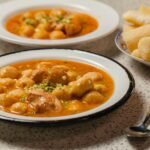
Is Cassava Good for Weight Loss?
Cassava is moderate for weight loss. While it’s low in fat and calories relative to many starchy foods, its high carbohydrate content (30g per 100g) means portions must be controlled. The low protein content means cassava alone won’t sustain satiety—pair it with protein-rich foods like beans, fish, or tofu to prevent overeating and stabilize blood sugar.
Tips to Eat Cassava Without Gaining Weight:
- Measure portions: Limit to 150–200g (195–260 calories) per serving, not exceeding half your plate.
- Pair with protein: Combine cassava with legumes, poultry, or plant-based proteins to increase satiety and prevent excess consumption.
- Avoid fried cassava: Fried cassava or cassava chips absorb oil, doubling or tripling the calorie count. Boil or bake instead.
- Track carbohydrate timing: Eat cassava earlier in the day or around workouts when your body is primed to use carbohydrates for energy.
When prepared simply and paired thoughtfully, cassava fits into calorie-controlled diets. The key is moderation and combining it with nutrient-dense, protein-rich foods.
How Portion Size Affects Calories
Small changes in portion size dramatically affect total calorie intake with cassava, because it’s calorie-dense for a starch. A handful more can add 30–50 extra calories. For weight management, measuring portions carefully prevents gradual calorie creep.
Example:
- Small portion (100g boiled cassava): 130 calories, fits into lower-calorie diets or as a side to lighter meals.
- Large portion (250g boiled cassava): 325 calories, equivalent to a full carbohydrate serving and more suitable for active individuals or as a main course component.
Visual portion guides help: a tennis ball–sized portion of boiled cassava is roughly 150g and about 195 calories—a reasonable serving alongside vegetables and protein.
Best Way to Measure Cassava Accurately
Accurate measurement prevents portion-control mistakes and ensures you’re tracking the right calorie count. Cassava’s moisture content and density vary, so weight is more reliable than volume estimates.
Options:
- Kitchen scale (most accurate): Weigh boiled cassava in grams. 100g = approximately 130 calories (boiled). This eliminates guesswork and is ideal for calorie tracking.
- Measuring cup (moderate accuracy): 1 cup of boiled cassava chunks ≈ 200g. Use pre-measured cups to standardize portions.
- Visual guide: One tennis ball–sized piece ≈ 100–120g. Use this when a scale is unavailable, though it’s less precise than weighing.
Calculate Your Exact Calorie Intake
Cassava’s calorie content is straightforward, but to calculate your total daily intake and ensure cassava fits your macro targets—protein, carbs, and fat—you need a reliable nutrition tracking tool. Many people underestimate total daily calories when eating frequent cassava servings without conscious tracking.
Our site’s free AI nutrients calculator instantly estimates calories, macronutrients, and micronutrients based on your meals. Simply input your cassava portion size and preparation method, along with accompanying foods, and get a complete breakdown. This removes guesswork and helps you stay on target.
- Macro breakdown: See exactly how much of your daily carbohydrate, protein, and fat budget cassava consumes.
- Micronutrient tracking: Ensure you’re meeting vitamin C, potassium, and manganese targets, particularly if cassava is a frequent staple.
- Meal planning: Pair cassava with complementary foods and visualize balanced plates before eating.
Try the calculator here to take the guesswork out of cassava nutrition.
Common Mistakes When Eating Cassava
Many people unknowingly sabotage their nutrition goals with cassava. Here are the most frequent pitfalls:
❌ Eating raw or improperly cooked cassava, which contains cyanogenic compounds that can cause nausea and toxicity. Always boil for at least 15–20 minutes and discard cooking water.
❌ Treating cassava as a “free” vegetable and eating unlimited portions, forgetting that it’s calorie and carbohydrate-dense like potatoes or rice, not leafy greens.
❌ Deep-frying cassava without accounting for absorbed oil. Fried cassava can contain 300+ calories per 100g, triple the boiled amount.
❌ Neglecting to pair cassava with protein, leading to rapid blood sugar spikes and early hunger that triggers overeating.
Awareness of these mistakes ensures cassava remains a nutritious staple rather than a weight-gain risk.
FAQ
How many calories are in 100g of cassava?
Boiled cassava contains 130 calories per 100g. Raw cassava is approximately 160 calories per 100g, and cassava flour is 358 calories per 100g due to moisture removal and concentration.
Is cassava fattening?
Cassava itself is not inherently fattening—it’s fat-free and low in calories for a starch. However, excessive portions and frying methods add calories quickly. Cassava’s high carbohydrate content means overeating can contribute to weight gain, so portion control is essential.
Can I eat cassava on a low-carb diet?
No. Cassava is not suitable for low-carb or ketogenic diets. With 30g of carbohydrates per 100g serving, a small portion easily exceeds daily carb limits. Choose non-starchy vegetables like leafy greens, broccoli, or zucchini instead.
How long does boiled cassava keep in the refrigerator?
Properly stored boiled cassava lasts 3–5 days refrigerated in an airtight container. Freeze for longer storage (up to 3 months). Always reheat to safe temperatures before consuming.
Conclusion
Cassava is a nutrient-efficient, fat-free carbohydrate staple that provides 130 calories per 100g when boiled. It’s rich in vitamin C and potassium, making it valuable for immune and cardiovascular health. However, its low protein content and high carbohydrate density require mindful portioning and smart food pairing to fit weight-loss or macro-balanced diets. Boiling is the safest and most nutritious preparation method, eliminating toxic compounds while preserving key nutrients.
Whether cassava works for your diet depends on portion control, preparation method, and what you pair it with. Track your intake accurately using a **reliable nutrients calculator** and combine cassava with lean proteins and vegetables to create satisfying, balanced meals that support your health goals.
