
Apple cider vinegar has become a staple in health-conscious kitchens and wellness routines worldwide. Whether used as a salad dressing, taken as a daily shot, or mixed into drinks, cider vinegar appeals to people pursuing weight loss, better blood sugar control, and digestive support. It’s used in traditional cuisines across Europe and Asia, and it’s gained particular prominence in modern dietary trends focused on natural remedies.
Despite its growing popularity, many people are unsure about its nutritional profile. How many calories are in cider vinegar? Does it actually support weight loss, or does it add hidden sugars and calories to your diet? This article provides the complete nutrition facts, clarifies the role of portion size, and answers the most common questions about cider vinegar’s place in a balanced diet.
Calories in Cider Vinegar (Quick Answer)
Apple cider vinegar is extremely low in calories, making it a negligible addition to most meals and drinks.
- 1 tablespoon (15 ml): 3 calories
- 1 fluid ounce (30 ml): 6 calories
- 1 cup (240 ml): 48 calories
Calorie counts may vary slightly by brand and whether the vinegar is filtered, pasteurized, or raw, but the difference is minimal. Most store-bought varieties contain negligible carbohydrates and sugars per serving.
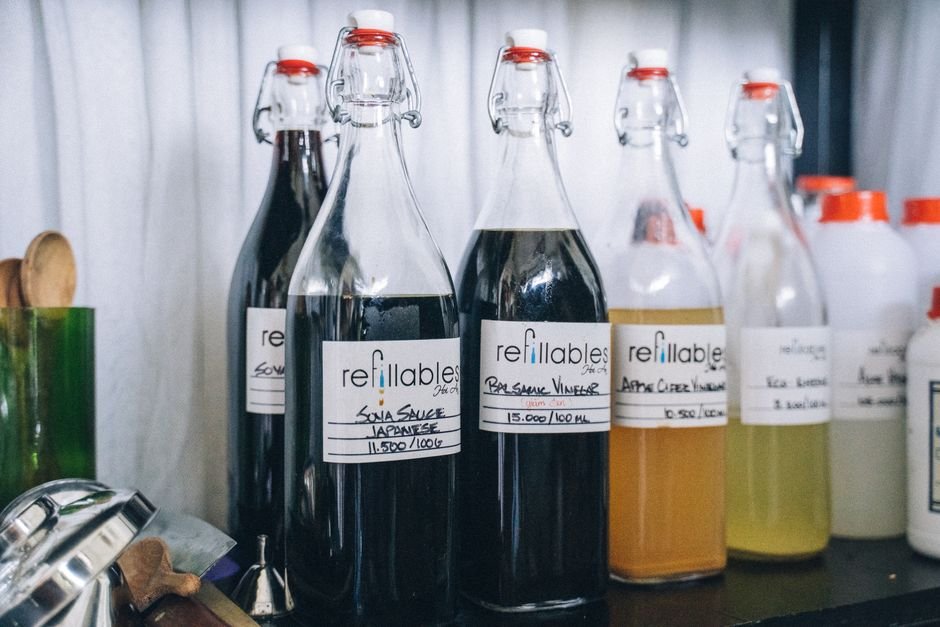
Full Nutrition Facts for 1 Tablespoon (15 ml) of Apple Cider Vinegar
A single tablespoon of undiluted apple cider vinegar provides a snapshot of its minimal but meaningful nutrient profile. The following table reflects data for standard, unfiltered apple cider vinegar without added sweeteners.
| Nutrient | Amount | % Daily Value |
|---|---|---|
| Calories | 3 kcal | <1% |
| Total Fat | 0 g | 0% |
| Saturated Fat | 0 g | 0% |
| Cholesterol | 0 mg | 0% |
| Sodium | 5 mg | <1% |
| Total Carbohydrate | 0.1 g | <1% |
| Dietary Fiber | 0 g | 0% |
| Total Sugars | 0 g | 0% |
| Protein | 0 g | 0% |
| Potassium | 11 mg | <1% |
| Iron | 0.02 mg | <1% |
| Magnesium | 1 mg | <1% |
*Percent Daily Values are based on a 2,000-calorie diet. Source: USDA FoodData Central.
Key insight: Cider vinegar’s most valuable contribution is acetic acid, not macronutrients. One tablespoon contains approximately 0.75 grams of acetic acid—the compound responsible for its potential effects on digestion, blood sugar, and satiety. This explains why cider vinegar is effective in small doses: its benefit comes from chemistry, not calories or bulk nutrition.

Etekcity Food Scale
0.1g accuracy — the perfect companion for exact portions.
Raw vs. Pasteurized Apple Cider Vinegar
Not all cider vinegar is made the same. The two most common types—raw, unpasteurized varieties and heat-treated, pasteurized versions—differ in appearance, processing, and claimed health benefits.
Raw, Unfiltered Apple Cider Vinegar
- Contains the “mother”—a living culture of beneficial bacteria and yeast that may support gut health
- Cloudy appearance and sediment are signs of minimal processing
- Slightly higher acetic acid concentration due to no heat treatment
Pasteurized Apple Cider Vinegar
- Heat-treated to eliminate bacteria and extend shelf life; the “mother” is removed or inactive
- Crystal-clear appearance and longer stability in storage
- Minimal difference in calorie or acetic acid content compared to raw
Practical takeaway: Both raw and pasteurized cider vinegar provide negligible calories and similar acetic acid levels. The choice depends on your goals: raw versions may appeal to those seeking probiotic benefits, while pasteurized varieties offer cleaner taste and longer shelf life. Nutritionally, the difference is insignificant for weight management or calorie tracking.

Is Cider Vinegar Good for Weight Loss?
Cider vinegar is not a weight-loss solution on its own, but it can be a useful tool. With only 3 calories per tablespoon, it won’t contribute to weight gain. More importantly, acetic acid may promote modest improvements in satiety, reduce food intake slightly, and improve insulin sensitivity—all factors that indirectly support weight loss when combined with a calorie-controlled diet and exercise. Some research suggests acetic acid can slow stomach emptying, leading to prolonged fullness after meals.
Tips to Eat Cider Vinegar Without Gaining Weight:
- Use it as a dressing base. Combine 1-2 tablespoons with olive oil, mustard, and herbs for a nutrient-dense salad dressing that replaces heavier store-bought versions.
- Never drink undiluted vinegar. A “vinegar shot” should be diluted in 8 ounces of water to protect tooth enamel and avoid gastrointestinal irritation; the diluted drink still contains minimal calories.
- Avoid sweetened vinegar products. Commercial apple cider vinegar drinks with added honey, maple syrup, or juice can contain 15–100+ calories per serving; check labels carefully.
- Measure consistently. Use a tablespoon or measuring cup to track portions if you’re consuming it daily; it’s easy to overpour and unknowingly add extra sodium or acidity.
When used mindfully, cider vinegar can be part of a weight-loss strategy. The key is treating it as a flavoring or supplement, not a replacement for whole foods or regular exercise.
How Portion Size Affects Calories
While cider vinegar is extremely low in calories overall, portion size does matter for total intake and its physiological effects. A splash in a dressing is negligible; a full cup used in cooking adds up. More importantly, consuming too much acetic acid—beyond 1–2 tablespoons daily—can cause digestive upset, tooth erosion, and electrolyte imbalances. Moderate, measured portions maximize the potential benefits while minimizing risks.
Example:
- Small portion (1 tablespoon in water): 3 calories, manageable acidity, typically well-tolerated
- Large portion (½ cup undiluted or in cooking): 24 calories, high acetic acid concentration, may cause stomach upset or enamel damage
For most people, 1–2 tablespoons daily is the sweet spot for both safety and potential benefit.
Best Way to Measure Cider Vinegar Accurately
Measuring cider vinegar accurately is straightforward and important if you’re tracking calories or aiming for consistent daily intake. Cider vinegar’s viscosity and acidity make volume measurement the most reliable method. A kitchen scale can weigh it, but tablespoons and fluid ounces are more practical and widely available for home use.
Options:
- Tablespoon or teaspoon: Most accurate for typical daily doses (1–2 tablespoons). Use a marked measuring spoon and level it off.
- Measuring cup: Best for larger quantities used in dressings, marinades, or recipes. Mark the amount before pouring into your dish.
- Kitchen scale (grams): If precision matters, 15 ml of cider vinegar weighs approximately 15 grams. Digital scales provide the most exact measurement but are unnecessary for casual use.
Calculate Your Exact Calorie Intake
Knowing the calories in cider vinegar is just one piece of the puzzle. If you’re using it regularly in dressings, marinades, or drinks, or if you’re tracking your total daily intake for weight management or athletic goals, you’ll want to account for all your ingredients and their cumulative effect on your nutrition.
Our free AI-powered nutrients calculator can help you log your exact intake, including cider vinegar, and get a complete nutritional breakdown in seconds. Simply input your foods, portions, and brands—the calculator does the rest, showing you calories, macronutrients, micronutrients, and how your daily choices align with your goals.
- Track cider vinegar and all your daily foods in one place
- See real-time macronutrient and micronutrient totals
- Adjust portions instantly to meet your calorie or nutrition targets
Try the free AI nutrients calculator today.
Common Mistakes When Eating Cider Vinegar
Even though cider vinegar is low-calorie and generally safe, several common errors can reduce its benefits or cause unintended consequences.
❌ Drinking undiluted cider vinegar as a daily “detox” shot—this exposes your tooth enamel to high acidity and can cause digestive irritation, heartburn, or damage to your esophagus.
❌ Buying sweetened or flavored “cider vinegar wellness drinks” without reading labels—many contain added sugars, honey, or juice that add 20–100+ calories and defeat the purpose of using vinegar for weight management.
❌ Assuming cider vinegar alone will cause weight loss—while acetic acid may improve satiety slightly, it won’t override a high-calorie diet or sedentary lifestyle.
❌ Using excessive amounts daily (more than 2 tablespoons) hoping for faster results—this risks tooth erosion, low potassium levels, and severe digestive discomfort without added benefit.
Avoid these pitfalls by diluting your cider vinegar, checking product labels, and treating it as a supplement to—not a substitute for—a balanced diet and exercise routine.
FAQ
How many calories are in 100g of cider vinegar?
One hundred milliliters (approximately 100 grams) of apple cider vinegar contains about 18 calories. This is rarely consumed as a single serving; cider vinegar is typically used in small amounts (1–2 tablespoons) for flavoring or health purposes.
Is cider vinegar fattening?
No, plain, undiluted cider vinegar is not fattening—it contains only 3 calories per tablespoon and zero fat, protein, and fiber. However, sweetened cider vinegar drinks, cider vinegar supplements with added sugars, or excess consumption can contribute unnecessary calories.
Does cider vinegar help control blood sugar?
Some research suggests acetic acid may improve insulin sensitivity and slow the rate at which carbohydrates are digested, potentially helping to moderate blood sugar spikes. However, effects are modest and most significant when cider vinegar is consumed with a meal containing carbohydrates. It is not a substitute for diabetes medications or a low-glycemic diet.
Can I drink cider vinegar every day?
Most health experts consider 1–2 tablespoons of diluted cider vinegar daily safe for most people. Consuming more regularly risks tooth enamel erosion, low potassium, and bone loss over time. Always dilute it in water, avoid drinking it before bed, and consult your doctor if you take medications that interact with acidic foods.
Conclusion
Apple cider vinegar is an exceptionally low-calorie condiment with minimal macronutrient content but measurable levels of acetic acid—the compound responsible for its potential health benefits. At just 3 calories per tablespoon, it poses no caloric threat and can easily fit into any diet. Its real value lies in its use as a flavor enhancer, dressing base, and possible aid to satiety and blood sugar management, not as a weight-loss miracle or standalone health intervention.
To make the most of cider vinegar, use it consistently in measured amounts—1 to 2 tablespoons daily—diluted in water or incorporated into meals. Avoid sweetened versions and excessive consumption, and remember that sustainable weight loss and health require a whole diet approach, not individual ingredients. For a complete picture of your nutritional intake, use a reliable nutrients calculator to log your foods and see exactly how cider vinegar and all your other choices add up to your daily totals.
