
Granola bars are one of the most convenient grab-and-go snacks in the modern diet, popular with busy professionals, students, athletes, and anyone seeking a quick energy boost. Whether eaten as a morning breakfast supplement, pre-workout fuel, or afternoon pick-me-up, granola bars account for billions in global snack consumption each year. They’re marketed as “healthy” alternatives to candy, but their true nutritional value varies wildly by brand and type.
The critical question for anyone tracking their diet: how many calories are in a granola bar? Understanding the actual calorie content—plus the hidden sugar, sodium, and fat in many commercial varieties—is essential for weight loss, diabetes management, and informed snacking. This guide breaks down exactly what you’re eating, variants to watch out for, and how to choose granola bars that align with your nutritional goals.
Calories in Granola Bar (Quick Answer)
Most standard granola bars contain between 120 and 180 calories per bar, though this varies significantly by size and ingredients.
- Regular granola bar (35g): 150–170 calories
- Chewy granola bar with chocolate (42g): 180–200 calories
- Protein granola bar (40g): 160–200 calories
Calorie counts depend on whether the bar is chewy or crunchy, the inclusion of chocolate or nuts, binding oils, and brand-specific recipes. Always check the nutrition label for your specific product.
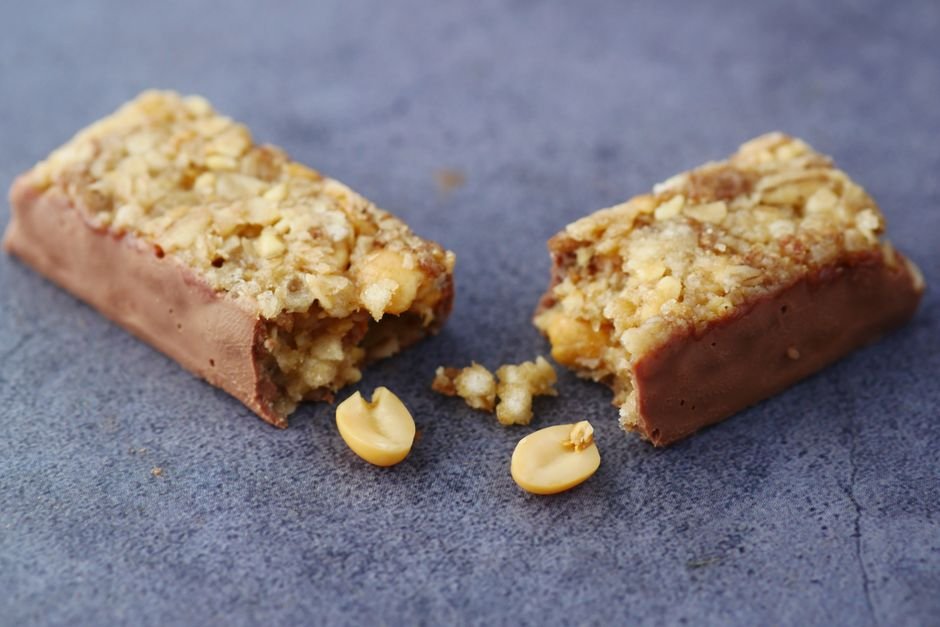
Full Nutrition Facts for One Standard Granola Bar (35g)
The following nutrition table is based on a typical commercial granola bar without chocolate coating, sourced from USDA FoodData Central equivalents. Values vary by brand and formulation, so check your product label.
| Nutrient | Amount | % Daily Value |
|---|---|---|
| Calories | 150 | — |
| Total Fat | 5.5g | 8% |
| Saturated Fat | 1.2g | 6% |
| Cholesterol | 0mg | 0% |
| Sodium | 135mg | 6% |
| Total Carbohydrate | 24g | 8% |
| Dietary Fiber | 2.0g | 7% |
| Total Sugars | 10g | — |
| Protein | 3.0g | 6% |
| Iron | 1.8mg | 10% |
| Magnesium | 25mg | 6% |
| Phosphorus | 80mg | 6% |
*Percent Daily Values are based on a 2,000-calorie diet. Source: USDA FoodData Central.
Key insight: Most granola bars derive roughly 60% of their calories from carbohydrates, making them energy-dense but relatively low in protein (3g) and fiber (2g). This high sugar-to-fiber ratio means they cause rapid blood-sugar spikes and don’t provide lasting satiety. For sustained energy, pair your granola bar with protein (cheese, nuts, yogurt) or eat a version specifically formulated with added protein and fiber.

Etekcity Food Scale
0.1g accuracy — the perfect companion for exact portions.
Regular Granola Bar vs. Protein Granola Bar
Regular Granola Bar (Standard Formulation)
- Typically 150–170 calories; sugar content ranges 8–12g per bar
- Minimal protein (2–3g); primarily oats, honey, and binding oils
- Lower cost; widely available at all retailers
Protein Granola Bar (Fortified Formulation)
- 160–200 calories; sugar content lower or similar (5–10g) due to sugar substitutes
- Elevated protein content (8–12g) from whey, soy, or plant proteins
- Higher price; marketed toward athletes and fitness-focused consumers
Practical takeaway: Protein granola bars are worth the extra cost if you’re using them post-workout or as a meal replacement; the added protein extends satiety and supports muscle recovery. For simple between-meal snacking, a regular granola bar is adequate unless you have specific fitness goals. Read the ingredient list for both types—added sugars and ultra-processed oils are common culprits that undermine the “healthy” image.
Is Granola Bar Good for Weight Loss?
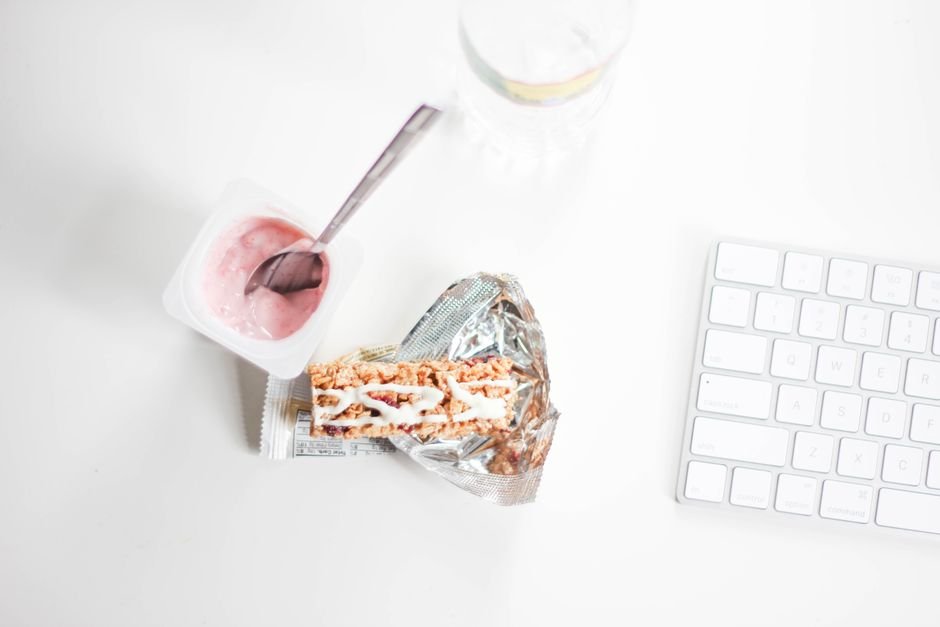
Granola bars can fit into a weight-loss diet, but only if you choose low-sugar varieties, control portion sizes, and pair them with protein-rich foods. A typical 150-calorie granola bar is not inherently fattening—weight loss depends on total calorie intake across the entire day. However, most commercial granola bars (especially those with chocolate coating or added sugars) are calorie-dense relative to their nutritional value and don’t trigger fullness signals, making it easy to overconsume. The real risk is eating a granola bar as an isolated snack without protein or fat, which leaves you hungry 90 minutes later, leading to additional snacking or overeating at the next meal.
Tips to Eat Granola Bar Without Gaining Weight:
- Choose bars with at least 5g of protein and 3g of fiber; avoid varieties with added sugars exceeding 8g per bar
- Eat your granola bar with a source of protein or fat—Greek yogurt, nuts, cheese, or peanut butter—to slow digestion and extend satiety
- Measure out one bar; don’t eat directly from a multi-pack box, which encourages mindless consumption of 2–3 bars in succession
- Time granola bars for post-workout snacks (within 30 minutes of exercise) when your body is primed to use carbohydrates for muscle glycogen replenishment
Used strategically, a granola bar is a portable, shelf-stable tool for appetite management. The key is avoiding the trap of eating it alone and choosing formulations aligned with your macronutrient goals.
How Portion Size Affects Calories
Granola bar portion sizes vary dramatically by brand and product line. A “mini” bar might be just 20g and 70–90 calories, while a “full-size” bar can reach 50g and 250+ calories. Many people underestimate their intake because they perceive the wrapper as a single “safe” serving, without realizing the product may contain 1.5 or 2 servings. Checking the “servings per container” line on the label is the only way to avoid this common miscalculation.
Example:
- Small granola bar (20g): 80–100 calories; quick snack, suitable for light mid-morning hunger
- Standard granola bar (35–40g): 150–180 calories; appropriate as a snack with added protein or light post-workout fuel
If you’re tracking calories, weigh your granola bar on a food scale or stick to brands that clearly label single-bar portions to prevent portion creep.
Best Way to Measure Granola Bar Accurately
The simplest method is to rely on the product’s stated serving size, but this assumes the bar is perfectly uniform (which mass-produced bars typically are). If you’re buying loose granola bars in bulk, buying homemade bars, or want absolute precision for a specific dietary goal, a kitchen scale is the gold standard. Estimating by eye or hand is unreliable and introduces 10–20% error into calorie counts.
Options:
- Kitchen food scale: Weigh the bar directly; compare the weight to the label’s serving size (e.g., 35g) and calculate proportionally
- Label-based serving: Use the “servings per container” and “calories per serving” figures printed on the package; assume the manufacturer portioned correctly
- Calorie-tracking app: Log the bar’s name and brand into an app like MyFitnessPal; the database will auto-populate calorie content based on product barcode
Calculate Your Exact Calorie Intake
If you eat granola bars regularly—say, 3–4 per week—their cumulative calorie contribution adds up quickly and can easily exceed 500–700 calories weekly if you’re not tracking. Combined with other snacks and meals, this can stall or reverse weight-loss progress without you realizing why.
The best approach is to use a free AI-powered nutrients calculator that breaks down not just calories, but macronutrients (protein, fat, carbs) and micronutrients (fiber, sugar, sodium) for your specific granola bar brand. Visit our free nutrients calculator to log your granola bar and see exactly how it fits into your daily macro targets.
- Instantly identify hidden sugars and sodium in your favorite bars
- Compare multiple brands side-by-side to find the lowest-calorie, highest-protein option
- Build a daily meal plan that balances granola bars with other foods to hit your calorie and macro goals
Common Mistakes When Eating Granola Bar
Even health-conscious snackers make predictable errors with granola bars. Here are the most common pitfalls:
❌ Eating a granola bar alone without protein or fat, then feeling hungry 60 minutes later and reaching for additional snacks or oversized portions at the next meal.
❌ Choosing “low-fat” or “fat-free” granola bars that compensate for fat removal with added sugars, resulting in a higher total carbohydrate and calorie load than the full-fat version.
❌ Buying multi-packs and eating bars mindlessly from the box while working or watching screens, consuming 2–3 bars before realizing portion size.
❌ Assuming all bars labeled “organic,” “natural,” or “gluten-free” are nutritionally superior, when the label still reveals 12g+ of sugar and highly processed ingredients.
Awareness of these traps is the first step toward making granola bars work for your diet rather than against it.
FAQ
How many calories are in 100g of granola bar?
A 100g portion of granola bar contains approximately 425–450 calories. Since most individual bars are 35–40g, this translates to roughly 150–180 calories per bar. The exact figure depends on ingredients; bars with nuts and chocolate will be higher-calorie than oat-and-honey versions.
Is granola bar fattening?
Granola bars are not inherently fattening, but their high calorie density (150 calories in a small handheld portion) combined with low satiety (minimal protein and fiber) makes overconsumption easy. The risk is eating multiple bars or pairing them with other snacks, which adds 300+ calories without meeting hunger cues. Eaten strategically—one bar paired with protein—they fit fine into any calorie goal.
Which granola bars have the lowest calories?
Mini or “snack-size” granola bars typically contain 70–100 calories. Among full-size bars, those sweetened with sugar alcohols (xylitol, erythritol) and free of chocolate coating usually range 120–140 calories. Check labels for products with 3g+ of protein and 2g+ of fiber to maximize nutritional value per calorie.
Can I eat a granola bar for breakfast?
A single granola bar (150 calories, 3g protein) is insufficient as a standalone breakfast and will leave you hungry by mid-morning. Pair it with Greek yogurt, cottage cheese, eggs, or nuts to reach 25–30g of protein, which provides sustained energy and satiety for 3–4 hours. This combination transforms a light snack into a balanced breakfast.
Conclusion
A typical granola bar contains 150–180 calories, derived primarily from carbohydrates and fat, with minimal protein and fiber. This nutritional profile makes granola bars convenient portable snacks, but not ideal for sustained fullness or blood-sugar stability on their own. The quality varies enormously by brand and formulation—some bars hide 12g+ of added sugar beneath an “organic” label, while protein-fortified varieties can legitimately support fitness goals. The key is reading nutrition labels carefully and choosing bars with at least 5g of protein, 3g of fiber, and fewer than 8g of added sugars.
Weight loss and fitness success with granola bars hinges on intentional pairing (always add protein or fat), portion control (one bar, weighed or labeled), and strategic timing (post-workout rather than mindless snacking). For accurate tracking of your granola bar intake and its macronutrient impact on your overall diet, use a **reliable nutrients calculator** to log your specific brand and adjust your daily meal plan accordingly. This data-driven approach ensures your snack choice supports—rather than undermines—your health goals.
