
Shrimp is one of the most popular seafood choices worldwide, prized for its versatility, mild flavor, and quick cooking time. Whether grilled, boiled, fried, or added to stir-fries and pasta dishes, shrimp fits into countless cuisines and meals. People choose shrimp for weight loss programs, muscle building, diabetes management, and everyday healthy eating because it’s exceptionally lean, protein-dense, and naturally low in carbohydrates.
But how many calories are actually in shrimp, and what makes it nutritionally special? This guide breaks down the exact calorie content, complete nutrition facts, portion guidance, and practical tips for making shrimp work for your health goals.
Calories in Shrimp (Quick Answer)
Cooked shrimp contains very few calories relative to its protein content, making it an excellent lean protein choice.
- 3 oz (85g) cooked shrimp: 84 calories
- 100g cooked shrimp: 99 calories
- 1 large shrimp (peeled, cooked): 7 calories
Calorie values vary slightly depending on cooking method (boiled shrimp is lower than fried) and whether the shrimp is peeled or includes the shell.
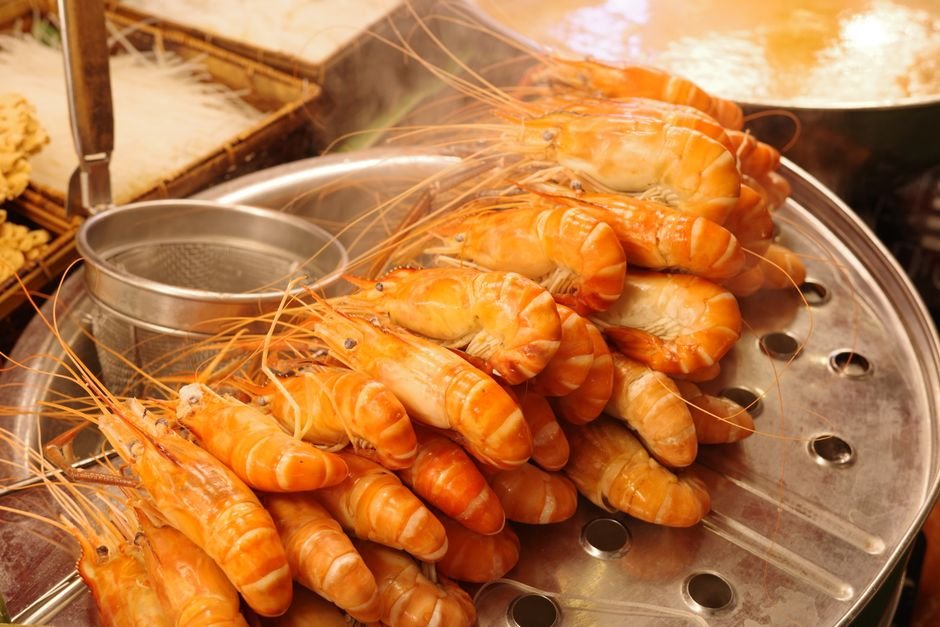
Full Nutrition Facts for 3 oz (85g) of Cooked Shrimp
Here’s the complete nutritional breakdown for a standard 3-ounce serving of cooked, peeled shrimp, which is the most common reference serving size.
| Nutrient | Amount | % Daily Value* |
|---|---|---|
| Calories | 84 | 4% |
| Total Fat | 0.9g | 1% |
| Saturated Fat | 0.2g | 1% |
| Cholesterol | 166mg | 55% |
| Sodium | 190mg | 8% |
| Total Carbohydrate | 0g | 0% |
| Dietary Fiber | 0g | 0% |
| Total Sugars | 0g | — |
| Protein | 18g | 36% |
| Selenium | 35.7mcg | 65% |
| Vitamin B12 | 1.48mcg | 62% |
| Phosphorus | 201mg | 16% |
*Percent Daily Values are based on a 2,000-calorie diet. Source: USDA FoodData Central.
Key insight: Shrimp is a true protein powerhouse with almost zero carbohydrates and fat, delivering 18g of protein in just 84 calories. A single 3-ounce serving also provides over half your daily selenium requirement, a mineral critical for thyroid function and antioxidant defense. This exceptional nutrient density makes shrimp one of the leanest protein sources available.
Etekcity Food Scale
0.1g accuracy — the perfect companion for exact portions.
Raw Shrimp vs. Cooked Shrimp: How Cooking Affects Calories
Raw Shrimp
- Contains approximately 99 calories per 100g before cooking
- Slightly higher water content that cooks off during heating
- Pose food safety risks if consumed without proper cooking
Cooked Shrimp
- Contains approximately 99 calories per 100g after cooking (minimal change)
- Water loss concentrates nutrients slightly, though calorie difference is negligible
- Safe to eat and easier to digest than raw shrimp
Practical takeaway: Cooking shrimp doesn’t significantly increase or decrease calories—the 84-calorie count for 3 oz holds whether boiled, grilled, or steamed. The real difference comes from preparation: boiled or grilled shrimp stays lean, while fried shrimp can double or triple the calories depending on oil absorption. Always cook shrimp thoroughly before eating.
Is Shrimp Good for Weight Loss?
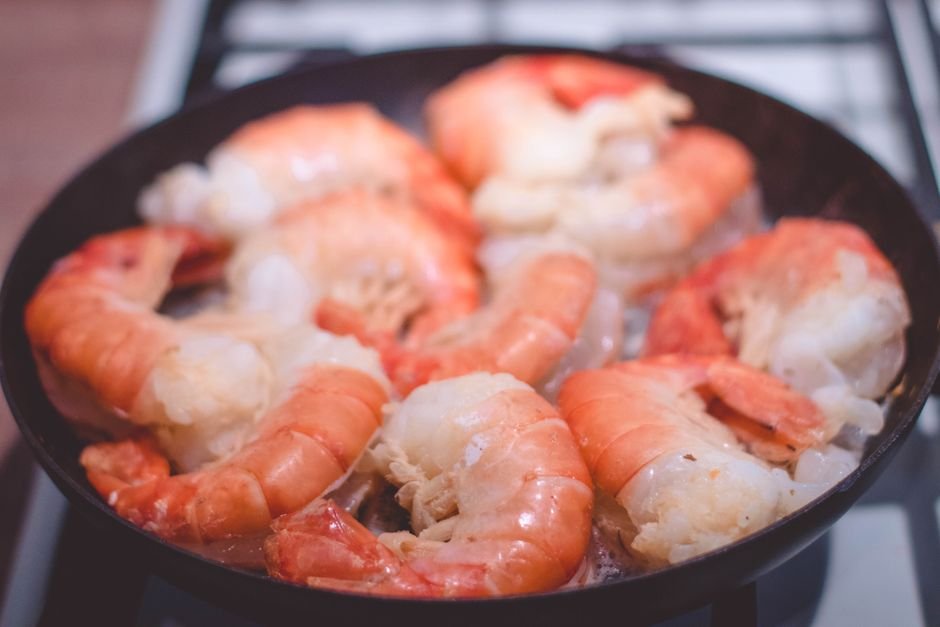
Yes, shrimp is excellent for weight loss. With 18g of protein and only 84 calories per 3-ounce serving, it delivers exceptional satiety with minimal caloric cost. High protein intake increases thermogenesis (calories burned during digestion) and helps preserve muscle mass during calorie restriction. The complete absence of carbohydrates and minimal fat make shrimp ideal for low-carb and keto diets, and its natural umami flavor means you don’t need heavy sauces to enjoy it.
Tips to Eat Shrimp Without Gaining Weight:
- Choose boiled, grilled, or steamed shrimp over fried: A 3 oz serving of fried shrimp can contain 150–200 calories due to oil absorption. Boiling adds zero calories and is the leanest option.
- Watch oil and sauce portions: Shrimp dishes often hide calories in butter, cream sauces, and dipping oils. Use measured amounts or choose vinegar-based and tomato-based preparations.
- Pair with non-starchy vegetables: Build shrimp bowls with zucchini noodles, leafy greens, broccoli, and peppers to increase volume and fiber without extra calories.
- Measure portions by weight, not visual cues: A standard serving is 3 oz (85g). Eating straight from a plate or mixing into pasta makes it easy to consume double portions unknowingly.
Used this way, shrimp can be part of a consistent weight-loss diet without guilt or monotony.
How Portion Size Affects Calories
Shrimp’s low calorie density means modest portion changes create meaningful calorie differences. Understanding these variations helps you stay on track without measuring every piece. A small increase in serving size adds calories linearly, so doubling your portion roughly doubles the calorie intake.
Example:
- Small portion (1 oz / 28g): 28 calories—suitable as an appetizer or mixed into a larger dish
- Standard portion (3 oz / 85g): 84 calories—a complete lean-protein serving
- Large portion (6 oz / 170g): 168 calories—appropriate for dinner as your primary protein
For accurate tracking, weigh shrimp on a kitchen scale rather than eyeballing amounts.
Best Way to Measure Shrimp Accurately
Shrimp size varies widely by variety and sourcing (wild Atlantic shrimp is smaller than farm-raised tiger prawns). Weighing is the most reliable measurement method, but other practical options exist. A kitchen scale removes all guesswork and takes less than a minute per meal.
Options:
- Digital kitchen scale (best method): Weigh cooked, peeled shrimp directly on the scale to the nearest gram. Cost: $15–30 for a durable scale. Accuracy: ±1–2g.
- Count individual shrimp: Approximately 6–8 large cooked shrimp equal 1 oz (28g). Count out portions before cooking for consistency, though this varies by shrimp size and variety.
- Use a measuring cup: 1/3 cup cooked shrimp approximates 3 oz (85g). Less precise than weighing but faster than counting individual pieces.
Calculate Your Exact Calorie Intake
If shrimp is a regular part of your diet, tracking its calories across meals—and accounting for cooking oils, sauces, and what you pair it with—becomes crucial for accurate nutrition monitoring. A single shrimp dish can range from 84 calories (plain boiled) to 250+ calories (with oil and sauce), making eyeball estimates unreliable.
A free AI nutrients calculator makes this simple by letting you log shrimp meals and see total calories, protein, and micronutrients instantly. Rather than manually looking up every variation, our free nutrients calculator does the math for you across your entire day.
- Log shrimp in any form (boiled, fried, mixed into dishes) and instantly see real calorie totals
- Track macros (protein, fat, carbs) and key vitamins like selenium and B12 automatically
- Compare different cooking methods side-by-side to make the leanest choices
Common Mistakes When Eating Shrimp
Shrimp itself is a clean, lean food, but how we prepare and eat it often introduces hidden calories and common errors. Here are mistakes to avoid:
❌ Fried shrimp without checking portion size—fried shrimp can contain 150–200 calories per 3 oz, double the boiled version, and the crispy coating makes portions harder to judge.
❌ Drowning shrimp in butter, cream sauces, or mayo-based dips—a shrimp scampi with excess butter adds 150+ calories to a 3 oz serving, negating the leanness.
❌ Assuming all shrimp dishes are low-calorie—breaded fried shrimp, shrimp tempura, and cream-based pasta dishes can be 300–500+ calories despite the shrimp being lean.
❌ Eating raw or undercooked shrimp due to cost-cutting or restaurant mistakes—this causes foodborne illness risk from bacteria and parasites; always verify shrimp is fully opaque and firm.
Use these awareness points when ordering or preparing shrimp at home.
FAQ
How many calories are in 100g of shrimp?
Cooked shrimp contains approximately 99 calories per 100g. This is the standard reference for larger portions or when comparing shrimp nutrition to other seafood.
Is shrimp fattening?
No, shrimp is not fattening when prepared plainly. It contains less than 1g of fat per 3 oz serving and only 84 calories. The fattening factor comes from preparation methods—fried shrimp, buttery sauces, and cream-based dishes add significant calories, not the shrimp itself.
Why is shrimp cholesterol so high, and is it a problem?
Shrimp contains 166mg of cholesterol per 3 oz serving, which appears high on the nutrition label. However, dietary cholesterol has minimal impact on blood cholesterol for most people—saturated fat intake matters far more. A 3 oz serving contains only 0.2g of saturated fat, making shrimp a heart-healthy choice overall.
Can you eat shrimp daily?
Yes, shrimp can be eaten daily as part of a balanced diet. Rotating it with other lean proteins (fish, chicken, turkey) provides nutritional variety and reduces potential contaminant exposure from eating the same food repeatedly.
Conclusion
Shrimp is one of the leanest, most nutrient-dense proteins available, delivering 18g of protein in just 84 calories with virtually no carbohydrates or fat. It’s rich in selenium, vitamin B12, and phosphorus while remaining compatible with virtually any diet—from keto to calorie restriction to high-protein muscle building. The nutritional profile is genuinely exceptional.
The key to maximizing shrimp’s benefits is preparation: choose boiled, grilled, or steamed shrimp over fried, measure portions by weight for accuracy, and watch sauces and oils. If shrimp is a regular part of your meals, use a reliable nutrients calculator to track it alongside other foods and ensure you’re hitting your daily calorie and macro targets consistently.
