
Kiwi is a nutrient-dense fruit native to China but now widely grown in New Zealand, California, and many other regions. Whether you’re managing weight, boosting immunity, or simply seeking a healthy snack, kiwi fits into almost any nutrition plan. It’s popular with fitness enthusiasts, families, and anyone looking for a low-calorie, vitamin-rich addition to their diet.
If you’re wondering how many calories are in kiwi and whether it fits your nutrition goals, this guide breaks down the complete picture. We’ll cover exact calorie counts, full nutrition facts, portion control strategies, and practical tips for making the most of this versatile fruit.
Calories in Kiwi (Quick Answer)
One medium kiwi fruit (about 76g) contains roughly 47 calories and makes an excellent low-calorie snack.
- One medium kiwi (76g): 47 calories, 0.4g fat, 11g carbs, 2.6g fiber, 6.3g sugar, 0.9g protein
- One large kiwi (101g): 61 calories, 0.5g fat, 15g carbs, 3.1g fiber, 8g sugar, 1.2g protein
- One cup kiwi slices (177g): 108 calories, 0.7g fat, 26g carbs, 5.5g fiber, 17g sugar, 2g protein
Calorie values vary slightly depending on ripeness, variety (green vs. golden), and whether the fruit was grown organically or conventionally. Golden kiwis tend to be marginally sweeter with slightly higher sugar content.
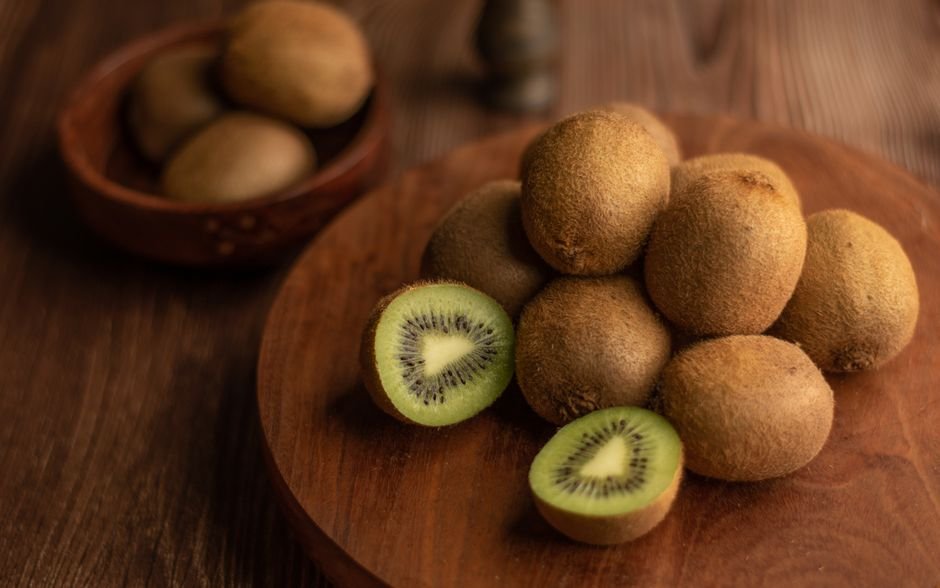
Full Nutrition Facts for One Medium Kiwi (76g)
A medium kiwi is a typical serving size that provides essential vitamins, minerals, and fiber while remaining extremely low in calories. Below is the complete nutritional breakdown based on USDA FoodData Central data.
| Nutrient | Amount | % Daily Value |
|---|---|---|
| Calories | 47 | — |
| Total Fat | 0.4g | 1% |
| Saturated Fat | 0.03g | <1% |
| Cholesterol | 0mg | 0% |
| Sodium | 3mg | <1% |
| Total Carbohydrate | 11g | 4% |
| Dietary Fiber | 2.6g | 10% |
| Total Sugars | 6.3g | — |
| Protein | 0.9g | 2% |
| Vitamin C | 64mg | 107% |
| Vitamin K | 28mcg | 35% |
| Folate (B9) | 19mcg | 5% |
| Potassium | 312mg | 9% |
*Percent Daily Values are based on a 2,000-calorie diet. Source: USDA FoodData Central.
Key insight: Kiwi is exceptional for vitamin C content—a single medium fruit delivers over 100% of your daily value. This makes it outstanding for immune function, collagen production, and antioxidant protection. The high fiber-to-calorie ratio (2.6g fiber in just 47 calories) also supports digestive health and satiety, making it ideal for weight management.

Etekcity Food Scale
0.1g accuracy — the perfect companion for exact portions.
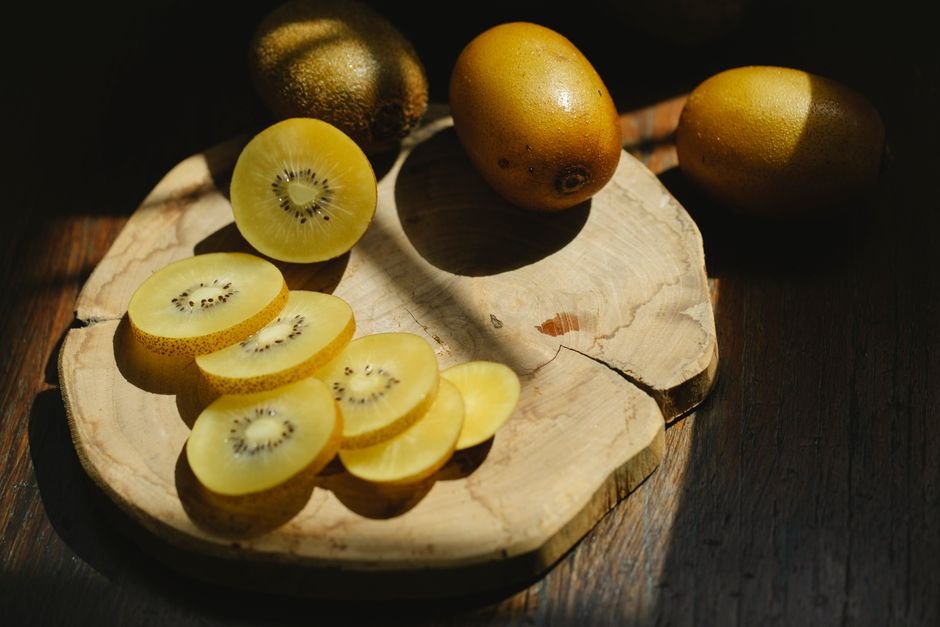
Green Kiwi vs. Golden Kiwi: What’s the Difference?
Green Kiwi
- Slightly more tart, tangy flavor with herbaceous notes
- Slightly lower in sugar and calories (47 calories per medium fruit)
- Higher in vitamin C and a more intense green color when ripe
Golden Kiwi
- Sweeter, more tropical flavor with less tartness
- Marginally higher in calories and sugar (golden variety averages 52–55 calories per medium fruit)
- Smoother texture, fewer seeds, and a warmer golden appearance
Practical takeaway: If you’re strictly counting calories or watching sugar intake, green kiwis offer a negligible advantage—the difference is minimal. Choose based on taste preference. For maximum vitamin C, green is marginally superior, but both varieties are nutritionally exceptional. Try both to see which you prefer.
Is Kiwi Good for Weight Loss?
Yes, kiwi is an excellent choice for weight loss. At under 50 calories per medium fruit, with virtually no fat, abundant fiber, and high water content, kiwi supports satiety while remaining calorie-light. The fiber content promotes digestive health and stable blood sugar, reducing cravings. Kiwi also contains an enzyme called actinidin that may aid protein digestion, though research on this is still developing.
Tips to Eat Kiwi Without Gaining Weight:
- Keep portions whole-fruit: Eat kiwi as a whole fruit or sliced into a bowl rather than blended into smoothies with added sugars, yogurt, or nut butters, which drastically raise calories.
- Pair with protein: Combine kiwi with Greek yogurt, cottage cheese, or nuts to slow digestion, increase satiety, and prevent blood sugar spikes.
- Avoid kiwi jam and dried kiwi: Processed kiwi products concentrate sugars and remove fiber, often tripling the calorie density compared to fresh fruit.
- Eat the skin: Kiwi skin is edible, fiber-rich, and adds 0 calories while boosting micronutrient intake significantly.
For weight loss, treat kiwi as a free food—you can eat multiple fruits daily without calorie concern, as long as you avoid sweetened preparations and track other intake.
How Portion Size Affects Calories
Kiwi’s low calorie density means portion flexibility is less critical than with higher-calorie foods, but understanding serving sizes helps with precise tracking. A small kiwi is around 60g, a medium is 76g, and a large is 101g or more. Since each size increment adds 10–15 calories, you can easily adjust portions to fit your daily target without stress.
Example:
- Small kiwi (60g): 37 calories—ideal for a quick snack between meals
- Large kiwi (101g): 61 calories—substantial enough as part of breakfast or a post-workout snack
Two medium kiwis total just 94 calories, making it feasible to include multiple fruits in a meal without derailing your calorie budget.
Best Way to Measure Kiwi Accurately
For precise tracking, a food scale is always the most accurate method, but kiwis are forgiving because individual fruits vary in weight and you can estimate reasonably well. Simply weighing a few kiwis from your usual supply (in grams) gives you a personal baseline. If you don’t have a scale, counting whole fruits and using the “medium = 76g” standard as your mental anchor works well for most purposes.
Options:
- Digital food scale: Weigh whole kiwis or sliced portions in grams for the highest accuracy (cost: $15–30).
- Visual estimation: A medium kiwi is roughly the size of a golf ball; use this as a mental reference when eating away from home.
- Count whole fruits: If consistency matters, simply track how many whole kiwis you eat and apply the 47-calorie (medium) baseline.
Calculate Your Exact Calorie Intake
Knowing kiwi’s calorie content is just one piece of the puzzle. If you’re aiming to lose weight, build muscle, or optimize nutrition, understanding how kiwi fits into your entire daily intake matters most. Everyone’s calorie and macronutrient needs differ based on age, activity level, and health goals.
Our free AI nutrients calculator helps you track exact calories, macros, and micronutrients across your entire diet in seconds. Instead of manually calculating kiwis, bananas, and chicken, log your meals and get instant insights into your nutritional balance. Try the calculator here.
- Instant macro breakdown (protein, carbs, fats) for every food you log
- Personalized daily recommendations based on your goals and activity
- Track micronutrients like vitamin C, potassium, and fiber that matter for health
Common Mistakes When Eating Kiwi
Kiwi is straightforward to eat, but a few habits can undermine your nutrition goals. Here are the most common pitfalls:
❌ Blending kiwi into smoothies with added sweeteners and dairy: A single kiwi smoothie with yogurt, honey, and juice can jump to 200–300 calories, negating the fruit’s low-calorie advantage.
❌ Eating unripe kiwis: Unripe kiwi tastes harsh and may contain compounds that inhibit nutrient absorption. Wait for slight give when squeezed gently.
❌ Discarding the skin: Kiwi skin is edible, fiber-rich, and nutrient-dense. Peeling removes up to 30% of the fruit’s fiber and micronutrients.
❌ Confusing serving sizes with full jars of kiwi jam or dried kiwi: Processed versions concentrate sugar and remove fiber, turning a 47-calorie fruit into a 150+ calorie serving.
Stick to whole, fresh kiwi and you’ll reap maximum nutritional benefit.
FAQ
How many calories are in 100g of kiwi?
One hundred grams of kiwi contains approximately 61 calories. This is slightly larger than a single medium fruit but smaller than a large one, making it a useful reference point for precise tracking.
Is kiwi fattening?
No. Kiwi is extremely low in fat (0.4g per medium fruit) and calories (47 per fruit), making it impossible to gain weight from kiwi alone. It’s one of the least fattening fruits available and actively supports weight loss when eaten in whole form.
Can I eat kiwi every day?
Yes, eating one to three kiwis daily is safe for most people. In fact, daily consumption maximizes vitamin C and fiber intake. However, those with severe oral allergy syndrome or latex sensitivity should be cautious, as kiwi can trigger reactions in susceptible individuals.
Does kiwi have sugar, and is it safe for diabetics?
Kiwi contains natural sugars (about 6.3g per medium fruit) but has a low glycemic index due to its high fiber content. The fiber slows sugar absorption, preventing rapid blood sugar spikes. People with diabetes can safely eat kiwi in moderation, especially when paired with protein or fat. Always check with a healthcare provider about individual tolerance.
Conclusion
Kiwi is one of nature’s most efficient nutrient packages—delivering over 100% of your daily vitamin C, substantial fiber, and essential minerals in a fruit that weighs less than 50 calories. Its low calorie density, high water content, and prebiotic fiber make it ideal for weight loss, digestive health, and overall immunity. Whether you choose tangy green or sweet golden varieties, both offer exceptional nutritional value.
If you’re tracking your nutrition seriously, use whole kiwis as an anchor food in your daily plan—they’re hard to overeat and virtually impossible to abuse. For comprehensive tracking across all your meals, turn to a **reliable nutrients calculator** to ensure you’re hitting your targets and maximizing your health potential.
