
Lobster is a luxury seafood prized for its sweet, tender meat and impressive nutritional profile. Whether enjoyed at fine dining restaurants or casual seafood shacks, lobster appears across coastal cuisines and appeals to health-conscious eaters seeking high-quality protein. It’s common among fitness enthusiasts managing weight loss, people building muscle, and those following low-carb or paleo diets.
But if you’re planning a lobster meal, the first question is always the same: how many calories are in lobster? Understanding the nutritional breakdown helps you fit this indulgent food into your daily intake without derailing your goals.
Calories in Lobster (Quick Answer)
A 100-gram serving of cooked lobster meat contains approximately 98 calories, making it one of the leanest animal proteins available.
- 3 oz (85g) cooked lobster tail: 83 calories
- 100g cooked lobster meat: 98 calories
- 1 whole medium lobster (150g meat): 147 calories
Calorie content varies slightly depending on how the lobster is prepared, what part you eat, and whether butter or other cooking fats are added.
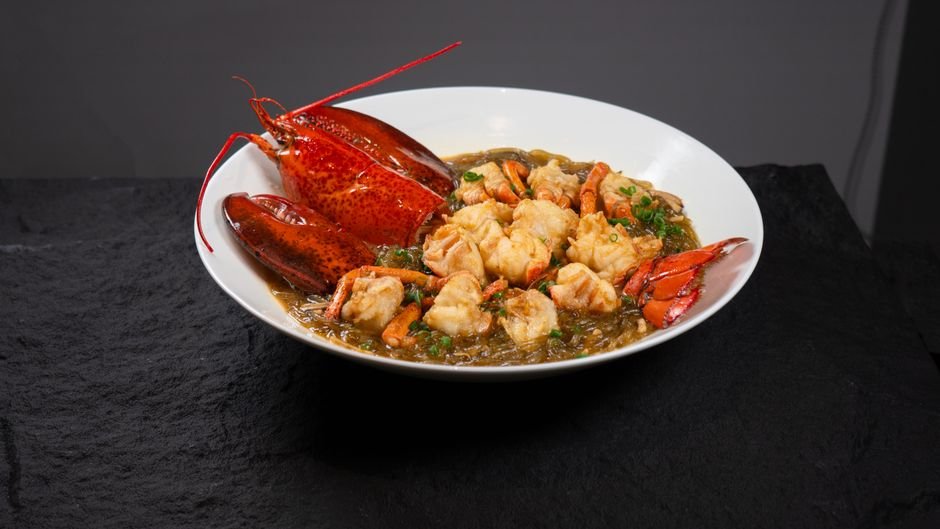
Full Nutrition Facts for 100g of Cooked Lobster
Here’s the complete nutritional breakdown of cooked lobster meat, based on USDA FoodData Central data for a 100-gram serving:
| Nutrient | Amount | % Daily Value |
|---|---|---|
| Calories | 98 kcal | — |
| Total Fat | 0.9g | 1% |
| Saturated Fat | 0.2g | 1% |
| Cholesterol | 95mg | 32% |
| Sodium | 308mg | 13% |
| Total Carbohydrate | 1.3g | 0% |
| Dietary Fiber | 0g | 0% |
| Total Sugars | 0g | 0% |
| Protein | 20.5g | 41% |
| Vitamin B12 | 3.0 mcg | 50% |
| Zinc | 3.1mg | 21% |
| Selenium | 47 mcg | 67% |
*Percent Daily Values are based on a 2,000-calorie diet. Source: USDA FoodData Central.
Key insight: Lobster is exceptional for muscle building and weight loss because it delivers over 20 grams of protein per 100 calories while containing almost zero carbohydrates and virtually no saturated fat. At just 0.9g total fat, lobster is leaner than most chicken breast. The high selenium content (67% DV) supports thyroid health and antioxidant defense, making this a genuinely nutrient-dense food beyond its protein reputation.
Etekcity Food Scale
0.1g accuracy — the perfect companion for exact portions.
Raw Lobster vs. Cooked Lobster: How Cooking Affects Calories
Raw Lobster Tail
- Slightly fewer calories per serving (approximately 90 calories per 100g)
- Harder to digest and poses food safety risks
- Texture is rubbery and less appetizing
Cooked Lobster Tail
- 98 calories per 100g; moisture loss during cooking concentrates nutrients slightly
- Protein becomes more bioavailable, making it easier for your body to absorb
- Tender, flaky texture and sweet flavor develop through heat
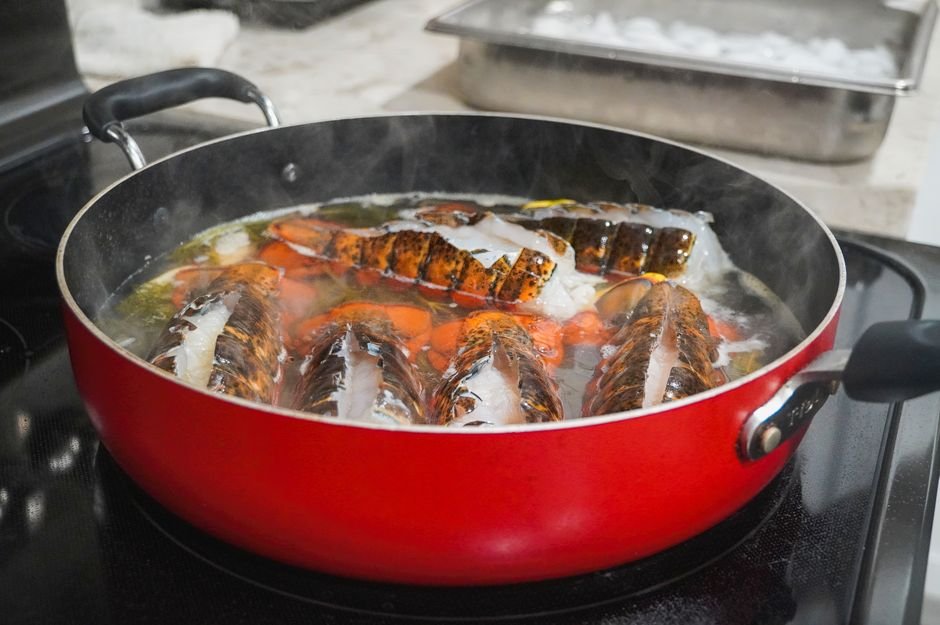
Practical takeaway: Cooking lobster makes almost no meaningful difference in calorie count—both raw and cooked are equally lean. The real advantage is that cooking increases protein digestibility and eliminates harmful bacteria. Boiling or steaming adds zero calories, but dipping in drawn butter (216 calories per tablespoon) is where the hidden calories accumulate, not in the lobster itself.
Is Lobster Good for Weight Loss?
Yes, lobster is genuinely excellent for weight loss. With only 98 calories and 20.5g protein per 100g, it has one of the highest protein-to-calorie ratios of any food. Protein promotes satiety—meaning lobster keeps you fuller longer and reduces overall calorie intake better than lower-protein alternatives. The near-zero carbohydrate content makes it ideal for low-carb diets, and the minimal fat won’t spike insulin or derail metabolic goals.
Tips to Eat Lobster Without Gaining Weight:
- Skip the butter: Drawn butter adds 216 calories per tablespoon. Use lemon juice, garlic, herbs, or spicy hot sauce instead for flavor without calories.
- Choose boiling or steaming: These methods add zero calories. Avoid lobster rolls made with mayo-heavy dressings, which can contain 400+ calories.
- Measure portions mindfully: A 150g serving (one medium lobster tail) is only 147 calories—you can eat a satisfying portion without worrying.
- Pair with low-calorie sides: Serve with roasted vegetables, cauliflower rice, or a green salad to create volume without excess calories.
Lobster is one of the few luxury foods that actually supports weight loss when prepared plainly. The challenge isn’t the lobster—it’s what you dip it in.
How Portion Size Affects Calories
Lobster’s calorie density is so low that portion size matters less than with most foods. A standard serving is 100g (about 3.5 oz of meat), but lobster is filling enough that most people eat smaller portions without feeling deprived. Understanding how serving size scales helps you make informed choices at restaurants or when cooking at home.
Example:
- Small portion (3 oz / 85g): 83 calories, 17.4g protein
- Large portion (6 oz / 170g): 167 calories, 34.9g protein
Even doubling your portion only reaches 167 calories—still less than a single slice of bread with peanut butter—while doubling your protein intake.
Best Way to Measure Lobster Accurately
Cooked lobster meat is easy to measure because it’s already in solid form. Unlike whole lobsters (which include shell and liquid), the meat weight is what counts toward calories and macronutrients. If you’re tracking intake precisely, weighing cooked meat on a kitchen scale removes guesswork and gives you exact calorie and protein data.
Options:
- Kitchen scale (most accurate): Weigh cooked, cooled lobster meat to the nearest gram. Remove all shell fragments first.
- Volume measure (reasonable estimate): 3 oz of lobster meat ≈ ¼ to ⅓ cup flaked meat; use a measuring cup for quick estimates.
- Restaurant servings (approximate): One lobster tail at a restaurant typically contains 4-6 oz (113-170g) of meat; ask your server if you need precision.
Calculate Your Exact Calorie Intake
If you’re eating lobster as part of a meal, knowing the exact calorie and macro breakdown of everything on your plate matters for serious weight loss or muscle-building goals. Manual math is tedious and error-prone—especially when combining multiple ingredients, cooking methods, and portions.
Use the site’s free AI nutrients calculator to instantly generate a complete nutritional breakdown for your lobster meal. Simply enter the ingredients (cooked lobster, butter amount, side dishes), portions, and cooking method, and get exact macros in seconds. No more guessing or rounding.
- Get accurate protein, carbs, fat, and calories for any portion size instantly
- Track micronutrients like selenium and B12 to optimize your diet beyond just calories
- Compare different preparation methods (boiled vs. pan-seared) to find your best option
Try the free calculator now to stop approximating and start measuring.
Common Mistakes When Eating Lobster
Even though lobster itself is a nutritional win, common preparation and eating mistakes can turn it into a calorie bomb. Here are the biggest pitfalls to avoid:
❌ Drowning it in drawn butter or garlic butter sauce—this is the #1 mistake. A 3 oz lobster tail (83 calories) becomes a 300+ calorie indulgence the moment you add 1.5 tablespoons of butter (324 calories). You’re eating more butter than lobster.
❌ Choosing lobster rolls or lobster pasta over straight meat. A restaurant lobster roll averages 500+ calories (mostly mayo and bread), while the same lobster meat prepared plainly is 98 calories per 100g.
❌ Assuming the whole lobster weight equals meat weight. A 1.5-pound live lobster contains only about 4-5 oz (113-140g) of actual meat after cooking and shelling; the rest is shell, water, and organs. Don’t overestimate your intake.
❌ Skipping the greens and vegetables. Lobster pairs perfectly with salad or roasted vegetables, but many people eat it with refined carbs (white rice, pasta, buttered bread) that spike blood sugar and add empty calories.
The good news: every one of these mistakes is preventable with simple choices about preparation and sides.
FAQ
How many calories are in 100g of lobster?
Cooked lobster contains 98 calories per 100g. It’s one of the leanest animal proteins available, with almost all calories coming from protein and virtually none from fat or carbs.
Is lobster fattening?
No. Plain cooked lobster is not fattening—it’s one of the best foods for weight loss. The issue is what you eat it with: butter, mayo-based sauces, and rich sides are what make lobster meals fattening, not the lobster itself.
How much protein is in lobster?
Cooked lobster contains 20.5g of protein per 100g serving, delivering 41% of your daily value. This high-protein content is why lobster is so satiating and supports muscle growth and repair.
Can I eat lobster every day?
Yes, from a calorie and macronutrient standpoint. However, lobster is high in cholesterol (95mg per 100g) and contains moderate sodium (308mg per 100g). If you have heart disease, high cholesterol, or hypertension, consult your doctor before eating lobster daily.
Conclusion
Lobster is a nutritional standout: lean, protein-rich, low in carbs, and genuinely supportive of weight loss and muscle building. At just 98 calories and 20.5g protein per 100g, it outperforms most chicken breast in terms of efficiency. The micronutrient profile—especially selenium, zinc, and B12—adds substantial health value beyond simple macros. Whether you’re optimizing body composition or simply enjoying a special meal, lobster deserves its reputation as a clean protein choice.
The real key is preparation: skip the butter and mayo-heavy sides, pair your lobster with vegetables, and measure portions if you’re tracking intake closely. For precise nutritional accounting—especially when building complete meals—use a reliable nutrients calculator to combine lobster’s data with your other ingredients and get exact totals. That way, you can enjoy lobster confidently, knowing exactly what you’re putting into your body.
