
Plantains are a staple starch in cuisines across Latin America, Africa, and the Caribbean. Unlike their sweeter cousins, bananas, plantains are typically cooked—fried, boiled, roasted, or baked—and eaten as a savory side dish or main carbohydrate source. They’re affordable, filling, and nutrient-dense, making them a cornerstone of diets in both developed and developing regions worldwide.
If you’re counting calories, managing blood sugar, or simply curious about what you’re eating, knowing the exact calorie content of plantain is essential. This guide breaks down the calories, macros, and micronutrients in common plantain servings, plus practical advice for including them in a balanced diet.
Calories in Plantain (Quick Answer)
A medium-sized raw plantain contains roughly 90–110 calories per 100 grams, depending on ripeness and variety.
- Raw plantain (100g): 89 calories
- Boiled plantain (100g): 71 calories
- Fried plantain (100g): 195 calories
Calorie content varies by ripeness (green plantains are slightly lower in sugar and calories than yellow ones), cooking method, and whether added fats like oil are used during preparation.
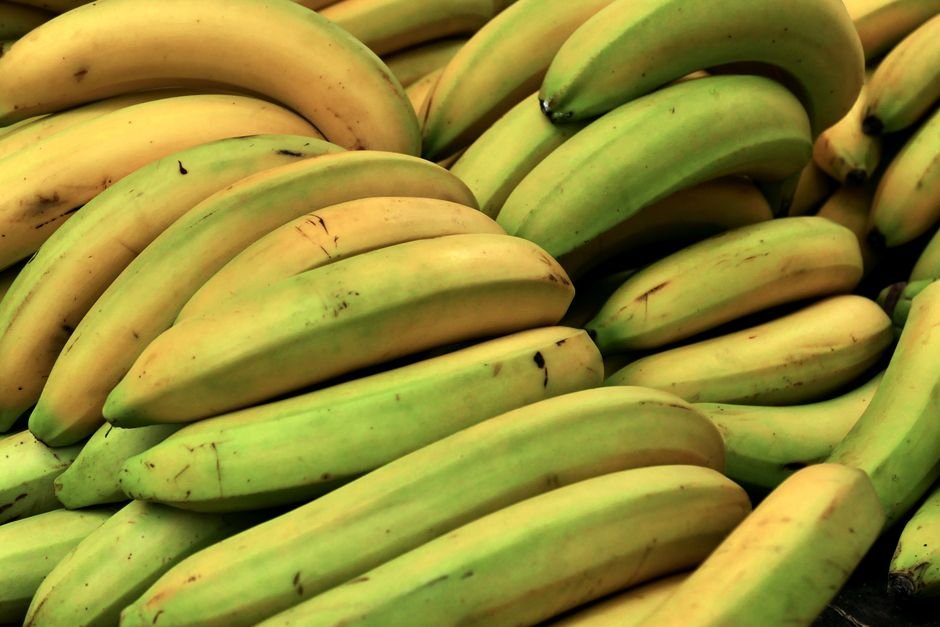
Full Nutrition Facts for 100g of Raw Plantain
Here is the complete nutritional profile for a 100-gram serving of raw, medium-ripe plantain, the most common reference serving size used in nutrition databases.
| Nutrient | Amount | % Daily Value |
|---|---|---|
| Calories | 89 | 4% |
| Total Fat | 0.3g | 0% |
| Saturated Fat | 0.1g | 0% |
| Cholesterol | 0mg | 0% |
| Sodium | 4mg | 0% |
| Total Carbohydrate | 23g | 8% |
| Dietary Fiber | 1.7g | 6% |
| Total Sugars | 12g | — |
| Protein | 1.3g | 3% |
| Vitamin C | 18mg | 20% |
| Vitamin B6 | 0.30mg | 18% |
| Potassium | 358mg | 8% |
*Percent Daily Values are based on a 2,000-calorie diet. Source: USDA FoodData Central.
Key insight: Plantain is almost pure carbohydrate and very low in fat and protein. Most of its carbs are starch rather than sugar in the raw form, but sugar content increases dramatically as the plantain ripens and yellows. A single medium raw plantain (~150g) provides about 135 calories and is an excellent source of resistant starch when green, which has prebiotic benefits, and vitamin B6, which supports brain function and energy metabolism.
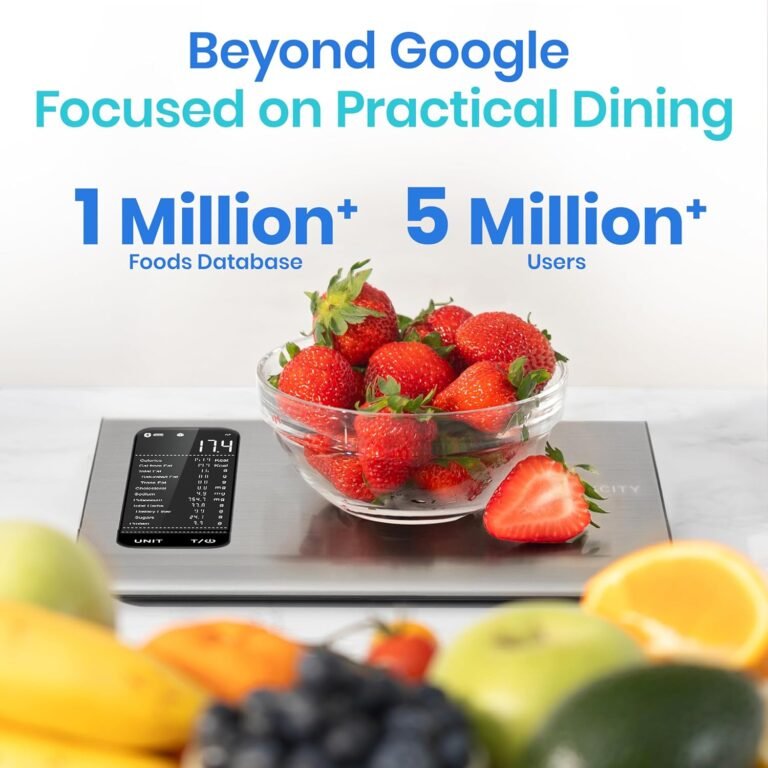
Etekcity Food Scale
0.1g accuracy — the perfect companion for exact portions.
Green vs. Ripe Plantain: How Ripeness Changes Nutrition
Green (Unripe) Plantain
- Lower in sugar, higher in resistant starch: Green plantains contain resistant starch, a fiber-like compound that resists digestion and may improve blood sugar control and gut health.
- Firmer texture, requires cooking: Green plantains are too starchy and firm to eat raw; they’re always boiled, fried, or roasted.
- Slightly fewer calories and carbs: Green plantains average 88–90 calories per 100g and are a better choice for blood sugar management.
Yellow (Ripe) Plantain
- Higher in simple sugars, sweeter taste: As plantains ripen, starch converts to simple sugars like glucose and fructose, raising the total sugar content to 12–15g per 100g.
- Softer, more versatile: Ripe plantains can be fried, baked, boiled, or even eaten fresh (though rare), and develop a caramel-like sweetness.
- Marginally higher calories: Ripe plantains average 90–100 calories per 100g, a slight increase due to sugar concentration.
Practical takeaway: If you’re managing blood sugar or weight, choose green plantains and prepare them boiled or roasted rather than fried. If you prioritize digestive health and resistant starch, green is the better choice. Ripe plantains are fine in moderation but add more simple sugars to your diet, so eat smaller portions or pair them with protein and fat to slow digestion.
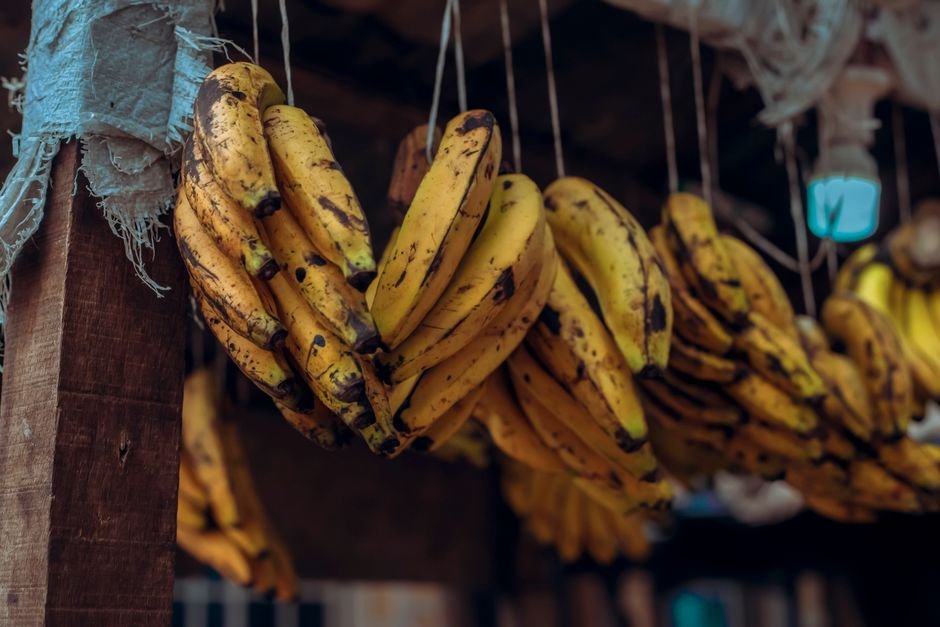
Is Plantain Good for Weight Loss?
Plantain can fit into a weight-loss diet, but context matters. Raw or boiled plantain is calorie-efficient—89 calories per 100g with virtually no fat—and its fiber and starch promote satiety. However, fried plantain balloons to nearly 195 calories per 100g due to absorbed oil, and portion control is crucial since plantain is easy to overeat. Pair plantain with lean protein and non-starchy vegetables to build a balanced, filling meal that prevents overeating later.
Tips to Eat Plantain Without Gaining Weight:
- Choose boiling or roasting over frying: Boiled plantain (71 cal/100g) saves 118 calories compared to fried. Roasting requires minimal oil and still delivers great flavor.
- Stick to one medium plantain per meal: One medium raw plantain (~150g) is about 135 calories. Add it to one meal daily rather than multiple snacks.
- Pair with protein and greens: Eat plantain alongside grilled chicken, fish, beans, or tofu, plus a big salad or steamed vegetables, to slow digestion and control blood sugar spikes.
- Go green when possible: Green plantains have more resistant starch and less sugar, supporting steady energy and better satiety than ripe varieties.
Plantain isn’t “bad” for weight loss—it’s a nutrient-dense, whole food—but like all starches, portion awareness and cooking method are the keys to sustainable weight management.
How Portion Size Affects Calories
Plantain calories scale linearly with weight. A 100g serving is a standard reference, but real-life portions vary widely. Knowing the weight of your actual serving—whether a small side dish or a larger meal component—lets you account for plantain accurately in your daily calorie budget. Use a kitchen scale for best results, or learn to estimate by comparing to common objects.
Example:
- Small side portion (75g): ~67 calories, about 17g carbs—fits easily into any meal.
- Large main portion (200g): ~178 calories, about 46g carbs—suitable as a full starch component alongside protein and vegetables.
Going from a small to a large serving more than doubles your calorie intake, so decide whether plantain is a side (small portion) or a starch component (medium–large) of your meal.
Best Way to Measure Plantain Accurately
The most reliable way to track plantain calories is by weight, not visual estimation or “one plantain.” A plantain can vary from 100g to over 300g depending on size and variety, leading to massive calorie miscounts. Weighing eliminates guesswork and ensures you’re logging accurate data for your diet or meal plan.
Options:
- Digital kitchen scale: Weigh the raw plantain in grams before cooking. This is the gold standard for accuracy.
- Nutrition label or app database: Use the USDA FoodData Central or apps like MyFitnessPal to look up serving sizes by weight, then cross-reference your actual weight.
- Hand measurement as backup: One medium plantain is roughly the size of your palm lengthwise and equals about 150g and ~135 calories. Use this only as a rough guide when a scale is unavailable.
Calculate Your Exact Calorie Intake
If you eat plantain regularly—especially as part of a weight-loss or diabetes-management plan—knowing the exact calorie and carb content of your portion matters. Random estimates lead to creeping calorie surplus and plateaus. A nutrition calculator that factors in your actual weight of plantain, cooking method, and added fats gives you the precision to make consistent progress.
Our free AI nutrients calculator lets you enter your exact serving size and cooking method and instantly see full macro and micronutrient breakdowns. No more guessing whether that fried plantain cup is 150 or 300 calories.
- Input your exact portion weight and cooking method for precision.
- See all macros and micronutrients broken down instantly.
- Track trends over days and weeks to optimize your diet.
Common Mistakes When Eating Plantain
Plantain is nutritious but easy to overconsume or prepare in calorie-dense ways. Here are the most common errors:
❌ Assuming fried and boiled plantain have similar calories — fried plantain absorbs 100+ extra calories per 100g of oil, doubling the calorie count. Always ask how it’s prepared or make it at home.
❌ Eating plantain without any protein or fat — plantain alone spikes blood sugar and leaves you hungry within an hour. Add beans, chicken, fish, eggs, or nuts to slow digestion and stabilize energy.
❌ Confusing portion size by eating a whole large plantain as a snack — one large plantain can be 300+ calories and 70+ grams of carbs. Treat it as a starch component of a meal, not a standalone snack.
❌ Choosing ripe yellow plantain every time without considering resistant starch benefits — green plantains have superior prebiotic starch and lower sugar. Rotate between green and ripe for digestive and metabolic variety.
Awareness of these pitfalls helps you enjoy plantain as part of a balanced, sustainable diet without derailing your goals.
FAQ
How many calories are in 100g of plantain?
Raw, medium-ripe plantain contains 89 calories per 100g. Boiled plantain has 71 calories per 100g, and fried plantain has approximately 195 calories per 100g depending on oil absorption.
Is plantain fattening?
Plantain itself is very low in fat (0.3g per 100g), but the preparation method determines whether it contributes to weight gain. Boiled or roasted plantain fits easily into a weight-loss diet; fried plantain is calorie-dense and should be eaten in smaller portions. Portion size and overall calorie balance matter most.
Does green plantain have fewer calories than ripe plantain?
The difference is minimal—green plantain is roughly 88–90 calories per 100g versus 90–100 for ripe. The bigger nutritional difference is resistant starch in green plantain, which supports blood sugar control and gut health better than the simple sugars in ripe plantain.
How much protein does plantain have?
Plantain is low in protein at 1.3g per 100g. To build a complete, satiating meal, pair plantain with a high-protein food like beans, fish, poultry, eggs, or dairy to reach 15–30g of protein per meal.
Conclusion
Plantain is a calorie-efficient, nutrient-dense starch that fits well into balanced diets for weight loss, blood sugar management, and everyday nutrition. At 89 calories and 23g of carbs per 100g in raw form, it’s a low-fat, affordable carbohydrate source used by billions globally. Green plantains offer superior resistant starch for digestive health, while ripe plantains provide quick energy. The cooking method—boiling, roasting, or frying—has the largest impact on final calorie content, with fried versions more than doubling the calorie load.
To get the most from plantain, weigh your portions accurately, choose boiling or roasting when possible, and always pair it with protein and non-starchy vegetables for a balanced meal. If you eat plantain as a regular part of your diet, use a reliable nutrients calculator to log your actual serving size and ensure your calorie and macro targets stay on track. Small, consistent choices compound into lasting results.
