
Navy beans are a staple legume in American cuisine, prized for their mild flavor, creamy texture, and versatility in soups, stews, and baked dishes. They’re especially popular in plant-based, weight-loss, and diabetes-conscious diets because of their high protein and fiber content. Whether you’re building muscle on a vegetarian diet, managing blood sugar, or simply looking to eat more nutritious whole foods, navy beans deserve a place in your kitchen.
But how many calories are in navy beans, and what else do they offer nutritionally? This guide breaks down the complete nutrition profile of navy beans, comparing preparation methods, portion strategies, and practical tips for eating them without derailing your health goals.
Calories in Navy Beans (Quick Answer)
One cup of cooked navy beans contains approximately 255 calories and is an excellent source of plant-based protein and fiber.
- 1 cup cooked navy beans: 255 calories
- ½ cup cooked navy beans: 128 calories
- ¼ cup dry navy beans (before cooking): 365 calories
Calorie counts may vary slightly depending on whether you use canned beans (which may contain added sodium) or home-cooked dried beans, as well as how much liquid is retained after cooking.
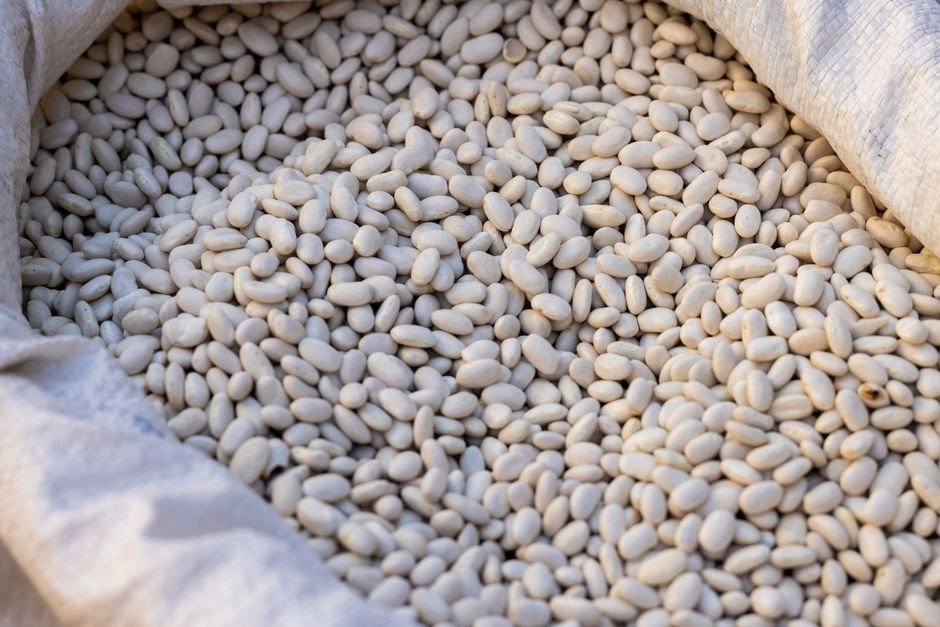
Full Nutrition Facts for 1 Cup Cooked Navy Beans
A single cup of cooked navy beans delivers a complete nutritional package, with substantial amounts of protein, fiber, and essential minerals. The following data is based on USDA FoodData Central values for navy beans cooked without added salt.
| Nutrient | Amount | % Daily Value |
|---|---|---|
| Calories | 255 | — |
| Total Fat | 0.9 g | 1% |
| Saturated Fat | 0.2 g | 1% |
| Cholesterol | 0 mg | 0% |
| Sodium | 2 mg | <1% |
| Total Carbohydrate | 47 g | 17% |
| Dietary Fiber | 12 g | 43% |
| Total Sugars | 2 g | — |
| Protein | 15 g | 30% |
| Folate | 255 mcg | 64% |
| Iron | 4.3 mg | 24% |
| Magnesium | 107 mg | 25% |
*Percent Daily Values are based on a 2,000-calorie diet. Source: USDA FoodData Central.
Key insight: Navy beans pack 12 grams of fiber and 15 grams of protein per cooked cup, making them one of the most nutrient-dense plant foods per calorie. The extremely low sodium (2 mg naturally occurring) makes them an excellent choice for people managing blood pressure, especially compared to canned varieties which may contain 400–800 mg of added sodium.
Etekcity Food Scale
0.1g accuracy — the perfect companion for exact portions.
Raw Dried Navy Beans vs. Cooked Navy Beans
The way you prepare navy beans dramatically changes their nutrient density and calorie load. Understanding the difference helps you measure accurately and plan your portions.
Raw Dried Navy Beans
- More than 3 times as dense in calories and nutrients per unit volume
- Must be soaked and cooked to be digestible and safe to eat
- Shelf-stable for years, making them ideal for long-term storage
Cooked Navy Beans
- Absorb water during cooking, doubling or tripling in weight and volume
- Fully digestible and their nutrients are more bioavailable
- More convenient for meal prep; portion sizes feel more generous
Practical takeaway: One cup of dry navy beans yields roughly three cups of cooked beans. If you buy dried beans, measure dry portions before soaking and cooking. If you’re using canned navy beans, drain and rinse them thoroughly to reduce sodium content by up to 40%, then measure the drained weight.
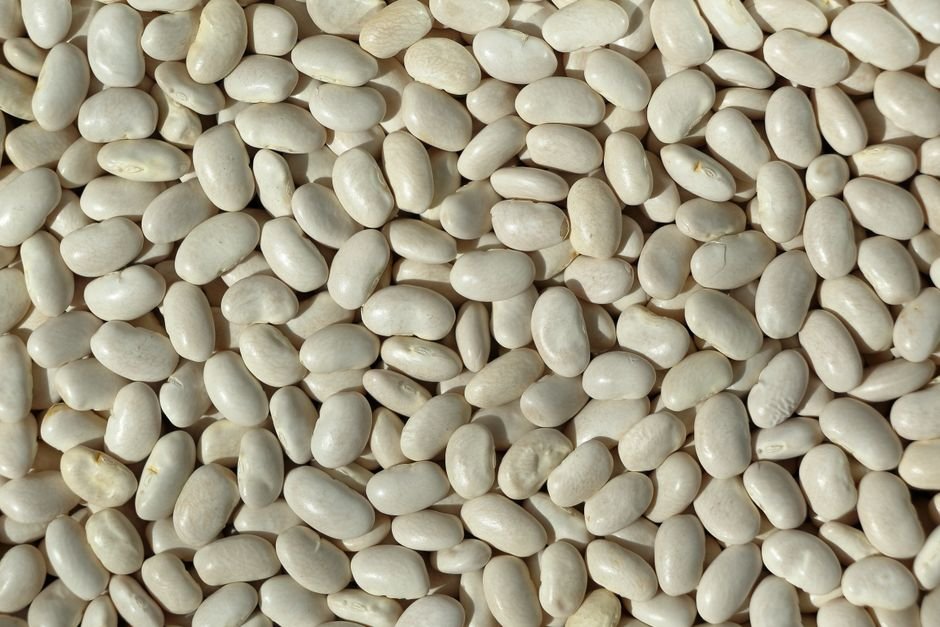
Is Navy Beans Good for Weight Loss?
Navy beans are an excellent food for weight loss. They contain high amounts of fiber and protein, both of which promote satiety and reduce overall calorie intake throughout the day. The 12 grams of fiber per cup slows digestion, keeping you fuller longer, while the 15 grams of protein supports muscle retention during caloric restriction. Despite containing 255 calories per cup, the nutrient density and appetite-suppressing effect make navy beans one of the most weight-loss-friendly legumes available.
Tips to Eat Navy Beans Without Gaining Weight:
- Pair navy beans with non-starchy vegetables (spinach, broccoli, bell peppers) to add volume and nutrients without significantly increasing calories
- Use them as a soup or stew base rather than as a side dish loaded with oil or cream; broth-based preparations keep calories low
- Measure portions carefully—use a food scale or measuring cup, as 1 cup is the appropriate portion and easy to exceed
- Avoid adding butter, bacon fat, or sugar-laden sauces; season with spices, garlic, and herbs instead for flavor without extra calories
Navy beans fit naturally into a calorie deficit because their combination of fiber and protein makes them inherently satiating. Focus on preparation method rather than avoiding the beans themselves.
How Portion Size Affects Calories
Navy beans scale predictably: double the portion, double the calories. This linear relationship makes it easy to calculate your intake once you understand the baseline. A half-cup serving is common in traditional recipes, while a full cup is more appropriate for a main-dish base or protein source.
Example:
- Small portion (½ cup cooked): 128 calories, 7.5 g protein, 6 g fiber
- Large portion (1 cup cooked): 255 calories, 15 g protein, 12 g fiber
Choose your portion based on what other foods appear in your meal; if you’re eating navy beans as part of a complex dish with grains and vegetables, a half-cup is usually sufficient. If they’re your primary protein source, a full cup is justified.
Best Way to Measure Navy Beans Accurately
Accurate measurement ensures you hit your calorie and protein targets. Navy beans in different forms—dry, cooked, or canned—require different measurement approaches. Use a food scale for the most precision, especially if you’re tracking macros carefully.
Options:
- Food scale (most accurate): Weigh 180 grams of cooked navy beans to equal one cup and 255 calories
- Measuring cup (convenient): Use a standard 8 oz measuring cup, packing gently; this approximates one cooked cup
- By dry weight: 50 grams of dried navy beans yields roughly one cup cooked (if this is your starting point, soak overnight and cook until tender)
Calculate Your Exact Calorie Intake
Navy beans are part of a larger meal, and your total calorie and nutrient goals depend on everything you eat that day. If you’re eating navy beans regularly and want to optimize your weight, muscle, or health outcomes, you need to track not just beans but also oils, grains, proteins, and other components of your diet.
Our site offers a free AI-powered nutrients calculator that lets you log navy beans and hundreds of other foods, automatically calculating your daily totals for calories, protein, fiber, sodium, and micronutrients. Simply enter the portion size you ate, and the calculator does the math.
- Track navy beans and all other foods in one place
- Get instant macronutrient and micronutrient totals for the day
- Adjust portions on the fly to hit your personal targets
Use the free calculator here to build accurate meal logs with navy beans and any other ingredient.
Common Mistakes When Eating Navy Beans
Even nutrient-dense foods like navy beans can hinder your progress if prepared or consumed incorrectly. Here are the most common pitfalls:
❌ Not soaking dried beans before cooking. Soaking reduces compounds that cause bloating and digestive discomfort, and it shortens cooking time. Skip this step and you’ll get the full brunt of gas and may have undercooked beans.
❌ Using canned navy beans without draining and rinsing. A single can may contain 400–800 mg of added sodium—more than a third of your daily limit. Drain and rinse to cut sodium by 40% or more.
❌ Eating navy beans on an empty stomach if you have IBS or a sensitive digestive system. The high fiber content, while beneficial, can cause bloating if your gut isn’t adapted. Start with small portions and pair with easily digestible foods.
❌ Pairing navy beans only with refined carbs and saturated fat. Adding them to a baked beans recipe with brown sugar and bacon negates their health benefits. Combine them with whole grains, lean proteins, and vegetables instead.
The beans themselves aren’t the problem—preparation and pairing are.
FAQ
How many calories are in 100g of navy beans?
One hundred grams of cooked navy beans contains approximately 142 calories. This is a useful benchmark if you’re weighing your beans on a food scale rather than measuring by cup.
Is navy beans fattening?
No. Navy beans are very low in fat (0.9 g per cup) and extremely high in fiber and protein, which actively promote weight loss and satiety. They only become problematic if prepared with added fats (oil, butter, bacon) or excess sodium, but the beans themselves are lean and nutrient-dense.
Can I eat navy beans every day?
Yes, navy beans are safe and beneficial to eat daily. They’re a whole food with no harmful compounds when properly cooked. If you’re not used to eating high-fiber foods, introduce them gradually to let your digestive system adapt; start with half-cup portions and increase over a week or two.
Do navy beans contain lectins, and are they dangerous?
Navy beans do contain lectins, but cooking completely neutralizes them. Lectins are only a concern in raw or improperly cooked beans; proper soaking and boiling (especially boiling for at least 10 minutes at a rolling boil) destroys all lectins, making them completely safe. Canned beans are already fully cooked and safe.
Conclusion
Navy beans are one of the most nutritious plant-based foods available, delivering 255 calories, 15 grams of protein, and 12 grams of fiber per cooked cup. They’re naturally cholesterol-free, extremely low in sodium, and rich in folate and iron. For weight loss, muscle building, and overall health, they’re a legitimate powerhouse that deserves regular inclusion in your diet.
Track your portions accurately and pair them with whole grains and vegetables for complete nutrition. If you’re eating navy beans as part of a comprehensive diet plan, use a **reliable nutrients calculator** to ensure you’re hitting your daily macro and micronutrient targets, and you’ll see consistent, sustainable results.
