
Apricots are a popular stone fruit enjoyed worldwide, especially in Mediterranean and Middle Eastern cuisines. Whether eaten fresh off the tree, added to yogurt, or baked into desserts, they’re a convenient snack that fits into many dietary patterns—from weight loss plans to muscle-building regimens to diabetes-friendly meal plans. Their natural sweetness and portability make them a go-to choice for people looking for nutritious whole-food calories.
But how many calories are actually in an apricot, and what does its full nutritional profile look like? This guide breaks down the exact calorie count for fresh and dried apricots, compares preparation methods, and explains how to use apricots strategically in your diet.
Calories in Apricot (Quick Answer)
One medium-sized fresh apricot (about 35 grams) contains roughly 17 calories, making it an extremely light snack.
- One medium fresh apricot: 17 calories
- One cup fresh apricots (6 medium): 74 calories
- One dried apricot: 20 calories
Calorie content varies slightly depending on ripeness, variety, and drying method. Dried apricots are calorie-dense per unit weight due to water loss.
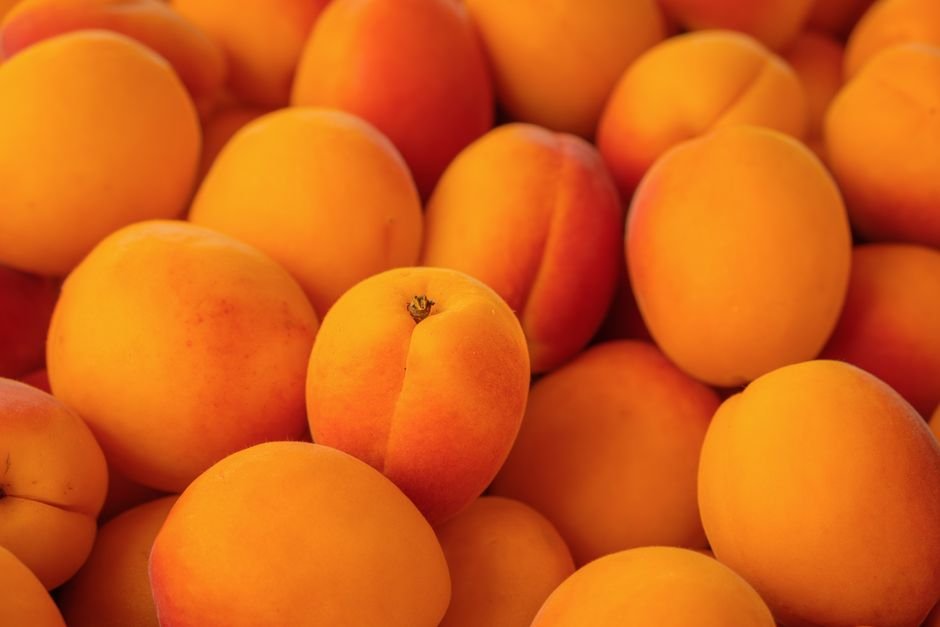
Full Nutrition Facts for One Medium Fresh Apricot (35g)
A medium fresh apricot is an excellent source of fiber and beta-carotene while remaining extremely low in calories and fat. Here’s the complete breakdown:
| Nutrient | Amount | % Daily Value |
|---|---|---|
| Calories | 17 | 1% |
| Total Fat | 0.1g | <1% |
| Saturated Fat | 0g | 0% |
| Cholesterol | 0mg | 0% |
| Sodium | 1mg | <1% |
| Total Carbohydrate | 4g | 1% |
| Dietary Fiber | 0.7g | 3% |
| Total Sugars | 3.2g | — |
| Protein | 0.5g | 1% |
| Vitamin A (RAE) | 96mcg | 11% |
| Potassium | 91mg | 2% |
| Vitamin C | 3.6mg | 6% |
*Percent Daily Values are based on a 2,000-calorie diet. Source: USDA FoodData Central.
Key insight: Apricots are rich in beta-carotene (vitamin A precursor), delivering 11% of your daily value in just 17 calories. This phytonutrient supports eye health and immune function. The nearly negligible fat content and zero cholesterol make apricots ideal for heart-healthy eating. The 0.7g of fiber per fruit contributes to digestive health, though you’d need to eat several to significantly boost daily intake.
Etekcity Food Scale
0.1g accuracy — the perfect companion for exact portions.
Fresh Apricot vs. Dried Apricot: Nutrition Comparison
Fresh Apricot
- Low calorie density (17 calories per medium fruit); water content is 86%
- Higher vitamin C content due to minimal processing; easier to overeat due to low satiety per calorie
- Lower fiber per 100g than dried; requires eating more fruit to reach meaningful fiber amounts
Dried Apricot
- Concentrated calories (20 per single dried fruit); water removed, so nutrients are condensed
- Less vitamin C (degraded during drying); much higher natural sugar concentration per gram
- Higher fiber per 100g; significantly more filling and easier to portion-control
Practical takeaway: Fresh apricots are better for weight loss and hydration because of their low calorie density and high water content. Dried apricots work better for athletes and those needing quick energy, or for people trying to boost fiber intake efficiently. If you’re managing blood sugar, fresh is the safer choice due to lower sugar concentration by serving.

Is Apricot Good for Weight Loss?
Yes, apricots are excellent for weight loss. At just 17 calories per medium fruit and virtually zero fat, they offer genuine nutritional value without calorie excess. Their high water and fiber content promotes fullness, reducing the likelihood of overeating. One or two apricots make a satisfying snack that fits comfortably within any calorie budget.
Tips to Eat Apricot Without Gaining Weight:
- Stick to fresh apricots rather than dried; one medium fresh apricot (17 cal) is harder to overeat than three dried apricots (60 cal)
- Pair apricots with protein or healthy fat (almonds, yogurt, cottage cheese) to increase satiety and slow sugar absorption
- Avoid apricot jam and canned apricots in heavy syrup; both add 40–50+ calories per serving from added sugar
- Use apricots as a whole-fruit snack rather than in smoothies, where you lose fiber and satiety cues
Apricots’ natural sweetness satisfies cravings for sugary foods without derailing a calorie deficit. They’re especially useful for people transitioning away from processed snacks.
How Portion Size Affects Calories
Apricot portions scale linearly with calories, so controlling quantity is straightforward. A single apricot is hard to accidentally overeat, but moving to dried fruit or adding apricots to larger dishes (cobblers, salads with added oil) can quickly add hidden calories.
Example:
- Small portion (1 medium apricot): 17 calories
- Large portion (1 cup / 6 medium apricots): 74 calories
Even a full cup of fresh apricots remains a low-calorie option, so portions are rarely a concern when eating whole fresh fruit.
Best Way to Measure Apricot Accurately
Apricots vary in size, so weight-based measurement is most precise. A kitchen scale takes guesswork out of calorie tracking and ensures consistency across different batches of fruit. Counting whole fruits (medium = ~35g) is acceptable for most purposes and easier than constant weighing.
Options:
- Kitchen scale (most accurate): Weigh fresh apricots to the nearest 5g; one medium = ~35g
- Visual estimate (convenient): One medium apricot ≈ size of a golf ball; three medium ≈ a small fist
- Count and average: For dried apricots, weigh 10 pieces, divide total by 10 to establish average per piece (typically 8–10g each)
Calculate Your Exact Calorie Intake
If you’re tracking calories to lose weight, build muscle, or manage a medical condition, knowing your total daily intake from all foods—including apricots—is critical. A single apricot adds minimal calories, but small foods can accumulate if not tracked.
Our site offers a free AI nutrients calculator that lets you log apricots and hundreds of other foods instantly, generating accurate totals for calories, macros, and micronutrients. Simply enter the portion size and get instant nutrition data without manual lookup.
- Track all meals and snacks in one place; see exactly how apricots fit into your calorie goal
- Receive macro breakdowns (protein, carbs, fat) to optimize your specific diet plan
- Compare nutrition across different foods (fresh vs. dried apricots, for example) in seconds
Use the free calculator now to streamline your nutrition tracking.
Common Mistakes When Eating Apricot
Despite being a whole food, apricots can be eaten in ways that undermine health goals. Here are the most common pitfalls:
❌ Eating dried apricots without realizing portion size matters. Three dried apricots (60 cal, 14g sugar) feels like a light snack but contributes real calories and natural sugars that spike blood glucose in people with diabetes or prediabetes.
❌ Adding apricots to baked goods, cobblers, or salads with added oils, butter, or sweeteners. A homemade apricot cobbler can contain 300+ calories per serving despite apricots themselves being just 17 cal per fruit.
❌ Consuming canned apricots in syrup instead of fresh. One cup of canned apricots in heavy syrup contains 180+ calories and 40g sugar, compared to 74 calories and 17g sugar in fresh.
❌ Drinking apricot juice or smoothies instead of eating whole apricots. Blending removes fiber and satiety signals, making it easy to consume 200+ calories in sugars without feeling full.
Eating apricots whole and fresh remains the simplest way to capture their nutritional benefits without hidden calories.
FAQ
How many calories are in 100g of apricot?
One hundred grams of fresh apricot contains approximately 48 calories. This is useful for precise tracking when weighing larger quantities or multiple fruits together.
Is apricot fattening?
No. Fresh apricots are very low in calories (17 per medium fruit) and contain virtually no fat. They contribute to weight loss when eaten whole and not combined with added fats or sugars. Dried apricots and apricot products (jams, syrups) are more calorie-dense and should be portioned carefully.
Can I eat apricots if I have diabetes?
Yes, but in moderation. One medium fresh apricot contains only 3.2g natural sugar and has a low glycemic index. Eating 1–2 whole fruits is unlikely to spike blood glucose significantly. Dried apricots and processed apricot products are higher in concentrated sugars and should be avoided or severely limited.
What’s the best time to eat apricots?
Apricots are ideal as a pre-workout snack (quick carbs, low fiber weight), a mid-morning or afternoon snack (low calories, satisfying), or paired with meals for added fiber and nutrients. Avoid eating them immediately before bed in large quantities, as they’re mild diuretics.
Conclusion
Apricots are one of the most nutrient-dense, calorie-efficient fruits available. At just 17 calories per medium fruit, they deliver meaningful amounts of vitamin A, fiber, potassium, and vitamin C without any fat or cholesterol. Whether you’re managing weight, optimizing athletic performance, or simply looking for a healthy snack, apricots fit seamlessly into virtually any diet plan. Fresh apricots outperform dried varieties for weight management, while dried apricots serve athletes and those seeking fiber efficiency.
To maximize the nutritional benefit and ensure apricots support your specific health goals, track your total intake using a reliable nutrients calculator. This approach removes guesswork and lets you see exactly how apricots—and all your other foods—contribute to your daily calorie and nutrient targets.
