
Peanut butter is one of the world’s most popular spreads, eaten by millions daily across North America, Europe, and beyond. Whether you’re building muscle, managing weight, or simply looking for a convenient source of protein and healthy fats, understanding the calories in peanut butter is essential. It’s a staple for athletes, fitness enthusiasts, and anyone seeking a nutrient-dense food that satisfies hunger.
But here’s the critical question: how many calories are in peanut butter, and how does it fit into your daily nutrition? This guide breaks down the complete calorie and nutrient profile of peanut butter, explores how preparation and brand choices affect your intake, and shows you how to include this protein powerhouse without derailing your health goals.
Calories in Peanut Butter (Quick Answer)
A standard 2-tablespoon (32g) serving of peanut butter delivers roughly 190–200 calories, making it calorie-dense but nutrient-rich:
- Creamy peanut butter: 188 calories per 2 tablespoons
- Natural/unsweetened peanut butter: 190 calories per 2 tablespoons
- Powdered peanut butter (2 tbsp, reconstituted): 45–50 calories
Calorie counts vary slightly by brand, added oils, and whether honey or sugar has been mixed in. Always check your label for the most accurate serving-size data.
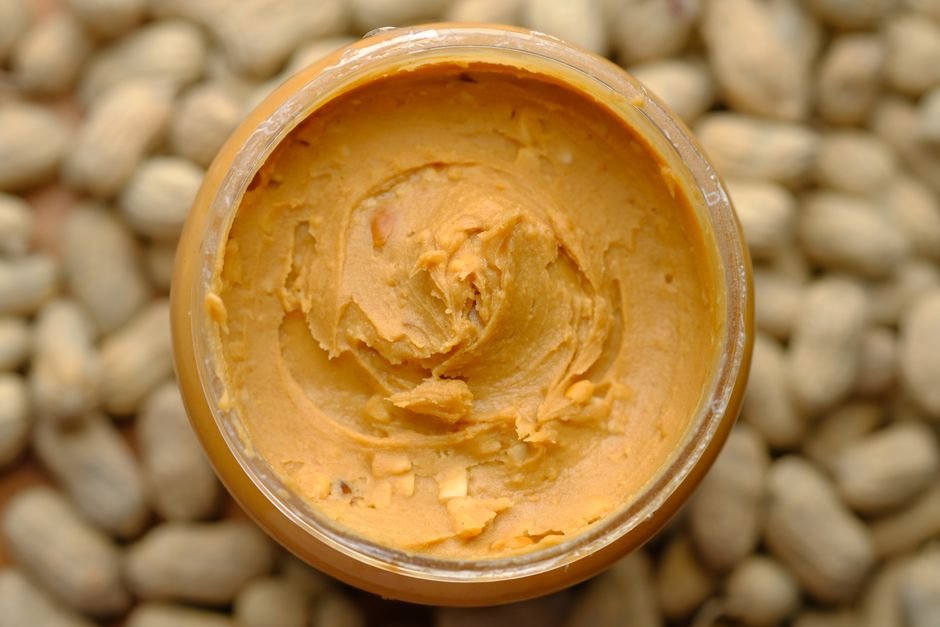
Full Nutrition Facts for 2 Tablespoons (32g) of Creamy Peanut Butter
Here’s the complete breakdown of what you’re consuming in a standard serving of creamy peanut butter, based on USDA data:
| Nutrient | Amount | % Daily Value |
|---|---|---|
| Calories | 188 | — |
| Total Fat | 16g | 21% |
| Saturated Fat | 3.1g | 16% |
| Cholesterol | 0mg | 0% |
| Sodium | 149mg | 6% |
| Total Carbohydrate | 7g | 2% |
| Dietary Fiber | 1.5g | 6% |
| Total Sugars | 1.5g | — |
| Protein | 8g | 16% |
| Magnesium | 49mg | 12% |
| Potassium | 189mg | 5% |
| Vitamin E | 2.8mg | 19% |
*Percent Daily Values are based on a 2,000-calorie diet. Source: USDA FoodData Central.
Key insight: Peanut butter’s high fat content—16g per 2-tablespoon serving—is primarily heart-healthy monounsaturated and polyunsaturated fats, not the harmful saturated kind. The 8g of protein per serving makes it exceptionally good for muscle recovery and satiety, while the 1.5g of fiber supports digestion. The fact that it contains zero cholesterol makes it a plant-based protein option that many people overlook when compared to animal products.

Etekcity Food Scale
0.1g accuracy — the perfect companion for exact portions.
Creamy vs. Natural Peanut Butter: Which Is Lighter?
Creamy Peanut Butter (Traditional)
- Contains added sugars, oils, and emulsifiers for smooth texture and shelf stability
- Slightly higher sodium content (149mg per 2 tbsp) due to salt added for flavor
- More uniform taste and consistency across brands
Natural Peanut Butter (No Added Sugar)
- Made from roasted peanuts with minimal additives; oil separation is normal
- Typically has lower sodium (80–100mg per 2 tbsp) but identical calorie count
- Stronger peanut flavor; requires stirring to recombine separated oil
The takeaway: From a pure calorie standpoint, both are nearly identical—around 188–190 calories per 2-tablespoon serving. The real difference lies in added sugars and sodium. Natural peanut butter is the smarter choice if you’re monitoring sodium intake or avoiding added sugars, while creamy peanut butter offers convenience and consistent texture. Neither is “better” for weight loss; the choice depends on your personal health priorities and taste preference.
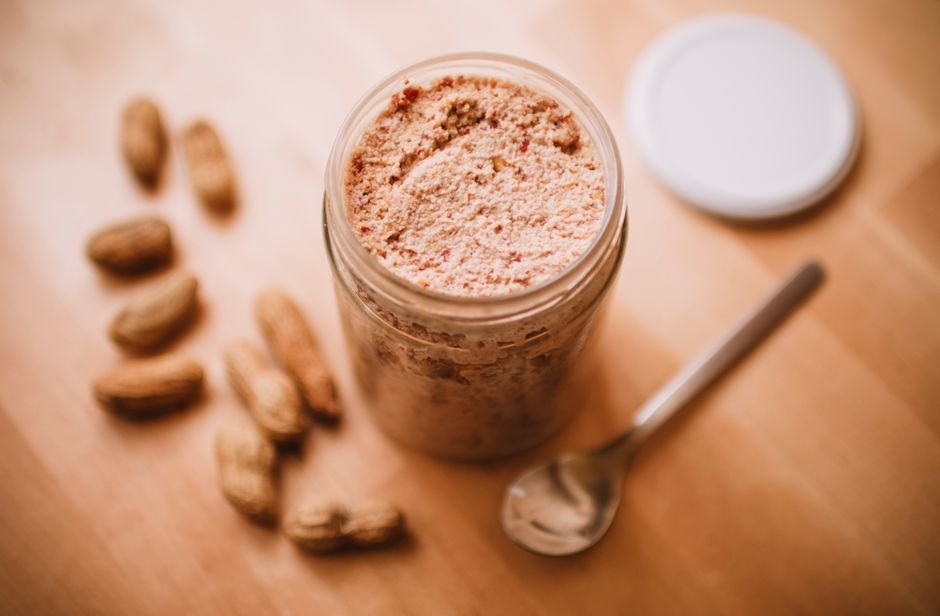
Is Peanut Butter Good for Weight Loss?
Peanut butter can absolutely support weight loss—but portion control is non-negotiable. The combination of protein and fat creates strong satiety, meaning small amounts keep you full for hours. Research shows that people who include peanut butter in a calorie-controlled diet often lose weight more successfully than those who eliminate it entirely, because the satisfaction factor prevents overeating later. The key is measuring carefully and accounting for those calories in your daily total.
Tips to Eat Peanut Butter Without Gaining Weight:
- Measure with a scale or measuring spoon: A tablespoon is exactly 16g; use a kitchen scale to avoid accidental double-servings from the jar
- Pair it with fiber and water: Eat peanut butter with apple slices, celery, or whole-grain toast to add volume and slow digestion
- Limit to one serving per day: One 2-tablespoon serving fits easily into most calorie budgets; two or more begins to add up quickly
- Swap powdered peanut butter occasionally: At 45 calories per serving versus 188, it’s a clever way to reduce calorie density while maintaining the peanut flavor
People who successfully use peanut butter for weight loss treat it as a conscious addition to their meal plan, not an after-thought snack straight from the jar. Planning its use—such as having it on breakfast toast or in a post-workout smoothie—keeps calories predictable and prevents mindless overeating.
How Portion Size Affects Calories
Peanut butter’s calorie density means even small differences in portion size add up quickly. A single extra tablespoon—just 16 grams—adds another 94 calories. Many people underestimate their serving size because peanut butter is thick and feels like a small amount when spread on bread. This is why weighing or measuring is far more reliable than eyeballing the portion.
Example:
- 1 tablespoon (16g): 94 calories
- 2 tablespoons (32g) — standard serving: 188 calories
- 3 tablespoons (48g): 282 calories
Over the course of a week, consistently eating one extra tablespoon daily (94 calories × 7 days = 658 calories) could result in nearly 0.2 pounds of weight gain if no other adjustments are made. Precision with portion size directly controls calorie accumulation.
Best Way to Measure Peanut Butter Accurately
The most common mistake is using visual estimation or “just a spoonful”—neither is reliable. Peanut butter is so calorie-dense that eyeballing leads to consistent over-serving. Using a digital kitchen scale is the gold standard for accuracy, but if you don’t have one, measuring spoons work well for most home use. Whatever method you choose, be consistent so you can track your intake with confidence.
Options:
- Digital kitchen scale: Place a small bowl on the scale, tare it to zero, then add peanut butter until it reads 32g (or your desired amount). This is the most precise method.
- Measuring spoons: Use a standard tablespoon (15ml) or 2-tablespoon measuring spoon. Pack the peanut butter lightly into the spoon, then level with a knife. Two level tbsp ≈ 32g.
- Pre-portioned packets: Many brands now sell 1-tablespoon packets. Grab two packets for a standard serving—no guessing required.
Calculate Your Exact Calorie Intake
Want to know exactly how many calories and nutrients you’re consuming each day, factoring in your specific peanut butter brand and serving size? Manual calculation is tedious, and nutrition labels don’t always tell the whole story about micronutrients and how foods combine in your diet.
Our free AI nutrients calculator analyzes your meals and generates a complete macro and micronutrient breakdown in seconds. Simply log your peanut butter serving size, and the tool accounts for its protein, fat, fiber, vitamins, and minerals—then shows how it fits into your daily targets and compares against recommended daily values. Try the calculator here.
- Get precise calorie and macronutrient totals for your entire day, not guesses
- Identify nutritional gaps and see which foods fill them most efficiently
- Track how peanut butter impacts your protein and fat intake relative to your goals
Common Mistakes When Eating Peanut Butter
Even though peanut butter is nutritious, several habits can turn it from a smart choice into a calorie bomb. Here are the four biggest mistakes people make:
❌ Eating straight from the jar without measuring. You intend to have one serving, but three tablespoons go in before you realize it. This adds 94 extra calories and becomes a daily habit that derails goals.
❌ Treating “natural” peanut butter as a free food. The marketing suggests it’s healthier, so people eat larger portions. It has the exact same calories as regular peanut butter—the health benefit is lower sugar and sodium, not fewer calories.
❌ Pairing peanut butter with high-calorie additions without counting them. You measure 2 tablespoons (188 calories) but spread it on 2 slices of buttered toast (350 calories), then add honey (64 calories). The meal totals 602 calories, not the 188 you accounted for.
❌ Assuming all brands are identical nutritionally. Some brands add extra oils, sugars, or honey. A 2-tablespoon serving can range from 180 to 210 calories depending on the brand. Always read the label on your specific product.
FAQ
How many calories are in 100g of peanut butter?
A 100-gram serving of peanut butter contains approximately 588 calories. Since a standard 2-tablespoon serving is 32g, you can multiply 188 calories × 3.125 to get this figure, or weigh out 100g on a scale.
Is peanut butter fattening?
Peanut butter is not inherently fattening—its high fat and calorie content support weight loss when portion-controlled, because the protein and fat create satiety that prevents overeating. The issue is overconsumption. One or two servings daily fit into most diets; eating multiple servings without accounting for the calories will cause weight gain over time.
Which has fewer calories: peanut butter or almond butter?
Almond butter is slightly lower in calories, with about 170 calories per 2-tablespoon serving versus 188 for peanut butter. The difference is modest, so choice should be based on taste preference and personal nutritional priorities (peanut butter has more protein; almond butter has more vitamin E).
Does peanut butter raise blood sugar?
Peanut butter has a low glycemic index due to its high fat and protein content, which slows carbohydrate absorption. A 2-tablespoon serving contains only 7g of carbs and 1.5g of sugar, so it doesn’t cause rapid blood sugar spikes and is suitable for diabetics and those managing blood sugar, as long as portion sizes are respected.
Conclusion
Peanut butter is a calorie-dense but nutrient-rich food that delivers 188 calories, 8g of protein, and healthy fats in a standard 2-tablespoon serving. It contains zero cholesterol, supports satiety, and fits into weight-loss plans when portion-controlled. The key nutrition advantage is the combination of protein, fiber, and monounsaturated fats—a profile that keeps you satisfied and supports muscle maintenance and heart health.
The real power of peanut butter lies in intentional use: measure your serving, log it in your daily intake, and pair it with whole foods to maximize nutrition and satisfaction. Whether you’re tracking macros for athletic performance or managing calories for weight loss, using a reliable nutrients calculator ensures you understand exactly how peanut butter fits into your goals—no guessing, no surprises.
