
Squash is a versatile, nutrient-dense vegetable enjoyed across countless cuisines, from summer zucchini to winter butternut. It’s a staple for people managing weight, controlling blood sugar, and building balanced vegetable-forward diets. Squash is especially popular among low-carb dieters, fitness enthusiasts, and anyone seeking filling vegetables with minimal calorie density.
But the calorie content varies significantly depending on the variety and preparation method. Understanding exactly how many calories are in squash helps you track intake accurately and make smarter nutritional choices in your meal planning.
Calories in Squash (Quick Answer)
Here are calorie counts for common squash varieties at standard serving sizes:
- Raw zucchini (1 cup, sliced): 21 calories
- Roasted butternut squash (1 cup, cubed): 82 calories
- Raw yellow summer squash (1 cup, sliced): 24 calories
Calorie values depend on the specific type, whether skin is included, and cooking method. Roasted or baked squash concentrates sugars and may be higher per serving than raw. Winter squashes are generally higher in calories than summer varieties.
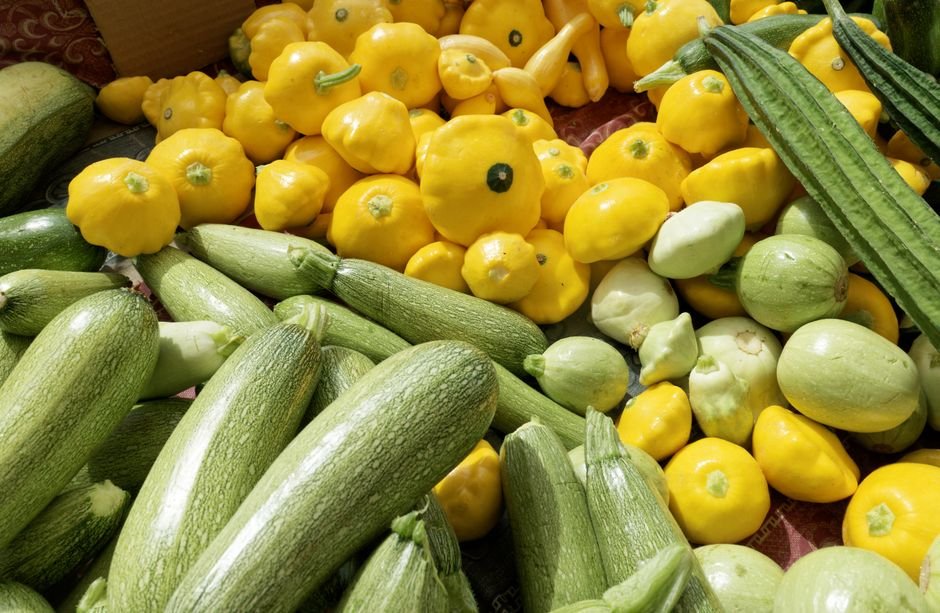
Full Nutrition Facts for 1 Cup Raw Zucchini
Zucchini is one of the lightest squash varieties and represents a typical summer squash profile. Here’s the complete nutrient breakdown for one cup of raw, sliced zucchini:
| Nutrient | Amount | % Daily Value |
|---|---|---|
| Calories | 21 | — |
| Total Fat | 0.4g | 1% |
| Saturated Fat | 0.1g | <1% |
| Cholesterol | 0mg | 0% |
| Sodium | 10mg | <1% |
| Total Carbohydrate | 3.5g | 1% |
| Dietary Fiber | 1.1g | 4% |
| Total Sugars | 1.5g | — |
| Protein | 1.5g | 3% |
| Vitamin C | 20.1mg | 33% |
| Vitamin A | 392 IU | 8% |
| Potassium | 295mg | 8% |
*Percent Daily Values are based on a 2,000-calorie diet. Source: USDA FoodData Central.
Key insight: Zucchini’s combination of high water content (95%) and low calorie density makes it an ideal filler vegetable for weight loss. The fiber-to-carb ratio is favorable, and one cup provides a third of your daily vitamin C while contributing virtually no fat or cholesterol.
Etekcity Food Scale
0.1g accuracy — the perfect companion for exact portions.
Raw vs. Roasted Butternut Squash: How Cooking Changes Nutrition
Raw Butternut Squash
- Retains all water content, lower calorie density per cup
- Crunchy texture, more difficult to digest raw in large quantities
- Preserves heat-sensitive vitamins like vitamin C
Roasted Butternut Squash
- Water evaporates, calories concentrate (82 cal per cup vs. 44 raw)
- Caramelized sugars intensify sweetness and flavor
- Soft texture improves digestibility and nutrient absorption of fat-soluble vitamins
Practical takeaway: If you’re tracking calories closely, measure roasted squash by weight or use a scale, since cooking removes water and substantially increases calorie density. Raw butternut squash is cumbersome to eat whole, but roasting transforms it into a satisfying side that pairs well with healthy fats like olive oil, which aid nutrient absorption.

Is Squash Good for Weight Loss?
Yes, squash is genuinely beneficial for weight loss, particularly summer varieties like zucchini and yellow squash. With under 25 calories per raw cup and high water content, squash fills your plate with minimal calorie impact. It’s rich in fiber, which promotes satiety and helps stabilize blood sugar. Winter squashes like butternut are higher in calories but still supportive of weight loss when portion-controlled, thanks to their natural sweetness reducing cravings for sugary snacks.
Tips to Eat Squash Without Gaining Weight:
- Choose summer over winter: Zucchini, yellow, and crookneck squashes are all under 30 calories per raw cup. Butternut and acorn squash are 2–4 times higher.
- Measure roasted squash by weight: Cooking concentrates calories. Use a kitchen scale or pre-portioned containers to avoid overeating.
- Pair with protein: Add grilled chicken, beans, or tofu to squash-based meals to increase satiety and slow digestion.
- Avoid excess oil: Squash absorbs cooking fat readily. Use cooking spray or measure oil strictly; aim for 1–2 teaspoons per serving.
Squash fits seamlessly into calorie-restricted diets. Its low energy density means you can eat larger portions without sabotaging your goals, making it psychologically easier to stick with weight-loss plans.
How Portion Size Affects Calories
A small change in portion size creates a dramatic calorie difference with squash, especially when roasted. Raw summer squash is so low-calorie that generous portions remain manageable. Roasted winter squash, however, concentrates sugars and requires careful measurement to prevent inadvertent overconsumption.
Example:
- Small portion: ½ cup roasted butternut squash = 41 calories
- Large portion: 2 cups roasted butternut squash = 164 calories
Doubling your portion quadruples the calories—something to track if roasted squash is a regular meal component.
Best Way to Measure Squash Accurately
Volume measurements (cups) for raw squash are reasonable if you chop roughly uniformly. For roasted squash, weight is far more accurate because water loss and caramelization vary with oven temperature and cook time. A kitchen scale removes guesswork and is especially important if you’re tracking macros or calories precisely.
Options:
- Kitchen scale: Weigh raw squash before cooking, or weigh the finished roasted portion. Most nutritional data references grams.
- Measuring cups: Works adequately for raw, chopped squash if pieces are uniform. Less reliable for roasted, which shrinks unpredictably.
- Pre-portioned containers: Buy frozen roasted squash in single-serving packs to eliminate measurement error entirely.
Calculate Your Exact Calorie Intake
Knowing squash calories alone isn’t enough—understanding how it fits into your full daily intake is what drives real results. If you eat squash regularly, tracking it alongside your proteins, grains, and fats reveals whether you’re hitting your targets.
Our free AI nutrients calculator instantly breaks down calories, macronutrients, and micronutrients for squash and any food you log. Use it here to build balanced meals and see exactly what you’re eating.
- Log squash recipes or meal combinations to see combined calorie and macro impact
- Compare raw vs. cooked forms to make informed cooking choices
- Track micronutrients like vitamin C and potassium to optimize overall nutrition
Common Mistakes When Eating Squash
Squash seems straightforward, but several habits can derail your nutrition goals without obvious warning.
❌ Underestimating roasted squash calories: Because squash is vegetable-based, many assume roasted portions are negligible. A 2-cup serving of roasted butternut is 164 calories—the same as a banana or granola bar.
❌ Drowning squash in oil or butter: Squash absorbs cooking fat like a sponge. Two tablespoons of olive oil add 240 calories, more than doubling the vegetable’s own calorie content.
❌ Confusing carbs with sugar: Winter squash is legitimately higher in carbs (about 22g per cup roasted butternut). If you’re managing diabetes or following low-carb diets, this matters—it’s not just a side dish.
❌ Skipping the skin on summer squash: Zucchini and yellow squash skins are edible and nutrient-rich, containing most of the fiber. Peeling unnecessarily removes nutritional value.
These missteps are easy to correct once you measure, read labels, and think intentionally about your squash preparation.
FAQ
How many calories are in 100g of squash?
Raw zucchini contains approximately 17 calories per 100g. Roasted butternut squash contains about 37 calories per 100g. The exact value depends on the variety and whether skin is included.
Is squash fattening?
No. Summer squashes are extremely low in calories and fat, making them one of the least fattening vegetables available. Even winter squashes, which are higher in carbs, are not inherently fattening—portion control and cooking method determine outcomes.
Can you eat squash every day?
Yes, squash is safe and beneficial to eat daily. It’s nutrient-dense, low in calories, and versatile. Just vary your squash types to ensure diverse micronutrient intake, and monitor your total carb intake if consuming large amounts of butternut or acorn squash.
Does cooking squash destroy nutrients?
Cooking reduces heat-sensitive vitamin C content but actually increases bioavailability of fat-soluble vitamins like beta-carotene (vitamin A). Roasting is gentler than boiling, which leaches more water-soluble nutrients into cooking water.
Conclusion
Squash is a nutritional powerhouse with calorie counts ranging from 21 per cup (raw zucchini) to 82 per cup (roasted butternut), depending on variety and preparation. It’s fiber-rich, low in fat and sodium, and packed with vitamin C and potassium. Summer squashes are nearly guilt-free additions to any diet, while winter varieties offer natural sweetness and are still weight-loss friendly when portions are measured.
The key to maximizing squash’s nutritional benefits is understanding how your preferred variety compares and measuring roasted portions carefully. Log your squash intake into a reliable nutrients calculator to see its full impact on your daily macros and micronutrients. With accurate tracking, squash becomes one of your most powerful tools for building sustainable, satisfying meals.
