
Rice cakes have become a staple snack for people following low-carb diets, fitness regimens, and gluten-free lifestyles. They’re light, portable, and pair well with both sweet and savory toppings, making them popular in offices, gyms, and homes worldwide. Whether you’re managing weight, building muscle, or simply looking for a quick snack, understanding the calorie and nutritional content of rice cakes is essential.
But how many calories are actually in a rice cake? The answer depends on the type, size, and brand you choose. In this guide, we’ll break down the exact calorie counts, full nutrition facts, and practical tips for incorporating rice cakes into your diet wisely.
Calories in Rice Cake (Quick Answer)
A standard rice cake contains surprisingly few calories, which is part of its appeal as a diet-friendly snack.
- Plain white rice cake (9g): 35 calories
- Brown rice cake (9g): 35 calories
- Larger rice cake (15g): 60 calories
Calorie counts vary slightly depending on the brand, whether it’s enriched, and any added seasonings or coatings. Some flavored varieties may contain 40–80 calories per cake.
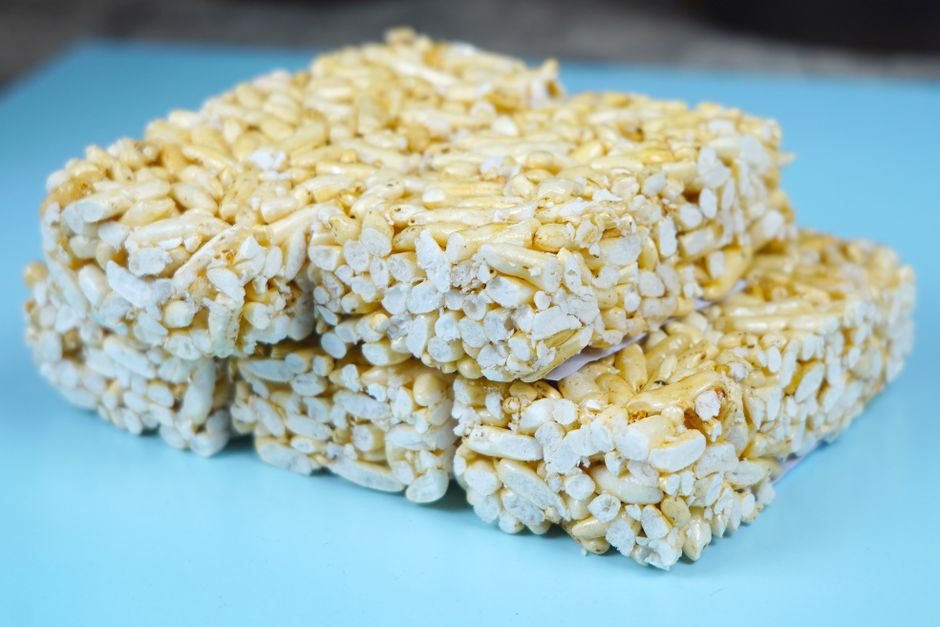
Full Nutrition Facts for One Rice Cake (9g)
Here’s the complete nutritional breakdown for a standard plain white rice cake, sourced from USDA data:
| Nutrient | Amount | % Daily Value |
|---|---|---|
| Calories | 35 | 2% |
| Total Fat | 0.3g | 0% |
| Saturated Fat | 0.1g | 0% |
| Cholesterol | 0mg | 0% |
| Sodium | 29mg | 1% |
| Total Carbohydrate | 7.3g | 2% |
| Dietary Fiber | 0.3g | 1% |
| Total Sugars | 0.1g | — |
| Protein | 0.7g | 1% |
| Iron | 0.2mg | 1% |
| Magnesium | 3.6mg | 1% |
| Manganese | 0.16mg | 7% |
*Percent Daily Values are based on a 2,000-calorie diet. Source: USDA FoodData Central.
Key insight: Rice cakes are extremely low in protein (less than 1g per cake) and contain virtually no fat, making them a carbohydrate-dominant snack. They’re also naturally free of cholesterol and very low in sodium. The minimal fiber content means rice cakes digest quickly, which is why they’re often paired with protein or fat-rich toppings like nut butter, avocado, or cheese to create a more balanced, satisfying meal.
Etekcity Food Scale
0.1g accuracy — the perfect companion for exact portions.
White Rice Cake vs. Brown Rice Cake
White Rice Cake
- Made from refined white rice with the bran and germ removed
- Lighter color and slightly milder taste
- Digests faster, causing a quicker rise in blood sugar
Brown Rice Cake
- Contains the intact bran and germ for added fiber and nutrients
- Nuttier flavor and denser texture
- Slower digestion and more stable blood sugar response
Practical takeaway: While both varieties contain nearly identical calorie counts (around 35 per standard cake), brown rice cakes offer a nutritional edge with nearly 3 times the fiber. If managing blood sugar or supporting digestion is a priority, brown rice cakes are the better choice. However, white rice cakes are fine for most people and may be preferable if you enjoy a lighter texture or pairing with heavy toppings.
Is Rice Cake Good for Weight Loss?
Rice cakes can be part of a weight loss diet, but they must be eaten strategically. At just 35 calories per cake, they’re undeniably low-calorie. However, they lack protein and fiber, which means they don’t keep you full for long. Eating a plain rice cake alone will leave you hungry soon after. The real weight loss risk comes from what you put on top—excessive nut butter, chocolate spread, or cheese can quickly turn a 35-calorie snack into a 200+ calorie indulgence.
Tips to Eat Rice Cake Without Gaining Weight:
- Pair with 1–2 tablespoons of natural nut butter or 1/4 avocado for sustained satiety
- Top with Greek yogurt, cottage cheese, or a thin slice of cheese for protein boost
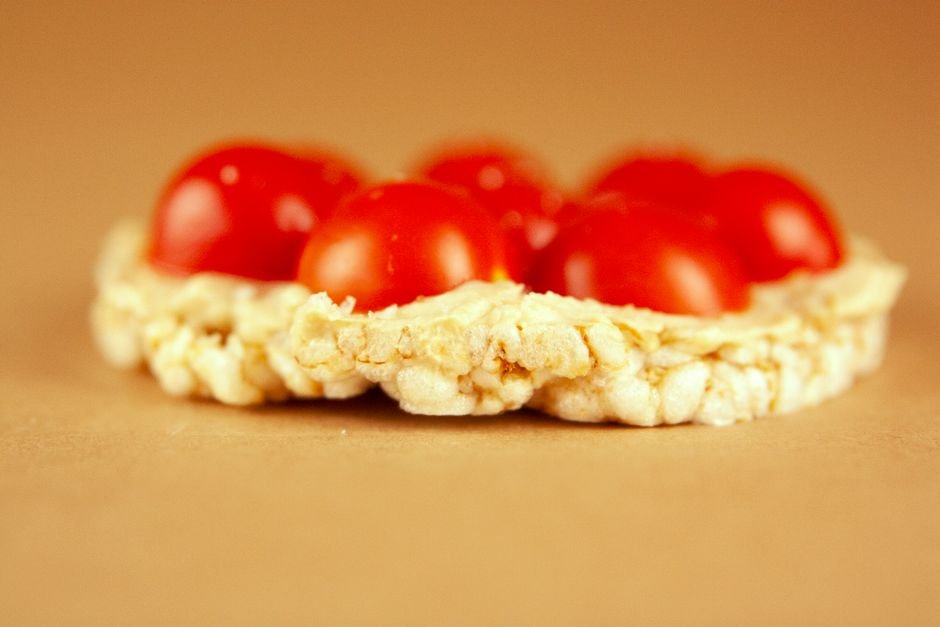
- Add vegetables like sliced cucumber, tomato, or bell pepper to increase volume and nutrition
- Limit to one or two rice cakes per snack session; mindless eating often leads to consuming 5+ in one sitting
When combined with a protein and/or fat source, rice cakes become a genuinely smart snack for weight loss. The key is portion control and mindful topping selection.
How Portion Size Affects Calories
Rice cake sizes vary significantly by brand. Standard rice cakes (commonly sold in the UK and Asia) weigh around 9g each, but larger brands (particularly in North America) produce thicker cakes weighing 15–20g. This means a single “rice cake” can vary from 35 to 70 calories depending on which package you buy. Additionally, when people make rice cakes at home or purchase specialty varieties, the weight difference becomes even more pronounced.
Example:
- Small rice cake (9g): 35 calories
- Large rice cake (20g): 70 calories
Always check the package label for serving size and weight to know exactly how many calories you’re consuming.
Best Way to Measure Rice Cake Accurately
The easiest way to track rice cake calories is to weigh them using a kitchen scale set to grams. Since rice cakes are standardized products, the nutrition label on the package provides exact figures based on weight. However, if you don’t have a scale, counting the number of cakes and consulting the label is reliable—most packages specify calories per cake, not per 100g.
Options:
- Use a digital kitchen scale to weigh individual rice cakes in grams, then cross-reference the label’s nutrition info per gram
- Count rice cakes and rely on the “per cake” serving size listed on the package
- Use a nutrition tracking app like MyFitnessPal, which has database entries for popular rice cake brands with exact gram weights
Calculate Your Exact Calorie Intake
If you’re eating rice cakes as part of a broader meal or snack plan, knowing the total calorie content becomes crucial for weight management and fitness goals. It’s not just the rice cake itself—the toppings, drinks, and other foods eaten alongside it matter equally.
Our site offers a free AI-powered nutrients calculator that instantly breaks down the complete nutritional profile of any meal or snack combination. Simply input the rice cake, topping, and portion size, and get real-time calorie, protein, fat, and carbohydrate totals.
- Track macros for mixed meals featuring rice cakes plus toppings in seconds
- Compare nutritional impact of different topping options (almond butter vs. peanut butter, for example)
- Export daily food logs to monitor long-term eating patterns
Try the free calculator now to get precise nutrition data for your rice cake meals.
Common Mistakes When Eating Rice Cake
Many people sabotage their diet and health goals without realizing it. Here are the most common rice cake pitfalls:
❌ Eating plain rice cakes alone as a meal replacement. Because they lack protein and healthy fats, they leave you hungry within 30 minutes, leading to overeating later.
❌ Assuming “rice cakes” are automatically healthy. Flavored varieties with chocolate chips, sweet coatings, or caramel can contain 80–120 calories and significant added sugars—often more than whole grains like oats or barley.
❌ Drowning rice cakes in toppings without measuring. A generous handful of peanut butter (2–3 tablespoons) can add 250+ calories, turning a light snack into a meal’s worth of calories.
❌ Relying on rice cakes for fiber and fullness. With less than 1g of fiber per cake, they’re poor for digestive health and satiety—whole grains like oats, brown rice, or wholegrain bread are far superior.
Smart rice cake eating means treating them as a base for balanced toppings, not as a standalone meal.
FAQ
How many calories are in 100g of rice cake?
Since a standard rice cake weighs 9g and contains 35 calories, 100g of rice cake would contain approximately 390 calories. However, most people consume rice cakes by individual units rather than by weight, so this calculation is more useful for comparing overall calorie density than for practical portion control.
Is rice cake fattening?
Rice cakes themselves are not fattening—at 35 calories per cake, they’re among the lowest-calorie snacks available. They become fattening only when topped with high-calorie spreads, excessive cheese, or chocolate. Eaten plain or with light, protein-rich toppings, rice cakes are actually a dieting-friendly choice.
Do rice cakes spike blood sugar?
Yes, rice cakes have a high glycemic index (around 82 for white rice cakes), meaning they raise blood sugar quickly. This is why they’re not ideal for people managing diabetes or prediabetes. Brown rice cakes are slightly better due to added fiber, but they’ll still cause a faster blood sugar response than whole grains like oats or barley.
Can you eat rice cakes on a low-carb diet?
Rice cakes are not suitable for strict low-carb diets like keto, as one cake contains 7.3g of carbs with minimal fiber. However, they can fit into moderate low-carb diets (50–100g carbs per day) if portion-controlled and paired with fat and protein to minimize blood sugar impact.
Conclusion
Rice cakes are genuinely low-calorie (35 per standard cake) and can absolutely be part of a healthy diet. They’re convenient, portable, and naturally free from cholesterol and harmful fats. The catch is that they’re equally low in protein, fiber, and micronutrients—meaning they work best as a vehicle for more nutritious toppings rather than as a standalone snack.
Whether you’re managing weight, controlling blood sugar, or simply looking for a quick, light snack, rice cakes deserve a place in your diet—but only when paired thoughtfully. Use a reliable nutrients calculator to track the total nutritional impact of your rice cake meals, toppings included, and you’ll make choices that genuinely support your health goals.
