
Potato salad is a staple side dish at barbecues, picnics, and family gatherings across North America and Europe. It’s affordable, filling, and pairs well with grilled meats and other proteins. However, the way potato salad is prepared—especially the dressing and added ingredients—makes a massive difference in its calorie and fat content. Many people assume it’s a light side dish when it can actually rival the main course in calories.
If you’re tracking calories for weight loss, muscle building, or general health, understanding the true calorie count of potato salad matters. The question isn’t just “How many calories are in potato salad?” but rather “What kind of potato salad, and how much?” This article breaks down the numbers, explains why preparation method changes everything, and shows you how to enjoy it without derailing your goals.
Calories in Potato Salad (Quick Answer)
Calorie counts vary significantly based on the dressing and preparation method used:
- Creamy mayo-based potato salad (1 cup / 240g): 350–420 calories
- Vinegar-based or oil-and-vinegar potato salad (1 cup / 240g): 180–220 calories
- Restaurant or deli potato salad (1 cup / 240g): 400–500 calories (often made with extra mayo and added bacon or cheese)
Exact calorie values depend on the ratio of potatoes to dressing, the type of mayonnaise used (regular vs. light), and any mix-ins like bacon, cheese, or celery. Homemade versions are often lighter than commercial or deli versions.
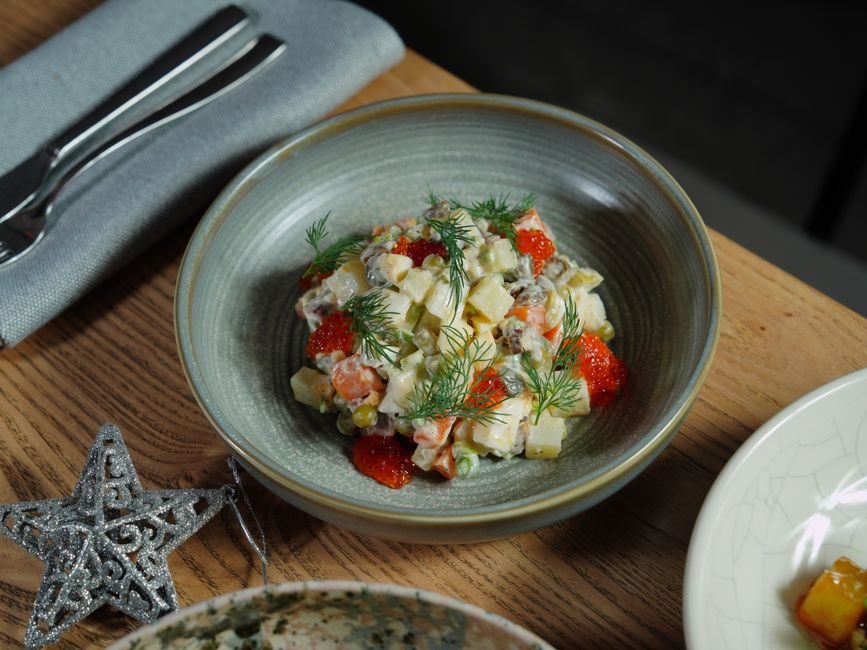
Full Nutrition Facts for 1 Cup (240g) of Creamy Potato Salad
Here’s a complete breakdown of a standard serving of typical creamy potato salad made with mayonnaise-based dressing:
| Nutrient | Amount | % Daily Value |
|---|---|---|
| Calories | 390 | — |
| Total Fat | 22g | 28% |
| Saturated Fat | 3.8g | 19% |
| Cholesterol | 15mg | 5% |
| Sodium | 660mg | 29% |
| Total Carbohydrate | 38g | 13% |
| Dietary Fiber | 3.2g | 11% |
| Total Sugars | 4g | 8% |
| Protein | 4.5g | 9% |
| Potassium | 450mg | 10% |
| Vitamin C | 8mg | 13% |
| Vitamin B6 | 0.15mg | 9% |
*Percent Daily Values are based on a 2,000-calorie diet. Source: USDA FoodData Central.
Key insight: Nearly 60% of the calories in creamy potato salad come from fat—almost entirely from the mayonnaise dressing, not the potatoes themselves. This is why the type of dressing makes such an enormous difference. A vinegar-based version cuts the fat content by two-thirds while keeping most of the carbohydrates and fiber from the potatoes. The sodium is also notably high (29% of the daily value in one serving), so portion control matters, especially for those managing blood pressure.
Etekcity Food Scale
0.1g accuracy — the perfect companion for exact portions.
Creamy Mayonnaise-Based vs. Vinegar-Based Potato Salad
Creamy Mayonnaise-Based Potato Salad
- Rich, heavy texture; smooth and binding dressing
- Much higher in fat and calories; 350–420 calories per cup
- Longer shelf life when refrigerated; common at delis and restaurants
Vinegar-Based (or Oil-and-Vinegar) Potato Salad
- Light, crisp taste; tangy flavor from vinegar instead of mayo
- Lower in fat and calories; 180–220 calories per cup
- Healthier option for weight loss; less saturated fat and cholesterol
Practical takeaway: If you’re bringing potato salad to a gathering or making it at home, switching from a mayo-based to a vinegar-based recipe cuts calories nearly in half while keeping potassium, fiber, and carbs intact. You still get the satisfying potato flavor without the heavy fat load. For restaurant or deli versions, always ask about the dressing type—mayo-based versions can exceed 500 calories per cup when made with extra mayo and mix-ins.
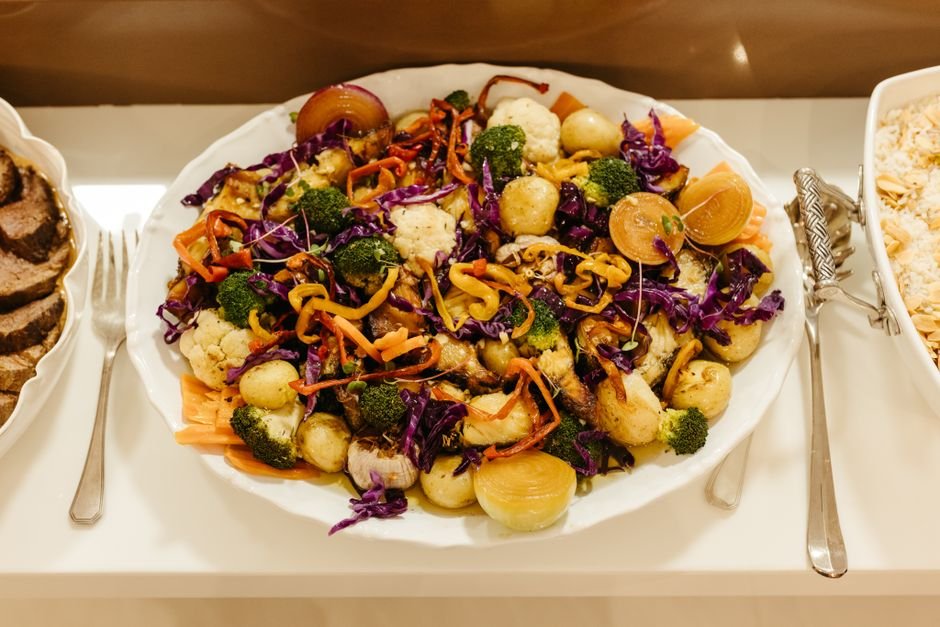
Is Potato Salad Good for Weight Loss?
Potato salad can fit into a weight loss diet, but only with careful portion control and dressing choice. The potatoes themselves are actually quite satiating—they rank high on the satiety index, meaning they keep you full longer. The problem is the mayo-based dressing, which adds empty calories and fat without much nutritional benefit. A vinegar-based potato salad with a modest portion (½ to ¾ cup) is a reasonable side dish for weight loss. Creamy versions should be limited to smaller portions (¼ to ½ cup) or reserved as occasional indulgences.
Tips to Eat Potato Salad Without Gaining Weight:
- Choose vinegar-based over creamy: Request or make a vinegar, olive oil, or lemon juice–based version instead of mayo. You’ll cut calories by more than half.
- Control portion size: Stick to ½ cup (120g) or a single scoop rather than a heaping serving. Pair it with protein and vegetables.
- Make it at home: Use light mayo or skip mayo entirely. Add fresh herbs, mustard, and vinegar for flavor instead of relying on fat.
- Load it with vegetables: Add extra celery, red onion, bell peppers, and herbs. They add bulk and nutrients with minimal calories.
The key is knowing the dressing before you serve yourself. A small portion of mayo-based salad (¼ cup) is still reasonable; a large portion becomes a calorie trap. Plan for it in your daily total rather than treating it as a “free” side.
How Portion Size Affects Calories
Portion size is critical with potato salad because it’s easy to underestimate how much you’re eating. A “scoop” at a buffet or barbecue might be 150–180g, but people often take two or three. Calories scale linearly with portion size, so doubling your serving doubles your calorie intake. Using a kitchen scale or measuring cup ensures accuracy and prevents accidental overconsumption.
Example:
- Small portion (½ cup / 120g of creamy salad): ~195 calories, 11g fat
- Large portion (1.5 cups / 360g of creamy salad): ~585 calories, 33g fat
That difference—390 calories—is equivalent to a full meal. Knowing your portion size before eating is the fastest way to stay on track.
Best Way to Measure Potato Salad Accurately
Measuring potato salad by volume (cups) is more practical than weight for most people, but a kitchen scale gives the most accurate results. Potato salad doesn’t compress uniformly, so the same cup measure can vary by 40–50 calories depending on how tightly it’s packed. If you’re serious about tracking, invest in a simple digital scale and weigh in grams. For casual tracking, a standard measuring cup is acceptable—just be consistent and avoid heaping or packing down.
Options:
- Kitchen scale (most accurate): Weigh in grams. One serving = 240g for nutrition label purposes, 120g for a half-cup portion.
- Measuring cup: Use a standard 1-cup measure and level it off. Erring slightly under is safer than heaping.
- Spoon/scoop method (least accurate): One serving spoon ≈ 30g. Count your scoops and multiply. Only use this as a rough estimate.
Calculate Your Exact Calorie Intake
If you’re tracking macros or calories for a specific fitness goal, knowing the exact composition of your potato salad is essential. Different homemade versions, restaurant recipes, and brands vary widely—some are nearly twice as calorie-dense as others depending on dressing ratios and mix-ins. A food scale plus a reliable nutrition database removes the guesswork.
Our free AI nutrients calculator can help you log your exact portion and instantly see total calories, protein, carbs, fat, and micronutrients for any serving size. Simply enter your measured portion, and the tool adjusts the full nutrition profile automatically. Try the calculator here.
- Instantly adjust nutrition values based on your exact portion size
- Track macros accurately without mental math or rounding errors
- Build confidence in your calorie tracking for consistent results
Common Mistakes When Eating Potato Salad
Most people underestimate potato salad’s calorie content because it looks like a harmless side dish. Here are the biggest pitfalls:
❌ Assuming mayo-based salad is “light” or “healthier”: A single cup of creamy potato salad has as many calories as two slices of whole-wheat bread, plus more fat and sodium.
❌ Taking massive portions at buffets without measuring: Serving spoons are typically 60–90g each, and most people serve 2–3 times what they think, turning a 390-calorie side into a 800+ calorie one.
❌ Ignoring store-bought and restaurant versions: Commercial deli potato salad often contains extra mayo, bacon, or cheese and can exceed 500 calories per cup—sometimes with added sugar in the dressing.
❌ Eating it without protein or vegetables: Potato salad alone causes a faster blood sugar spike and leaves you less satisfied than when eaten with grilled chicken, fish, or a large salad.
The fix is simple: know your dressing type, measure your portion, and pair it with protein and fiber-rich vegetables.
FAQ
How many calories are in 100g of potato salad?
A 100g serving of creamy mayo-based potato salad contains approximately 162 calories. For vinegar-based versions, expect 75–90 calories per 100g. A food scale makes this measurement easy and removes all guesswork.
Is potato salad fattening?
Mayo-based potato salad can be fattening if eaten in large portions regularly, as it’s calorie-dense and high in saturated fat. However, vinegar-based versions and small portions (½ cup or less) can fit into a balanced diet without causing weight gain. The key is dressing type and portion control, not the potatoes themselves.
Can I eat potato salad on a low-carb diet?
Not easily—potatoes are high in carbs, with one cup containing 38g of carbohydrate. A standard serving would exceed the carb limit for most low-carb or keto diets. If following low-carb guidelines, limit potato salad to small, occasional portions (2–3 tablespoons) or opt for cauliflower salad as a substitute.
Does homemade or store-bought potato salad have more calories?
Store-bought and deli versions typically have more calories because they’re made with extra mayo and added ingredients like bacon or cheese for shelf stability and consumer appeal. Homemade versions where you control the dressing are usually lighter. Comparing labels or asking your deli is the best way to know for sure.
Conclusion
Potato salad ranges from a reasonable 180-calorie side to a calorie bomb exceeding 500 calories depending on how it’s prepared. The dressing method makes the largest difference: mayo-based versions are two to three times higher in calories than vinegar-based alternatives. Potatoes themselves are nutritious and satiating, providing carbohydrates, fiber, potassium, and vitamin C. The added fat from mayonnaise is what transforms a simple side into a calorie-dense dish.
To enjoy potato salad without sabotaging your nutrition goals, choose your dressing wisely, measure your portions, and pair it with protein and vegetables. If you’re serious about tracking macros, use a kitchen scale and a reliable tool to log your exact intake. Whether you’re losing weight, maintaining, or simply eating mindfully, understanding the calorie and nutrition profile of your foods—including potato salad—makes all the difference. Use a trusted nutrients calculator to dial in your portions and take the guesswork out of your daily intake.
