
Roast beef has been a centerpiece of meals across America and the UK for generations, valued for its rich flavor, impressive protein content, and versatility. Whether served as a holiday centerpiece, sliced thin for sandwiches, or shredded for casseroles, roast beef remains a popular choice for home cooks and restaurants alike. People seeking to build muscle, manage weight, or maintain a balanced diet often turn to roast beef as a reliable protein source.
But if you’re tracking calories, understanding the nutritional profile of roast beef is essential. Calorie counts vary significantly based on the cut, cooking method, and fat content. This guide breaks down exactly how many calories are in roast beef, explores its full nutrition facts, and shows you how to incorporate it wisely into your dietary goals.
Calories in Roast Beef (Quick Answer)
A 3-ounce (85g) serving of roast beef typically contains between 150–210 calories, depending on the cut and fat level.
- Lean roast beef (eye of round): 150 calories per 3 oz
- Medium-fat roast beef (chuck): 180 calories per 3 oz
- Higher-fat roast beef (rib): 210 calories per 3 oz
Calorie values can vary by cut, marbling level, cooking method, and whether fat is trimmed before or after cooking.
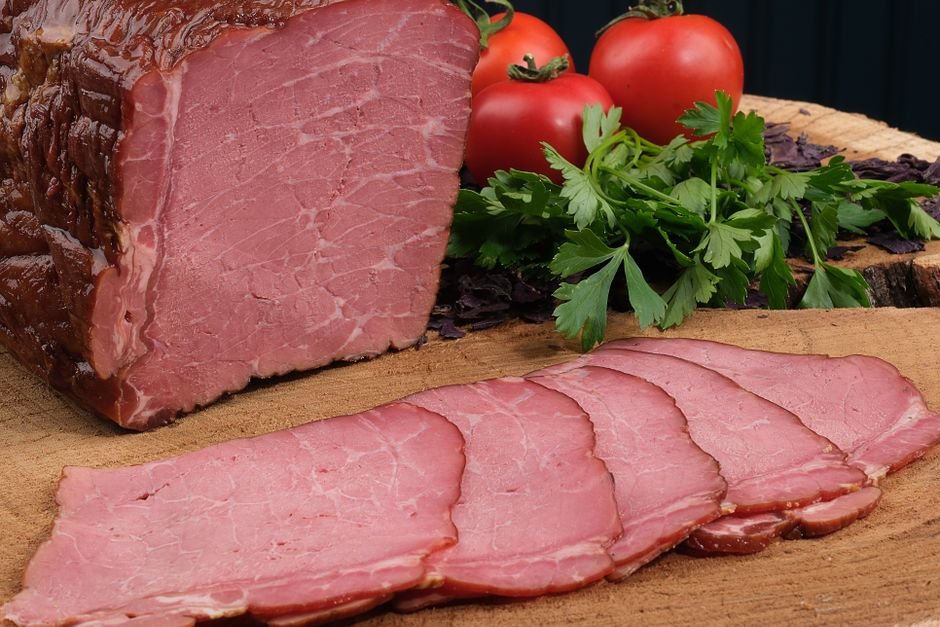
Full Nutrition Facts for 3 oz (85g) of Lean Roast Beef
Here’s the complete nutritional breakdown for a standard 3-ounce serving of lean roast beef (eye of round, cooked):
| Nutrient | Amount | % Daily Value |
|---|---|---|
| Calories | 150 | — |
| Total Fat | 5g | 6% |
| Saturated Fat | 2g | 10% |
| Cholesterol | 55mg | 18% |
| Sodium | 55mg | 2% |
| Total Carbohydrate | 0g | 0% |
| Dietary Fiber | 0g | 0% |
| Total Sugars | 0g | — |
| Protein | 27g | 54% |
| Iron | 2.6mg | 14% |
| Zinc | 5.2mg | 47% |
| Vitamin B12 | 1.2mcg | 50% |
*Percent Daily Values are based on a 2,000-calorie diet. Source: USDA FoodData Central.
Key insight: Lean roast beef delivers exceptional protein—27g per just 3 ounces—with minimal carbohydrates and a low calorie density. Its zinc and B12 content make it particularly valuable for muscle recovery, immune function, and energy metabolism. Unlike many protein sources, roast beef provides heme iron, the form most efficiently absorbed by your body.
Etekcity Food Scale
0.1g accuracy — the perfect companion for exact portions.
Lean vs. Fatty Roast Beef: How Marbling Affects Calories
The cut and marbling level of roast beef dramatically affect its calorie and fat content. Choosing between lean and fattier cuts can mean a difference of 60+ calories and 12+ grams of fat per serving.
Lean Roast Beef (Eye of Round, Bottom Round)
- 150–160 calories per 3 oz serving
- 5–6g total fat, with minimal saturated fat
- Ideal for calorie-conscious diets and those watching cholesterol intake
Fatty Roast Beef (Rib, Chuck, Brisket)
- 200–230 calories per 3 oz serving
- 14–18g total fat, including 6–8g of saturated fat
- Richer flavor and more tender texture, but higher in calories and saturated fat
Practical takeaway: If you’re aiming to minimize calorie intake or reduce saturated fat, opt for lean cuts like eye of round or bottom round. If flavor and tenderness are your priority, fattier cuts deliver more indulgence—just adjust portion sizes accordingly. Trimming visible fat after cooking can reduce the fat content by roughly 20–30% without sacrificing texture.
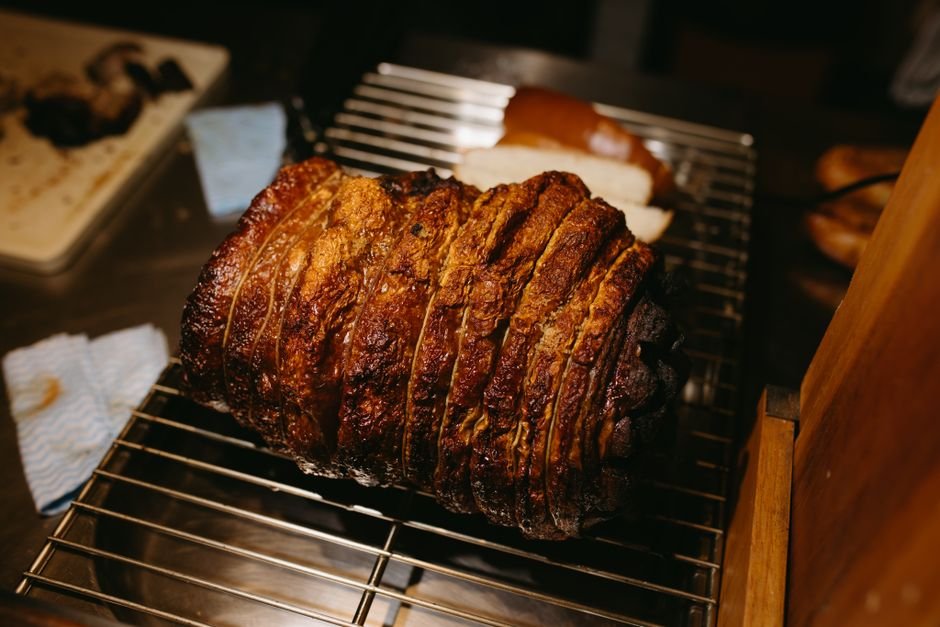
Is Roast Beef Good for Weight Loss?
Yes, roast beef can support weight loss when the right cut is chosen and portion sizes are controlled. Lean roast beef is protein-dense, keeping you fuller longer and preserving muscle mass during calorie restriction. Its zero carbohydrate content also makes it compatible with low-carb and ketogenic diets. However, fattier cuts can quickly add excess calories, so mindful selection and portion awareness are important.
Tips to Eat Roast Beef Without Gaining Weight:
- Choose lean cuts (eye of round, bottom round, sirloin tip) over fatty ones (rib, chuck, brisket)
- Trim visible fat before or immediately after cooking to reduce calories by 20–30%
- Stick to 3–4 ounce portions, and combine with non-starchy vegetables to increase satiety
- Avoid heavy sauces and gravies; use herbs, spices, or mustard for flavor instead
Pairing lean roast beef with roasted vegetables and a side salad creates a balanced, lower-calorie meal without sacrificing satisfaction or protein intake.
How Portion Size Affects Calories
Portion size is the primary driver of roast beef’s calorie impact. A small increase in serving size can quickly double your calorie intake, particularly with fattier cuts. Understanding visual and weight-based portion controls helps you stay on track with your nutrition goals.
Example:
- 3 oz (85g) of lean roast beef: 150 calories
- 6 oz (170g) of lean roast beef: 300 calories
A kitchen scale is your best tool for accurate portions; most people significantly underestimate or overestimate serving sizes by eye alone.
Best Way to Measure Roast Beef Accurately
Measuring roast beef accurately ensures you know your exact calorie and nutrient intake. Cooked roast beef shrinks during cooking, making visual estimation unreliable. Whether you’re slicing homemade roast or purchasing pre-cooked deli meat, weighing your portions removes guesswork and supports consistent tracking.
Options:
- Kitchen scale (most accurate): Weigh roast beef before eating; 1 oz = roughly the size of a matchbox, 3 oz ≈ a deck of cards
- Packaged deli roast beef: Check the nutrition label for serving size; most list per 2–3 oz slices
- Visual estimates: One 3 oz portion ≈ the size of a deck of cards or a woman’s palm; use this only when scales aren’t available
Calculate Your Exact Calorie Intake
If you eat roast beef regularly—whether as a sandwich filling, dinner entree, or meal-prep protein—tracking its calories alongside other foods helps you stay aligned with your overall dietary goals. But manual math is tedious and error-prone, especially when recipes or portion sizes vary.
Our free AI nutrients calculator takes the work out of tracking. Simply enter the type and weight of roast beef you’re eating, and it instantly calculates your calories, macronutrients, and key micronutrients. Whether you’re building muscle, losing weight, or managing a specific health condition, having accurate data is the foundation of informed eating decisions.
- Instantly calculate calories for any roast beef cut, portion size, or preparation method
- Track protein, fat, carbs, sodium, iron, and other nutrients in one place
- Adjust portions in real-time to meet your daily nutrition targets
Use the free calculator here to start tracking roast beef and other foods accurately.
Common Mistakes When Eating Roast Beef
Even well-intentioned roast beef eaters often make choices that add unnecessary calories or miss nutritional benefits. Here are the most common pitfalls:
❌ Choosing high-fat cuts (rib, chuck, brisket) without accounting for the 50–70 extra calories and 10–12g of additional fat per 3 oz serving compared to lean cuts
❌ Forgetting that deli roast beef often contains added sodium (200–400mg per serving) and occasional preservatives; always check the label
❌ Pairing roast beef with heavy, calorie-dense sides like gravy, butter, or creamy sauces, which can double the meal’s total calories
❌ Eyeballing portions instead of weighing them, leading to 50–100% underestimation of actual intake and calorie surplus over time
Being aware of these mistakes helps you enjoy roast beef confidently while maintaining control over your nutrition.
FAQ
How many calories are in 100g of roast beef?
A 100g serving of lean roast beef contains approximately 175–180 calories. For fattier cuts, expect 220–250 calories per 100g.
Is roast beef fattening?
Roast beef is not inherently fattening if lean cuts are chosen, portions are controlled, and it’s paired with whole foods. The protein content supports satiety and muscle maintenance. However, fatty cuts and oversized portions can contribute to weight gain.
Does cooking method affect roast beef calories?
Cooking method itself (roasting, slow-cooking, pressure cooking) doesn’t significantly change calories, but the fat rendered during cooking can be removed. Roasting on a rack allows fat to drip away, reducing the final calorie content compared to braising in liquid.
How does roast beef compare to other red meats in protein and calories?
Lean roast beef (150 cal, 27g protein per 3 oz) is comparable to lean ground beef and sirloin steak. It offers more protein per calorie than fattier beef cuts, but slightly less protein density than chicken breast (140 cal, 26g protein per 3 oz).
Conclusion
Roast beef is a nutrient-dense protein source that can absolutely fit into weight loss, muscle-building, and balanced nutrition plans. Lean cuts deliver exceptional protein with minimal calories—just 150 per 3-ounce serving—while also supplying iron, zinc, and vitamin B12 that many plant-based proteins lack. Its zero-carb profile makes it adaptable to virtually any diet structure. The key is choosing the right cut and measuring portions accurately to avoid excess calorie intake.
Whether you’re meal-prepping for the week or building a single dinner plate, roast beef deserves a place in your rotation. Take time to select lean cuts when possible, use a kitchen scale to stay consistent, and pair it with vegetables to round out your nutrition. For ongoing tracking and confidence in your choices, rely on a **trusted nutrients calculator** to keep you informed and accountable to your goals.
