
Sardines are a nutrient-dense fatty fish consumed worldwide, from Mediterranean coastal communities to Asian fishing cultures. They’re affordable, shelf-stable, and packed with omega-3 fatty acids, protein, and minerals—making them a staple for people focused on heart health, muscle building, and general nutrition.
But how many calories are actually in sardines? And how does preparation method affect their nutritional value? This guide breaks down the exact calorie content, full nutrition facts, and practical strategies for including sardines in your diet.
Calories in Sardines (Quick Answer)
A standard serving of sardines varies significantly by preparation:
- Canned in oil, drained: 191 calories per 3.75 oz (106g) can
- Canned in water, drained: 99 calories per 3.75 oz (106g) can
- Fresh, cooked: 178 calories per 3.5 oz (100g) serving
Exact calorie counts depend on the oil type (olive vs. soybean), salt content, and whether the fish is wild-caught or farmed. Always check the label for your specific brand.
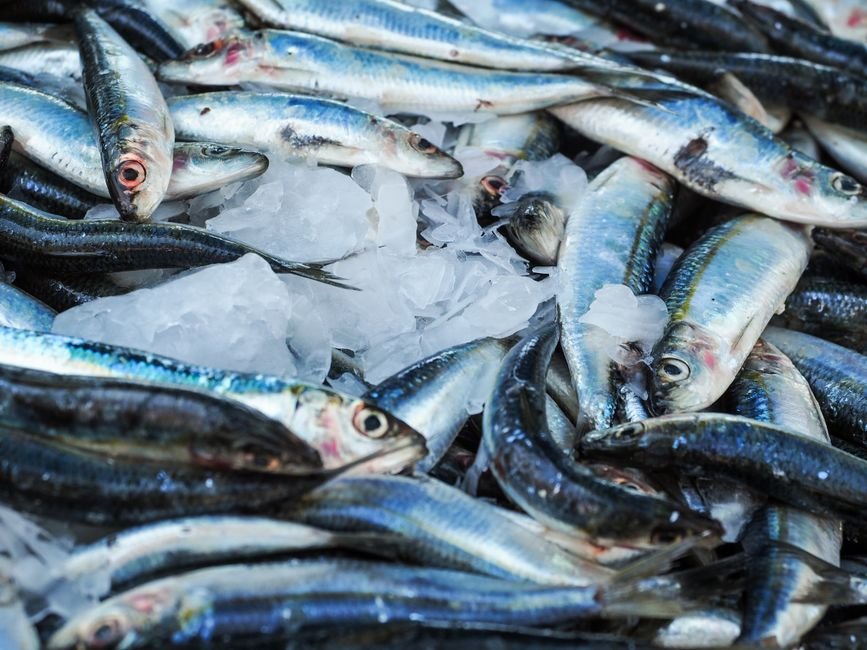
Full Nutrition Facts for 3.75 oz (106g) of Canned Sardines in Oil, Drained
Here’s the complete nutritional breakdown for a standard can of sardines packed in oil with solids and liquid drained:
| Nutrient | Amount | % Daily Value |
|---|---|---|
| Calories | 191 | — |
| Total Fat | 11 g | 14% |
| Saturated Fat | 2.7 g | 13% |
| Cholesterol | 107 mg | 36% |
| Sodium | 486 mg | 21% |
| Total Carbohydrate | 0 g | 0% |
| Dietary Fiber | 0 g | 0% |
| Total Sugars | 0 g | — |
| Protein | 23.6 g | 47% |
| Omega-3 Fatty Acids (EPA + DHA) | 1.5 g | — |
| Vitamin D | 193 IU | 48% |
| Calcium | 325 mg | 25% |
*Percent Daily Values are based on a 2,000-calorie diet. Source: USDA FoodData Central.
Key insight: A single can of sardines delivers nearly half your daily protein requirement, 1.5g of cardioprotective omega-3 fatty acids, and 25% of your calcium—all without any carbohydrates. This makes sardines an exceptional choice for muscle maintenance, cardiovascular health, and bone density, particularly for people following low-carb or keto diets.

Etekcity Food Scale
0.1g accuracy — the perfect companion for exact portions.
Canned Sardines in Oil vs. Fresh Sardines
Canned Sardines in Oil (Drained)
- Higher calorie density (191 cal per 3.75 oz) due to retained oil or added packing oil
- Extended shelf life; convenient for quick meals, salads, and snacks
- Bones fully softened and edible, providing significant bioavailable calcium
Fresh Sardines (Cooked)
- Slightly lower calories (178 cal per 3.5 oz) with more control over cooking fat
- Fresher flavor; allows for grilling, baking, or pan-frying with minimal added oil
- Bones require removal or careful preparation unless very small fish are used
Practical takeaway: Canned sardines are ideal if convenience and calcium intake are priorities; fresh sardines work better if you prefer lighter preparation and fresh flavor. Both deliver virtually identical omega-3 and protein content, so choose based on your cooking preference and availability.
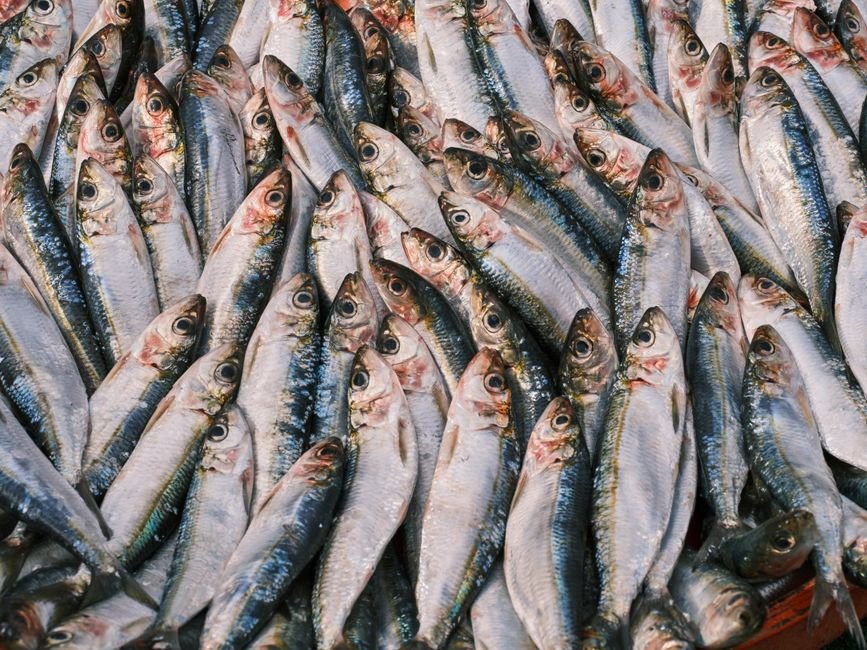
Is Sardines Good for Weight Loss?
Yes, sardines are excellent for weight loss. They’re calorie-efficient (191 calories per can in oil, 99 in water), extremely high in protein (23.6g per can), and contain zero carbohydrates. Protein increases satiety and boosts metabolism, meaning a single can keeps you full for hours without spiking blood sugar. The omega-3 content also supports healthy inflammation markers and may aid fat metabolism.
Tips to Eat Sardines Without Gaining Weight:
- Choose canned sardines in water rather than oil to save 90+ calories per serving
- Use sardines as a protein-rich topping for salads or vegetables instead of a standalone meal
- Pair with fiber-rich foods (whole grains, leafy greens, legumes) to enhance satiety
- Limit added oils and condiments; sardines already contain sufficient fat for flavor and nutrition
A typical weight-loss strategy using sardines is one can (in water) with a salad and olive oil dressing as lunch, providing roughly 200 calories and keeping hunger at bay until dinner.
How Portion Size Affects Calories
Portion size has a dramatic impact on calorie intake with sardines because the entire can is typically one serving, but half-can servings are common for smaller portions or lighter meals. Canned sardines in oil are denser in calories per ounce than fresh sardines, so switching formats also affects total intake.
Example:
- Half can (53g) of canned sardines in oil: ~95 calories, 11.8g protein
- Full can (106g) of canned sardines in oil: ~191 calories, 23.6g protein
Most people eat one full can per serving, but splitting between two meals or using sardines as a salad topping naturally reduces portion size and total calorie intake.
Best Way to Measure Sardines Accurately
Measuring sardines accurately means knowing the net weight of solids in your can and understanding whether you’re including the packing liquid and oil. Most labels clearly state the net weight (typically 3.75–4.5 oz for standard cans), but the nutritional figures assume the liquid is drained. If you include the oil, calories increase by roughly 5–15% depending on the brand and oil type.
Options:
- Use a kitchen scale to weigh the drained sardines in grams; compare to nutrition label data (usually listed per 106g or similar standard weight)
- Consume the full can as packaged (drain if using water-packed to reduce sodium) and use the per-can calorie figure directly from the label
- Count individual sardines in the can (typically 8–12 per can) and divide the total calories accordingly for partial servings
Calculate Your Exact Calorie Intake
If sardines are a regular part of your diet, knowing your total daily calorie and nutrient intake becomes important for reaching specific fitness or health goals. A single can provides substantial protein and omega-3s, but combining sardines with other foods requires accurate tracking.
Our free AI nutrients calculator helps you log sardines alongside other foods and instantly see your complete macronutrient and micronutrient breakdown. Simply enter your portion size, and the tool calculates calories, protein, fat, carbs, fiber, sodium, calcium, and more—making it easy to optimize your nutrition without guesswork.
- Instantly calculate total calories and macronutrients for any sardine serving size
- Track micronutrients like omega-3s, calcium, and vitamin D across your entire day
- Adjust portions in real time and see how it impacts your daily nutrition targets
Try the free nutrient calculator now.
Common Mistakes When Eating Sardines
Even though sardines are highly nutritious, common preparation and portion errors can undermine their benefits or add unwanted calories:
❌ Forgetting to drain canned sardines before weighing—including the oil can add 50+ calories and significantly increase saturated fat intake beyond your target.
❌ Assuming all canned sardines have identical nutrition—brands vary widely in sodium (300–600 mg per can), oil type (olive vs. soybean), and fish size, so always check the specific label.
❌ Pairing sardines with high-calorie condiments (mayo, heavy cheese, fried bread) that mask the fish’s natural flavor and spike calorie totals to 400+ per serving.
❌ Overlooking the sodium content—a single can contains 20% of daily sodium limits, so eating multiple cans daily or pairing with other salty foods can cause water retention.
To maximize sardines’ benefits, drain thoroughly, pair with vegetables or whole grains, use simple seasonings (lemon, hot sauce, herbs), and limit consumption to one can per day unless your sodium intake allows otherwise.
FAQ
How many calories are in 100g of sardines?
Fresh cooked sardines contain approximately 178 calories per 100g; canned sardines in oil contain roughly 181 calories per 100g (drained). Canned sardines in water contain about 93 calories per 100g (drained).
Is sardines fattening?
No, sardines are not fattening when eaten in reasonable portions. At 191 calories per can with zero carbs and 23.6g protein, sardines actually promote satiety and fat loss. The fat they contain is predominantly healthy unsaturated and omega-3 fatty acids, which support heart and brain health.
Are sardines safe to eat every day?
Yes, eating sardines daily is safe for most people. One can per day falls well within recommended fish intake (2–3 servings per week). However, monitor sodium intake—a daily can adds 486 mg sodium, which matters if you have hypertension or consume other salty foods.
Do canned sardines lose nutrients compared to fresh?
Canned sardines retain most vitamins and minerals because they’re processed immediately after catch. Omega-3 fatty acids are preserved; vitamin D and calcium are actually highly bioavailable in canned sardines due to the softened bones. Fresh sardines are comparable nutritionally but offer more cooking flexibility.
Conclusion
Sardines are a nutritional powerhouse: 191 calories, 23.6g protein, 1.5g omega-3 fatty acids, and 325mg calcium per standard can. They contain zero carbohydrates, support muscle maintenance and satiety, and promote heart and bone health. Whether canned in oil or water, fresh sardines deliver remarkable nutritional density at a low price point—making them one of the most efficient nutrient-per-calorie foods available.
For weight loss, cardiovascular health, or simply building a nutrient-dense diet, sardines deserve a regular place at your table. To fine-tune your intake and align sardines with your specific health goals, use a reliable nutrients calculator to track your daily macronutrients and micronutrients accurately.
