
Sour cream is a staple in kitchens across North America, Eastern Europe, and beyond. It’s a fermented dairy product used as a condiment, cooking ingredient, and baking component in everything from baked potatoes to borscht to sour cream cakes. Whether you’re managing calorie intake for weight loss, tracking macronutrients for muscle building, or monitoring saturated fat for heart health, understanding sour cream’s nutritional profile matters—especially because it’s easy to underestimate how much you’re using.
But just how many calories are hiding in that dollop of sour cream? The answer depends on portion size, fat content, and brand. This guide breaks down the exact numbers, nutrition facts, and practical strategies for including sour cream in a balanced diet.
Calories in Sour Cream (Quick Answer)
Sour cream is calorie-dense due to its high fat content, so even small servings add up quickly.
- 1 tablespoon (14g) of full-fat sour cream: 26 calories
- 1 cup (230g) of full-fat sour cream: 480 calories
- 1 tablespoon (14g) of light/reduced-fat sour cream: 18 calories
Calorie counts vary slightly by brand and whether the product is full-fat, light, or fat-free. Organic and cultured varieties may have minor differences in fat composition.
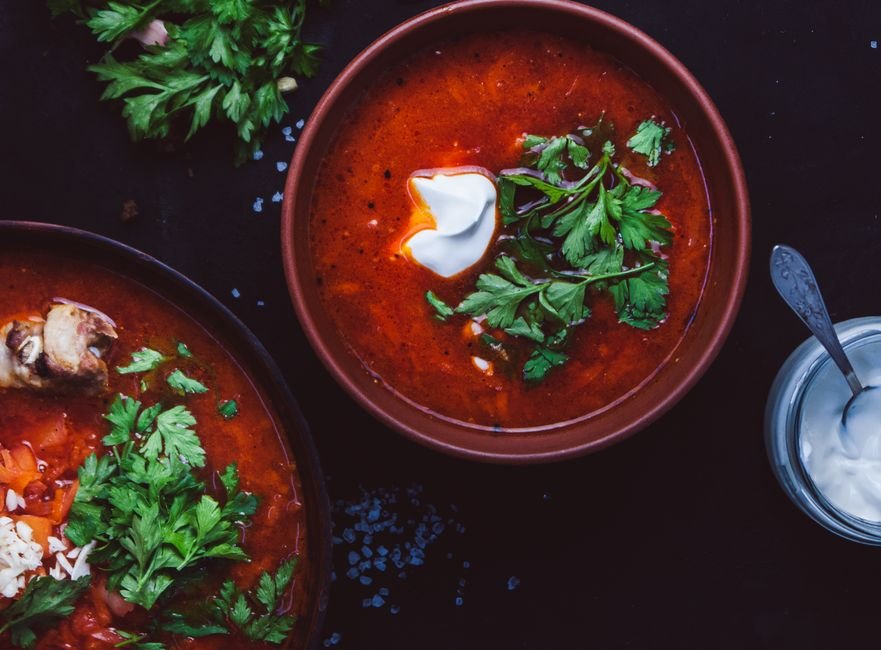
Full Nutrition Facts for 1 Tablespoon (14g) of Full-Fat Sour Cream
Here’s the complete nutritional breakdown for a standard tablespoon serving of regular full-fat sour cream, the most common variety found in grocery stores:
| Nutrient | Amount | % Daily Value |
|---|---|---|
| Calories | 26 | — |
| Total Fat | 2.8g | 4% |
| Saturated Fat | 1.8g | 9% |
| Cholesterol | 5mg | 2% |
| Sodium | 16mg | 1% |
| Total Carbohydrate | 0.4g | 0% |
| Dietary Fiber | 0g | 0% |
| Total Sugars | 0.4g | — |
| Protein | 0.4g | 1% |
| Calcium | 29mg | 2% |
| Vitamin A | 74 IU | 1% |
*Percent Daily Values are based on a 2,000-calorie diet. Source: USDA FoodData Central.
Key insight: Sour cream is nearly pure fat with minimal carbohydrates, which is why it’s calorie-dense but low in fiber and sugar. A single tablespoon contains almost 3g of fat but only trace amounts of protein and carbs—this makes it a poor standalone protein source and more of a flavor or texture enhancer. The saturated fat content is significant relative to portion size; three tablespoons exceeds 10% of the daily saturated fat limit for most people.
Etekcity Food Scale
0.1g accuracy — the perfect companion for exact portions.
Full-Fat Sour Cream vs. Light Reduced-Fat Sour Cream
Full-Fat Sour Cream (Regular)
- 26 calories per tablespoon with a rich, creamy texture and authentic sour flavor
- Contains 2.8g of fat per tablespoon, delivering the full dairy fat flavor compounds
- Better for baking and sauces where fat is needed for structure and mouthfeel
Light Reduced-Fat Sour Cream
- 18 calories per tablespoon, a 30% reduction in calories from full-fat versions
- Contains 1.5–1.8g of fat per tablespoon with a thinner consistency
- Better for topping dishes where volume matters more than richness, such as baked potatoes or chili
Practical takeaway: If you’re eating sour cream in larger quantities—like a generous topping on a baked potato—light versions save meaningful calories without much compromise in taste. However, for baking or cooking, full-fat delivers better results because the fat is crucial for texture. For a single tablespoon as a condiment, the calorie difference is small (8 calories), so choose based on purpose rather than calorie savings alone.
Is Sour Cream Good for Weight Loss?
Sour cream can fit into a weight-loss diet if portions are controlled. Because it’s calorie-dense, even generous toppings add up quickly—a quarter cup (4 tablespoons) of full-fat sour cream contains 104 calories, which is roughly equivalent to a medium apple or slice of bread. The advantage is that sour cream provides fat and minimal carbs, which can help with satiety if you’re following a low-carb or keto approach. The disadvantage is that it’s easy to use too much without noticing, especially when scooping from a container rather than measuring.
Tips to Eat Sour Cream Without Gaining Weight:
- Measure portions: Use a tablespoon or small spoon instead of eyeballing. This prevents unintentional excess.
- Swap in light versions strategically: Use reduced-fat sour cream for toppings and save full-fat for cooking where it makes a difference.
- Pair with protein and fiber: Add sour cream to a potato with skin, vegetable-based dish, or protein source so it doesn’t spike blood sugar alone.
- Pre-portion into small containers: Buy larger containers but transfer small amounts to deli cups so you’re aware of how much you’re using.
Sour cream’s high fat content does promote fullness, so when used in moderation as a condiment or cooking ingredient—not as a bulk food—it can be part of a successful weight-loss strategy.
How Portion Size Affects Calories
Sour cream’s calorie density means portion size has a dramatic effect on total intake. A tablespoon is easy to underestimate, especially when spooning directly from a container onto food. A quarter cup (4 tablespoons) is more typical for a full topping, and a cup (which some recipes or bulk uses might involve) represents an enormous calorie load. Understanding the jump between serving sizes helps you make conscious choices.
Example:
- Small portion (1 tablespoon): 26 calories—appropriate for a single-serving garnish or added to a sauce
- Large portion (½ cup / 8 tablespoons): 208 calories—equivalent to an entire snack-sized meal and easy to consume without thinking
Even switching from a tablespoon to a quarter cup nearly quadruples your calorie intake, so conscious measurement matters.
Best Way to Measure Sour Cream Accurately
Because sour cream is thick and sticky, accurate measuring prevents both waste and accidental overconsumption. Unlike liquids, you can’t just pour it—you need tools that account for its texture. The most reliable methods involve small vessels or scales that respect the product’s density.
Options:
- Kitchen scale (most accurate): Weigh 14g for a tablespoon or 230g for a cup. This removes all guesswork and is ideal if you’re tracking precise nutrition.
- Measuring spoons: Use a metal tablespoon or 15ml spoon, leveling the top with a knife. Less precise than a scale but reliable for consistent portions.
- Pre-portioned cups or squeeze bottles: Some brands sell sour cream in small individual containers or squeezable bottles marked with serving sizes, removing the need to measure at all.
Calculate Your Exact Calorie Intake
If you use sour cream multiple times a week or regularly cook with it, the calories accumulate fast. A person who adds 2 tablespoons to their dinner four times a week is consuming about 208 extra calories weekly from sour cream alone—enough to affect weight loss progress if not accounted for.
Want precision? Use a free nutrient calculator that factors in sour cream’s exact serving size, fat profile, and how it interacts with your other foods. Our site offers a free AI-powered nutrients calculator that helps you log sour cream and hundreds of other foods, showing you exactly how they fit into your daily calorie and macro targets.
- Track multiple servings and see cumulative calorie impact across the week
- Compare full-fat vs. light versions instantly to optimize your diet
- Integrate sour cream into recipe calculations to understand your total meal calories
Common Mistakes When Eating Sour Cream
People often mishandle sour cream, either underestimating portions or using it in ways that sabotage their nutrition goals. Here are the most common pitfalls:
❌ Eyeballing portions instead of measuring, leading to 2–3 tablespoons instead of the intended 1, doubling or tripling calorie intake without realizing it.
❌ Adding sour cream to already-calorie-dense foods like baked potatoes with butter and cheese, creating a single dish exceeding 400–500 calories.
❌ Assuming “light” or “low-fat” versions are calorie-free or negligible, then using them in large quantities because they feel “healthier.”
❌ Using sour cream as a primary ingredient in dips or dressings without accounting for the full recipe’s calorie density, making a “condiment” into a major calorie source.
Intentional measuring and pairing sour cream with whole foods rather than processed ones prevents most of these mistakes.
FAQ
How many calories are in 100g of sour cream?
A 100g serving of full-fat sour cream contains approximately 186 calories. This is useful to know if you’re weighing sour cream for recipes or measuring in metric units.
Is sour cream fattening?
Sour cream itself doesn’t cause weight gain if portions are controlled, but its calorie density makes overconsumption easy. Two tablespoons contain 52 calories—small but significant if used daily without measurement.
Can you freeze sour cream, and does freezing change the calories?
Sour cream can be frozen but often becomes grainy or watery when thawed, making it better for cooking than eating fresh. Freezing does not change the calorie or nutrient content, only texture.
Does sour cream have any carbs or sugar?
A tablespoon of sour cream contains only 0.4g carbs and 0.4g sugars, making it keto-friendly and suitable for low-carb diets. The minimal carbohydrate content is due to fermentation, which consumes most of the milk’s lactose.
Conclusion
Sour cream is a nutrient-dense condiment that’s mostly fat with trace carbohydrates, protein, and sugar. Its calorie density—26 calories per tablespoon—means that generous or unmeasured portions can undermine weight-loss efforts, but small, intentional servings fit easily into balanced diets. The choice between full-fat and light versions depends on your use case: baking and sauces benefit from full-fat, while toppings work fine with reduced-fat varieties.
The key to using sour cream successfully is intentional measurement and pairing with whole foods. Rather than guessing portions or avoiding sour cream entirely, measure it, track it, and use a reliable nutrient calculator to understand how it fits your daily targets. This way, you can enjoy sour cream’s rich flavor and creamy texture without surprise calorie creep.
