
Soy milk has become a staple plant-based alternative to dairy milk, consumed by millions globally for reasons ranging from lactose intolerance to vegan or vegetarian lifestyles. It’s particularly popular in East Asian cuisines and among fitness enthusiasts seeking a high-protein, low-fat alternative to cow’s milk. Whether you’re tracking calories for weight loss, building muscle, or managing dietary restrictions, understanding the nutritional profile of soy milk is essential.
The central question many people ask is: “How many calories are in soy milk?” The answer depends on preparation, brand, and whether it’s sweetened or unsweetened. This article breaks down the complete nutrition facts, compares key varieties, and provides practical guidance for incorporating soy milk into your daily diet.
Calories in Soy Milk (Quick Answer)
Soy milk calorie content varies slightly by brand and preparation, but here are the most common serving sizes:
- 1 cup (240 mL) of unsweetened soy milk: 80–90 calories
- 1 cup (240 mL) of sweetened soy milk: 100–110 calories
- 1 cup (240 mL) of chocolate soy milk: 140–160 calories
Values vary by brand, added thickeners, fortification level, and whether the milk is organic or conventional. Always check the nutrition label for your specific product.
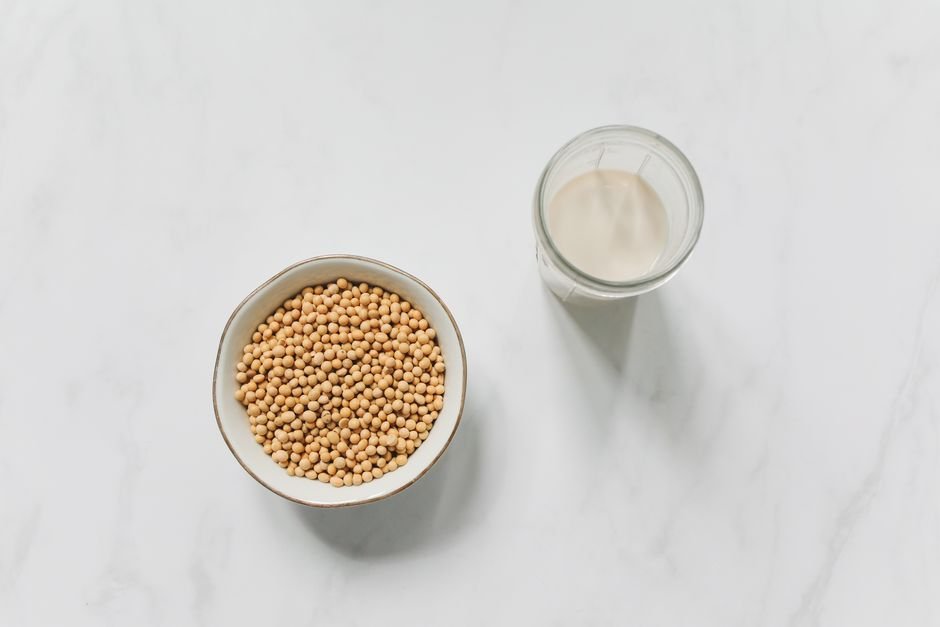
Full Nutrition Facts for 1 Cup (240 mL) of Plain Unsweetened Soy Milk
This table shows the complete nutritional breakdown for a standard cup of unsweetened soy milk, which is the most commonly used variety for tracking macronutrients:
| Nutrient | Amount | % Daily Value |
|---|---|---|
| Calories | 80 | 4% |
| Total Fat | 4 g | 5% |
| Saturated Fat | 0.5 g | 3% |
| Cholesterol | 0 mg | 0% |
| Sodium | 90 mg | 4% |
| Total Carbohydrate | 1 g | <1% |
| Dietary Fiber | 0 g | 0% |
| Total Sugars | 0 g | 0% |
| Protein | 7 g | 14% |
| Calcium (fortified) | 300 mg | 23% |
| Iron | 1.4 mg | 8% |
| Vitamin D (fortified) | 2.4 mcg | 12% |
*Percent Daily Values are based on a 2,000-calorie diet. Source: USDA FoodData Central.
Key insight: Unsweetened soy milk is one of the few plant-based beverages that rivals dairy milk in protein content, delivering 7g per cup—comparable to cow’s milk—while containing zero cholesterol and minimal saturated fat. Most commercial soy milk is fortified with calcium and vitamin D, making it nutritionally equivalent to or better than dairy milk for certain populations, particularly those following a vegan diet or managing heart health.
Etekcity Food Scale
0.1g accuracy — the perfect companion for exact portions.
Unsweetened vs. Sweetened Soy Milk: What’s the Difference?
Unsweetened Soy Milk
- 80–90 calories per cup with 0g added sugars
- Lower glycemic impact and better for blood sugar management
- Neutral, slightly beany flavor requiring adjustment for some palates
Sweetened Soy Milk
- 100–110 calories per cup with 6–9g added sugars
- Smoother, more palatable taste that appeals to most consumers
- Higher glycemic index and more suitable for occasional consumption rather than daily drinking
Practical takeaway: If you’re watching sugar intake or managing weight, unsweetened soy milk is the clear winner—it saves 20–30 calories per cup and eliminates added sugars entirely. However, unsweetened versions often require flavoring (vanilla extract, cocoa powder, fruit) to taste good in smoothies or with cereal. Sweetened varieties are fine if consumed occasionally, but switching to unsweetened can reduce liquid sugar consumption by up to 50g per week with just one daily cup.
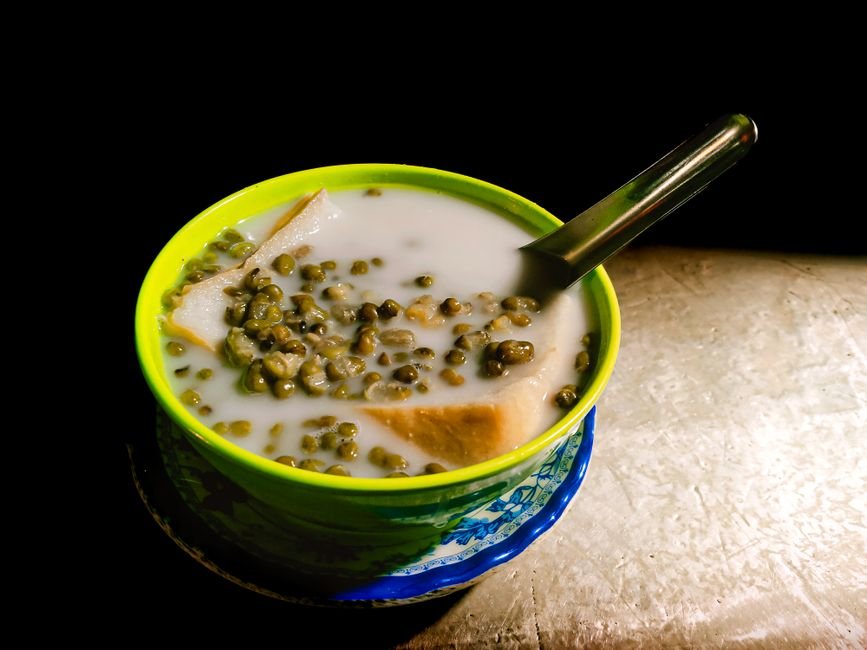
Is Soy Milk Good for Weight Loss?
Soy milk can be an excellent choice for weight loss when you select the unsweetened variety. At 80–90 calories per cup, it’s lower in calories than whole dairy milk (150 calories) and coconut milk (45–140 calories depending on fat content), while providing substantial protein for satiety. The 7g of protein per serving helps preserve muscle during calorie restriction and reduces hunger hormones, making it easier to maintain a calorie deficit. The zero cholesterol and low saturated fat content are additional benefits for cardiovascular health during weight loss.
Tips to Eat Soy Milk Without Gaining Weight:
- Choose unsweetened varieties exclusively and skip flavored options, which add 40–80 calories and 6–15g of sugar per cup
- Measure portions: use a 1-cup serving in coffee or cereal rather than drinking directly from the container to avoid overconsumption
- Pair soy milk with high-fiber foods like oats, chia seeds, or berries to enhance fullness and prevent blood sugar spikes
- Avoid blended drinks and coffee shop preparations, which often add syrups, whipped cream, and extra sugar—stick to plain soy milk mixed at home
When consumed mindfully, soy milk supports rather than hinders weight loss goals. The key is consistency: one cup of unsweetened soy milk daily saves roughly 70 calories compared to dairy milk and provides the same nutritional benefits.
How Portion Size Affects Calories
Soy milk is a liquid, so portion size directly scales calories. Unlike solid foods where density varies, each milliliter of soy milk contains roughly the same caloric density. A 100 mL splash in coffee is less than half the calories of a full cup, while a 500 mL bottle (common in some markets) exceeds two cups. Understanding these relationships helps prevent unintended overeating, especially when soy milk is a daily staple.
Example:
- Small portion (100 mL in coffee): approximately 33 calories
- Large portion (500 mL bottle): approximately 167 calories
A full 240 mL cup sits directly in the middle at roughly 80 calories, making it the easiest reference point for tracking.
Best Way to Measure Soy Milk Accurately
Measuring soy milk accurately is straightforward since it’s a liquid, but carefulness prevents calorie counting errors. Most people eyeball their serving, which often underestimates portion size—a coffee mug holds 10–15 mL more than an 8-ounce cup. Using a kitchen scale (in grams) or a calibrated measuring cup ensures precision. For daily tracking, investing 30 seconds in proper measurement compounds to significant accuracy over weeks and months of consistent consumption.
Options:
- Digital kitchen scale: Pour soy milk onto a tared scale; 240g equals 1 cup. Most accurate method, good for tracking macros precisely.
- Measuring cup (8 oz / 240 mL): Fill to the line; easiest for routine serving. Standard kitchen staple that requires no batteries.
- Fluid ounce markings on coffee cups or protein shakers: Pre-marked containers allow quick reference without additional tools, though precision varies by container quality.
Calculate Your Exact Calorie Intake
If soy milk is a regular part of your diet, you’re already thinking about calories—but how much does it contribute to your daily total? Whether you drink one cup daily, add it to smoothies, or use it in cooking, accounting for this beverage’s calories is crucial for accurate tracking.
Rather than manually calculating calories from labels, you can use a free AI nutrients calculator to log soy milk alongside your entire diet and receive personalized macro breakdowns. Our site offers a free nutrients calculator that instantly calculates how soy milk fits into your daily calorie and macro targets.
- Instantly track soy milk calories across any brand or variety you consume
- Compare nutritional values side-by-side with dairy milk, almond milk, and oat milk
- Build meal plans that hit your exact protein and calorie targets with soy milk included
Common Mistakes When Eating Soy Milk
Even health-conscious consumers make predictable errors with soy milk that undermine their nutrition goals. Here are the most common pitfalls:
❌ Choosing sweetened varieties without reading labels and unknowingly consuming 30–50g of sugar weekly from soy milk alone
❌ Freepour servings into coffee or cereal without measuring, leading to 50–100 additional calories daily that go untracked
❌ Assuming all soy milk is identical nutritionally—some brands add oils or thickeners that increase saturated fat from 0.5g to 2–3g per cup
❌ Forgetting to account for soy milk in smoothie recipes and underestimating total drink calories by 80–160 calories per serving
Awareness of these mistakes makes it easy to sidestep them with simple habits like label-checking, measuring, and logging every serving.
FAQ
How many calories are in 100g of soy milk?
Soy milk has a density of roughly 1 g/mL, so 100g equals approximately 100 mL. This contains about 33 calories (80 calories ÷ 240 mL × 100 mL). For precise conversions, always check your specific brand’s nutrition label.
Is soy milk fattening?
Unsweetened soy milk is not fattening—it’s low in calories, high in protein, and has negligible saturated fat. Sweetened varieties and flavored options (chocolate, vanilla) are higher in calories and sugar, making them more likely to contribute to weight gain if consumed in excess or paired with calorie-dense foods. The base product is weight-loss friendly; brand and variety choice determines the outcome.
Does soy milk contain estrogen or affect hormones?
Soy milk contains phytoestrogens (plant compounds that weakly mimic estrogen), but extensive research shows it does not disrupt human hormone levels or cause feminization in men. Consumption is safe for all populations. If you have existing hormone-sensitive health conditions, consult a healthcare provider, but soy milk itself is not a concern for most people.
Can you heat or cook with soy milk?
Yes, unsweetened soy milk works well for cooking, sauces, and baking. High heat (boiling or prolonged cooking above 200°F / 93°C) can cause slight curdling or separation, so lower temperatures are preferable for creamy applications. Sweetened varieties are best avoided in savory dishes. Soy milk’s calories remain unchanged during heating, so tracking amounts remains identical.
Conclusion
Soy milk is a nutrient-dense, plant-based beverage that delivers 7g of protein, zero cholesterol, and only 80–90 calories per cup when unsweetened. It rivals dairy milk nutritionally and surpasses many competing plant-based milks in protein content. The fortification with calcium and vitamin D makes it a legitimate replacement for dairy consumers, whether you’re vegan, lactose-intolerant, or simply exploring alternatives. Understanding the differences between sweetened and unsweetened varieties is crucial: unsweetened is the clear winner for weight loss and stable blood sugar, while sweetened versions are occasional treats rather than daily staples.
For consistent nutrition tracking, measure your soy milk portions carefully, choose unsweetened options, and log each serving in your daily calorie count. Using a reliable nutrients calculator streamlines the process and ensures you’re hitting your macronutrient targets while incorporating soy milk into a balanced diet. Whether your goal is weight loss, muscle building, or simply maintaining health, soy milk is a practical, affordable, and evidence-based choice.
