
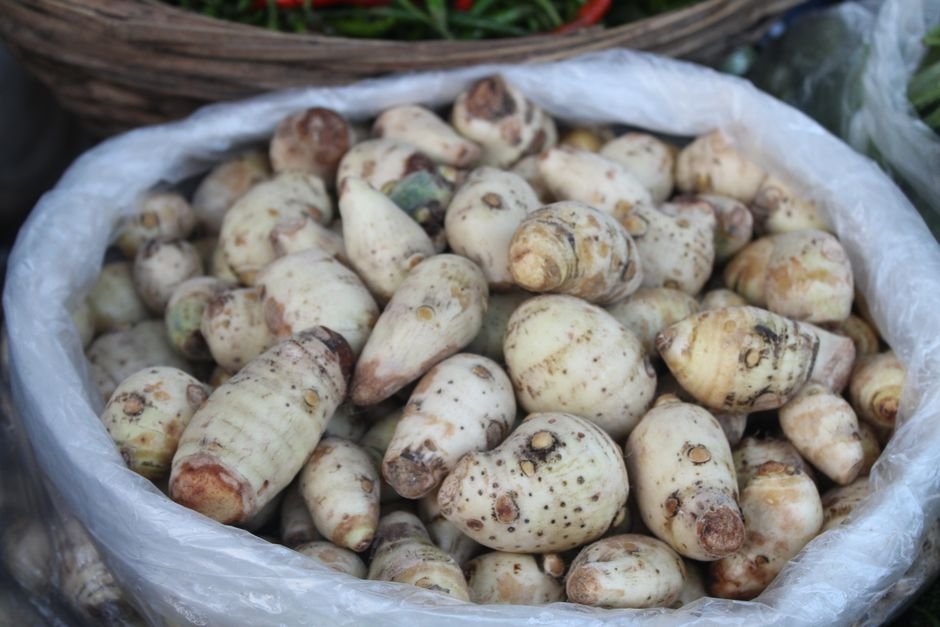
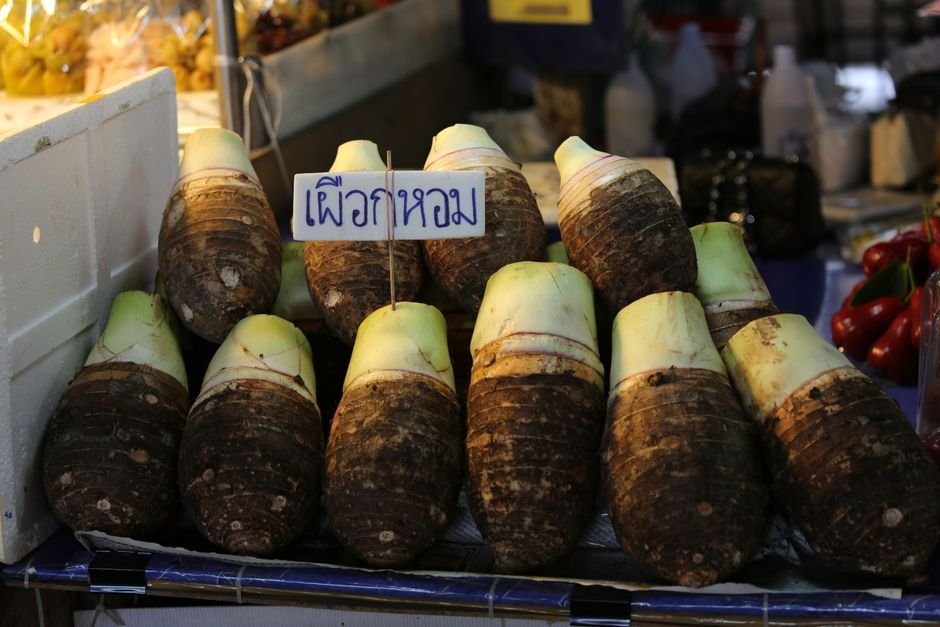
Taro is a starchy root vegetable widely consumed across tropical and subtropical regions, particularly in Africa, Asia, and the Pacific Islands. It’s a staple in many traditional cuisines and has become increasingly popular in Western markets as consumers explore nutrient-dense alternatives to potatoes and other starches. Whether eaten boiled, roasted, fried, or ground into flour, taro offers unique nutritional benefits and a slightly nutty, vanilla-like flavor that appeals to diverse palates.
If you’re considering adding taro to your diet—whether for weight management, blood sugar control, or simply culinary variety—understanding its calorie content and full nutritional profile is essential. This guide answers the core question: how many calories are in taro, and how does it fit into your daily nutrition plan?
Calories in Taro (Quick Answer)
A standard 100g serving of raw taro root contains approximately 112 calories. Here are common serving sizes and their calorie counts:
- 100g raw taro root: 112 calories
- 1 cup (132g) cooked taro root: 187 calories
- 1 medium taro root (approximately 300g): 336 calories
Calorie values can vary slightly depending on the taro variety, soil conditions, ripeness, and cooking method. Boiling or steaming preserves calories similarly, while frying will add additional fat and calories.
Full Nutrition Facts for 100g of Cooked Taro Root
Here is the complete nutritional breakdown of a 100g serving of cooked taro root, which is the most common way taro is consumed:
| Nutrient | Amount | % Daily Value |
|---|---|---|
| Calories | 142 | — |
| Total Fat | 0.2g | <1% |
| Saturated Fat | 0.1g | <1% |
| Cholesterol | 0mg | 0% |
| Sodium | 55mg | 2% |
| Total Carbohydrate | 34.6g | 12% |
| Dietary Fiber | 5.1g | 18% |
| Total Sugars | 0.5g | — |
| Protein | 1.5g | 3% |
| Vitamin C | 4.6mg | 8% |
| Potassium | 591mg | 17% |
| Manganese | 0.3mg | 16% |
*Percent Daily Values are based on a 2,000-calorie diet. Source: USDA FoodData Central.
Key insight: Taro is remarkably low in fat and contains zero cholesterol, making it an excellent choice for heart-conscious diets. Its high fiber content—nearly 20% of your daily value—supports digestive health and sustained energy, while the potassium (591mg per 100g) exceeds what you’d find in a comparable serving of potato, supporting blood pressure regulation and cardiovascular function.

Etekcity Food Scale
0.1g accuracy — the perfect companion for exact portions.
Raw Taro vs. Cooked Taro: Nutritional Differences
Raw Taro Root
- Slightly lower in calories (112 per 100g) due to higher water content
- Contains more resistant starch, which may support gut health and reduce blood sugar spikes
- Harder to digest and rarely eaten raw in traditional cuisines; cooking improves bioavailability of nutrients
Cooked Taro Root
- Higher calorie density (142 per 100g) as water is released during cooking
- More bioavailable nutrients; cooking breaks down cell walls, making minerals and carbohydrates more accessible
- Softer texture and milder flavor; easier to digest, making it suitable for all ages and digestive sensitivities
Practical takeaway: If you’re managing blood sugar or seeking resistant starch benefits, lightly steam or boil taro and eat it while still slightly firm. If digestibility is your priority, cook it thoroughly until tender. Either way, taro’s nutrient density remains impressive—cooking simply changes how your body accesses those nutrients.
Is Taro Good for Weight Loss?
Taro can fit into a weight-loss diet, though it’s calorie-dense for a vegetable due to its high starch content. At 142 calories per 100g cooked, it’s more calorie-rich than carrots (41 cal/100g) or broccoli (34 cal/100g), but less energy-dense than potato (77 cal/100g). The key advantage is taro’s high fiber and low fat profile, which promotes satiety and helps prevent overeating. Combined with adequate protein and non-starchy vegetables, moderate portions of taro can support gradual, sustainable weight loss.
Tips to Eat Taro Without Gaining Weight
- Measure portions carefully: A 100-150g serving of cooked taro (equivalent to a small fist-sized piece) is reasonable for one meal; avoid eating whole roots at once.
- Pair with protein: Combine taro with beans, lentils, tofu, or lean meat to increase satiety and slow digestion, reducing blood sugar spikes.
- Cook without added fat: Boil, steam, or bake taro instead of frying. If you must fry, use minimal oil and account for those extra calories.
- Replace, don’t add: Swap taro for other starches (rice, potato) rather than eating it in addition to your usual carbs to maintain calorie balance.
When handled thoughtfully, taro’s nutrient density and filling fiber make it a smart carb choice for weight management. The goal is portion awareness, not avoidance.
How Portion Size Affects Calories
Taro’s calorie count scales linearly with portion size, making it straightforward to estimate intake. A small serving (75g) contains roughly 107 calories, while a large serving (200g) supplies about 284 calories. Understanding your typical portion helps you stay within daily calorie targets without guesswork or surprise calorie creep.
Example:
- Small portion (75g cooked taro): 107 calories, 26g carbs, 3.8g fiber
- Large portion (200g cooked taro): 284 calories, 69g carbs, 10.2g fiber
Even a single extra serving at one meal can add 180+ calories to your day, so measuring with a kitchen scale or using consistent visual benchmarks (like a deck of cards for size reference) helps maintain consistency.
Best Way to Measure Taro Accurately
The most reliable way to track taro intake is by weight using a digital kitchen scale. This eliminates guesswork and allows precise calorie and nutrient tracking, especially valuable if you’re managing diabetes, weight loss, or athletic performance. Visual estimation and cup measures are less accurate because taro density varies widely based on variety, ripeness, and how tightly it’s packed.
Options:
- Digital kitchen scale: Weigh cooked taro in grams; this is the gold standard for accuracy and takes 10 seconds.
- Cup measurement: One cup of cooked taro chunks equals roughly 132g and 187 calories; use consistent cutting size for repeatability.
- Visual reference: A medium baked taro (about the size of a tennis ball) is roughly 100-120g; this method is least precise but works for rough estimates.
Calculate Your Exact Calorie Intake
If you eat taro regularly, knowing your total daily calorie and nutrient intake is the fastest way to achieve your nutrition goals. Tracking individual foods is helpful, but the complete picture—calories, fiber, carbs, and sodium across all meals—drives real results.
Our site offers a free AI-powered nutrients calculator that instantly analyzes any meal or day’s eating. Simply log your taro portion and other foods, and get a complete nutritional breakdown with personalized recommendations. No signup required to get started at https://nutrientscalculator.com/.
- See total daily intake instantly: Know exactly how much fiber, potassium, and carbs you’re eating alongside taro.
- Compare portions: Test how different serving sizes affect your totals without manual math.
- Track progress: Log multiple days to identify patterns and optimize your diet for your specific goals.
Common Mistakes When Eating Taro
Even nutritious foods can derail your goals if eaten carelessly. Here are the four biggest mistakes people make with taro:
❌ Eating taro with high-calorie sauces and oils without accounting for them. A 100g serving of taro might be 142 calories, but taro chips fried in coconut oil or taro root drizzled in butter-garlic sauce can exceed 300 calories for the same weight.
❌ Confusing “healthy carb” with “low-calorie.” Taro is nutrient-dense but still starch-heavy; eating oversized portions expecting it to aid weight loss often backfires if total calories remain too high.
❌ Forgetting to cook taro thoroughly, leading to poor digestion and reduced nutrient absorption. Raw or undercooked taro contains calcium oxalate crystals that irritate the mouth and digestive tract.
❌ Pairing taro exclusively with carbs (white rice, bread) instead of adding protein and non-starchy vegetables, which leads to rapid blood sugar spikes and subsequent energy crashes.
Awareness of these pitfalls makes it easy to enjoy taro as a regular, health-supporting part of your diet.
FAQ
How many calories are in 100g of taro?
Raw taro contains 112 calories per 100g, while cooked taro contains approximately 142 calories per 100g due to water loss during cooking.
Is taro fattening?
Taro itself is not fattening—it contains virtually no fat (0.2g per 100g cooked). However, its high starch and calorie density mean that large portions or preparation methods involving added fats (frying, creamy sauces) can contribute to weight gain if total calories exceed your needs.
Is taro safe for people with diabetes?
Taro can be included in a diabetic diet in controlled portions. Its high fiber content (5.1g per 100g) slows carbohydrate absorption and reduces blood sugar spikes compared to refined starches. However, it is still a high-carb food and should be paired with protein and fat to minimize glycemic impact; consult your healthcare provider about portion sizes suited to your medication and individual response.
Does cooking taro change its nutritional value?
Cooking taro increases its calorie density slightly (due to water loss) but improves digestibility and nutrient bioavailability significantly. Boiling or steaming preserves most vitamins and minerals; frying or deep-frying adds substantial calories from oil, while slow-cooking in soups or stews enhances nutrient extraction into the broth.
Conclusion
Taro is a nutrient-dense, low-fat root vegetable that deserves a place in balanced diets. With 142 calories per 100g cooked, nearly 20% of your daily fiber, zero cholesterol, and robust potassium content, it offers significant nutritional advantages over refined starches and many other carbohydrate sources. Its subtle flavor and versatility make it easy to incorporate into familiar meals, from curries to soups to roasted vegetable sides.
The key to including taro in your diet is portion awareness and intentional pairing with protein and non-starchy vegetables. Whether your goal is weight loss, better blood sugar control, or simply eating a wider variety of whole foods, taro can support you—provided you measure accurately and track your total intake. Use a reliable nutrients calculator to monitor your complete daily nutrition, and taro becomes a straightforward, satisfying part of your eating plan.
