
Tortilla chips are one of the most popular snacks worldwide, enjoyed at parties, restaurants, and casual meals. They’re a staple in Mexican cuisine and have become ubiquitous in American snacking culture, with consumers purchasing billions of bags annually. Whether you’re managing your weight, tracking macros for fitness, or simply curious about what you’re eating, understanding the calorie and nutritional content of tortilla chips is important.
The core question is straightforward: How many calories are in tortilla chips? The answer depends on portion size, cooking method (fried vs. baked), and brand, but a standard serving typically contains 140–150 calories. This guide breaks down the exact nutrition facts, serving sizes, and practical strategies for enjoying tortilla chips without derailing your health goals.
Calories in Tortilla Chips (Quick Answer)
A standard 1-ounce (28g) serving of tortilla chips contains approximately 140–150 calories, though this varies by brand and preparation method.
- Fried tortilla chips (1 oz / 28g): 150 calories
- Baked tortilla chips (1 oz / 28g): 130 calories
- Restaurant-style tortilla chips (1 oz / 28g): 160 calories
Calorie content varies significantly based on oil content, salt level, and whether chips are seasoned with additional flavorings. Always check the nutrition label for your specific brand.
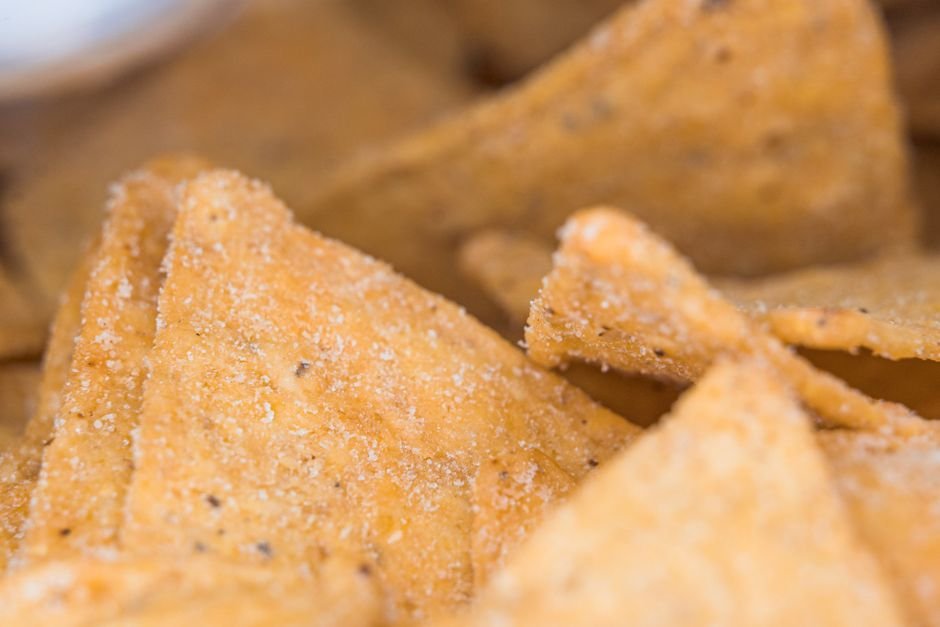
Full Nutrition Facts for 1 Ounce (28g) of Fried Tortilla Chips
A standard serving of store-bought fried tortilla chips provides a snapshot of macronutrients and micronutrients. Here’s the complete breakdown:
| Nutrient | Amount | % Daily Value |
|---|---|---|
| Calories | 150 | — |
| Total Fat | 8g | 10% |
| Saturated Fat | 1.5g | 8% |
| Cholesterol | 0mg | 0% |
| Sodium | 180mg | 8% |
| Total Carbohydrate | 18g | 6% |
| Dietary Fiber | 1.5g | 5% |
| Total Sugars | 0g | 0% |
| Protein | 2g | 4% |
| Iron | 0.4mg | 2% |
| Magnesium | 15mg | 4% |
| Potassium | 45mg | 1% |
*Percent Daily Values are based on a 2,000-calorie diet. Source: USDA FoodData Central.
Key insight: Tortilla chips are high in fat and calories relative to their nutritional density, with most calories coming from carbohydrates and fat rather than protein. A single ounce provides about 8g of fat, which comes primarily from the frying oil, and offers minimal dietary fiber or micronutrient content. This makes portion control the most important factor when including tortilla chips in a balanced diet.
Etekcity Food Scale
0.1g accuracy — the perfect companion for exact portions.
Fried vs. Baked Tortilla Chips: Which Is Better?
Fried Tortilla Chips
- Higher calorie density: 150 calories per ounce due to oil absorption during frying
- More fat content: 8g total fat per ounce, primarily from vegetable oil
- Superior taste and crunch: Delivers a more satisfying texture and richer flavor that appeals to most consumers
Baked Tortilla Chips
- Lower calories: 130 calories per ounce, about 13% fewer calories than fried varieties
- Reduced fat: 5–6g total fat per ounce, making them a lighter option
- Less crispy texture: Often softer and chewier than fried chips, which some consumers find less satisfying
The takeaway: Baked tortilla chips offer a modest calorie and fat reduction compared to fried versions, but the difference is only about 20 calories per ounce. If you enjoy eating them and feel more satisfied with the taste of fried chips, the slightly higher calorie cost may be worthwhile. What matters most is total portion size and frequency of consumption, not the cooking method alone.
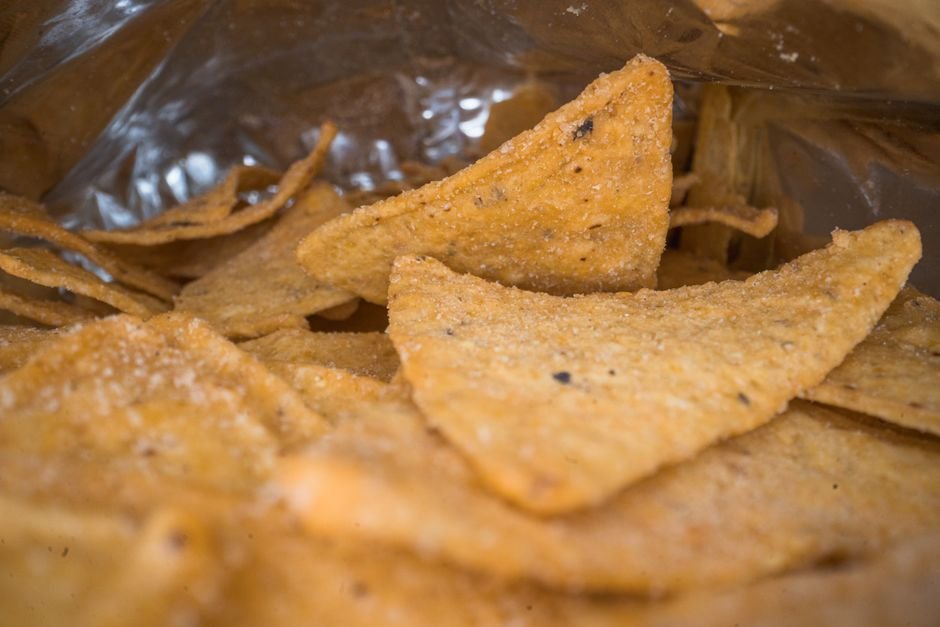
Is Tortilla Chips Good for Weight Loss?
Tortilla chips are not an ideal weight-loss food because they are energy-dense (calorie-rich relative to volume), low in protein and fiber, and easy to overeat. A single ounce—a realistic serving for snacking—is small enough to consume in seconds, making it easy to exceed your intended intake. However, they can fit into a weight-loss diet if you practice strict portion control and account for the calories in your daily total.
Tips to Eat Tortilla Chips Without Gaining Weight:
- Pre-portion into small bowls: Buy individual snack packs or measure 1 ounce into a bowl before eating, rather than eating directly from the bag
- Pair with protein and healthy fat: Serve chips with guacamole, hummus, or bean dip to add fiber and satiety without dramatically increasing calories
- Limit frequency: Reserve tortilla chips for occasional treats (1–2 times per week) rather than daily snacking to control total calorie intake
- Choose baked varieties when possible: Opt for baked chips to save 15–20 calories per ounce without sacrificing too much satisfaction
The key to including tortilla chips in a weight-loss plan is consistency: measure portions, track calories, and be honest about how much you’re consuming. Many people underestimate chip intake because the pieces are small and disappear quickly.
How Portion Size Affects Calories
Portion size is the biggest variable in determining how many calories you consume from tortilla chips. Because chips are small and appealing, people often eat multiple handfuls without realizing it. Jumping from a 1-ounce (28g) serving to a 2-ounce or 3-ounce serving can add 150–300 calories in minutes, making portion awareness essential for calorie control.
Example:
- Small portion (1 oz / 28g): 150 calories—appropriate for a single snack or as a side with lunch
- Large portion (3 oz / 85g): 450 calories—equivalent to a light meal and easy to consume in one sitting with dip
The difference between mindless eating and portion-controlled snacking is roughly 300 calories—which, over time, adds up to significant weight gain.
Best Way to Measure Tortilla Chips Accurately
Measuring tortilla chips by weight (grams or ounces) is more accurate than eyeballing or counting chips, which vary in size. A kitchen scale is your most reliable tool. If you don’t have a scale, use other methods to estimate, though they’re less precise.
Options:
- Digital kitchen scale: Place a bowl on the scale, tare to zero, and add chips until you reach 28g (1 oz). This is the most accurate method
- Standard measuring cup: One ounce of tortilla chips roughly fills a 1/4 cup, though variations in chip size and density affect accuracy
- Nutrition label serving size: Most bags indicate the gram weight per serving. Use this as your reference and divide accordingly
Calculate Your Exact Calorie Intake
If you eat tortilla chips regularly—whether as a daily snack or occasional treat—knowing your exact calorie contribution is crucial for managing weight and hitting fitness goals. Restaurant chips, homemade batches, and different brands vary in their fat content and frying temperature, which changes the final calorie count.
Use our free AI nutrients calculator to enter your specific brand and serving size and get an exact calorie and macronutrient breakdown. Simply input the nutrition label information or snap a photo of the label, and the calculator does the math for you.
- Get precise calorie and macronutrient data tailored to your specific brand and serving size
- Track daily intake across all foods to see how tortilla chips fit into your total calories
- Make informed decisions about portion size based on your weight loss or fitness goals
Start calculating now to take the guesswork out of snack nutrition.
Common Mistakes When Eating Tortilla Chips
Even health-conscious eaters make these avoidable errors when snacking on tortilla chips:
❌ Eating directly from the bag without measuring—making it impossible to track how much you’ve consumed, leading to accidental overconsumption of 300+ calories in one sitting
❌ Underestimating dip calories—guacamole, queso, and sour cream-based dips add 30–60 calories per tablespoon, which people rarely measure or count
❌ Assuming “restaurant-style” means lower calories—many restaurants use more salt, oil, or larger pieces, pushing calories closer to 160–170 per ounce, not the standard 150
❌ Treating chips as “free food” because they’re plant-based—corn tortillas are whole grain, but frying and salting strips much of this benefit
Being aware of these pitfalls helps you enjoy tortilla chips without accidentally sabotaging your calorie deficit or health goals.
FAQ
How many calories are in 100g of tortilla chips?
One hundred grams of fried tortilla chips contains approximately 540 calories, since a 28g serving has 150 calories. This makes chips a high-calorie food by weight, emphasizing the importance of portion control.
Is tortilla chips fattening?
Tortilla chips can contribute to weight gain if eaten in large portions or frequently, since they’re calorie-dense, low in protein and fiber, and easy to overeat. However, they’re not inherently “fattening” if included in moderation within your daily calorie budget and paired with nutrient-dense foods.
Do tortilla chips have any nutritional benefits?
Tortilla chips made from whole-grain corn do provide some fiber, iron, and magnesium, but these benefits are modest compared to eating whole corn tortillas. The frying process adds calories and fat, reducing the overall nutritional value per calorie consumed.
Which brand of tortilla chips is lowest in calories?
Baked tortilla chip brands (such as Baked Lay’s or Popchips) typically contain 120–140 calories per ounce, while store-brand baked varieties may be even lower. Premium brands and restaurant-style chips tend to be higher in calories due to larger piece sizes or additional oil.
Conclusion
Tortilla chips are a calorie-dense snack with approximately 150 calories per ounce for fried varieties and 130 calories for baked versions. They offer minimal protein, fiber, and micronutrient content, making them best consumed in controlled portions as an occasional treat rather than a dietary staple. Understanding serving sizes and the differences between preparation methods helps you make informed choices.
If tortilla chips are part of your regular diet, the most important strategy is measuring portions consistently and tracking calories. Use a reliable nutrients calculator to determine the exact calorie and macronutrient content of your favorite brand, and plan how tortilla chips fit into your daily total.
