
Pumpkin seeds—also called pepitas—are a nutrient-dense snack eaten across many cultures, from Mexico to India to the United States. They’re especially popular as a fall seasonal snack, but many people enjoy them year-round as a convenient source of plant-based protein, healthy fats, and minerals. Whether you’re building muscle, managing weight, or simply looking for a satisfying snack between meals, pumpkin seeds deliver serious nutritional value in a small package.
But before you grab a handful, you might wonder: how many calories are in pumpkin seeds? The answer depends on how they’re prepared and how much you eat. This guide breaks down the complete calorie and nutrition profile, plus practical tips for measuring, comparing prep methods, and fitting pumpkin seeds into any diet goal.
Calories in Pumpkin Seeds (Quick Answer)
Pumpkin seeds are calorie-dense due to their healthy fat content. Here’s what a typical serving looks like:
- 1 ounce (28g) raw pumpkin seeds: 151 calories
- 1 ounce (28g) roasted salted pumpkin seeds: 155 calories
- ¼ cup (32g) raw pumpkin seeds: 180 calories
Calorie counts can shift slightly based on whether seeds are raw, roasted, or oil-roasted, and whether salt or other seasonings have been added. Brand variation and moisture content also affect values slightly.
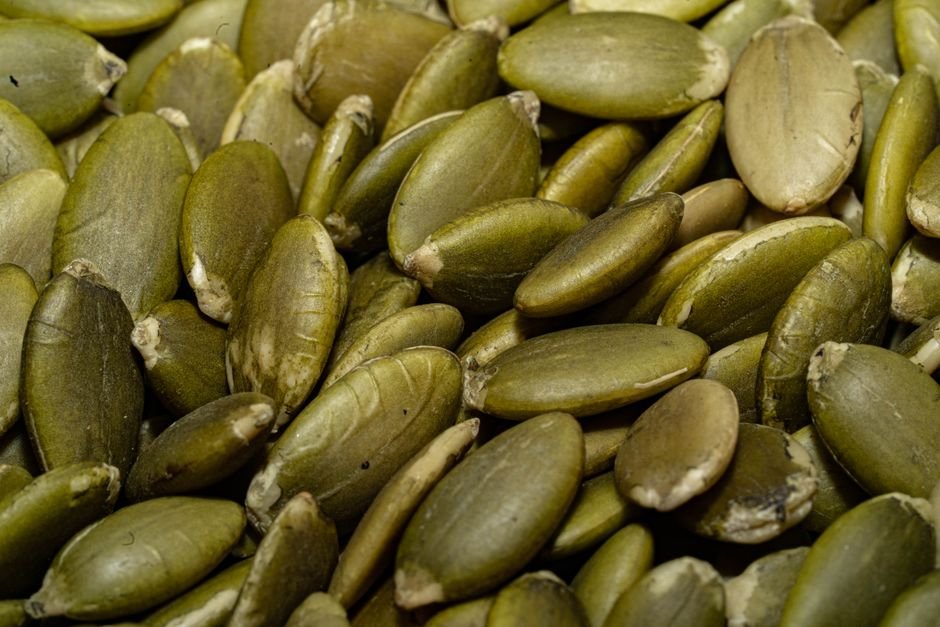
Full Nutrition Facts for 1 Ounce (28g) of Raw Pumpkin Seeds
Here’s the complete breakdown for a standard 1-ounce serving of raw pumpkin seeds. This is one of the most common portion sizes and gives you a clear picture of what you’re getting nutritionally.
| Nutrient | Amount | % Daily Value |
|---|---|---|
| Calories | 151 | — |
| Total Fat | 13.0g | 17% |
| Saturated Fat | 2.4g | 12% |
| Cholesterol | 0 mg | 0% |
| Sodium | 5 mg | <1% |
| Total Carbohydrate | 5.2g | 2% |
| Dietary Fiber | 1.1g | 4% |
| Total Sugars | 0.3g | — |
| Protein | 8.6g | 17% |
| Iron | 8.0 mg | 44% |
| Magnesium | 151 mg | 36% |
| Zinc | 7.0 mg | 64% |
*Percent Daily Values are based on a 2,000-calorie diet. Source: USDA FoodData Central.
Key insight: Just one ounce of pumpkin seeds delivers 44% of your daily iron, 64% of your zinc, and 36% of your magnesium—minerals critical for immune function, wound healing, and energy production. This is why even a small handful can meaningfully contribute to your micronutrient intake, not just calories and macros.
Etekcity Food Scale
0.1g accuracy — the perfect companion for exact portions.
Raw vs. Roasted Pumpkin Seeds: Which Has More Calories?
Raw Pumpkin Seeds
- Slightly lower in calories (151 per ounce) due to unroasted fat content
- Crisper texture when eaten fresh; softer if stored at room temperature for weeks
- More intact micronutrients and phytonutrients; heat exposure is minimal
Roasted Salted Pumpkin Seeds
- Marginally higher in calories (155 per ounce) because water loss concentrates fats slightly
- More robust, nutty flavor; longer shelf life and more stable texture in storage
- Salt content adds sodium (30–100 mg per ounce depending on brand); some heat-sensitive compounds degrade
The takeaway: The calorie difference between raw and roasted is negligible—about 4 calories per ounce. Choose roasted for better taste and texture if you enjoy them, or raw if you prefer minimal processing. For weight management, the small calorie shift is less important than portion control and how the seeds fit into your overall diet.
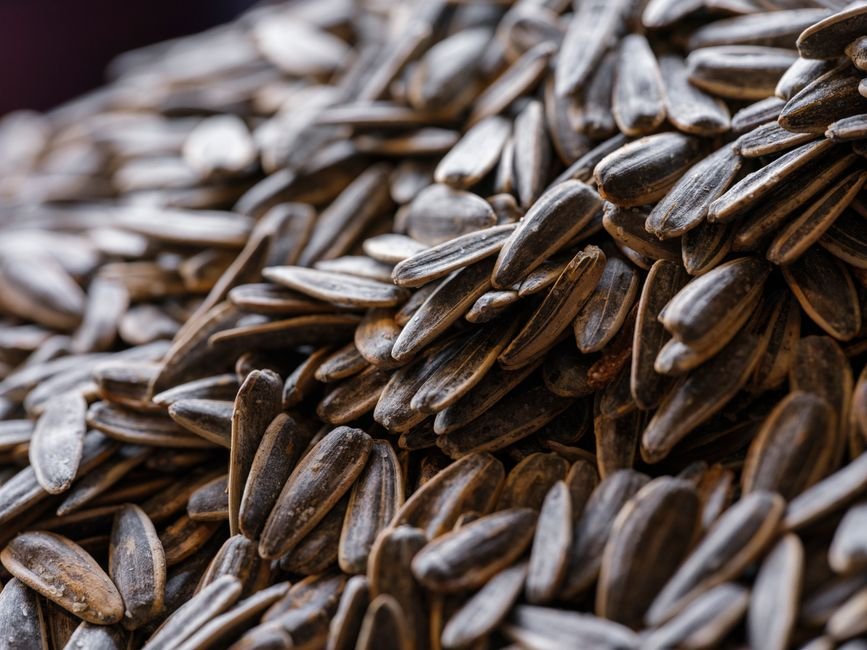
Is Pumpkin Seeds Good for Weight Loss?
Yes, pumpkin seeds can support weight loss, though they’re calorie-dense and require portion awareness. Their high protein (8.6g per ounce) and fiber (1.1g per ounce) promote satiety, meaning they fill you up faster and longer than many snacks. The fat is primarily polyunsaturated and monounsaturated (heart-healthy types), not saturated, so they won’t derail a calorie deficit if you measure servings carefully. People who eat pumpkin seeds as part of a controlled diet often report feeling more satisfied between meals, which can prevent overeating elsewhere.
Tips to Eat Pumpkin Seeds Without Gaining Weight:
- Pre-measure your serving: Scoop 1 ounce (about 23 seeds) into a bowl or small bag before eating, so you don’t mindlessly consume multiple handfuls.
- Pair with volume: Eat pumpkin seeds alongside raw vegetables, Greek yogurt, or salad to spread satisfaction across more food.
- Watch roasted varieties: Oil-roasted or honey-roasted seeds add 10–20 extra calories per ounce; stick to plain roasted or raw when losing weight.
- Track them: Enter pumpkin seeds into your food diary with the exact weight; their caloric density makes them easy to undercount if you guess portions.
When measured properly, a 1-ounce serving fits into most calorie-restricted diets without issue. The risk comes from eating straight from a large bag or bowl, where portions balloon to 2–3 ounces without you noticing.
How Portion Size Affects Calories
Pumpkin seeds’ calorie density means small changes in portion size add up quickly. An extra handful can easily add 50–75 calories to your intake, which compounds across the week. Understanding serving sizes lets you make intentional choices rather than accidentally overdoing it.
Example:
- Small portion (½ ounce / 14g): 75 calories—good as a flavor add-in to oatmeal or salad.
- Standard snack portion (1 ounce / 28g): 151 calories—satisfying standalone snack with good macro balance.
- Large handful (2 ounces / 56g): 302 calories—equivalent to a small meal; best as part of a trail mix or used sparingly.
Doubling your portion doubles the calories, so consistency matters more than perfection. If you enjoy pumpkin seeds, establish one standard serving size and stick to it.
Best Way to Measure Pumpkin Seeds Accurately
Hand-pouring or eyeballing pumpkin seeds leads to significant underestimation—people typically eat 20–40% more than they think. The most accurate methods involve weight or volume tools, which remove guesswork and help you stay accountable to your nutrition goals.
Options:
- Kitchen scale (most accurate): Place a bowl on the scale, tare to zero, and pour seeds until you hit your target weight (28g for one ounce). Takes 30 seconds and removes all ambiguity.
- Measuring cup: 1 ounce of pumpkin seeds ≈ 3 tablespoons (or a scant ¼ cup). Less precise than a scale but faster and requires no special equipment.
- Pre-portioned bags: Some brands sell individual 1-ounce or 1-serving packages; convenient for travel or snacking on the go, though often more expensive per ounce.
Calculate Your Exact Calorie Intake
If you eat pumpkin seeds regularly, you need a reliable way to track exactly how many calories they’re contributing to your daily intake. While this article gives you the baseline numbers, your actual consumption depends on your specific serving size, the exact variety you buy, and whether you combine them with other foods.
Our site offers a free AI-powered nutrients calculator that lets you input your exact serving weight and instantly see calories, macros, and micronutrients. Simply visit https://nutrientscalculator.com/, search for “pumpkin seeds,” enter your portion size in grams or ounces, and get personalized results.
- See calories for your custom serving size (not just standard portions)
- Track complete macros and micronutrients in one place
- Save your favorite foods for quick future reference
Common Mistakes When Eating Pumpkin Seeds
Many people underestimate pumpkin seed calories and portion sizes, which can quietly sabotage nutrition goals. Here are the most common pitfalls and how to avoid them:
❌ Eating directly from the bag: Without pre-measuring, you’ll eat 2–3 ounces (300–450 calories) before realizing it. Always pour a serving into a separate bowl.
❌ Confusing “healthy fat” with “unlimited:” Just because pumpkin seeds contain beneficial fats doesn’t mean calories don’t count. A high-fat food is still energy-dense and requires portion control.
❌ Adding them to every meal: Sprinkling seeds on salad, in yogurt, on oatmeal, and as a snack adds up to 400+ calories fast. Plan where seeds fit into your daily total.
❌ Forgetting to account for roasting oil: Commercial roasted seeds often contain added oils that increase calories beyond the seed itself. Check the nutrition label—oil-roasted can be 20+ calories higher per ounce than plain raw.
Awareness and pre-measurement solve most of these mistakes. Treat pumpkin seeds like any other calorie-containing food: intentional, measured, and tracked.
FAQ
How many calories are in 100g of pumpkin seeds?
Raw pumpkin seeds contain approximately 541 calories per 100g. This is the complete weight including the kernel and any remaining shell material. If you eat 100g as a snack (roughly 3.5 ounces or about a generous handful), you’re consuming the calorie equivalent of a full meal.
Is pumpkin seeds fattening?
Pumpkin seeds themselves aren’t “fattening” because their fats are primarily healthy unsaturated types. However, they are calorie-dense at 151 calories per ounce, so eating them in large portions without awareness can contribute to weight gain. Measured portions fit well into any diet.
Can I eat pumpkin seeds every day?
Yes, eating 1 ounce of pumpkin seeds daily is safe and nutritionally beneficial for most people. This provides excellent micronutrients (iron, zinc, magnesium) without excessive calories. If you have a shellfish allergy or are allergic to seeds, avoid them; otherwise, daily consumption is fine as part of a balanced diet.
Do pumpkin seeds contain complete protein?
Pumpkin seeds contain all nine essential amino acids but are low in lysine, so they’re not a “complete” protein on their own. Pair them with legumes, dairy, or whole grains to round out the amino acid profile and maximize protein quality.
Conclusion
Pumpkin seeds deliver impressive nutrition in a small, convenient package: 151 calories per ounce packed with 8.6g of protein, 44% of your daily iron, 64% of your zinc, and 36% of your magnesium. They’re a legitimate superfood snack when measured and tracked properly. The calorie density does require portion awareness, but that’s not a flaw—it’s a strength for satiety and satisfaction between meals.
Whether you’re managing weight, building muscle, or simply optimizing nutrition, pumpkin seeds can play a role if you measure accurately and fit them into your overall intake. Use a kitchen scale for precision, pre-measure your servings, and log your intake using a reliable nutrients calculator to stay accountable. Small, intentional choices with pumpkin seeds compound over time into real progress toward your health goals.
