
Vodka is one of the world’s most consumed spirits, popular in bars, restaurants, and home settings across North America, Europe, and beyond. Whether served neat, on the rocks, or as the base for cocktails, millions of people include vodka in their social drinking habits, dieting strategies, and fitness goals. Understanding its caloric and nutritional content is essential for anyone tracking alcohol intake while managing weight or maintaining overall health.
Unlike food, alcohol provides calories without nutritional benefit—a concept known as “empty calories.” For drinkers concerned about their caloric intake, knowing exactly how many calories are in vodka becomes crucial for staying within daily limits. This article breaks down vodka’s nutritional profile, preparation methods, portion control, and practical strategies for managing alcohol calories alongside your fitness goals.
Calories in Vodka (Quick Answer)
Pure vodka contains roughly 7 calories per milliliter due to alcohol’s high energy density.
- 1.5 oz (44 mL) shot of 80-proof vodka: 97 calories
- 1 oz (30 mL) shot of 100-proof vodka: 82 calories
- 1 standard drink (1.5 oz at 40% ABV): 96–100 calories
Calorie counts vary slightly by proof (alcohol percentage), brand, and whether the vodka is pure or flavored. Flavored vodkas may contain added sugars, increasing total calories.
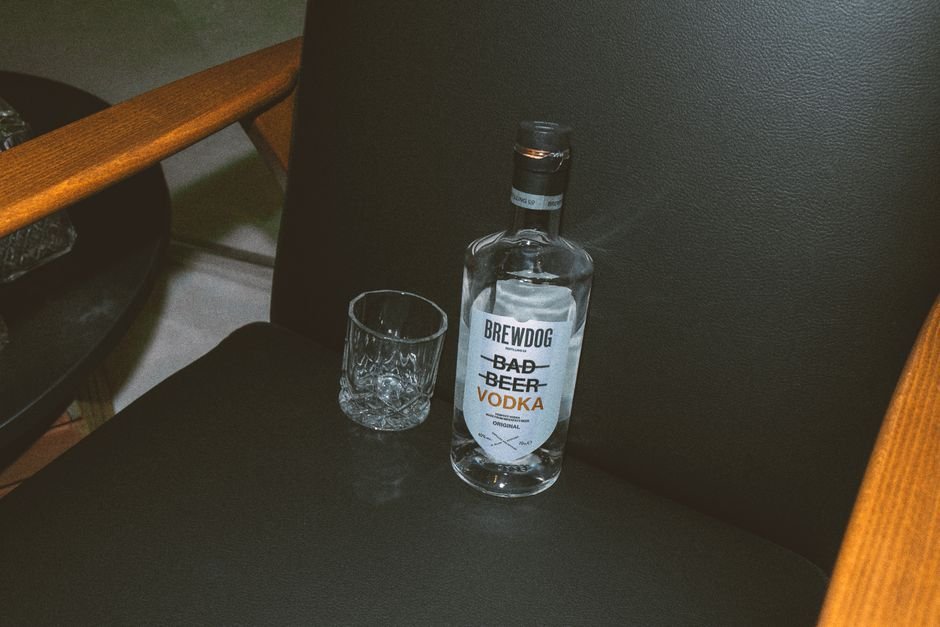
Full Nutrition Facts for 1.5 oz (44 mL) of Vodka (80 Proof)
A standard 1.5 oz shot of 80-proof vodka is the typical serving size in the US. The following table shows the complete nutritional breakdown:
| Nutrient | Amount | % Daily Value |
|---|---|---|
| Calories | 97 | — |
| Total Fat | 0 g | 0% |
| Saturated Fat | 0 g | 0% |
| Cholesterol | 0 mg | 0% |
| Sodium | 0 mg | 0% |
| Total Carbohydrate | 0 g | 0% |
| Dietary Fiber | 0 g | 0% |
| Total Sugars | 0 g | 0% |
| Protein | 0 g | 0% |
| Alcohol (by weight) | 13.6 g | — |
*Percent Daily Values are based on a 2,000-calorie diet. Source: USDA FoodData Central.
Key insight: Pure vodka is nutritionally inert—it contains zero vitamins, minerals, fat, protein, or carbohydrates. All 97 calories come directly from the alcohol itself. This makes vodka one of the few beverages where the calorie count is entirely dependent on proof and serving size, with no variation from added nutrients or ingredients (unless flavored varieties are used).
Etekcity Food Scale
0.1g accuracy — the perfect companion for exact portions.
Vodka Neat vs. Vodka in Cocktails
Drinking vodka straight delivers only alcohol calories, while mixing it in cocktails dramatically increases the total calorie content depending on the mixer and sweeteners used.
Vodka Neat (or on the Rocks)
- 1.5 oz shot contains approximately 97–100 calories
- No added sugars, syrups, or carbonated drinks increase the calorie total
- Straight consumption makes calorie tracking straightforward and transparent
Vodka in Mixed Cocktails
- A vodka cranberry (vodka + cranberry juice) can range from 150–200 calories per drink due to juice sugars
- A vodka tonic (vodka + tonic water) typically adds 80–120 calories from the tonic alone
- Sweet mixers (cola, lemonade, energy drinks) can push total calories to 200–400+ per serving
Practical takeaway: If you’re limiting calories, neat vodka or vodka with zero-calorie mixers (soda water, diet cola, or sugar-free tonic) keeps the drink close to vodka’s base calorie count. Avoid juice-based or syrup-heavy cocktails if weight management is your goal, as they can triple the calorie content of a single drink.
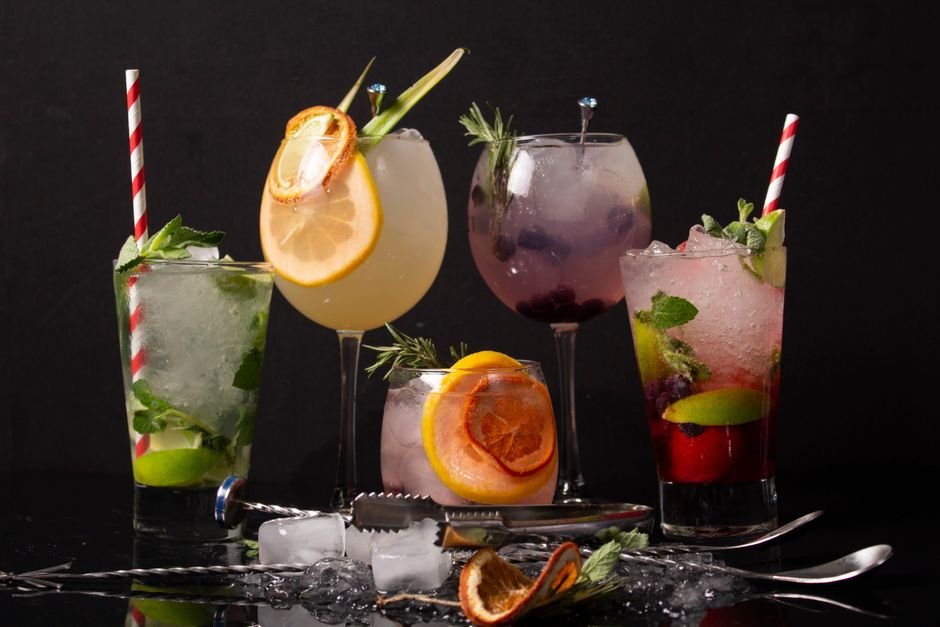
Is Vodka Good for Weight Loss?
Vodka is not inherently helpful for weight loss, but it’s not inherently harmful either if consumed in moderation and with calorie awareness. Since vodka contains only alcohol calories and no nutrients, it doesn’t support satiety or provide energy for muscle recovery the way protein-rich or fiber-rich foods do. However, a single shot (97 calories) is relatively low-calorie compared to many foods, making it manageable within a calorie deficit if other meals are balanced. The risk comes from the social context of drinking—casual consumption, multiple rounds, sugary mixers, and late-night snacking often accompany alcohol use, leading to unintended calorie excess.
Tips to Eat Vodka Without Gaining Weight:
- Count the calories: Track each shot or drink in your daily calorie count. A typical evening of three drinks equals 291 calories, equivalent to a full meal.
- Choose zero-calorie mixers: Soda water, diet soda, sugar-free tonic, and lime or lemon juice add flavor with minimal calories. Avoid juices, syrups, and sugary sodas.
- Eat a protein-rich meal before drinking: Food slows alcohol absorption, prevents blood sugar crashes, and reduces the urge to overeat later.
- Limit drinking frequency: Reserve vodka for occasional social events rather than daily consumption. This naturally caps total weekly alcohol calories.
The bottom line: vodka fits into a weight-loss plan only when portion-controlled, mixed wisely, and factored into your daily calorie budget.
How Portion Size Affects Calories
Vodka’s calorie content scales linearly with volume and proof. A larger pour or higher-proof bottle means proportionally more calories per drink. Bars and home bartenders often pour generously, easily doubling the standard 1.5 oz shot size, which doubles calorie intake. Understanding serving standards helps prevent unintentional overconsumption.
Example:
- Small pour (1 oz at 80 proof): 65 calories
- Large pour (2 oz at 80 proof): 130 calories
A 2 oz pour instead of 1.5 oz adds 33 extra calories per drink—negligible alone, but significant across multiple drinks or frequent use.
Best Way to Measure Vodka Accurately
Measuring vodka by eye is unreliable; most home pours exceed the standard 1.5 oz shot. Using proper measurement tools ensures consistency for both taste and calorie tracking. A standard cocktail jigger or shot glass marked with measurement lines removes guesswork and helps maintain portion control.
Options:
- Shot glass with measurement marks: Clearly labeled jiggers show 0.5 oz, 1 oz, 1.5 oz, and 2 oz lines for precision.
- Digital kitchen scale: Place a shot glass on the scale, zero it, and pour vodka to 44 grams (approximately 1.5 oz). This is the most accurate method.
- Standard measuring cup: Use a kitchen measuring cup with tablespoon or milliliter markings. 1.5 oz equals 44 mL or roughly 3 tablespoons.
Calculate Your Exact Calorie Intake
If you drink vodka regularly, understanding how it fits into your overall daily calorie intake is important for managing weight and health goals. A single drink seems minor, but regular consumption adds up quickly—five drinks per week equals 485 calories, equivalent to an extra day’s worth of deficit or surplus.
Use our free AI-powered nutrients calculator at https://nutrientscalculator.com/ to track not just vodka, but your complete daily intake of calories, macronutrients, and micronutrients. Input your drinks alongside meals to see exactly where alcohol fits into your diet.
- Track alcohol alongside meals to reveal hidden calorie patterns
- Identify how mixer choices affect your weekly calorie total
- Adjust portion sizes based on real data rather than estimates
Common Mistakes When Eating Vodka
Many people underestimate alcohol calories or overlook the impact of mixers and frequency. Here are the most common mistakes:
❌ Forgetting to count mixer calories: A vodka cranberry appears light but can contain twice the calories of neat vodka due to juice sugars. Many drinkers count the vodka but forget the mixer entirely.
❌ Eyeballing pours instead of measuring: Home and bar pours average 2 oz rather than the standard 1.5 oz. This 33% overage multiplies across multiple drinks, often adding 100+ unexpected calories per evening.
❌ Drinking on an empty stomach: Alcohol absorbed quickly on an empty stomach lowers blood sugar and triggers cravings for high-calorie snacks, negating any calorie savings from the drink itself.
❌ Ignoring proof differences: Higher-proof vodka (100+ proof) contains more calories than standard 80-proof. Many premium vodkas are 100+ proof but drinkers assume the same calorie count, leading to underestimation.
Awareness of these patterns helps you drink intentionally rather than accidentally exceeding your calorie or health goals.
FAQ
How many calories are in 100g of vodka?
100 mL of 80-proof vodka contains approximately 220 calories. (Standard shots are 44 mL at 97 calories, so 100 mL scales proportionally.) Note that 100g of vodka weighs slightly less than 100 mL due to density, but the calorie count remains nearly identical.
Is vodka fattening?
Vodka itself is not fattening—it contains no fat, carbohydrates, or protein. However, regular consumption in excess of your calorie needs will contribute to weight gain, just like any calorie-dense food or drink. The real culprit is often the mixers (sugary juices, sodas, syrups) and late-night eating that accompanies drinking.
Does vodka have carbs or sugar?
Pure vodka has zero grams of carbs and zero grams of sugar. Only flavored vodkas—those infused with fruit, vanilla, or other ingredients—may contain added sugars. Always check the label for flavored varieties.
How does vodka compare to beer or wine in calories?
A 1.5 oz shot of vodka (97 calories) has fewer calories than a 12 oz beer (150 calories) or a 5 oz glass of wine (120 calories) per serving. However, vodka is often consumed in multiple shots, while beer and wine are typically single servings, making total intake variable depending on consumption patterns.
Conclusion
Vodka is a calorie-dense, nutrient-free spirit: 97 calories per standard 1.5 oz shot, all from alcohol. It contains zero fat, protein, carbohydrates, vitamins, and minerals, making it purely an energy source with no dietary benefit. Whether vodka fits into your diet depends entirely on portion control, mixer choices, and how you count it against your daily calorie goals. Neat vodka or vodka with zero-calorie mixers is significantly lighter than sweet cocktails, making selection of your mixer more impactful than the spirit itself.
If you drink vodka regularly, measuring portions accurately and tracking total intake is essential for maintaining weight-loss goals or overall health. Use a jigger, kitchen scale, or marked shot glass rather than pouring by eye, and always factor mixer calories into your daily total. For complete transparency on how alcohol fits into your complete nutritional picture, rely on a reliable nutrients calculator to log drinks alongside meals and see real data on your consumption patterns.
