
White rice is one of the world’s most consumed staple foods, feeding billions of people across Asia, Latin America, Africa, and beyond. Whether you’re managing your weight, building muscle, or controlling blood sugar as a diabetic, understanding white rice’s nutritional profile is essential—it’s a cornerstone carbohydrate that can either support or hinder your health goals depending on portion and preparation.
The question is straightforward: how many calories are in white rice, and what’s the full nutritional breakdown? This guide covers everything from serving sizes to portion control, plus practical mistakes to avoid when incorporating white rice into a balanced diet.
Calories in White Rice (Quick Answer)
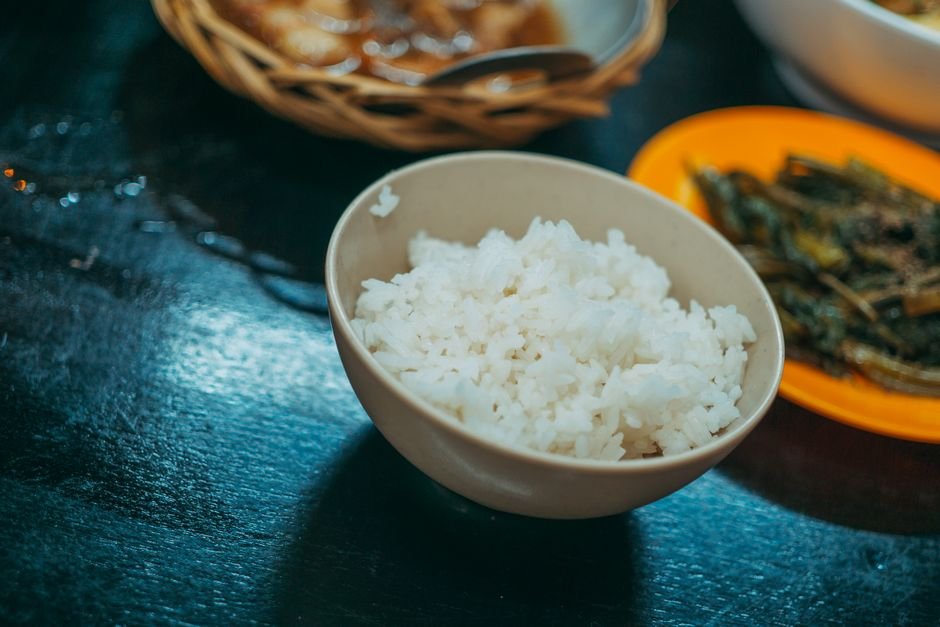
A standard serving of cooked white rice contains roughly 205 calories and 45 grams of carbohydrates. Here are common portions:
- 1 cup (185g) cooked white rice: 205 calories
- ½ cup (92g) cooked white rice: 103 calories
- 1 tablespoon (8g) uncooked white rice: 30 calories
Calorie counts vary slightly by rice variety (short-grain vs. long-grain), moisture content after cooking, and brand. These figures assume cooked, drained rice at typical restaurant/home preparation moisture levels.
Full Nutrition Facts for 1 Cup (185g) Cooked White Rice
The nutritional data below reflects a standard cup of cooked medium-grain white rice, the most common preparation in North America and Europe:
| Nutrient | Amount | % Daily Value |
|---|---|---|
| Calories | 205 | — |
| Total Fat | 0.4g | 1% |
| Saturated Fat | 0.1g | <1% |
| Cholesterol | 0mg | 0% |
| Sodium | 2mg | <1% |
| Total Carbohydrate | 45g | 15% |
| Dietary Fiber | 0.6g | 2% |
| Total Sugars | 0.1g | — |
| Protein | 4.3g | 9% |
| Iron | 1.9mg (fortified) | 11% |
| Magnesium | 19mg | 5% |
| Folate | 90mcg (fortified) | 23% |
*Percent Daily Values are based on a 2,000-calorie diet. Source: USDA FoodData Central.
Key insight: White rice is nearly fat-free and cholesterol-free, making it an excellent carbohydrate base for any diet. The lack of dietary fiber (0.6g) is its primary nutritional drawback—it digests quickly, causing rapid blood sugar spikes. However, enriched white rice (fortified with iron, folate, and B vitamins) provides meaningful micronutrients, especially important in developing regions where rice is the primary food source. Pair it with protein and vegetables to slow glucose absorption and increase satiety.
Etekcity Food Scale
0.1g accuracy — the perfect companion for exact portions.
White Rice vs. Brown Rice: Nutrition & Digestion Comparison
The choice between white and brown rice affects both calorie count and blood sugar impact. Here’s how they differ:
White Rice
- 205 calories per cooked cup; light flavor and soft texture appeal to broader palates
- 0.6g fiber; minimal impact on digestion and blood sugar—rises quickly after eating
- Enriched varieties supply 23% daily folate and 11% daily iron; widely available and affordable
Brown Rice
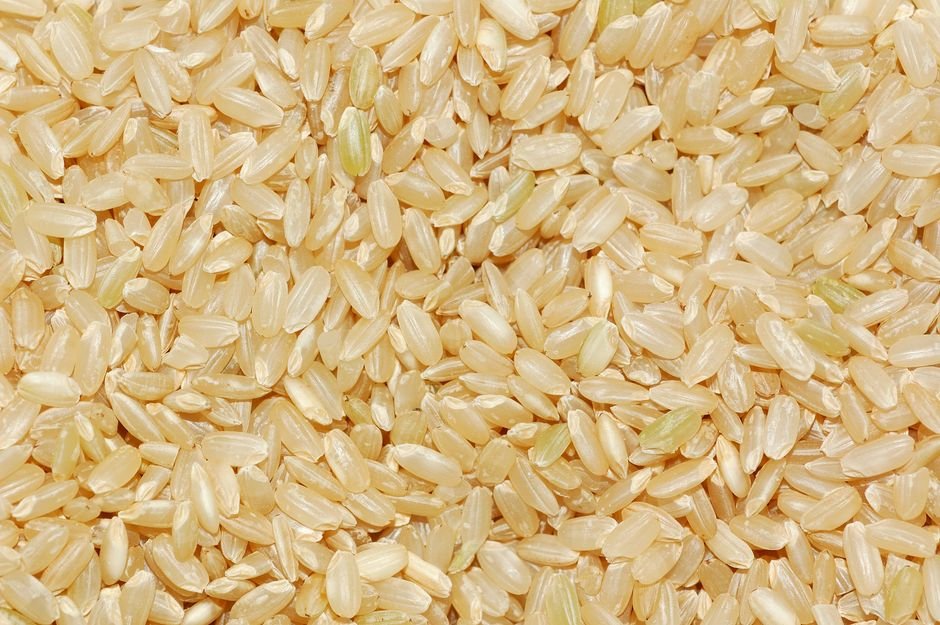
- 215 calories per cooked cup; nutty flavor and chewier texture suit whole-grain diets
- 3.5g fiber; slows digestion and creates stable blood sugar and longer satiety
- Contains phytic acid (antinutrient) that may reduce mineral absorption; higher cost and shorter shelf life
Practical takeaway: If blood sugar stability and weight loss are priorities, brown rice is the superior choice due to its fiber and slower digestion. White rice is acceptable for active individuals, athletes, and those with digestive sensitivities, especially if paired with protein and fat. Neither is inherently “bad”—your individual metabolic goals and food preferences should drive the choice.
Is White Rice Good for Weight Loss?
White rice alone is not ideal for weight loss because its low fiber content makes it easy to overeat. A 1-cup serving delivers 45g of carbs with minimal satiety signals, meaning your body may not register fullness as quickly as with whole grains. However, white rice is fine in small, controlled portions as part of a balanced meal—the problem arises when it becomes the bulk of a plate.
Tips to Eat White Rice Without Gaining Weight:
- Limit to ½ cup (103 calories) per meal instead of a full cup; pair with lean protein and non-starchy vegetables to fill your plate
- Cool and refrigerate cooked rice before eating; chilling converts some starches to resistant starch, reducing digestible carbs and calorie absorption by ~10%
- Add oil and acid during cooking (a teaspoon of olive oil or lemon juice); fats and acids further lower the glycemic impact and slow digestion
- Choose jasmine or basmati rice over short-grain; long-grain varieties have slightly lower glycemic index values and less clumping, reducing portion inflation
Consistency matters more than elimination. A sustainable weight-loss diet includes white rice in moderation; crash-restricting carbs typically backfires. Focus on total calories, activity level, and protein intake rather than demonizing rice alone.
How Portion Size Affects Calories
Portion size is the single largest driver of calorie intake when eating rice. Because cooked rice is >70% water, serving size dramatically varies based on how much moisture remains after cooking—the same amount of uncooked rice can yield wildly different portion weights depending on cooking time, water ratio, and brand. This is why measuring cooked rice by weight (grams) or using a food scale is more accurate than eyeballing or using a bowl.
Example:
- Small portion: ½ cup cooked rice = 103 calories; appropriate for a side dish with other foods
- Large portion: 2 cups cooked rice = 410 calories; nearly a full meal’s worth of carbs, typical at restaurants and often consumed without awareness
Most people underestimate their rice portion by 30–50%, which explains why calorie totals don’t match expectations on a weight-loss plan.
Best Way to Measure White Rice Accurately
Visual guessing and “cups” are inconsistent because rice settles and packs differently depending on moisture. The gold standard is a kitchen scale—it’s the only method that accounts for the water content, density, and brand variation that affect calorie accuracy. If a scale isn’t available, dry-measure uncooked rice (which is more stable) and use a standardized measuring cup, then multiply the dry weight by roughly 3 to estimate cooked weight.
Options:
- Digital kitchen scale (best): Measure cooked rice by grams; most accurate and fastest for tracking calories and macros
- Dry-measure method: Use a ¼-cup dry measure for uncooked rice (~45g dry = ~135g cooked = ~150 calories); consistent if your water-to-rice ratio stays the same
- Standardized measuring cup: Use a level measuring cup filled once for cooked rice; less precise than a scale but more reliable than eyeballing, especially for meal prep
Calculate Your Exact Calorie Intake
If you’re tracking calories and macros for weight loss, muscle gain, or sports performance, white rice’s simple carbohydrate profile makes it easy to log—but only if you’re measuring portions correctly. Most calorie-counting errors stem from guessing portion sizes rather than carb or fat miscalculation.
For a comprehensive view of your entire meal’s nutrition, use our free AI nutrients calculator, available at https://nutrientscalculator.com/. Simply enter your rice portion and other foods, and get instant totals for calories, protein, carbs, fiber, and micronutrients—no manual math required.
- Calculate exact macros for your white rice + protein + veggie combinations
- Track daily intake and identify hidden calories in oils, sauces, and cooking methods
- Adjust portions in real time to hit your protein, carb, and calorie goals
Common Mistakes When Eating White Rice
Even with good intentions, small habits can sabotage your nutrition plan. Here are the most frequent missteps:
❌ Eyeballing portions without a scale: Most people serve 1.5–2 cups without realizing it’s 300–410 calories—a full meal’s worth of carbs in a side dish.
❌ Cooking with excessive oil or butter: A tablespoon of oil adds 120 calories; restaurant rice often contains 2–3 tablespoons, doubling the calorie count invisibly.
❌ Pairing rice with only carb-heavy sides: Rice + bread + pasta means zero protein or fiber, causing blood sugar spikes and hunger within 90 minutes.
❌ Eating hot rice immediately after cooking: The starches are at their most digestible (highest glycemic impact); cooling rice first reduces the blood sugar response by 10–20%.
Awareness of these patterns is the first step toward using white rice as a functional carbohydrate rather than an accidental calorie bomb.
FAQ
How many calories are in 100g of white rice?
Cooked white rice contains approximately 111 calories per 100g. This varies slightly by variety and moisture content, but is a reliable baseline for tracking.
Is white rice fattening?
White rice itself is fat-free and not inherently “fattening,” but its low fiber and high digestibility make it easy to overeat. Weight gain occurs from excess total calories—not from rice specifically. Portion control and pairing it with protein and vegetables are key.
Why does white rice spike blood sugar faster than brown rice?
White rice lacks the bran and germ (removed during milling), which contain fiber that slows digestion. Without this fiber barrier, starches break down rapidly into glucose, causing sharper blood sugar and insulin spikes.
How should I store cooked white rice to keep it fresh?
Store cooked rice in an airtight container in the refrigerator for up to 4 days, or freeze for up to 3 months. Cool rice thoroughly before refrigerating to prevent condensation and spoilage. Reheat to 165°F (74°C) to kill any bacteria before eating.
Conclusion
White rice delivers 205 calories and 45g of carbohydrates per cooked cup, with minimal fat, fiber, or protein. It’s a clean carbohydrate source that works well for athletes, active individuals, and anyone eating in moderation, but its lack of fiber makes it less ideal for sustained weight loss or blood sugar management. Enriched varieties supply meaningful micronutrients (folate, iron), especially valuable where rice is a dietary staple.
Success with white rice depends on honest portion measurement, strategic pairing with protein and vegetables, and understanding your personal metabolic goals. Use a **food scale and a reliable nutrients calculator** to track your actual intake and remove the guesswork from meal planning.
