
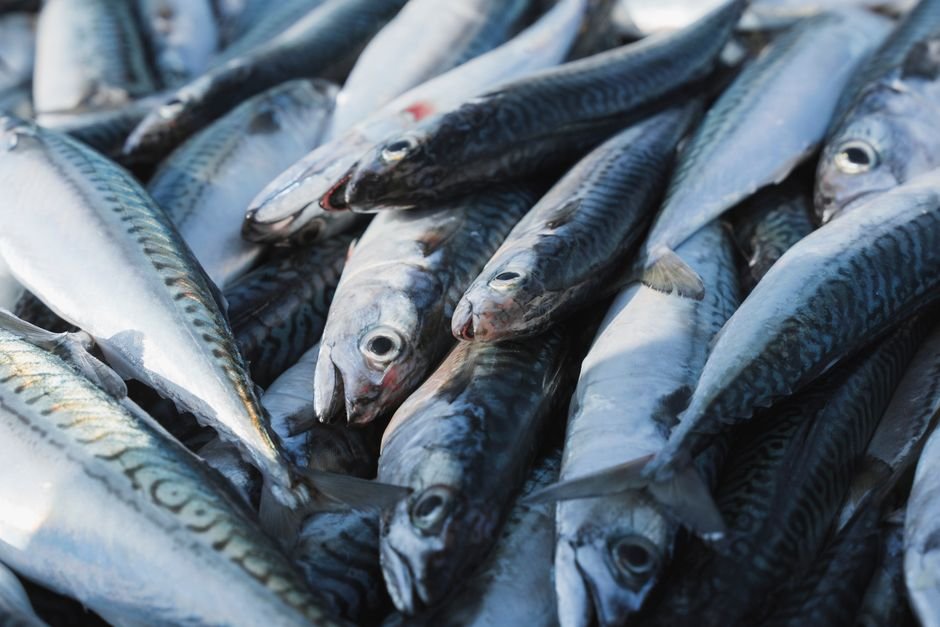
Mackerel is a nutrient-dense oily fish consumed worldwide, from the Mediterranean to Japan, and favored by athletes, health-conscious eaters, and those managing heart health. Its richness in omega-3 fatty acids and high protein content make it a staple protein source for muscle building and cardiovascular support.
But how many calories are in mackerel, and does its fat content fit your dietary goals? This guide covers the complete nutritional profile of mackerel in common serving sizes, practical preparation tips, and how to incorporate it into a balanced diet.
Calories in Mackerel (Quick Answer)
A 100g cooked mackerel fillet contains approximately 205 calories, though values shift slightly with preparation method.
- 100g cooked mackerel: 205 calories
- 3.5 oz (100g) raw mackerel: 191 calories
- 1 medium cooked mackerel fillet (~157g): 322 calories
Calorie content varies by whether the fish is raw or cooked, and whether skin is included. Canned mackerel in oil will be higher.
Full Nutrition Facts for 100g of Cooked Mackerel
Here is the complete nutritional breakdown for a 100-gram serving of cooked mackerel fillet, based on USDA FoodData Central data:
| Nutrient | Amount | % Daily Value |
|---|---|---|
| Calories | 205 kcal | — |
| Total Fat | 13.9g | 21% |
| Saturated Fat | 3.1g | 15% |
| Cholesterol | 70mg | 23% |
| Sodium | 97mg | 4% |
| Total Carbohydrate | 0g | 0% |
| Dietary Fiber | 0g | 0% |
| Total Sugars | 0g | 0% |
| Protein | 22.1g | 44% |
| Omega-3 Fatty Acids (EPA + DHA) | 2.3g | — |
| Vitamin D | 570 IU | 14% |
| Vitamin B12 | 12.8 mcg | 213% |
*Percent Daily Values are based on a 2,000-calorie diet. Source: USDA FoodData Central.
Key insight: Mackerel delivers nearly 2.3g of omega-3 fatty acids (EPA and DHA) per 100g—nearly double the amount found in salmon—making it one of the richest sources of heart-protective polyunsaturated fats. The 13.9g of total fat is largely composed of these beneficial omega-3s, not saturated fat, and the protein content (22.1g) supports muscle repair and recovery without requiring excessive calorie intake.
Etekcity Food Scale
0.1g accuracy — the perfect companion for exact portions.
Raw vs. Cooked Mackerel: How Preparation Changes Nutrition
Raw Mackerel
- Lower calorie density: 191 calories per 100g vs. 205 when cooked
- More moisture retained: Water loss is minimal, nutrients are intact
- Better omega-3 preservation: No heat degradation of fatty acids
Cooked Mackerel (baked, grilled, or poached)
- Slightly denser nutrition: Moisture evaporation concentrates nutrients slightly (205 calories per 100g)
- Easier protein absorption: Heat denatures proteins, making amino acids more bioavailable
- Food safety: Cooking kills pathogens; raw fish carries parasitic risk
Practical takeaway: Cooked mackerel is recommended for most people due to safety and digestibility. The minimal calorie increase (14 kcal/100g) is negligible compared to the reduced food-borne illness risk. If eating raw (sushi-grade, properly frozen mackerel), ensure it has been sushi-grade frozen and sourced from a reputable fishmonger.
Is Mackerel Good for Weight Loss?
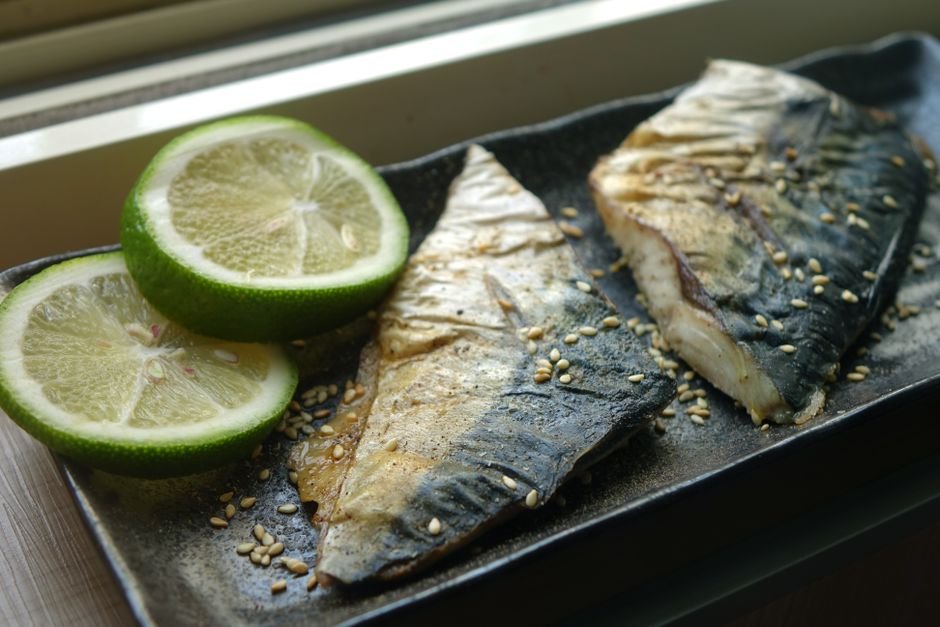
Yes, mackerel is an excellent choice for weight loss despite its 205 calories per 100g. Its high protein content (22.1g per 100g) triggers satiety hormones, keeping you full longer and reducing overall calorie intake. The fat is primarily omega-3 polyunsaturated fat, which supports metabolic health and doesn’t contribute to body fat accumulation in the same way as refined carbohydrates do. Studies show that people who eat oily fish feel satisfied on fewer total calories and experience better appetite control.
Tips to Eat Mackerel Without Gaining Weight:
- Choose baked or grilled over fried: Frying adds 100+ calories in oil; grilling or baking keeps calories stable.
- Skip creamy sauces: Pair mackerel with lemon juice, herbs, or tomato-based sauces (under 50 calories) instead of mayo or butter.
- Pair with low-calorie sides: Serve with leafy greens, steamed broccoli, or cauliflower rice instead of white rice or pasta.
- Watch canned varieties: Canned mackerel in oil can reach 300+ calories per 100g; choose water-packed or drain the oil.
A 150g serving of grilled mackerel (about 307 calories) plus a large salad and lemon dressing creates a filling, nutrient-dense meal under 400 calories—ideal for weight loss while preserving muscle.
How Portion Size Affects Calories
Mackerel’s calorie density means portion size has a major impact on total intake. A small fillet (75g) is a reasonable lunch protein, while a full-sized fillet (150g+) can quickly exceed dinner calorie targets if not paired carefully with low-calorie sides. Tracking portions by weight is more accurate than eyeballing, since mackerel fillets vary in thickness and size.
Example:
- Small portion (75g cooked): 154 calories—ideal as part of a balanced meal
- Standard portion (150g cooked): 307 calories—a complete protein-centered dinner
Use a food scale or check the package weight label to stay within your target range.
Best Way to Measure Mackerel Accurately
The most reliable method is measuring by weight in grams using a kitchen food scale. Mackerel fillets are irregular in shape and thickness, so visual estimation often leads to underestimation of calories. If a scale isn’t available, package labels usually list grams per serving, and whole fish can be weighed whole before cooking.
Options:
- Digital food scale (most accurate): Weigh the raw or cooked fillet before eating; results accurate to ±1g.
- Package information: Check the label for grams per fillet or per can; use this as your baseline.
- USDA serving size reference: 1 medium fillet ≈ 157g cooked; use this as a mental anchor if scales aren’t available.
Calculate Your Exact Calorie Intake
Different mackerel fillets vary in size, fat content, and preparation method. To know your exact intake and macronutrient breakdown, a personalized nutrients calculator is invaluable.
We offer a free AI-powered nutrients calculator that lets you enter the exact weight of your mackerel serving and instantly see calories, protein, fat, and micronutrients.
- Log your exact portion and get personalized macro breakdowns
- Track multiple meals and see cumulative daily nutrition
- Compare different fish varieties side-by-side (mackerel vs. salmon vs. cod)
Common Mistakes When Eating Mackerel
Even a nutritious food like mackerel can derail your goals if prepared or portioned incorrectly. Here are the most common pitfalls:
❌ Frying in excess oil: Deep-frying mackerel adds 150–200 extra calories and saturated fat; grilling or baking preserves the health benefits.
❌ Underestimating canned mackerel calories: Canned mackerel in oil can contain 250–300+ calories per 100g due to added oil; draining or choosing water-packed versions cuts this by half.
❌ Pairing with heavy sauces: A creamy dill or aioli sauce can add 200+ calories to a modest fillet; use mustard, lemon, or vinegar-based dressings instead.
❌ Eating without measuring: Eyeballing portion sizes often leads to consuming 180–220g instead of the intended 100–150g, resulting in 100+ unmeasured calories.
Measure portions, choose lean cooking methods, and be mindful of sauces to unlock mackerel’s full nutritional potential.
FAQ
How many calories are in 100g of mackerel?
A 100g serving of cooked mackerel contains 205 calories. Raw mackerel is slightly lower at 191 calories per 100g due to higher water content.
Is mackerel fattening?
No. While mackerel is high in fat (13.9g per 100g), this fat is primarily omega-3 polyunsaturated fat, which supports heart health and doesn’t promote weight gain. In fact, the high protein and satiety effect make it a good choice for weight management.
How much omega-3 is in mackerel?
A 100g serving of cooked mackerel provides approximately 2.3g of omega-3 fatty acids (EPA and DHA), which exceeds the recommended daily intake for adults (1.1–1.6g) in a single serving. This makes mackerel one of the richest dietary sources of these brain and heart-protective fats.
Is canned mackerel as nutritious as fresh?
Yes, canned mackerel retains most nutrients, including omega-3s and protein. However, canned varieties in oil can be significantly higher in calories (250–300+ per 100g) compared to fresh-cooked mackerel. Water-packed or drained canned mackerel is a better choice if watching calories.
Conclusion
Mackerel is a calorie-efficient, nutrient-dense protein source that delivers 22.1g of protein and 2.3g of omega-3 fatty acids per 100g cooked serving. At 205 calories, it offers excellent satiety and metabolic support, making it ideal for weight loss, muscle building, and cardiovascular health. The fat content is primarily heart-protective polyunsaturated fat—not a liability, but an asset.
To maximize its benefits, choose grilled or baked mackerel over fried, measure portions by weight, pair it with low-calorie vegetables, and skip heavy sauces. For precise tracking of your mackerel intake and complete nutritional breakdown, use a reliable nutrients calculator to log your exact serving size and monitor your daily intake.
