
If you’re shopping for a dairy-free milk alternative and tracking calories for weight loss, you’ve probably stood in the plant-based aisle wondering whether oat milk or almond milk is the smarter choice. Both taste good, both are widely available, and both have loyal followings in the health space. But their nutrition profiles are genuinely different in ways that matter to your actual weight-loss results—and the answer isn’t just about calories.
Here’s what this article will settle: almond milk is the better choice for pure calorie reduction, but oat milk often wins for sustainable weight loss because its fiber content keeps hunger at bay longer. The right choice for you depends on whether you prioritize absolute lowest calories or steady satiety. We’ll show you the real numbers, explain where serving size and brand choice blow these comparisons apart, and tell you which mistakes people make when comparing them.
Quick Answer
Almond milk edges out oat milk for weight loss if your only metric is calories: a typical serving of unsweetened almond milk has 30–40 calories per cup, versus 80–150 for oat milk (depending on brand and sweetener). However, oat milk’s higher fiber content (2–4g per cup) creates a more sustained feeling of fullness, which often leads to better real-world weight loss because you eat less overall. The verdict shifts if you’re buying sweetened versions, flavored creamers, or barista blends—those calories can double or triple for either option.
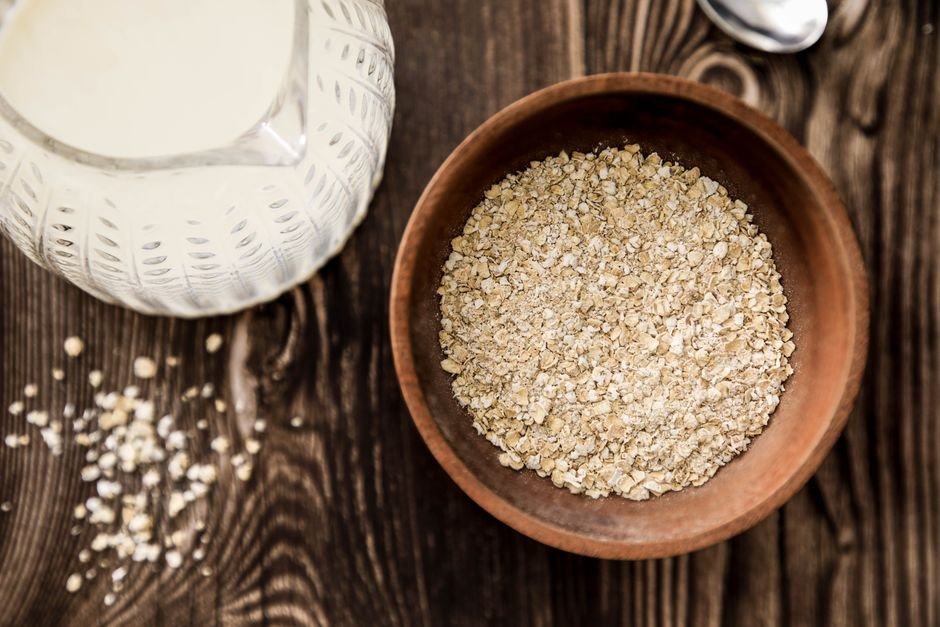
Oat Milk vs Almond Milk: Side-by-Side Nutrition
Oat Milk (Unsweetened, 1 Cup / 240 mL)
- Calories: 120 (range: 80–150 depending on brand)
- Protein: 2–3g
- Fiber: 2–4g (aids satiety and digestion)
- Fat: 2.5–3g
Almond Milk (Unsweetened, 1 Cup / 240 mL)
- Calories: 30–40 (range: 25–45 depending on brand)
- Protein: 1g
- Fiber: 0.5–1g (minimal satiety benefit)
- Fat: 2.5–3g
| Metric (per 1 cup) | Oat Milk | Almond Milk |
|---|---|---|
| Calories | 120 | 30 |
| Protein (g) | 2–3 | 1 |
| Fiber (g) | 2–4 | 0.5–1 |
| Carbs (g) | 9–10 | 1–2 |
| Fat (g) | 2.5–3 | 2.5–3 |

Etekcity Food Scale
0.1g accuracy — the perfect companion for exact portions.
Which Is Better for Weight Loss?
Almond milk wins on the raw numbers, but oat milk wins in real life for most people. Yes, almond milk has roughly 80–90 fewer calories per cup, which matters if you drink multiple cups daily or use it in multiple beverages. Over a week, that difference adds up. But here’s the catch: satiety is where oat milk pulls ahead. The 2–4g of fiber per cup of oat milk triggers a genuine physiological response that reduces hunger between meals, while almond milk’s minimal fiber does almost nothing to suppress appetite. If you choose almond milk to save 30 calories but then eat an extra 150-calorie snack two hours later because you’re still hungry, you’ve defeated the purpose. The research on fiber confirms this repeatedly: higher fiber intake is linked to both lower body weight and better weight-loss maintenance because people naturally eat less when they feel fuller.
When almond milk wins instead: If you’re a heavy milk user—three or more cups per day in coffee, cereal, smoothies, or cooking—the cumulative calorie difference becomes significant (180–270 calories daily), enough to override the satiety advantage of oat milk. Almond milk also makes sense if you’re already getting plenty of fiber from whole foods (vegetables, beans, fruit) and don’t need the added source. And if your total carbohydrate intake is tightly limited (keto or very low-carb diets), almond milk’s 1–2g carbs per cup beats oat milk’s 9–10g by a meaningful margin.
Why the Numbers Don’t Tell the Whole Story
The comparison above assumes you’re buying a plain, unsweetened milk and drinking one cup. Real life is messier. A single wrong choice at the grocery store can make either option irrelevant to weight loss. Many popular oat milk brands (Oatly, Califia Farms, Pacific Foods) sell sweetened barista versions with 120–170 calories and 10–17g added sugar per cup—that’s a different product entirely from unsweetened oat milk, and suddenly almond milk is objectively better. Conversely, some almond milk products marketed as “creamy” are thickened with additives and jump to 40–50 calories per cup. Store brands, organic versions, and homemade options vary wildly.
Serving size is another silent killer. A “cup” is 240 mL, but most people pour significantly more into their morning coffee—typically 1.5 to 2 cups without noticing. If you’re adding 16 oz (two cups) of oat milk to breakfast, you’re consuming 240+ calories and 4–8g fiber, which changes the comparison entirely. Brand matters too: Oatly’s standard unsweetened version is around 120 calories, while some premium brands range from 80 to 150 for the same volume. Preparation method matters as well; homemade oat milk (blended oats and water, strained) can be 50–80 calories per cup if dilute, or 180+ if made thick.
The most reliable way to know exactly what you’re drinking is to scan the barcode of the specific product in front of you. Our free AI nutrition calculator at https://nutrientscalculator.com/ lets you input your exact milk choice, serving size, and preparation to see the precise calorie and nutrient breakdown you’re consuming, not a theoretical average. This tool is especially useful because you can:
- Compare the exact brand you’ve already bought versus alternatives
- Calculate cumulative calories across a whole day of milk consumption (coffee, cereal, cooking, smoothies)
- Adjust for your actual pour size rather than guessing at “one cup”
Common Mistakes
When people choose between oat and almond milk for weight loss, they often fall into these traps:
❌ Assuming unsweetened = low-calorie. Many “unsweetened” oat milks are 120–150 calories per cup simply because they’re made thick; unsweetened doesn’t mean diet-friendly, it just means no added sugar was stirred in. Always check the label.
❌ Ignoring total daily consumption. One cup of oat milk at 120 calories sounds fine until you add it to morning coffee (1 cup), cereal (1 cup), and an afternoon latte (1.5 cups). That’s 480 calories from one ingredient.
❌ Overweighting protein differences. Neither oat nor almond milk is a reliable protein source compared to dairy milk (8g) or plant-based options like soy milk (7–8g). Don’t choose either expecting a protein benefit.
❌ Forgetting that sweetened versions exist. Barista blends and flavored oat milks at coffee shops can be 150–200 calories per serving, completely erasing any weight-loss advantage either base milk provides.
FAQ
Does oat milk actually make you less hungry than almond milk?
Yes, but the effect is modest. The 2–4g of fiber per cup of oat milk triggers genuine satiety signals, especially if you’re also eating protein and whole foods with each serving. Almond milk’s minimal fiber (<1g) doesn't activate this response. However, both are so low in total nutrients that neither will meaningfully suppress appetite on its own—the milk is just part of a larger meal.
What if I drink my milk in coffee? Does the choice matter?
The calorie difference matters the same way (almond milk saves ~90 calories per cup). The satiety advantage of oat milk matters less, because the coffee itself doesn’t trigger the same hunger response. If you’re using milk only in coffee, almond milk is the more practical choice for weight loss.
Is store-brand almond milk or oat milk cheaper for weight loss?
Store brands of both are cheap and usually nutritionally identical to name brands. Almond milk store brands are typically $1.50–$2.50 per half-gallon, while oat milk runs $2.50–$3.50. For weight loss specifically, price doesn’t affect the nutrition—pick whichever store brand fits your budget.
Can I mix oat and almond milk, or should I pick one?
Mixing them is fine and common in coffee (almond for calories, oat for body and texture). From a weight-loss perspective, there’s no disadvantage—you’re just moderating portions of both. A half-and-half blend of almond and oat milk gets you roughly 75 calories with moderate fiber, a reasonable middle ground.
Conclusion
For weight loss, almond milk is the lower-calorie choice (30 calories per cup vs. 120), but oat milk often produces better results because its fiber keeps you full longer. If you’re a light milk user or strictly limiting carbs, go almond. If you use milk liberally throughout your day and hunger is your main obstacle, oat milk’s satiety advantage likely matters more than the extra 90 calories. The real determinant, though, is which specific brand you buy and how much you actually pour—and that’s where most people go wrong.
The single best move is to stop assuming labels are accurate without checking your specific product. Use a reliable nutrition calculator to log the exact milk you’re drinking in the exact amount you’re pouring. That’s the only way to know whether you’re truly supporting your weight-loss goals or just switching between similar options. Neither milk is a weight-loss magic bullet—consistency and total calorie balance matter far more than the label on the carton.
