
Olive oil vs avocado oil weight loss is a question that comes up constantly when people are trying to cook healthier and shed pounds—and for good reason. Both oils claim health benefits, both appear in Mediterranean and modern wellness diets, and both are marketed as “better” choices than seed oils. But when you’re counting calories or trying to optimize fat intake for weight loss, these two oils behave differently in real cooking situations, and which one makes sense for you depends on what you’re actually making and what your body needs.
This article compares them head-to-head on calories, fat composition, smoke point, and real-world weight loss impact. The verdict: for most weight loss cooking, extra-virgin olive oil is the stronger choice because of its lower calorie density and proven metabolic benefits—but avocado oil wins in specific high-heat scenarios where its neutral flavor and smoke point matter more than the marginal calorie difference.
Olive Oil vs Avocado Oil Weight Loss: Quick Answer
Extra-virgin olive oil is the better choice for weight loss cooking in most everyday scenarios because it contains the same calories per tablespoon (120) as avocado oil, but delivers proven anti-inflammatory polyphenols and appetite-suppressing compounds that avocado oil lacks. Avocado oil makes sense only if you’re regularly high-heat cooking (above 450°F) where olive oil smokes and oxidizes, since the marginal calorie difference between them is negligible at typical serving sizes (1–2 tablespoons). If you’re aiming to lose weight, the oil choice matters far less than the total amount you use—portion control beats oil type.
Olive Oil vs Avocado Oil: Nutrition Head-to-Head
Extra-Virgin Olive Oil
- Calories per tablespoon: 120
- Total fat: 14 g per tablespoon
- Monounsaturated fat: 10 g (73% of total)
- Polyphenol content: 30–300 mg per serving (varies by harvest and brand; freshness matters significantly)
Avocado Oil
- Calories per tablespoon: 120
- Total fat: 14 g per tablespoon
- Monounsaturated fat: 10 g (71% of total)
- Polyphenol content: Minimal to negligible (refined versions have virtually none; unrefined is slightly higher but rarely used for cooking)
| Metric | Olive Oil (Extra-Virgin) | Avocado Oil |
|---|---|---|
| Calories (1 tbsp) | 120 | 120 |
| Total Fat (1 tbsp) | 14 g | 14 g |
| Monounsaturated Fat (1 tbsp) | 10 g | 10 g |
| Saturated Fat (1 tbsp) | 1.9 g | 1.6 g |
| Smoke Point | 190°F (EVOO) / 410°F (Refined) | 520°F |
| Key Bioactive Compounds | Polyphenols (oleuropein, oleocanthal) | Lutein, β-carotene (minimal polyphenols) |
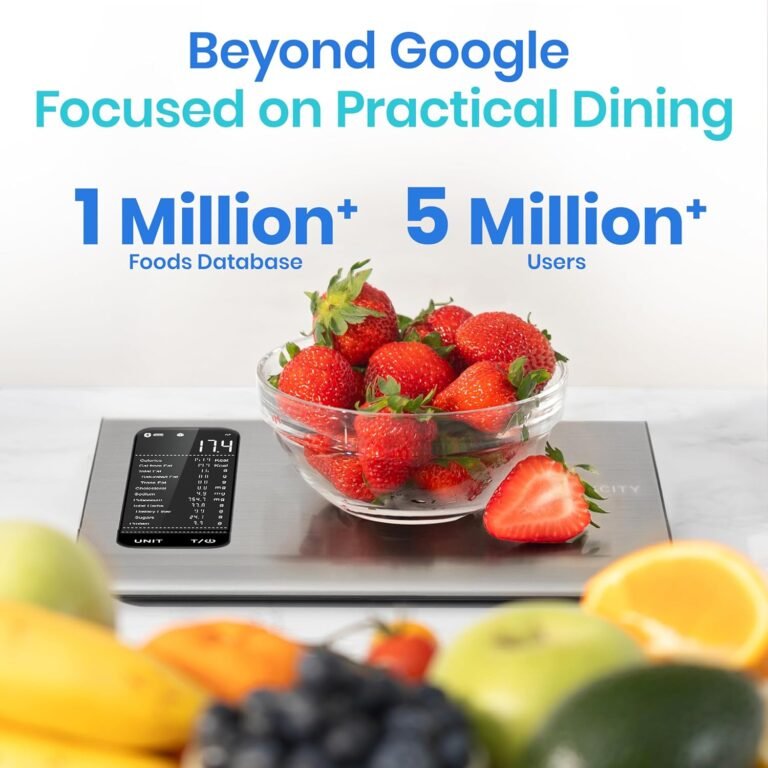
Etekcity Food Scale
0.1g accuracy — the perfect companion for exact portions.
Which Is Better for Weight Loss Cooking?
Extra-virgin olive oil is the better choice for most weight loss cooking. Calorie-for-calorie, both oils are identical at 120 per tablespoon, but olive oil’s polyphenol compounds—particularly oleuropein and oleocanthal—have been shown in research to reduce inflammation, improve insulin sensitivity, and support satiety. A 2020 study from the University of Pennsylvania found that olive oil consumption was associated with greater adherence to calorie-restricted diets, likely because its bioactives promote sustained fullness. In everyday cooking (sautéing vegetables, drizzling on salads, light pan-frying), extra-virgin olive oil’s lower smoke point is not a limitation, and you get the metabolic edge.
Avocado oil’s only clear advantage is when you’re cooking at temperatures above 450°F—high-heat searing, stir-frying, or roasting vegetables at 500°F+. In those situations, extra-virgin olive oil degrades and produces off-flavors and potentially harmful compounds. If you do mostly low-to-medium heat cooking, avocado oil offers no weight loss benefit and costs more per ounce. Use it only when you truly need a high-smoke-point oil, and consider light or refined olive oil (smoke point 410°F) as a middle option if you want to stay in the olive oil family.
Why the Numbers Don’t Tell the Whole Story
The calorie count and macronutrient profile are nearly identical, so comparing them on a spreadsheet misses what actually matters: absorption, oxidation, and real-world serving size. A tablespoon of oil is the standard portion on a label, but most home cooks pour more when using a bottle—often 1.5 to 2 tablespoons without thinking about it. That difference (15 extra calories) is trivial on its own, but adds up to 1–2 pounds per year if it happens daily. More importantly, the type of fat—and whether it’s been oxidized by heat—changes how your body processes it. Extra-virgin olive oil’s polyphenols are heat-sensitive; heating EVOO above its smoke point (190°F) breaks down these compounds, converting the oil into a less beneficial product.
Brand and storage also matter far more than the oil type itself. A mass-produced “olive oil” labeled “light” or “pure” (not extra-virgin) has been refined and stripped of polyphenols, making it nutritionally similar to avocado oil despite the name. Conversely, an unfiltered, early-harvest extra-virgin olive oil from a small producer can contain 10 times the polyphenols of a supermarket generic version. For weight loss specifically, a poor-quality olive oil consumed in large quantities loses its advantage. Likewise, avocado oil’s oxidation resistance is only useful if you’re actually reaching high temperatures consistently—a small amount of avocado oil used for low-heat drizzling on salad provides no benefit over olive oil.
To know exactly what you’re getting, use a reliable nutrients calculator to verify the oil’s composition and polyphenol content if available. Our free AI nutrients calculator lets you enter the exact brand and quantity you’re using, showing you real calorie and fat breakdowns for your actual cooking pattern. Key benefits include: seeing your total oil intake across a day (catching the “pour creep”), comparing polyphenol content between brands, and adjusting portions to fit your weight loss calorie goals without guessing.
Try our free calculator to track your exact oil intake and see how it fits into your daily calorie allowance.
Common Mistakes
People often make these errors when choosing between olive oil and avocado oil for weight loss:
❌ Thinking avocado oil is lower in calories because it’s “newer” or “trendy.” It has exactly 120 calories per tablespoon, same as olive oil, so the weight loss advantage goes to whichever supports your eating habits better.
❌ Using extra-virgin olive oil for high-heat cooking, then assuming it must be “damaged” and switching to avocado oil permanently. You only need a high-smoke-point oil for those specific high-heat tasks; for the 80% of cooking that happens below 400°F, EVOO’s polyphenols deliver more benefit.
❌ Buying “avocado oil-infused” blends or low-grade olive oil thinking the oil itself is the weight loss tool. The oil is just a vehicle; portion control and overall diet quality matter infinitely more than whether the bottle says “olive” or “avocado.”
❌ Ignoring storage and freshness. A 2-year-old bottle of olive oil left in sunlight has oxidized and lost most polyphenols; a fresh bottle of avocado oil stored in the dark retains more nutritional integrity. Store either oil in a cool, dark place and buy smaller bottles more often if weight loss is your goal.
None of these mistakes will derail weight loss on their own, but combined they can add hundreds of wasted calories or missed antioxidant benefits per week.
FAQ
Is avocado oil better for weight loss than olive oil?
No. Both oils contain 120 calories per tablespoon and nearly identical fat profiles. Extra-virgin olive oil has a slight edge because its polyphenols support satiety and metabolic health, but avocado oil is not worse—it’s just less bioactive. Use whichever you’ll stick with portion-wise.
Can I use olive oil for high-heat cooking if I lose weight?
Not ideal. Extra-virgin olive oil smokes at 190°F, breaking down its polyphenols and potentially creating off-flavors or oxidized compounds. For searing, stir-frying, or oven-roasting above 450°F, switch to avocado oil or refined olive oil (410°F smoke point). For the majority of cooking (sautéing, pan-frying vegetables at medium heat), EVOO is fine.
Does the type of olive oil matter for weight loss?
Yes, significantly. Extra-virgin olive oil (especially early-harvest, unfiltered versions) contains 10–20 times more polyphenols than refined olive oil or light olive oil. Generic supermarket EVOO has fewer polyphenols than small-producer versions. If polyphenol content is your goal, buy a bottle labeled “early harvest” or “unfiltered” and store it in a dark place to preserve compounds.
How much oil should I use if I’m trying to lose weight?
No more than 1 tablespoon (120 calories) per meal for cooking. If you’re drizzling on finished food, measure it—most people pour double without noticing. Use a spray bottle or cooking spray for non-stick pans to reduce oil use significantly while achieving the same effect.
Conclusion
For weight loss cooking, extra-virgin olive oil is the smarter default because it delivers the same 120 calories per tablespoon as avocado oil but includes polyphenols and anti-inflammatory compounds that actively support your metabolism and satiety. Use avocado oil only when you’re cooking above 450°F, where olive oil’s low smoke point becomes a real liability. Beyond that distinction, the oil choice is minor—portion control and overall calorie intake matter exponentially more.
The best oil for weight loss is whichever one you’ll measure carefully and use consistently in moderation. To dial in your exact intake and avoid the “pour creep” that adds 200+ hidden calories per week, use a free nutrients calculator to log your actual oil consumption and see how it fits into your daily goals. Precision beats ideology every time.
